Bergamot : What is Bergamot
Bergamot is truly one of the most beloved and essential ingredients in the world of fragrances. If you’ve ever worn a refreshing, citrusy perfume or enjoyed the invigorating scent of a classic cologne, you’re likely familiar with bergamot. This cheerful, slightly bitter citrus note serves as a key foundation in perfumery, perfectly balancing scents and providing a lively, captivating opening that delights the senses.
This comprehensive guide will take you on a delightful journey through all things bergamot! We’ll explore where it comes from, how it’s extracted, and its wonderful role in modern perfumery. Plus, you’ll find practical tips and real-world scent scenarios to help you appreciate this beautiful ingredient even more. Whether you’re a passionate fragrance lover, an aspiring perfumer, or just curious about scents, this article offers a warm, insightful, and hands-on understanding of bergamot.
In perfumery, bergamot is most commonly found in top notes, meaning it’s often the very first impression a fragrance makes. That instant feeling of brightness, cleanliness, and optimism you get from the first spray of a perfume. More often than not, it’s bergamot.
What is Bergamot?
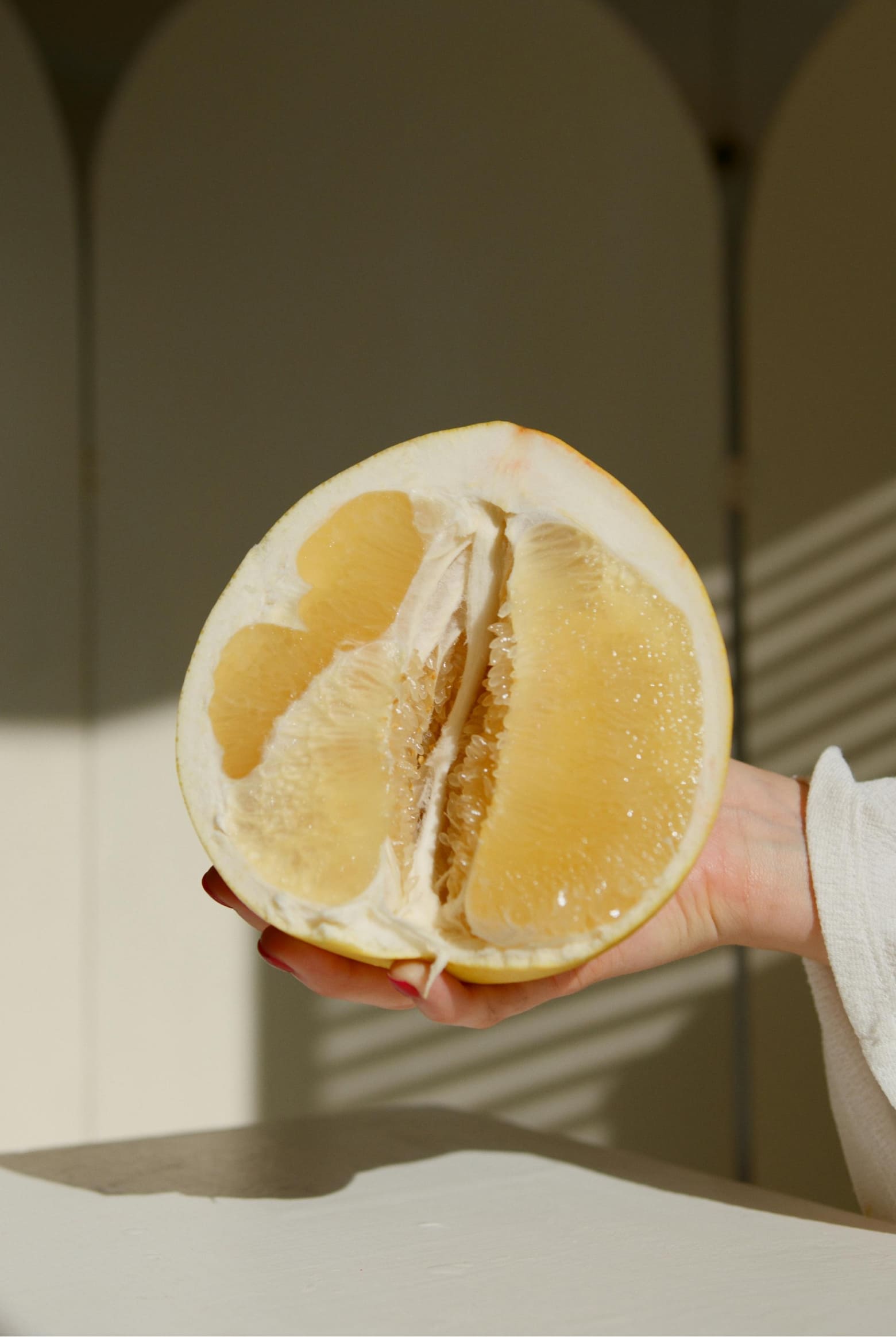
Bergamot is the essential oil derived from the peel of the bergamot orange (Citrus bergamia), a fragrant citrus fruit mainly cultivated in southern Italy, especially in Calabria. Unlike sweet oranges or lemons, bergamot’s scent profile is distinctive and combines:
- Bright citrus freshness
- Subtle floral undertones
- Slight bitterness
- Soft spicy nuances
This complexity makes it far more versatile than typical citrus notes.
Why Bergamot is Unique in Fragrance
Unlike some other citrus oils that tend to fade quickly, bergamot offers a beautifully enduring aroma. It harmonizes wonderfully with both fresh and deep scents, making it a versatile top note that gently bridges the opening of a perfume to its heart, creating a seamless and captivating experience.
The History of Bergamot in Perfumery
Bergamot has been used in perfumery since at least the 17th century. It gained widespread recognition through its inclusion in early colognes.
Bergamot and Eau de Cologne
One of the earliest and most famous uses of bergamot is in Eau de Cologne formulations, particularly the classic German cologne developed in the 18th century. Bergamot was the star ingredient, providing that signature fresh, invigorating scent.
Evolution into Modern Perfumery
Today, bergamot is used in:
- Designer fragrances
- Niche perfumes
- Aromatherapy blends
- Personal care products
It remains a foundational note in fragrance creation.
The First Impression Maker
Bergamot acts as the opening spark of a fragrance. Its role is to energise the composition, lift the senses, and prepare the nose for the deeper notes that follow.
It’s frequently associated with scents that feel:
- Clean and polished
- Sunny and uplifting
- Fresh yet refined
This is why bergamot has long been a cornerstone of Eau de Cologne structures, as well as contemporary luxury and unisex fragrances. It delivers freshness without sharpness and elegance without heaviness.
How Bergamot Oil is Extracted
The quality of bergamot oil depends heavily on how it is extracted.
Cold Pressing Method
The most common method is cold pressing, in which the fruit peel is mechanically pressed to release essential oils.
- Preserves natural aroma
- Maintains chemical integrity
- Produces high-quality oil
Steam Distillation (Less Common)
Steam distillation is sometimes used but can alter the scent profile, making it less fresh and more muted.
Bergamot Scent Profile Explained
Understanding bergamot’s scent profile is key to appreciating its importance in perfumery.
Top Note Characteristics
- Fresh and zesty
- Slightly sweet yet bitter
- Light and uplifting
Subtle Floral Undertones
Bergamot often has a faint floral quality, making it ideal for blending with:
Fixative and Enhancer
While not a strong fixative, bergamot enhances other ingredients, helping them shine.
Role of Bergamot in Fragrance Composition
Bergamot is often described as the “spark” that ignites a perfume.
As a Top Note
Bergamot is typically used in the opening of a fragrance to:
- Grab attention instantly
- Provide freshness
- Set the tone
As a Bridging Ingredient
It smoothly transitions between:
In Fragrance Families
Bergamot is essential in multiple fragrance families:
- Citrus fragrances
- Aromatic fougère
- Chypre perfumes
- Oriental blends
Practical Uses of Bergamot in Perfume Creation
If you’re experimenting with fragrance blending, bergamot is a must-have.
Example Scenario 1: Creating a Fresh Summer Perfume
Goal: Light, refreshing scent for daytime wear
Blend Idea:
- Bergamot (top note)
- Lemon
- Green tea
- White musk
Result: A crisp, clean fragrance perfect for hot weather.
Example Scenario 2: Masculine Cologne
Goal: Classic, timeless scent
Blend Idea:
Result: A traditional fougère-style fragrance.
Example Scenario 3: Elegant Evening Perfume
Goal: Sophisticated and long-lasting
Blend Idea:
- Bergamot
- Rose
- Patchouli
- Amber
Result: A luxurious, balanced fragrance with depth.
Benefits of Bergamot in Fragrance
Bergamot is not just about smell; it also offers functional benefits.
Enhances Mood
Its bright, citrus aroma is known to:
- Reduce stress
- Improve mood
- Promote relaxation
Versatility
Works well with:
- Citrus oils
- Florals
- Woods
- Spices
Gender-Neutral Appeal
Bergamot is widely used in both masculine and feminine fragrances, making it ideal for unisex perfumes.
Challenges and Considerations
While bergamot is highly valued, it does come with some limitations.
Phototoxicity
Natural bergamot oil contains compounds that can cause skin sensitivity when exposed to sunlight.
Solution:
- Use bergamot FCF (furanocoumarin-free)
- Avoid sun exposure after application
Volatility
As a top note, bergamot evaporates quickly.
Solution:
- Pair with fixatives like woods or resins
- Use in combination with longer-lasting notes
Bergamot in Popular Fragrances
Many iconic perfumes rely on bergamot as a key ingredient.
Classic Uses
- Fresh colognes
- Citrus-based perfumes
- Aromatic blends
Modern Trends
Today, bergamot is used in:
- Clean fragrances
- Minimalist scent compositions
- Luxury niche perfumes
How to Choose Bergamot-Based Fragrances
When shopping for perfumes featuring bergamot, consider:
Check the Fragrance Pyramid
Look for bergamot in the top notes.
Understand the Blend
- With florals → soft and elegant
- With woods → warm and balanced
- With spices → bold and dynamic
Longevity Expectations
Since bergamot is a top note, expect the initial burst to fade within 15-30 minutes.
Bergamot vs Other Citrus Notes
Bergamot vs Lemon
- Bergamot: Softer, more complex
- Lemon: Sharper, more acidic
Bergamot vs Orange
- Bergamot: Bitter-sweet and aromatic
- Orange: Sweet and juicy
Bergamot vs Grapefruit
- Bergamot: Floral and refined
- Grapefruit: Crisp and tangy
Tips for Using Bergamot in Daily Life
Even beyond perfumery, bergamot can be incorporated into everyday routines.
Personal Fragrance Layering
Apply a bergamot-based scent first, then layer with deeper fragrances for complexity.
Aromatherapy
Use bergamot oil in diffusers to:
- Create a calming environment
- Boost productivity
Skincare Products
Many skincare products include bergamot for its refreshing scent.
The Future of Bergamot in the Fragrance Industry
Bergamot continues to evolve with industry trends.
Sustainable Sourcing
Efforts are being made to:
- Support ethical farming in Italy
- Reduce environmental impact
Synthetic Alternatives
Perfumers sometimes use synthetic bergamot molecules to:
- Avoid phototoxicity
- Ensure consistency
Continued Popularity
Despite innovations, natural bergamot remains irreplaceable due to its complexity and authenticity.
Conclusion
Bergamot is more than just a citrus note; it is a foundational element in the art of perfumery. Its bright, uplifting aroma, combined with its ability to harmonize with a wide range of ingredients, makes it indispensable for both classic and modern fragrances.
From fresh summer scents to deep, luxurious perfumes, bergamot plays a crucial role in shaping the fragrance experience. Whether you’re creating your own blends or choosing a signature scent, understanding bergamot gives you a powerful edge in navigating the world of fragrance.
References
Baser, K. H. C., & Buchbauer, G. (2019). Handbook of essential oils: Science, technology, and applications (2nd ed.). CRC Press.
Calkin, R. R., & Jellinek, J. S. (2018). Perfumery: Practice and principles. Wiley.
International Fragrance Association. (2020). IFRA standards and guidelines for fragrance ingredients.
Lawless, J. (2020). The encyclopedia of essential oils. Conari Press.
Sell, C. (2019). Chemistry of fragrances: From perfumer to consumer (3rd ed.). Royal Society of Chemistry.
Tisserand, R., & Young, R. (2018). Essential oil safety: A guide for health care professionals (2nd ed.). Elsevier.