Cologne : What is Cologne
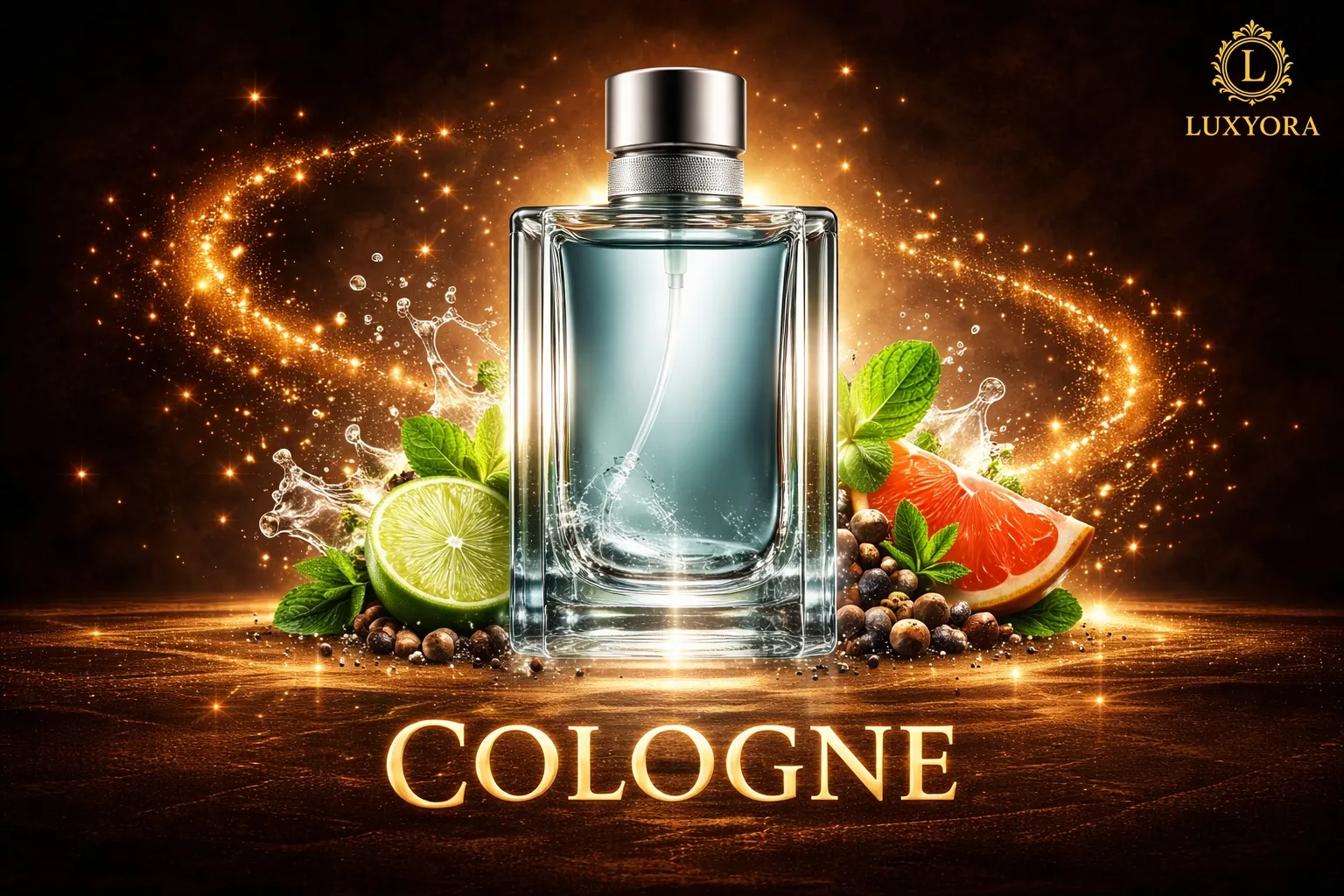
In the world of perfumery, cologne, most accurately referred to as Eau de Cologne, is celebrated for its light, refreshing, and effortless character. Traditionally, cologne describes a fragrance concentration containing approximately 2-5% aromatic compounds, making it one of the lightest and most breathable forms of perfume. This lower concentration results in a crisp, invigorating scent that typically lasts two to four hours on the skin.
Cologne doesn’t aim to linger heavily; it’s designed to refresh, revive, and reset.
A Brief History of Cologne
The origins of Eau de Cologne date to 18th-century Germany, specifically Cologne. There, an Italian perfumer created a revolutionary blend of citrus oils, aromatic herbs, and light florals, prized for its clean, uplifting feel. This composition quickly became popular across Europe, admired for its modernity and purity at a time when heavier scents predominated.
Over time, the term “cologne” expanded in everyday language to describe masculine fragrances. However, within the fragrance industry, its meaning remains technically defined by concentration and structure, not gender.
A Sparkling, Inviting Profile
What gives cologne its universal appeal is its unmistakable freshness. Classic colognes rely heavily on bright, volatile ingredients that feel clean and energising from the first spray.
Common notes include:
These notes evaporate quickly, creating a sensation of clarity and lightness rather than depth or intensity.
Effortless Versatility
Cologne is designed for ease. Its subtle presence makes it ideal for:
- Warm or humid climates
- Morning routines and daytime wear
- Post-shower freshness
- Gym or casual settings
Unlike parfum or eau de parfum, cologne prioritises refreshment over longevity, making it easy to reapply throughout the day without overwhelming the senses.
Before choosing your next fragrance, uncover what truly separates cologne from the other perfume concentrations you’ll encounter. Learn more in Eau de Parfum vs Eau de Toilette vs Cologne.
A Gateway to Fragrance
Because of its light nature, cologne is often considered an excellent entry point into perfumery. It allows wearers to explore scent comfortably, layering, experimenting,
and discovering preferences with minimal commitment.
Modern interpretations of cologne now include:
- Woody or musky bases for added structure
- Floral nuances for softness
- Contemporary twists that extend wear without losing freshness
Yet even with innovation, the spirit of cologne remains unchanged: clean, approachable, and timeless.
Why Cologne Endures
Cologne has lasted for centuries because it fulfils a simple but essential role: it makes you feel fresh. It doesn’t seek drama or dominance. Instead, it offers clarity, ease, and quiet confidence. For anyone exploring the world of fragrance, absolutes reveal how perfume can capture not just the smell of a plant, but its spirit.
References
Turin, L., & Sanchez, T. (2018). Perfumes: The A–Z Guide (Revised ed.). Penguin Books.
Nez Éditions. (2020). The Big Book of Perfume: For an Olfactory Culture (J.
Doré, Ed.). Nez Éditions.
Ellena, J.-C. (2022). Perfume: The Alchemy of Scent. Arcade Publishing.
Sell, C. S. (2019). The Chemistry of Fragrances: From Perfumer to Consumer
(2nd ed.). Royal Society of Chemistry.
Encyclopaedia Britannica. (2024). Eau de Cologne.
International Fragrance Association (IFRA). (2023). Fragrance concentration
categories explained. IFRA Publications.
Spence, C. (2021). Crossmodal influences in scent perception. Cognitive
Research: Principles and Implications, 6(1), 46.
Grand View Research. (2025). Men’s and unisex fragrance market trends.
Fragrance Foundation. (2026). Understanding fragrance concentrations. Industry
Resource.
Burr, C. (2018). The perfect scent: A year inside the perfume industry. Picador.
Edwards, M. (2019). Fragrances of the World: A classification of perfumes.
Fragrances of the World.