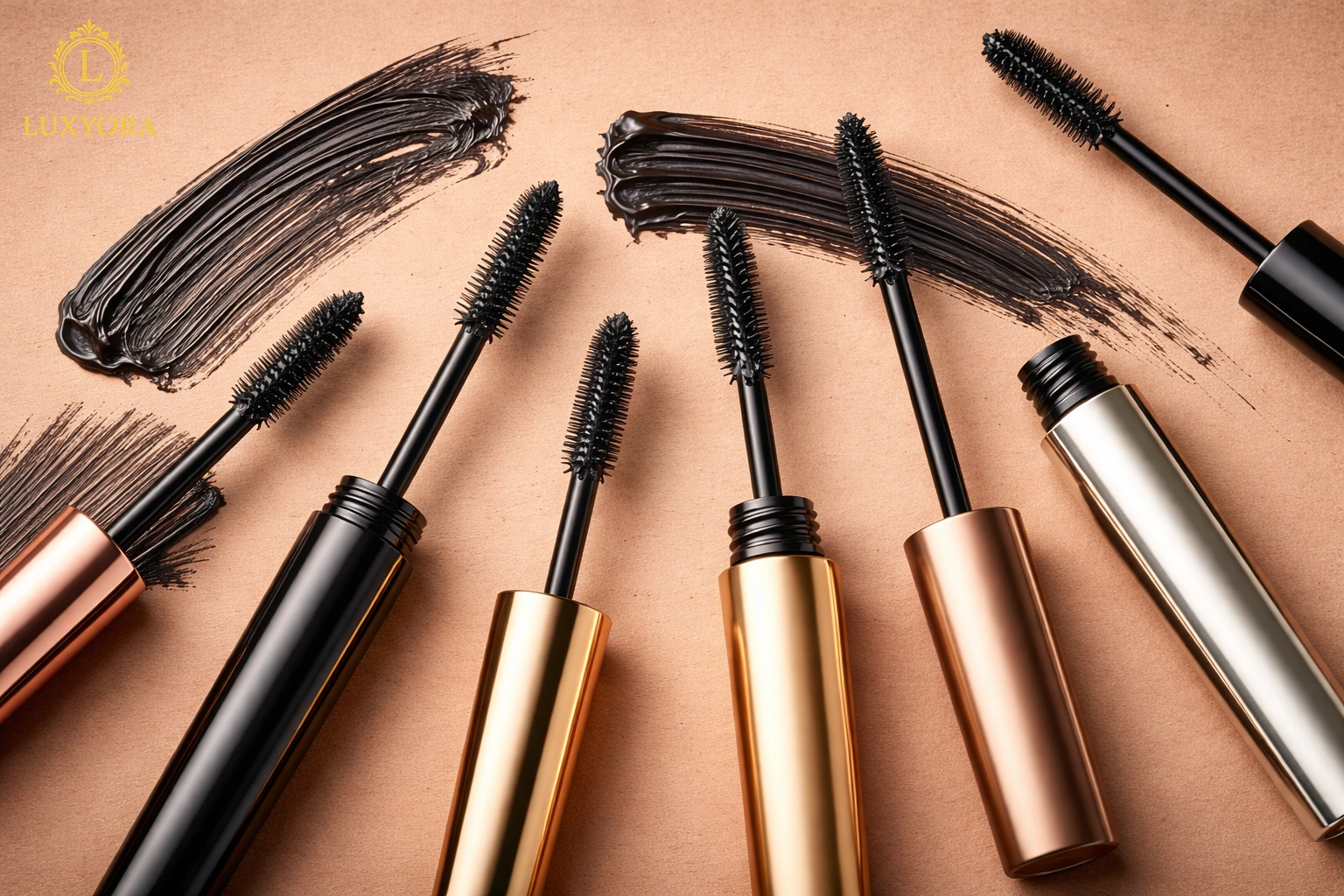
Mascara is one of the most iconic and widely used beauty products in the global cosmetics industry. Whether someone prefers a natural daytime appearance
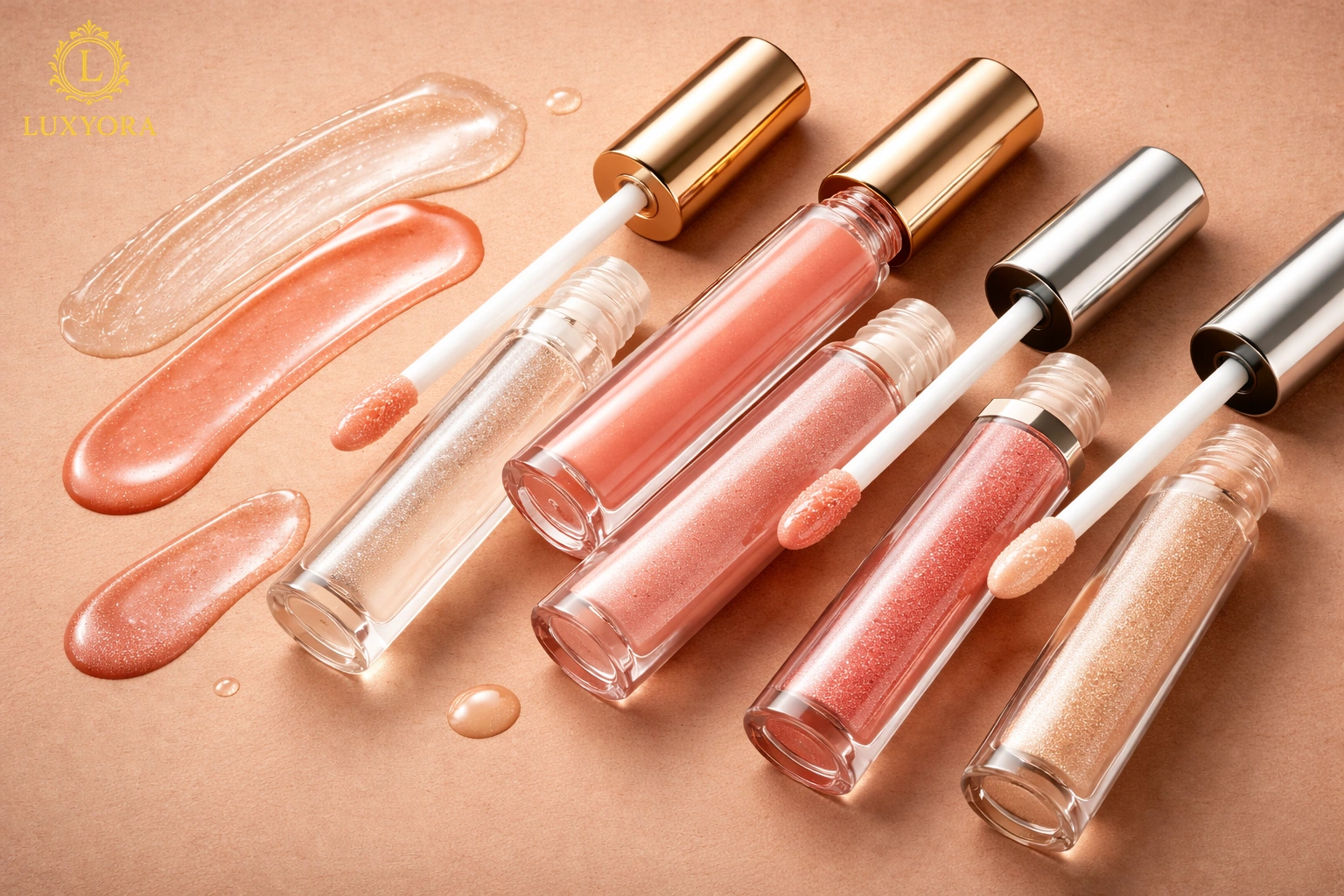
In the beauty industry, Gloss is one of the most recognized and influential terms used across cosmetics, haircare, skincare, and nail products. Whether consumers
In today's environmentally conscious world, eco materials have become a cornerstone of sustainable development. Businesses, manufacturers, architects, designers, and consumers are increasingly seeking environmentally
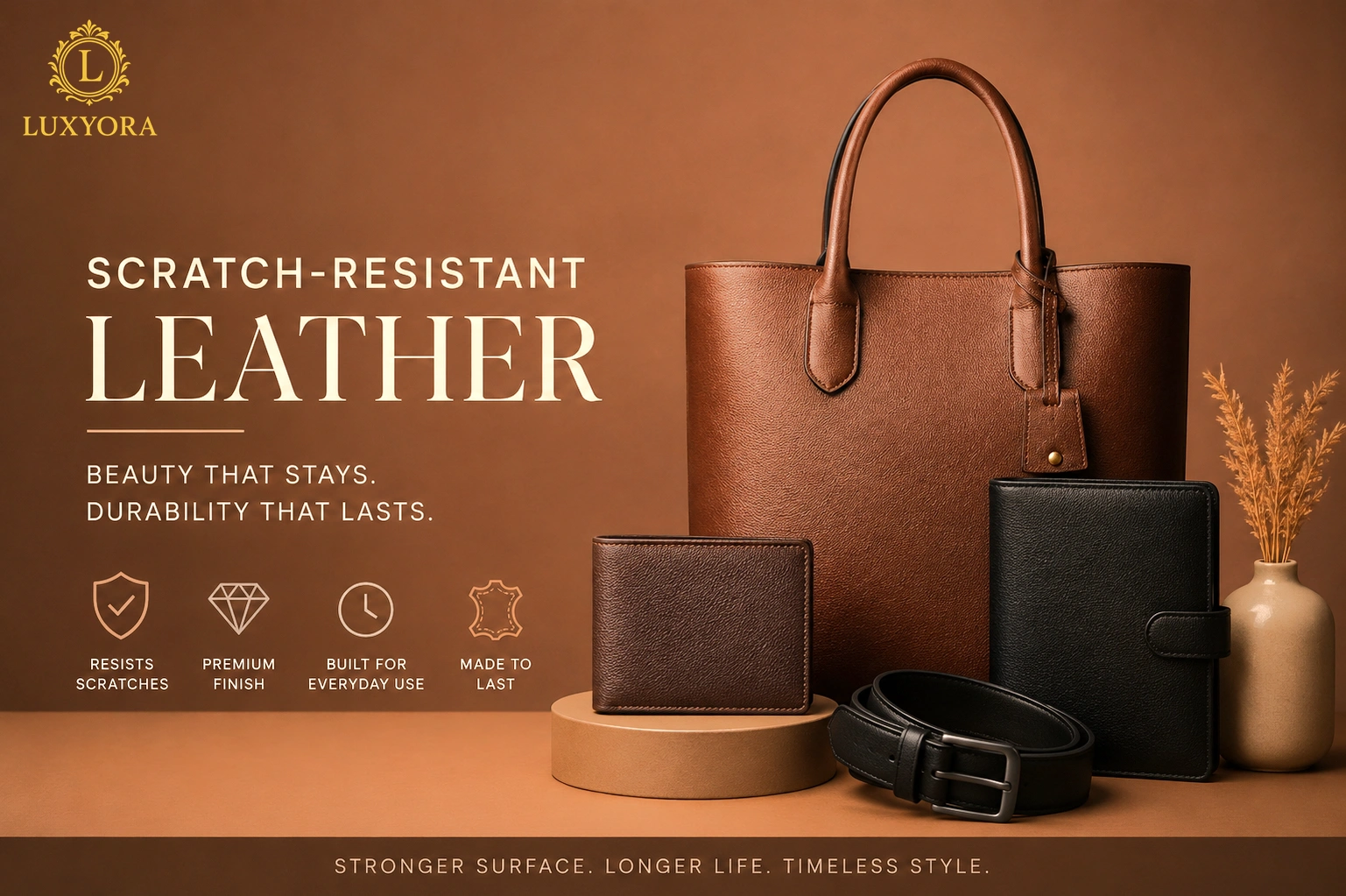
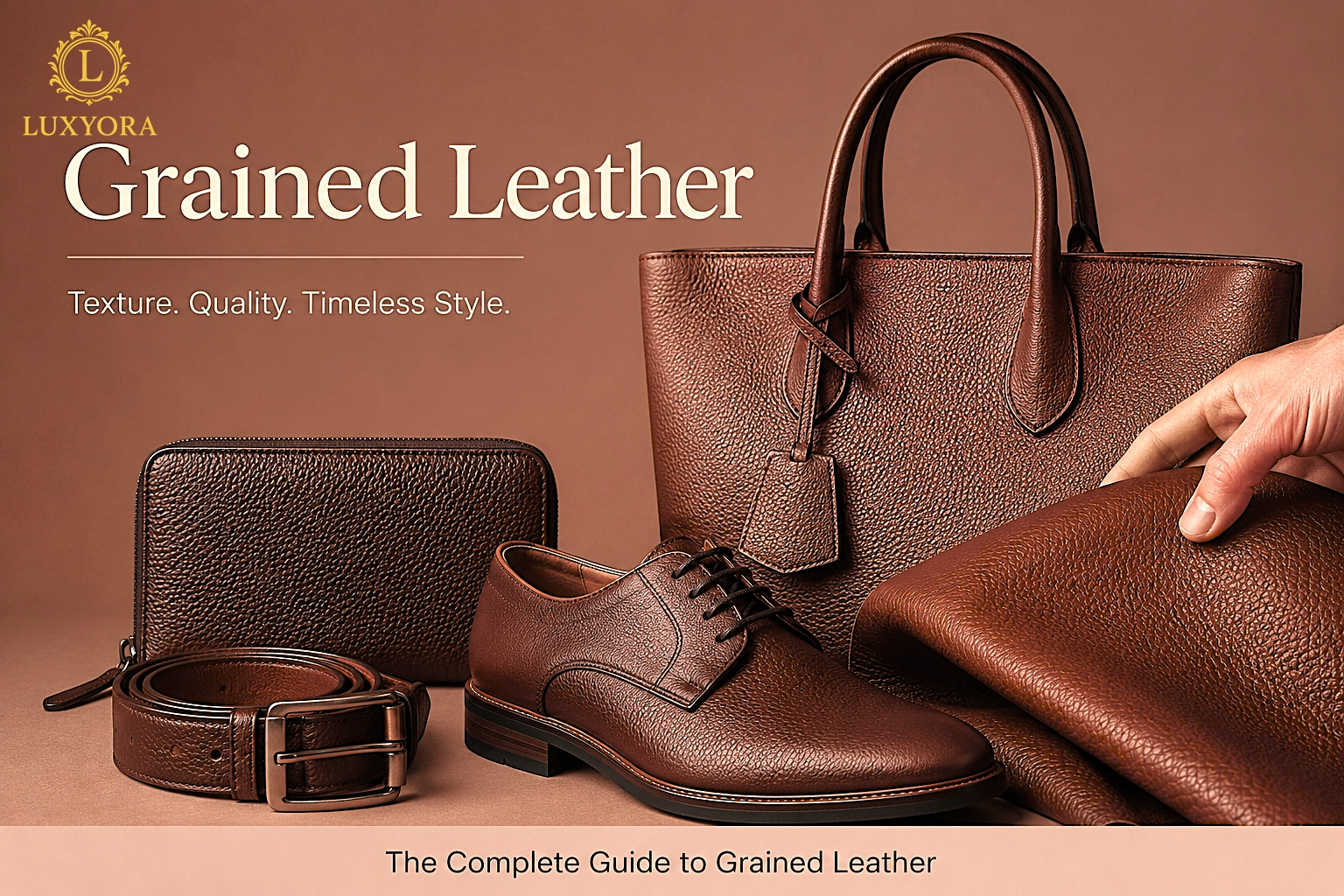
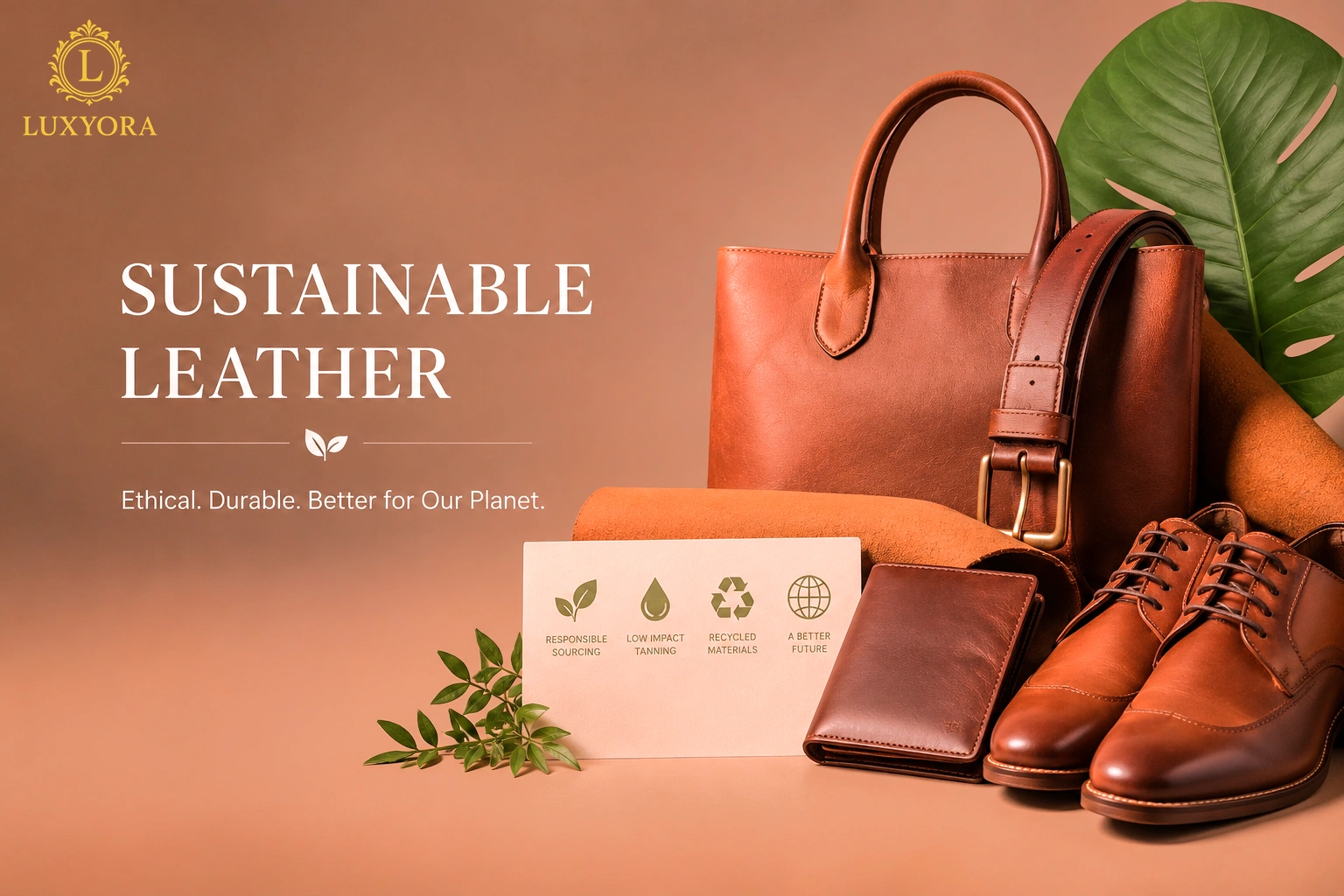
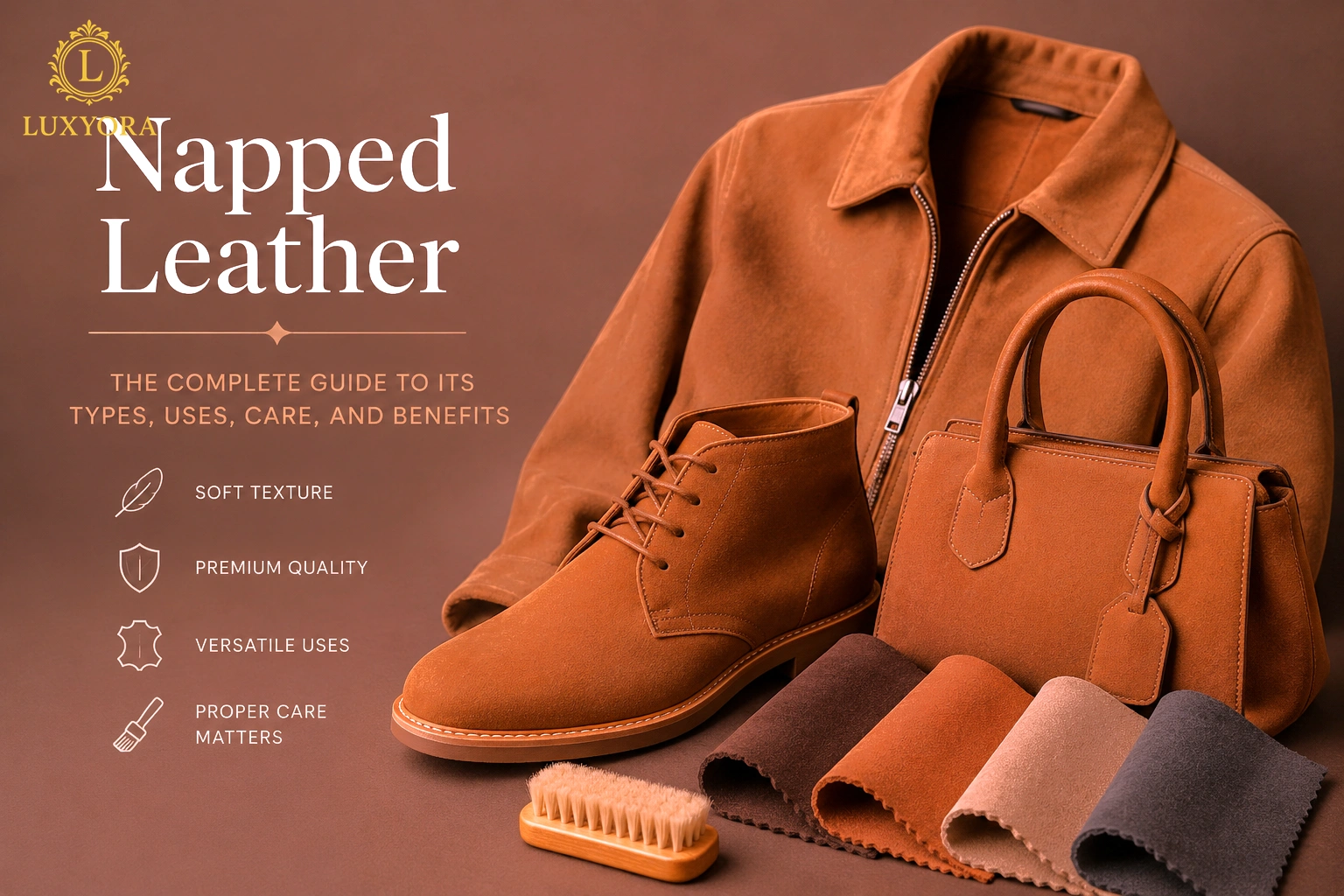
Leather has long been associated with luxury, durability, and timeless style. Whether used in handbags, wallets, shoes, furniture, automotive interiors, or fashion accessories, leather
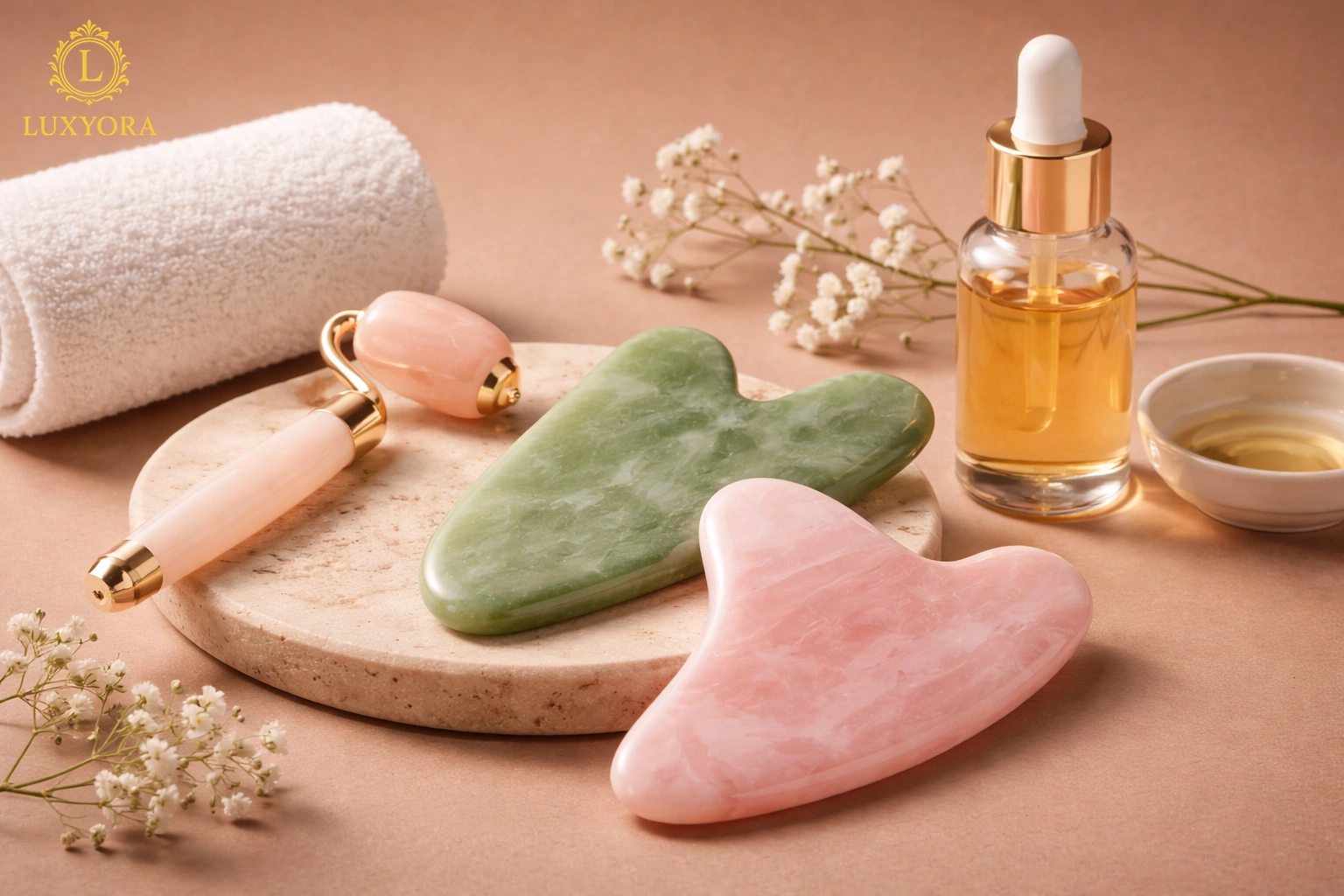
Gua Sha has become one of the most talked-about skincare and beauty techniques in recent years. Once considered a traditional wellness practice, it has
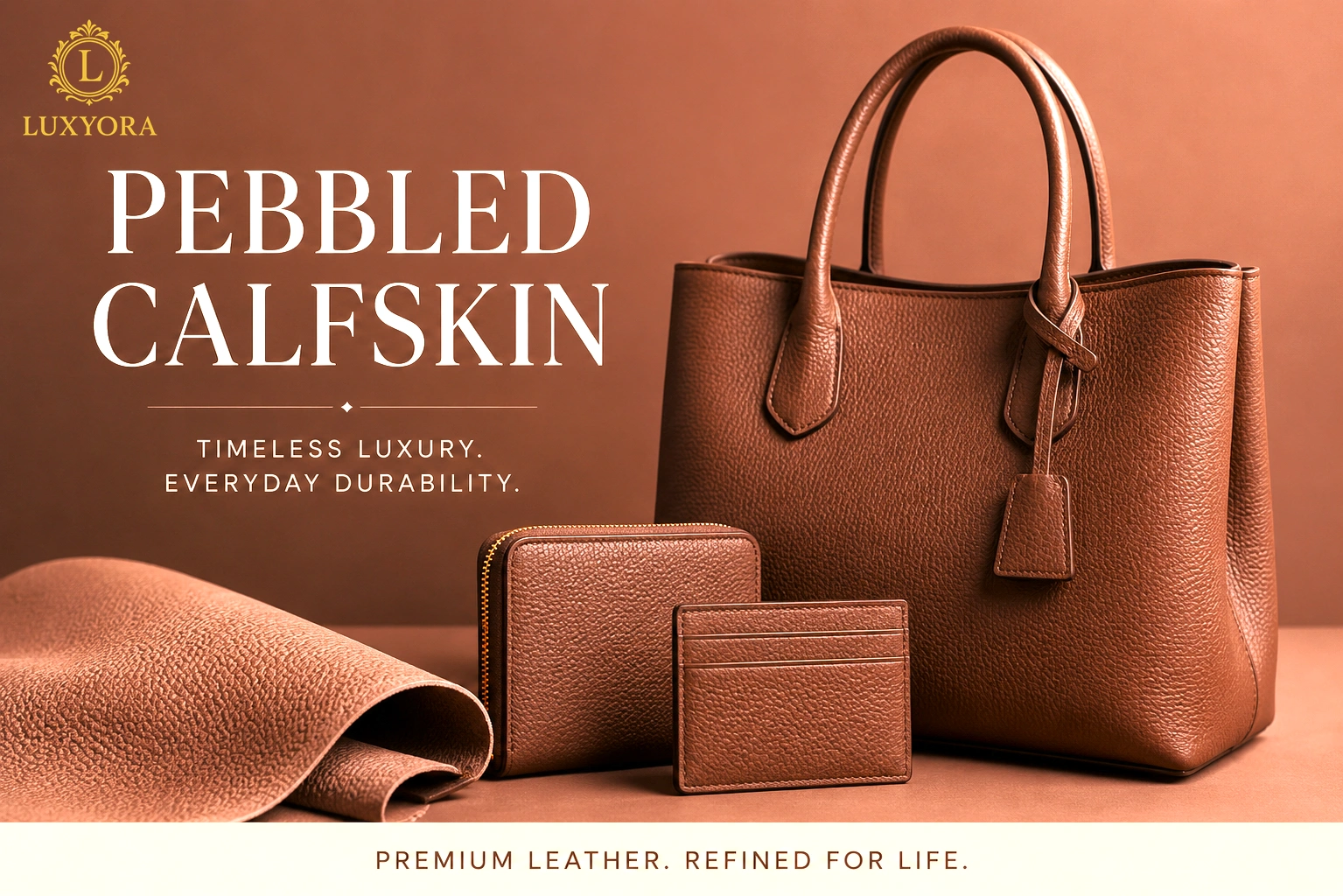
Pebbled calfskin is one of the most respected and sought-after materials in the luxury leather industry. From premium handbags and designer wallets to luxury
Leather has been a symbol of durability, luxury, and craftsmanship for centuries. From fashion accessories and footwear to furniture and automotive interiors, leather remains
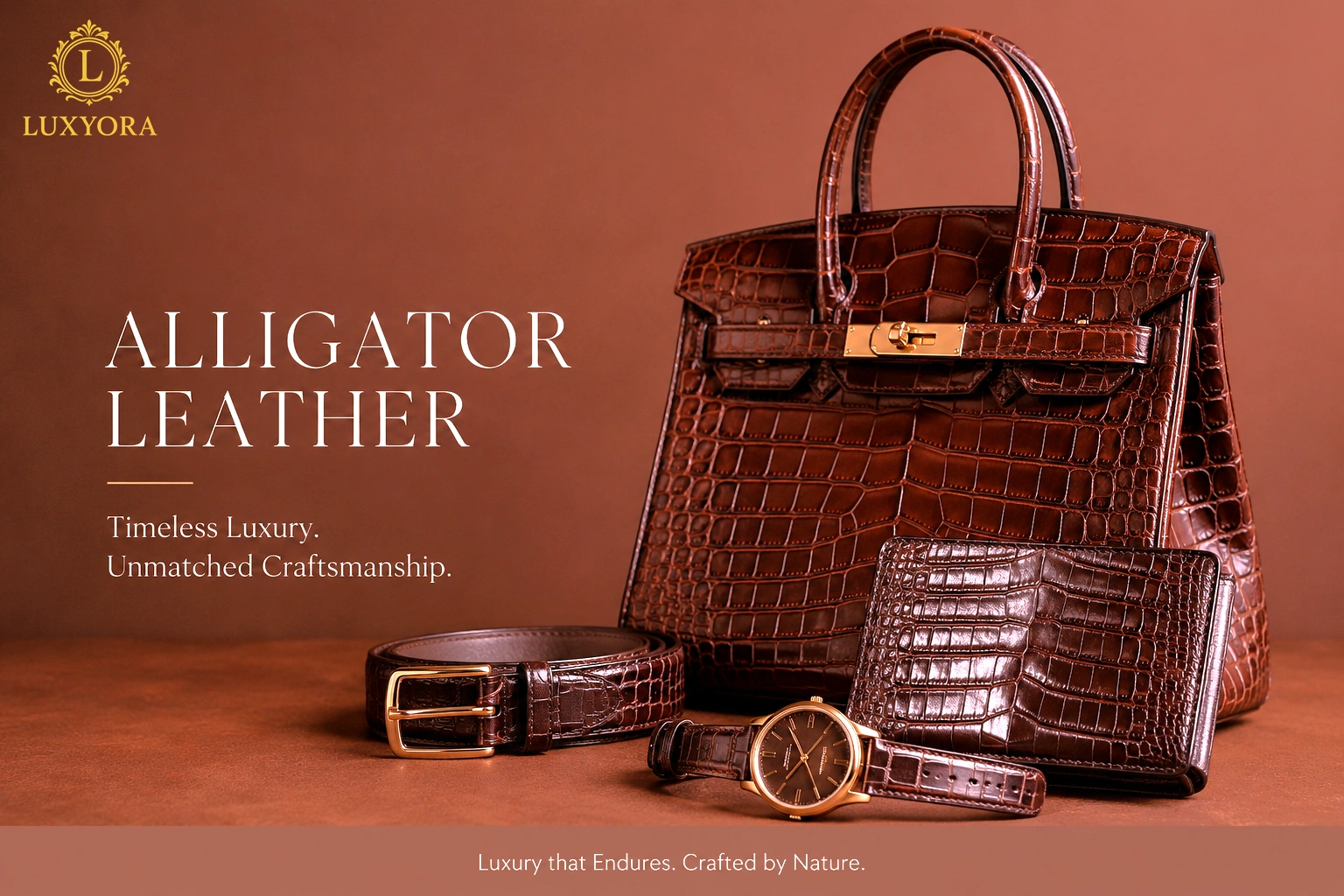
Alligator leather is one of the most prestigious and sought-after exotic leathers in the luxury goods industry. Known for its distinctive scale pattern, exceptional
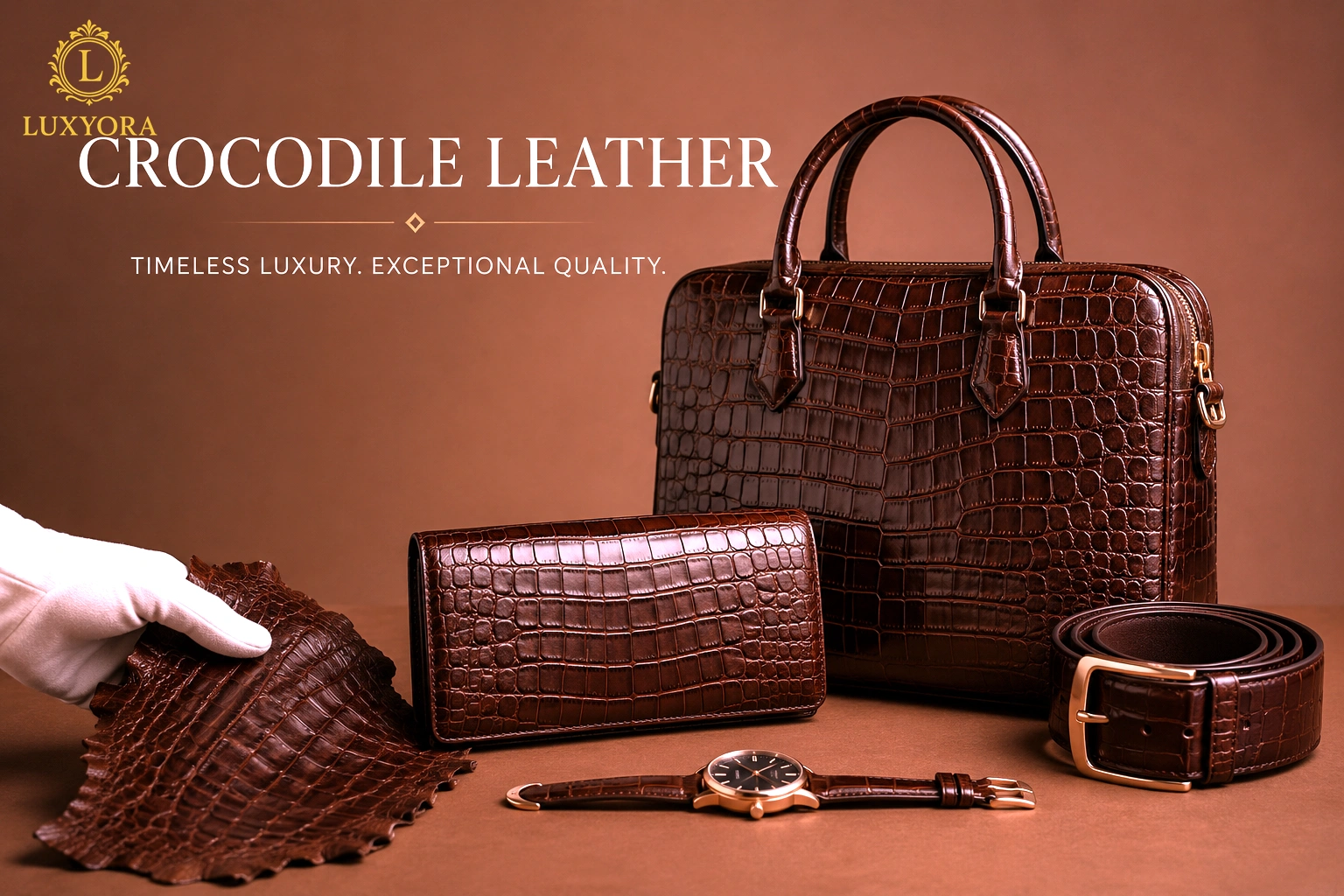
Crocodile leather is one of the most prestigious and sought-after exotic leathers in the luxury goods industry. Known for its distinctive scale patterns, exceptional
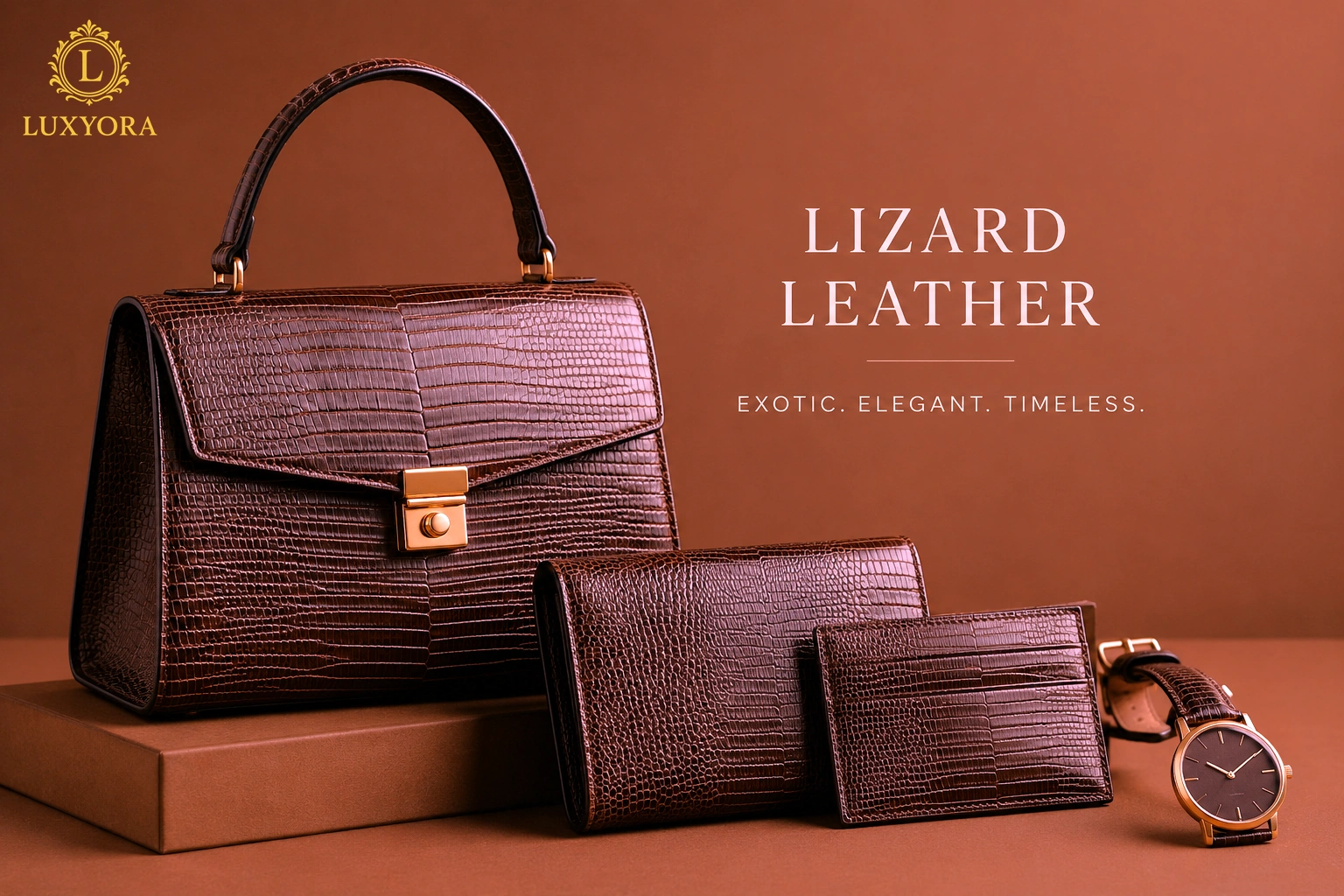
Lizard leather is one of the most distinctive and sought-after exotic leathers in the luxury goods industry. Known for its elegant scale patterns, lightweight
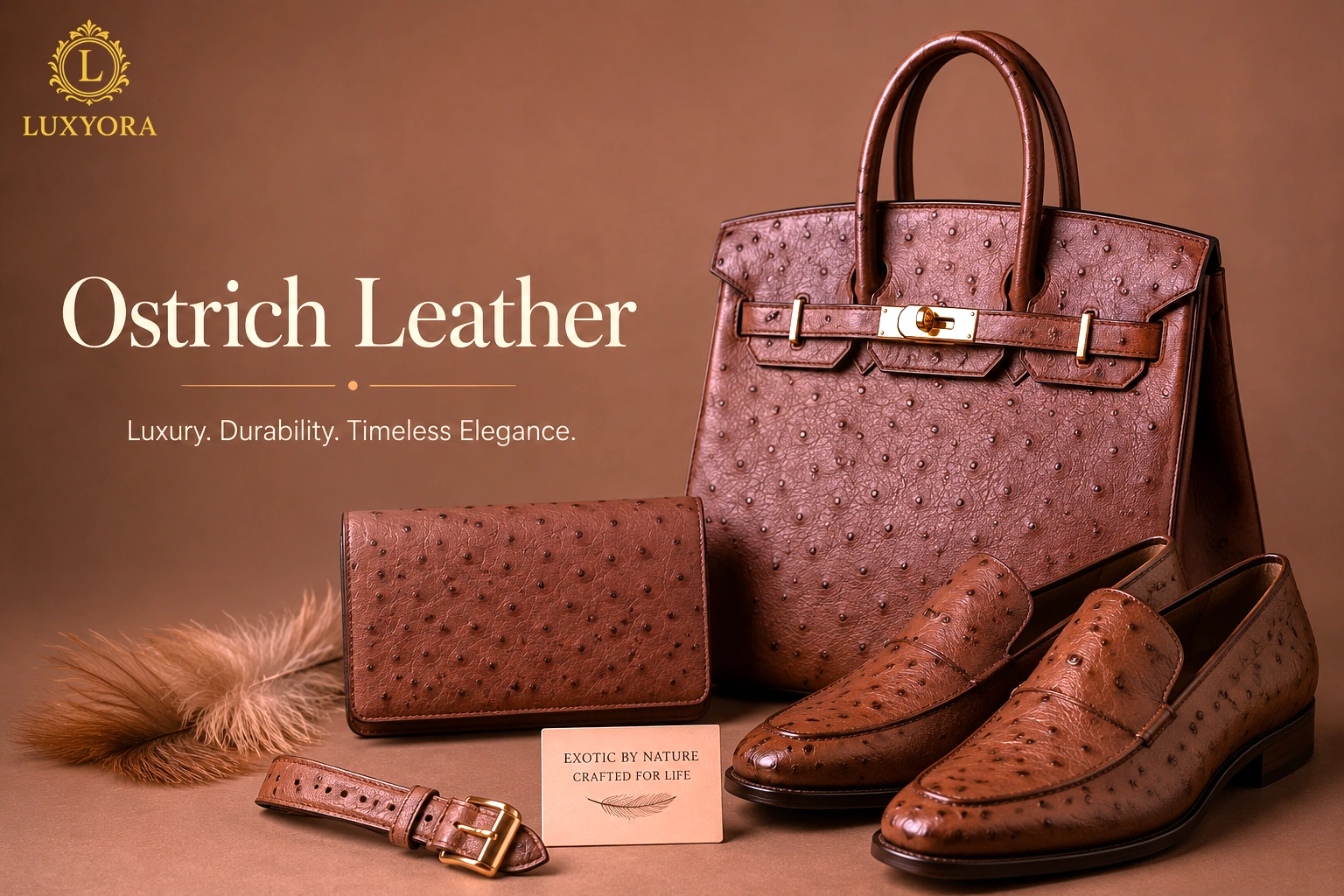
Ostrich leather is one of the most distinctive and luxurious exotic leathers in the world. Recognized instantly by its unique quill follicle pattern, this
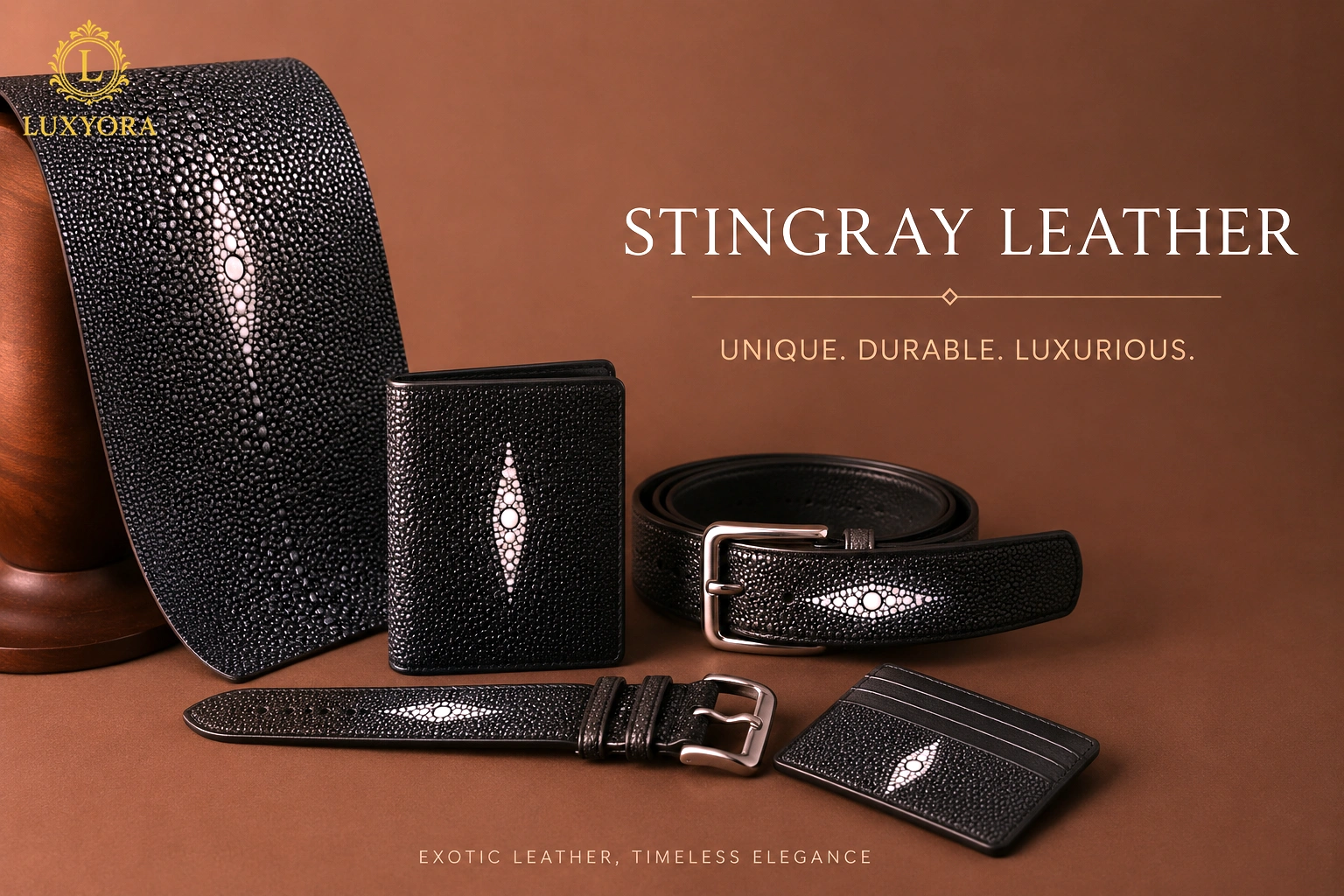
Stingray leather is one of the most distinctive and durable exotic leathers used in the global leather industry. Recognized for its pearl-like texture, exceptional
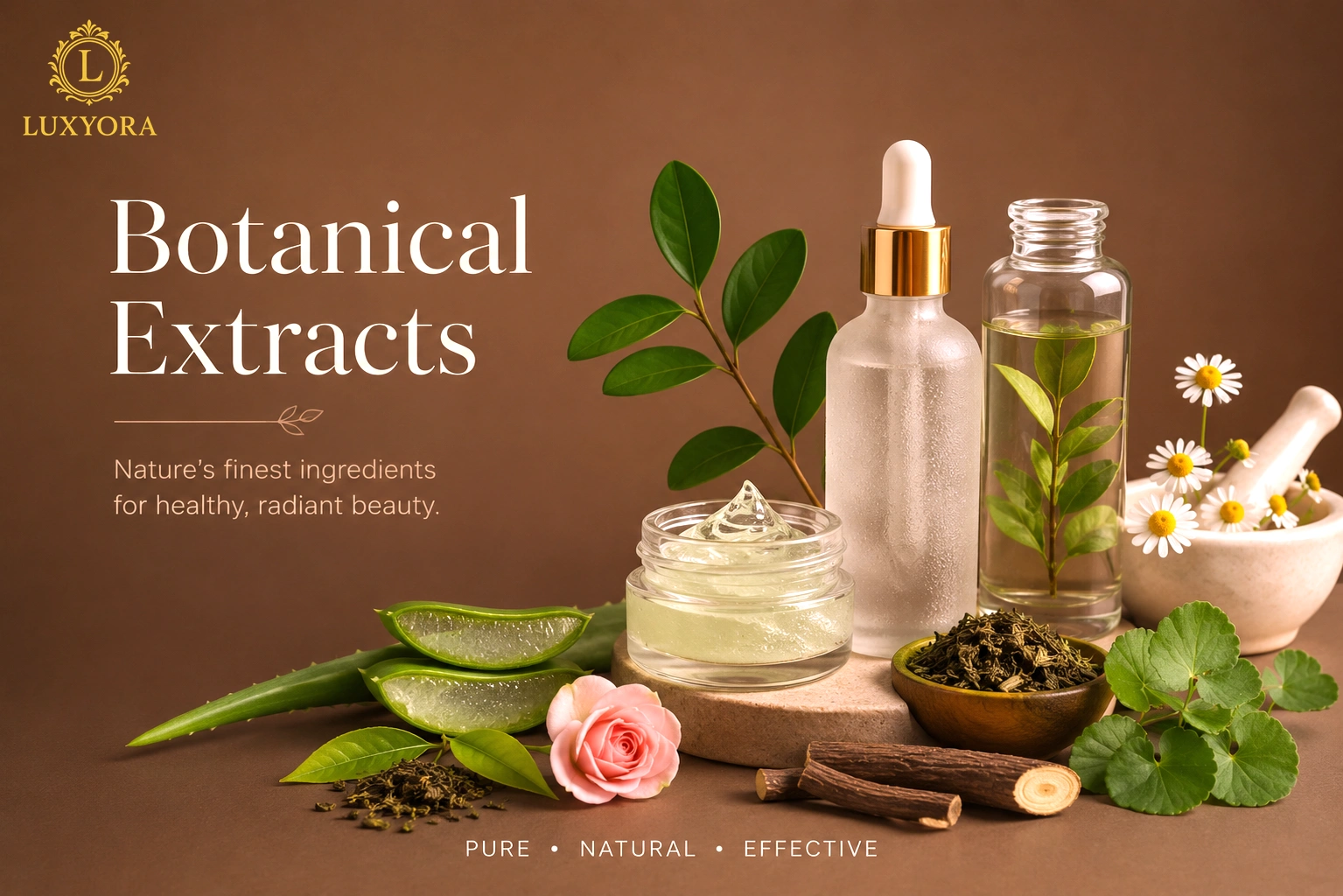
The beauty industry has experienced a remarkable shift over the past decade, with consumers increasingly seeking products that combine effectiveness, sustainability, and natural ingredients.
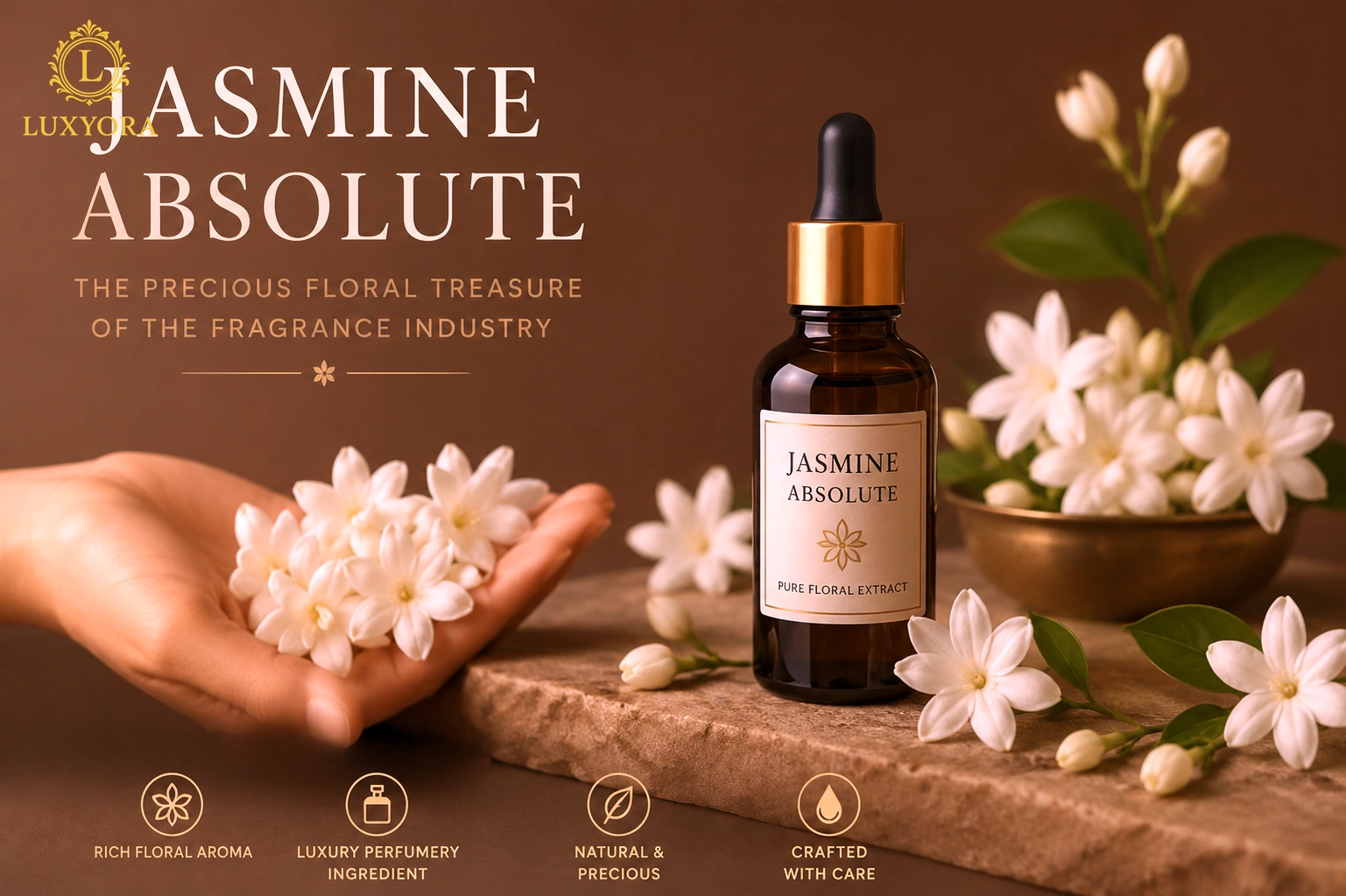
Jasmine absolute is one of the most prized and luxurious ingredients in the fragrance and beauty industry. Known for its rich floral aroma, exceptional
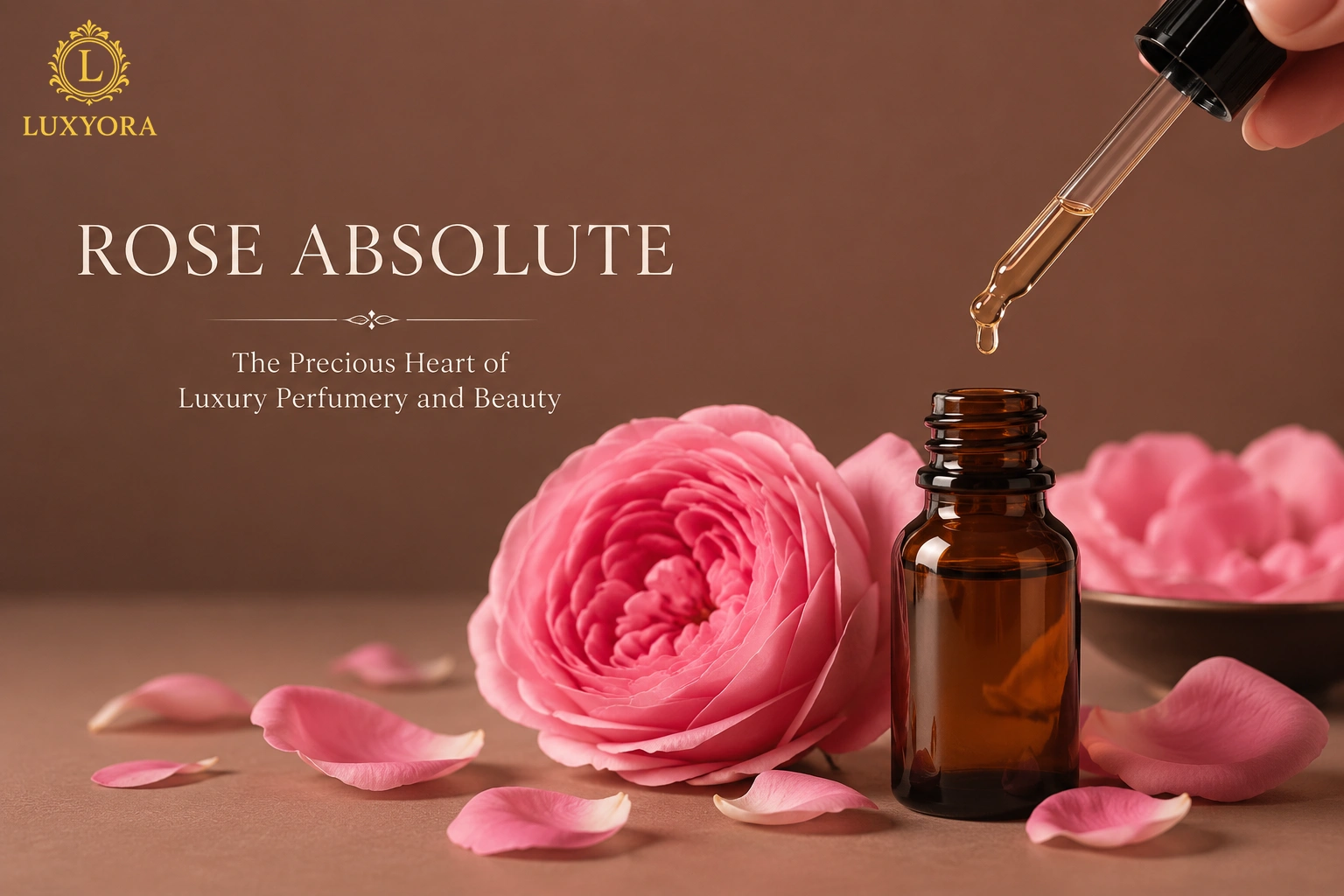
Rose Absolute is one of the most treasured and luxurious ingredients in the fragrance and beauty industry. Known for its rich floral aroma, exceptional
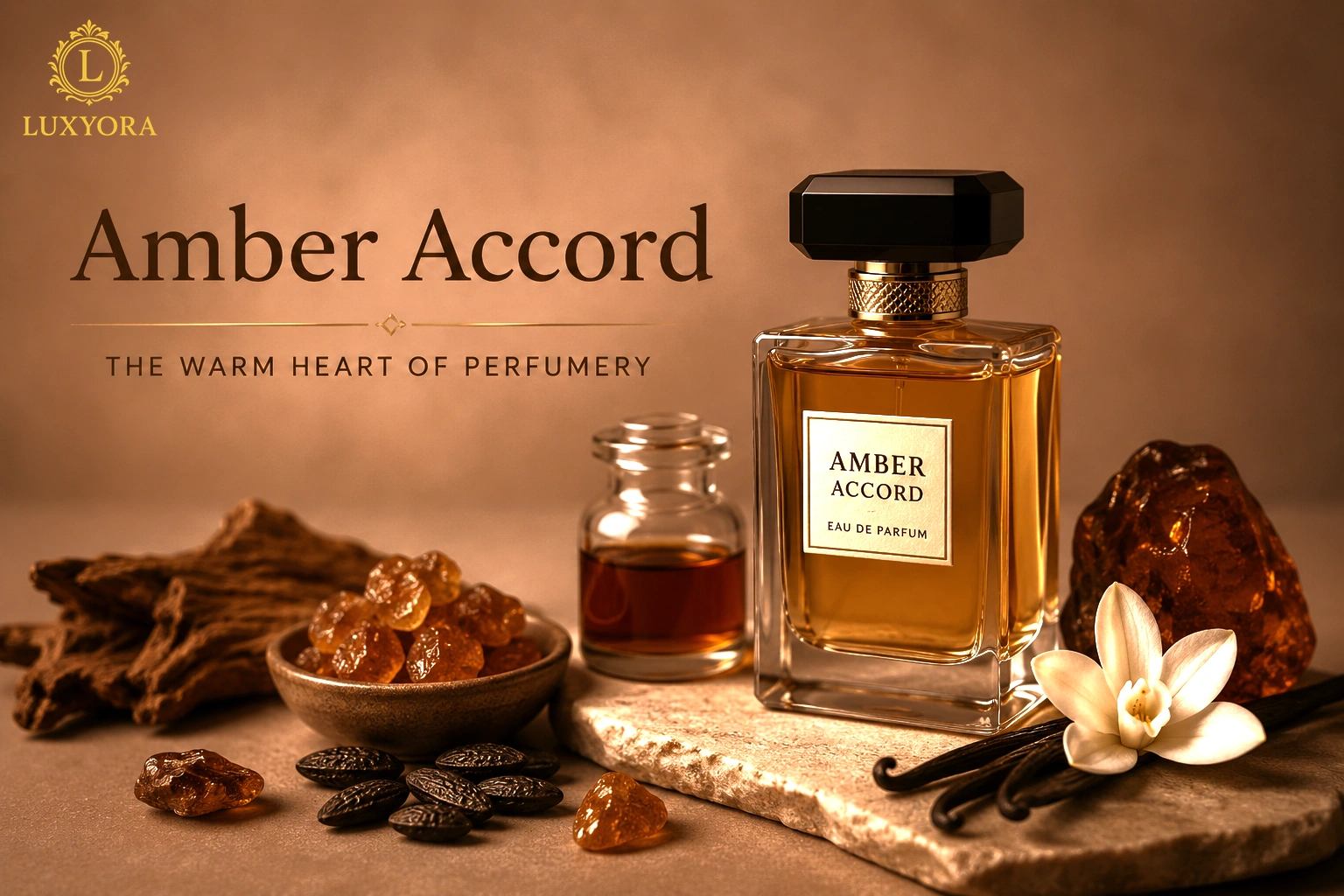
Amber accord is one of the most recognizable and influential fragrance concepts in modern perfumery. Despite its widespread use across luxury perfumes, niche fragrances,