Gloss
In the beauty industry, Gloss is one of the most recognized and influential terms used across cosmetics, haircare, skincare, and nail products. Whether consumers are shopping for a lip gloss, evaluating the shine of a hair treatment, or selecting a high-gloss nail polish, gloss plays a major role in product appeal and perceived quality.
Today’s beauty market places significant emphasis on healthy-looking skin, radiant hair, and luminous makeup finishes. As a result, gloss has evolved from being merely a visual characteristic to becoming a key indicator of beauty, confidence, and product performance. Understanding what gloss means, how it is measured, and how it influences consumer purchasing decisions can help beauty professionals, brands, and consumers make more informed choices.
What Is Gloss in the Beauty Industry?
Gloss refers to the degree to which a surface reflects light in a mirror-like or shiny manner. In beauty products, gloss refers to the visual shine or luster on lips, hair, nails, skin, and cosmetic finishes.
A highly glossy surface reflects more light directly, creating a smooth and radiant appearance. Conversely, matte finishes scatter light and appear less reflective.
In beauty applications, gloss is commonly associated with:
- Lip gloss products
- High-shine lipsticks
- Hair gloss treatments
- Nail polishes
- Illuminating skincare products
- Highlighter makeup products
- Shimmer and luminous foundations
The popularity of glossy finishes stems from their ability to make surfaces appear healthier, smoother, and more youthful.
Why Gloss Matters in Beauty Products
Gloss is more than a cosmetic effect. It influences consumer perceptions and buying behavior.
Creates a Healthy Appearance
Shiny hair and radiant skin are often associated with good health and proper care. Consumers naturally gravitate toward products that enhance shine because they create a youthful and vibrant look.
Improves Visual Appeal
Products with glossy finishes often appear more luxurious and premium. Packaging designers and cosmetic formulators frequently use gloss-enhancing ingredients to improve product attractiveness.
Enhances Facial Features
Gloss can draw attention to specific facial features.
For example:
- Lip gloss makes lips appear fuller.
- Highlighters create dimension on the face.
- Dewy foundations provide a fresh complexion.
- Hair gloss treatments add richness and depth to hair color.
Influences Purchasing Decisions
Beauty consumers often associate gloss with quality and performance. A lipstick that delivers long-lasting shine may be perceived as more valuable than a similar product with a dull finish.
The Science Behind Gloss
Gloss occurs when light reflects from a smooth surface.
When a surface is smooth:
- Light reflects in a consistent direction.
- The surface appears shiny.
- Gloss levels increase.
When a surface is rough:
- Light scatters in multiple directions.
- The surface appears dull.
- Gloss levels decrease.
Beauty manufacturers carefully formulate products to optimize light reflection and achieve the desired level of shine.
Common factors affecting gloss include:
- Surface smoothness
- Oil content
- Polymer technology
- Pigment concentration
- Moisture levels
- Product texture
Gloss in Lip Products
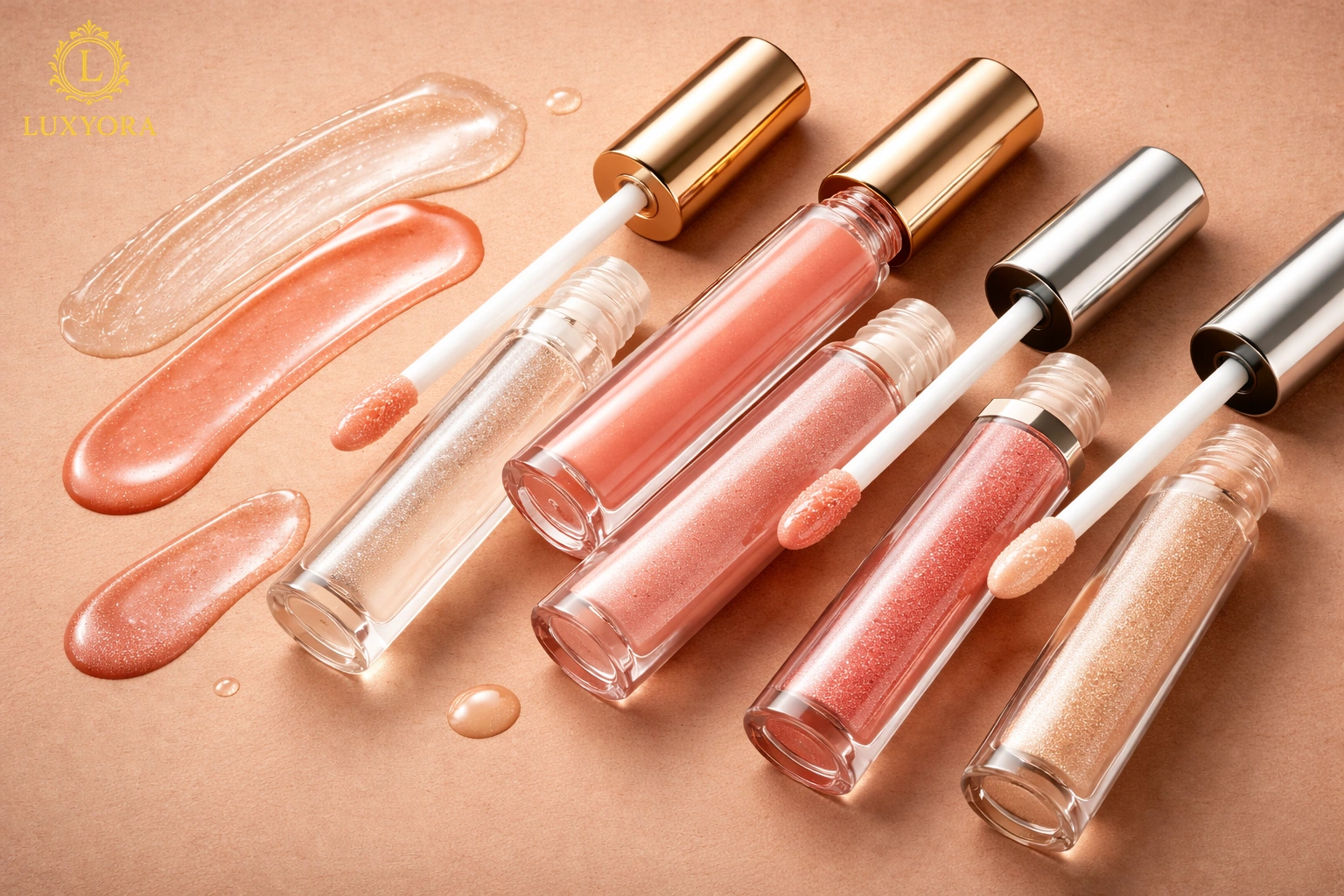
One of the most common uses of gloss is in lip cosmetics.
Lip Gloss
Lip gloss products are specifically formulated to create a shiny finish on the lips. They often contain:
- Emollients
- Oils
- Waxes
- Polymers
- Reflective particles
Modern lip gloss formulas offer benefits beyond shine, including hydration, plumping effects, and long-lasting wear.
Glossy Lipsticks
Glossy lipsticks combine color payoff with shine. These products bridge the gap between traditional lipstick and lip gloss.
Lip Oils
Lip oils have become increasingly popular because they provide a glossy appearance while delivering skincare benefits.
Example Scenario
A consumer preparing for a wedding chooses a lip oil instead of a matte lipstick because the glossy finish creates a softer and more youthful appearance in photographs.
Gloss in Haircare
Hair gloss is a major category within professional and consumer haircare.
What Is a Hair Gloss Treatment?
Hair gloss treatments are products designed to enhance shine, smooth the hair cuticle, and improve overall hair appearance.
Benefits include:
- Increased shine
- Color enhancement
- Reduced frizz
- Improved softness
Better manageability
Temporary Hair Gloss
Temporary gloss treatments coat the hair surface and typically last several washes.
Semi-Permanent Hair Gloss
Semi-permanent glosses can add subtle color while boosting shine.
Professional Salon Gloss Services
Many salons offer glossing treatments as standalone services or as an addition to hair coloring appointments.
Example Scenario
A client feels their hair color looks dull three weeks after coloring. A salon gloss treatment restores shine and refreshes color vibrancy without requiring a full color application.
Gloss in Skincare
The skincare industry increasingly embraces glossy and radiant finishes.
Dewy Skin Trend
Consumers often seek products that create a healthy glow rather than a matte appearance.
Popular products include:
- Glow serums
- Illuminating moisturizers
- Facial oils
- Hydrating essences
Skin Reflection and Perceived Youthfulness
Research consistently shows that hydrated skin reflects light more evenly. This creates a smoother, brighter appearance often associated with youthful skin.
Glass Skin Influence
The Korean beauty industry’s “glass skin” trend has further elevated consumer interest in glossy, reflective complexions.
Gloss in Nail Care
Gloss is a defining characteristic of many nail products.
High-Gloss Nail Polish
Traditional nail polish is often evaluated based on:
- Shine level
- Smoothness
- Durability
- Color vibrancy
Gel Nail Systems
Gel nails are particularly popular because they provide intense gloss and long-lasting shine.
Top Coats
Gloss-enhancing top coats help maintain shine and protect nail color.
Example Scenario
A customer chooses a gel manicure before an important business conference because the high-gloss finish appears polished and professional for several weeks.
Ingredients That Enhance Gloss
Many beauty formulations rely on specialized ingredients to create shine.
Silicone Compounds
Silicones help smooth surfaces and improve light reflection.
Common examples include:
- Dimethicone
- Cyclopentasiloxane
Phenyl Trimethicone
Natural Oils
Natural oils contribute both nourishment and gloss.
Examples include:
- Argan oil
- Jojoba oil
- Coconut oil
- Marula oil
Film-Forming Polymers
These ingredients create smooth coatings that increase reflectivity.
Pearl Pigments
Pearlescent pigments provide shimmer and enhanced visual radiance.
Gloss vs Matte Finishes
Understanding the difference between gloss and matte is essential for beauty professionals.
Feature | Gloss Finish | Matte Finish |
Shine Level | High | Low |
Light Reflection | Strong | Minimal |
Youthful Appearance | Often enhanced | More subdued |
Visibility of Texture | Reduced | More noticeable |
Trend Association | Dewy, luminous | Sophisticated, modern |
Both finishes remain popular, and consumer preferences often depend on personal style, skin type, and occasion.
Consumer Trends Driving Demand for Gloss
Several beauty trends continue to fuel demand for glossy products.
Social Media Influence
Platforms such as Instagram, TikTok, and YouTube have popularized radiant beauty aesthetics.
Clean Beauty Movement
Consumers increasingly seek naturally glowing skin rather than heavily covered complexions.
Hybrid Beauty Products
Modern formulations combine cosmetic and skincare benefits while delivering glossy finishes.
Examples include:
- Tinted lip oils
- Glow foundations
- Serum-infused makeup
- Shine-enhancing hair treatments
How Beauty Brands Measure Gloss
Manufacturers often use gloss meters to objectively measure shine.
These instruments assess how much light reflects from a surface at specific angles.
Measurements help companies:
- Maintain product consistency
- Compare formulations
- Conduct quality control
- Support marketing claims
Higher gloss readings generally indicate greater reflectivity and shine.
Practical Tips for Choosing Gloss Products
For Lips
Choose lip glosses with moisturizing ingredients to prevent dryness.
For Hair
Look for gloss treatments containing nourishing oils and proteins.
For Skin
Hydrating products often create more natural-looking gloss than heavily shimmer-based formulas.
For Nails
Apply a quality top coat regularly to maintain high shine.
Common Misconceptions About Gloss
Gloss Means Greasy
Not necessarily. Modern formulations create shine without leaving excessive residue.
Gloss Is Only for Younger Consumers
Consumers of all ages can benefit from glossy finishes that create healthier-looking appearances.
Gloss Products Lack Longevity
Advanced technologies now allow many glossy products to maintain shine for extended periods.
The Future of Gloss in Beauty
The future of gloss is closely tied to innovation and consumer demand for healthy-looking beauty.
Emerging trends include:
- Sustainable gloss-enhancing ingredients
- Biotech-derived shine boosters
- Long-wear glossy lip products
- Advanced hair gloss systems
- Hybrid skincare-makeup formulations
As beauty consumers continue to prioritize radiance, hydration, and natural-looking enhancement, gloss will remain one of the industry’s most influential product attributes.
Conclusion
Gloss is far more than a simple shine effect in the beauty industry. It represents health, luxury, vibrancy, and product performance across cosmetics, skincare, haircare, and nail care categories. From glossy lips and radiant skin to reflective hair treatments and high-shine manicures, gloss continues to shape beauty trends and consumer expectations worldwide.
Understanding how gloss works, the ingredients that create it, and the ways it influences appearance enables consumers and professionals to make smarter product choices. As technology advances and beauty trends evolve, gloss will continue to play a central role in delivering the luminous, polished looks that modern consumers seek.
References
Draelos, Z. D. (2024). Cosmetic Dermatology: Products and Procedures (4th ed.). Wiley.
Graham, G. M., & Brown, M. A. (2022). Hair Care Products and Cosmetic Science. CRC Press.
Loden, M., Maibach, H. I., & Surber, C. (2020). Treatment of Dry Skin Syndrome. Springer.
Mitsui, T. (Ed.). (2021). New Cosmetic Science. Elsevier.
Pillai, S., & Oresajo, C. (2019). Advances in cosmetic formulations for skin radiance and appearance enhancement. Journal of Cosmetic Dermatology, 18(5), 1248–1256.
Robbins, C. R. (2021). Chemical and Physical Behavior of Human Hair (6th ed.). Springer.
Statista. (2024). Global beauty and personal care market insights and consumer trends. Statista Publishing.
Tungate, M. (2022). Cosmetics and Perfumes: The Story of Beauty Products. Kogan Page.
U.S. Food and Drug Administration. (2023). Cosmetic products and ingredient safety guidance.
Yaar, M., & Gilchrest, B. A. (2020). Skin appearance, hydration, and light reflectance in cosmetic science. Clinics in Dermatology, 38(3), 312–320.