Eco-Luxury
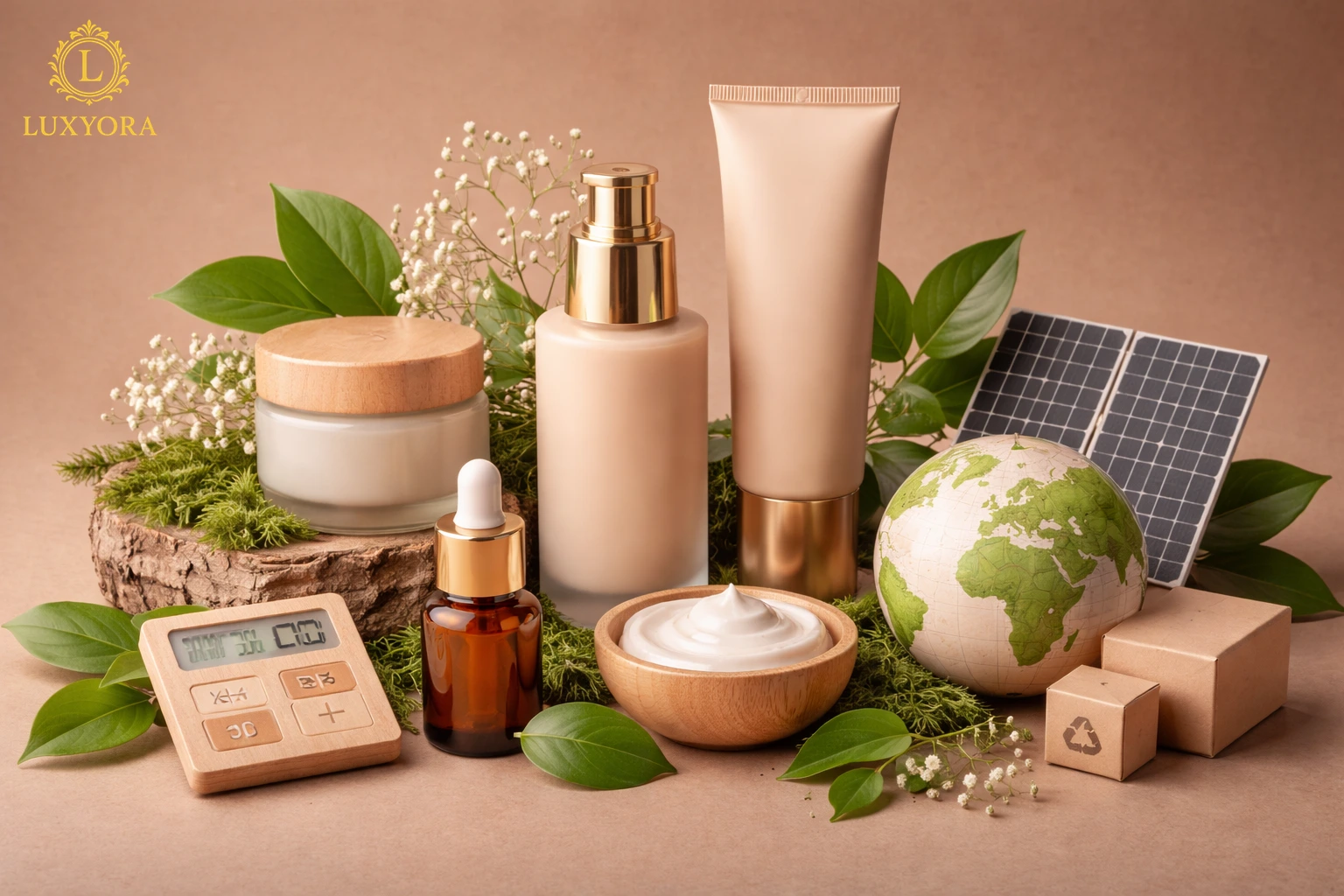
The beauty industry is experiencing a major transformation as consumers increasingly seek products that combine high performance, premium experiences, and environmental responsibility. This shift has given rise to a powerful concept known as Eco-Luxury. Once considered a niche movement, eco-luxury has become one of the most influential trends shaping the future of skincare, cosmetics, haircare, fragrances, and personal wellness products.
Modern consumers no longer view luxury solely through the lens of exclusivity, prestige, or expensive packaging. Instead, they are redefining luxury to include sustainability, ethical sourcing, transparency, and environmental stewardship. As a result, beauty brands are investing heavily in eco-conscious innovation while maintaining the premium quality and sophisticated experiences expected by luxury consumers.
This article explores the meaning of eco-luxury in the beauty industry, its key characteristics, benefits, challenges, market trends, practical examples, and how consumers can make informed purchasing decisions.
What Is Eco-Luxury in the Beauty Industry?
Eco-luxury refers to premium beauty products and experiences that combine luxury quality with sustainable and environmentally responsible practices. These products are designed to minimize environmental impact while delivering exceptional performance, aesthetics, and customer satisfaction.
Unlike traditional luxury beauty products that often prioritize exclusivity and elaborate packaging, eco-luxury beauty focuses on balancing sophistication with sustainability.
An eco-luxury beauty brand typically emphasizes:
- Sustainable ingredient sourcing
- Ethical supply chains
- Cruelty-free testing practices
- Environmentally friendly packaging
- Carbon footprint reduction
- Fair labor practices
- Product transparency
- Long-term environmental responsibility
The concept demonstrates that luxury and sustainability are no longer opposing ideas. Instead, they can work together to create premium beauty experiences that benefit both consumers and the planet.
Why Eco-Luxury Is Transforming the Beauty Industry
Several factors have contributed to the rapid growth of eco-luxury beauty.
Growing Consumer Awareness
Consumers today have unprecedented access to information regarding ingredient sourcing, environmental impact, and corporate ethics. Many beauty buyers actively research brands before making purchases and expect transparency regarding sustainability claims.
Social media platforms, sustainability reports, and environmental documentaries have increased awareness about issues such as plastic pollution, deforestation, biodiversity loss, and unethical sourcing practices.
Demand for Clean Beauty Products
The clean beauty movement has significantly influenced eco-luxury trends. Consumers increasingly seek products free from controversial ingredients while also expecting sustainable production methods.
Eco-luxury brands often combine clean formulations with premium botanical ingredients and advanced scientific innovation.
Climate Change Concerns
Climate change has become a central issue for consumers and businesses alike. Luxury beauty brands are responding by reducing emissions, adopting renewable energy sources, and implementing carbon reduction strategies.
Consumers often perceive brands that actively address environmental concerns as more trustworthy and future-focused.
Core Principles of Eco-Luxury Beauty
Sustainable Ingredient Sourcing
One of the most important aspects of eco-luxury beauty is responsible ingredient sourcing.
Brands may source ingredients through:
- Organic farming
- Regenerative agriculture
- Fair-trade partnerships
- Biodiversity protection initiatives
- Wild-harvesting programs with ecological safeguards
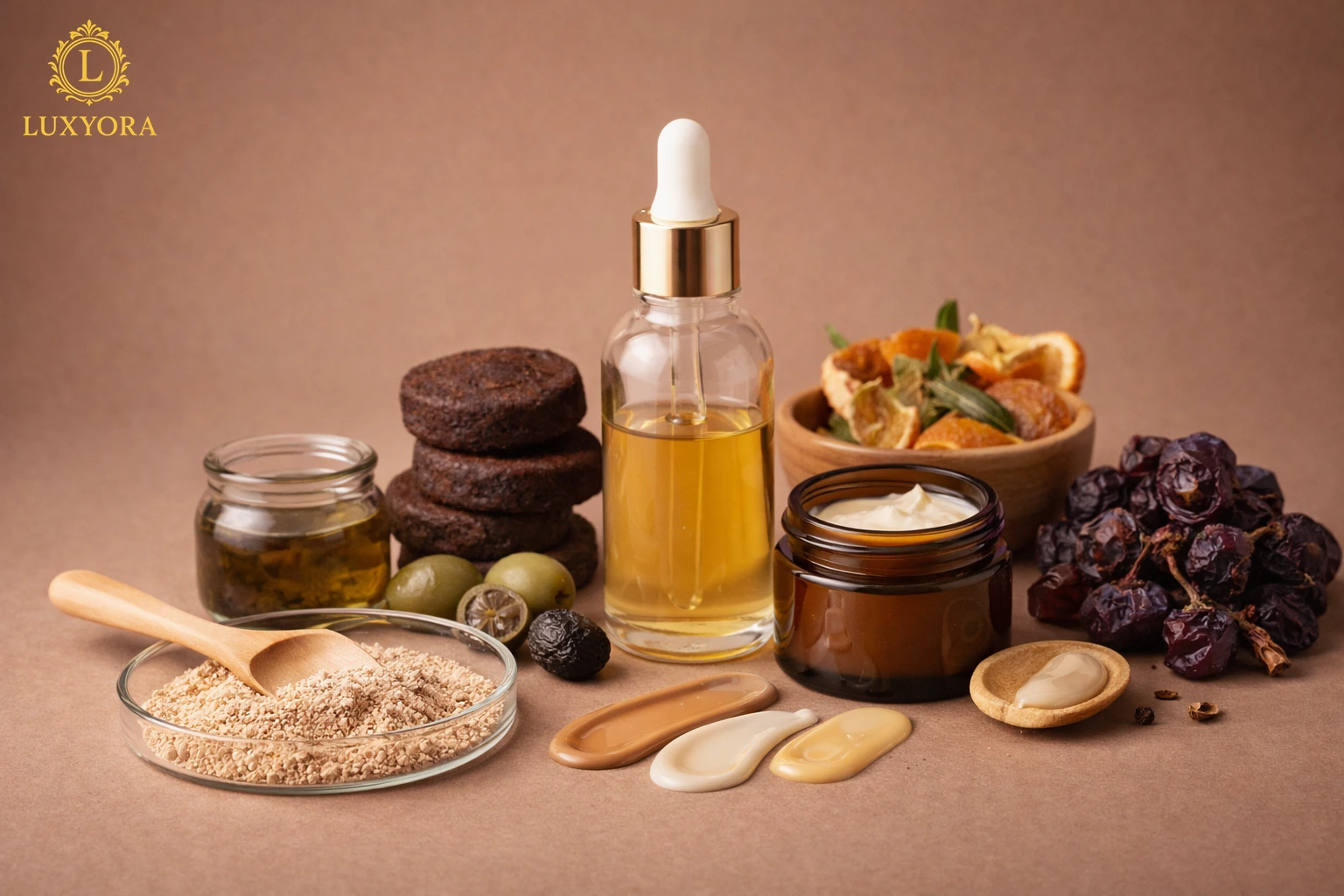
Premium botanical extracts, plant oils, algae-derived compounds, and sustainably cultivated active ingredients are frequently used in eco-luxury formulations.
Ethical Manufacturing
Eco-luxury brands often prioritize environmentally responsible manufacturing processes.
Examples include:
- Reduced water consumption
- Renewable energy usage
- Waste minimization systems
- Circular production models
- Responsible chemical management
These practices help lower environmental impact while maintaining high-quality standards.
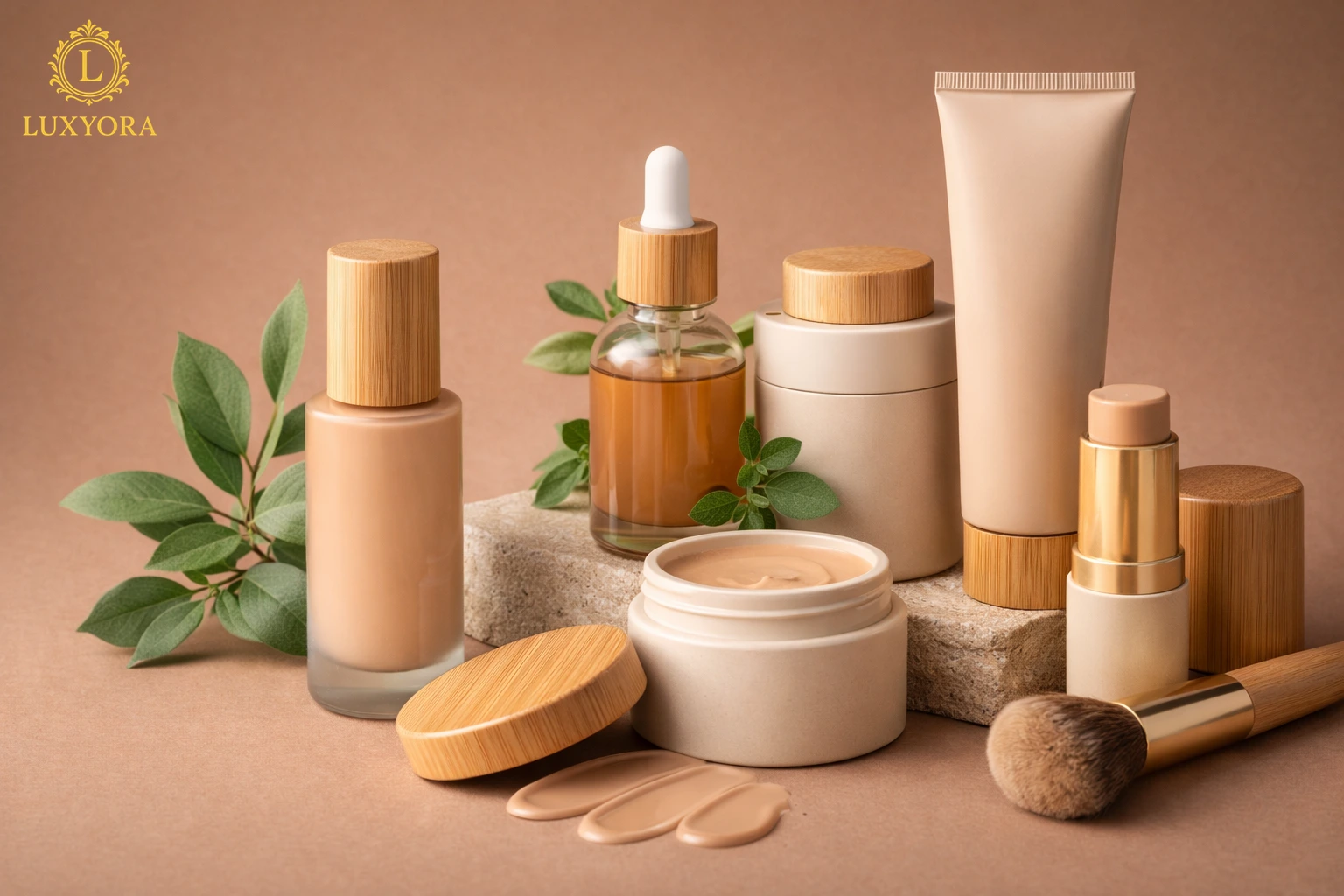
Sustainable Packaging
Packaging remains one of the most visible components of eco-luxury beauty.
Common sustainable packaging solutions include:
- Refillable containers
- Recycled glass bottles
- Post-consumer recycled plastics
- Biodegradable materials
- Compostable packaging
- Minimalist packaging designs
Many luxury brands are replacing excessive secondary packaging with elegant, sustainable alternatives.
Cruelty-Free and Vegan Standards
Eco-luxury beauty frequently aligns with cruelty-free and vegan principles.
Cruelty-free products avoid animal testing, while vegan formulations exclude animal-derived ingredients.
These ethical commitments resonate strongly with environmentally conscious consumers seeking responsible luxury purchases.
Key Benefits of Eco-Luxury Beauty Products
Enhanced Consumer Trust
Transparency and sustainability efforts help brands build stronger relationships with customers.
When consumers understand where ingredients come from and how products are manufactured, they are more likely to develop long-term brand loyalty.
Environmental Protection
Eco-luxury practices help reduce:
- Plastic waste
- Carbon emissions
- Water pollution
- Deforestation
- Biodiversity loss
While individual products may seem small, widespread adoption can generate significant environmental benefits.
Premium Product Quality
Many eco-luxury brands invest heavily in research and development.
Consumers often benefit from:
- High-quality ingredients
- Advanced formulations
- Superior textures
- Enhanced efficacy
- Improved sensory experiences
This ensures sustainability does not come at the expense of performance.
Long-Term Value
Refillable systems and concentrated formulations can reduce waste and provide better long-term value for consumers despite higher upfront costs.
Practical Examples of Eco-Luxury in Action
Scenario 1: Refillable Skincare Packaging
Imagine a consumer purchasing a premium facial serum housed in a durable glass container.
Instead of discarding the bottle after use, the consumer purchases a refill cartridge containing the product formula. This significantly reduces packaging waste while preserving the luxury experience.
Benefits include:
- Reduced environmental impact
- Lower packaging costs over time
- Continued premium aesthetics
Scenario 2: Sustainably Sourced Botanical Ingredients
A luxury skincare brand sources rare botanical extracts from regenerative farms that restore soil health and support local communities.
Consumers receive a high-performance product while contributing to positive environmental and social outcomes.
Scenario 3: Carbon-Neutral Beauty Products
A premium cosmetics company measures emissions across its supply chain and invests in verified carbon-reduction initiatives.
Consumers who prioritize sustainability may prefer such products because they align with their environmental values.
Eco-Luxury Trends Shaping the Future of Beauty
Refillable Beauty Systems
Refillable packaging is becoming a defining feature of eco-luxury beauty.
Luxury skincare, fragrance, and cosmetics brands increasingly offer refill options that reduce waste while maintaining premium packaging design.
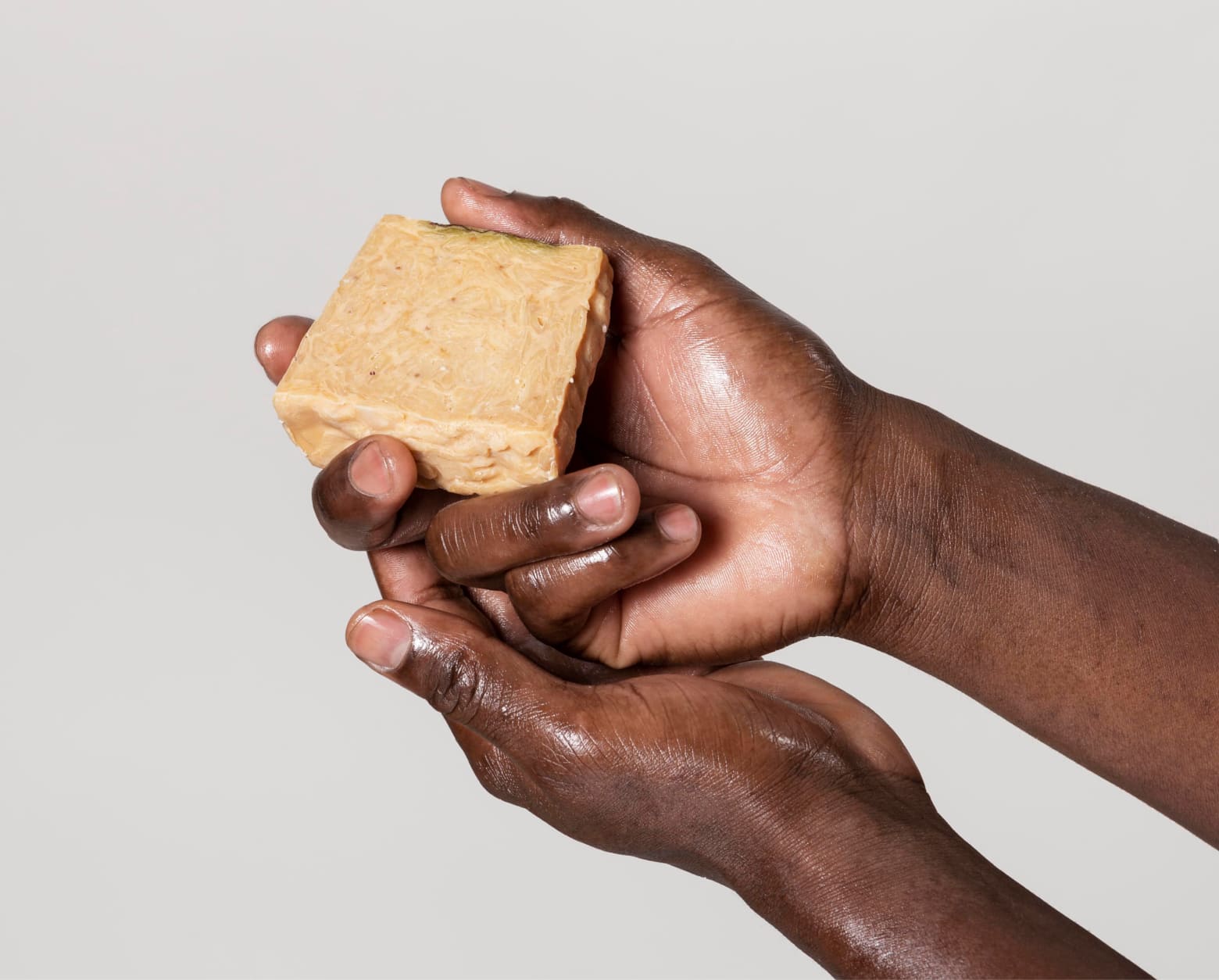
Waterless Beauty Products
Waterless beauty products are gaining popularity because they reduce transportation weight, packaging needs, and water consumption.
Examples include:
- Solid shampoos
- Powder cleansers
- Concentrated serums
- Beauty bars
These products support sustainability goals while offering convenience.
Biotechnology and Green Science
Biotechnology is revolutionizing sustainable beauty.
Scientists can now create highly effective ingredients through fermentation and bioengineering processes, thereby reducing pressure on natural ecosystems.
This allows luxury brands to produce rare active ingredients without overharvesting natural resources.
Circular Beauty Economy
The circular economy encourages reuse, recycling, and resource efficiency.
Future eco-luxury beauty initiatives may include:
- Product take-back programs
- Packaging recycling partnerships
- Refillable subscription systems
- Closed-loop manufacturing
These approaches help minimize waste throughout the product lifecycle.
Challenges Facing Eco-Luxury Beauty Brands
Despite its advantages, eco-luxury beauty faces several challenges.
Higher Production Costs
Sustainable sourcing, ethical manufacturing, and eco-friendly packaging often increase production expenses.
Brands must balance sustainability investments with profitability and consumer price expectations.
Greenwashing Concerns
Some companies exaggerate environmental claims without meaningful action.
Consumers increasingly scrutinize sustainability statements and seek third-party certifications and transparent reporting.
Authenticity is therefore essential for eco-luxury credibility.
Supply Chain Complexity
Maintaining sustainable supply chains requires extensive monitoring and verification.
Luxury brands must ensure suppliers consistently meet environmental and ethical standards.
Consumer Education
Many consumers remain unfamiliar with sustainability terminology and certifications.
Brands must invest in education to explain the value of eco-luxury practices and justify premium pricing.
How Consumers Can Identify Genuine Eco-Luxury Beauty Products
Consumers should evaluate multiple factors before purchasing eco-luxury products.
Look for:
- Transparent ingredient sourcing
- Sustainability reports
- Refillable packaging options
- Third-party certifications
- Cruelty-free verification
- Ethical supply chain information
- Carbon reduction commitments
It is also important to examine whether sustainability efforts extend beyond marketing claims into actual business practices.
The Business Value of Eco-Luxury
Eco-luxury offers significant advantages for beauty brands.
These include:
- Stronger customer loyalty
- Premium brand positioning
- Competitive differentiation
- Improved reputation
- Greater resilience against regulatory changes
- Enhanced investor interest
As sustainability becomes increasingly important to consumers, eco-luxury may evolve from a competitive advantage into an industry expectation.
The Future of Eco-Luxury Beauty
The future of eco-luxury beauty appears exceptionally promising.
Consumers are expected to continue demanding products that deliver both performance and sustainability. Advances in green chemistry, biotechnology, regenerative agriculture, and circular packaging systems will likely accelerate innovation across the industry.
Luxury beauty brands that successfully integrate environmental responsibility into every aspect of their operations will be better positioned to meet evolving consumer expectations and achieve long-term growth.
Rather than being a temporary trend, eco-luxury represents a fundamental shift in how beauty products are designed, manufactured, marketed, and consumed.
Conclusion
Eco-Luxury is redefining what it means to be a premium beauty brand in the modern era. Today’s consumers increasingly associate luxury not only with quality and exclusivity but also with sustainability, transparency, and ethical responsibility.
By embracing sustainable ingredient sourcing, eco-friendly packaging, ethical manufacturing, cruelty-free practices, and innovative technologies, beauty brands can create products that satisfy both consumer expectations and environmental needs.
As the beauty industry continues to evolve, eco-luxury will likely become one of the most important drivers of innovation, consumer trust, and long-term business success. Brands that genuinely commit to sustainable luxury will not only strengthen their market position but also contribute to a more responsible and resilient future for the global beauty industry.
References
Amberg, N., & Fogarassy, C. (2019). Green consumer behavior in the cosmetics market. Resources, 8(3), 137.
Brydges, T., & Hanlon, M. (2020). Garments, sustainability and eco-conscious consumerism. Fashion Practice, 12(2), 234–256.
Euromonitor International. (2023). Sustainable beauty and personal care: Global market insights. Euromonitor International.
Grand View Research. (2024). Sustainable cosmetics market size, share & trends analysis report. Grand View Research.
Kumar, V., Kapoor, S., & Singh, R. (2022). Sustainability practices and consumer behavior in the cosmetics industry. Journal of Cleaner Production, 350, 131460.
McKinsey & Company. (2023). The state of fashion and beauty sustainability report 2023. McKinsey & Company.
Niinimäki, K. (2020). Sustainable fashion in a circular economy. Aalto University Press.
Statista. (2024). Consumer attitudes toward sustainable beauty products worldwide. Statista Research Department.
United Nations Environment Programme. (2021). Sustainability and circular economy principles for consumer goods industries. UNEP.
WGSN. (2024). Future beauty trends: Sustainable luxury and circular innovation. WGSN Insights.
World Economic Forum. (2022). The future of sustainable consumption and production. World Economic Forum.