Eau de Parfum vs Eau de Toilette vs Cologne : Full Comparison Guide | Luxyora
Shopping for fragrance can feel like decoding a chic little secret language. The bottle looks gorgeous, the notes sound like a vacation romance (bergamot! cashmere woods!), and then bam, you’re faced with Eau de Parfum, Eau de Toilette, and Cologne like it’s an exam you forgot to study for.
Here’s the truth: these labels mostly tell you how concentrated the fragrance is (and therefore how it tends to perform), not whether the scent is “fancy,” “masculine,” or “strong enough.” Even in industry guidance notes, there isn’t a single universal definition, but there are typical concentration ranges used across ethanol-based fragrance products.
Let’s break it down: stylish, practical, and designed to help you buy the right bottle on purpose.
First: What These Terms Actually Mean
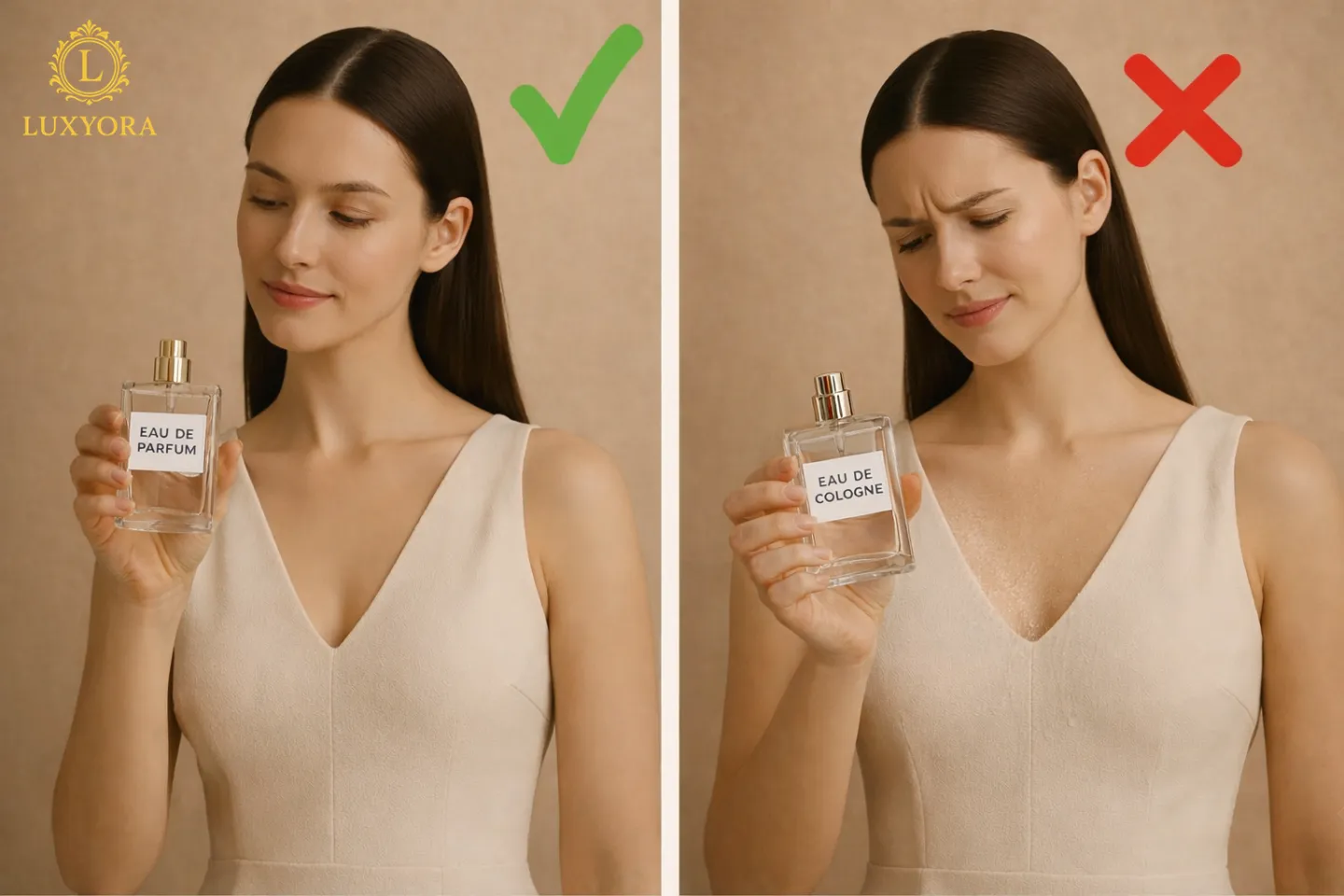
Eau de Parfum (EDP)
Think of Eau de Parfum as the “evening edition” of fragrance: richer, deeper, and usually longer-lasting because it contains a higher percentage of fragrance concentrate.
- Typical concentration range: about 10-20% (often ~15%)
- Typical vibe: fuller, warmer, more enveloping
- Why people love it: it tends to linger and develop beautifully over hours
Eau de Toilette (EDT)
Eau de Toilette is the effortless daily staple, lighter, breezier, and easy to reapply without turning the room into a perfume cloud.
- Typical concentration range: about 5-15% (often ~10%)
- Typical vibe: fresher, airier, more casual
- Why people love it: it’s often versatile for daytime, office, errands, and travel
Eau de Cologne (EDC) / “Cologne”
Historically, Eau de Cologne originated as a fresh, citrus-style fragrance associated with Cologne, Germany. Still, in modern everyday talk (especially in the U.S.), “cologne” is often used loosely to mean “men’s fragrance.” The technical Eau de Cologne category typically sits at a lower concentration.
- Typical concentration range: about 3-8% (often ~5%)
- Typical vibe: crisp, refreshing, quick lift
- Why people love it: light, easy, and great for warm weather or post-shower freshness
The Main Differences That Actually Matter
1. Longevity
In general, more concentration can mean longer wear, though ingredients, formula, and skin chemistry matter a lot. The difference between EDP and EDT often comes down to oil concentration. Higher concentrations usually mean longer-lasting performance, making EDP a better choice when you want hours of wear without reapplying.
A practical expectation (not a promise):
- EDP: often “all day” energy for many wearers
- EDT: often “half-day” energy with an easy top-up
- EDC: often shorter, more refreshing bursts
2. Projection(how far it travels)
● EDP tends to feel more present (the “close but noticeable” aura).
● EDT usually projects softly polished, not pushy.
● EDC is often intimate and fleeting.
If you want compliments from across the room, you’re usually looking at stronger concentration + bolder materials. If you want “smells expensive when someone hugs you,” EDT and EDC can be perfect
3. Price
Concentration often nudges price upward, but it’s not the only factor (brand positioning, packaging, raw materials, and marketing all play roles). Still, EDP is commonly pricier per milliliter than EDT, with EDC often sitting on the more affordable side.
4. Sensory “Feel”
EDP often feels richer and smoother on the skin, while EDT tends to come across as lighter and fresher.
That’s why EDP often shines at night and in cooler weather, while EDT/EDC can feel clean and crisp in heat.
When to Choose What: a Chic Cheat Sheet
Choose Eau de Parfum if…
- You want longer wear and a stronger signature presence
- You’re buying for date nights, events, dinners, winter, or “main character” moments
- You love base notes, woods, amber, vanilla, and resins that bloom over time
Choose Eau de Toilette if…
- You want an everyday scent you can reapply easily
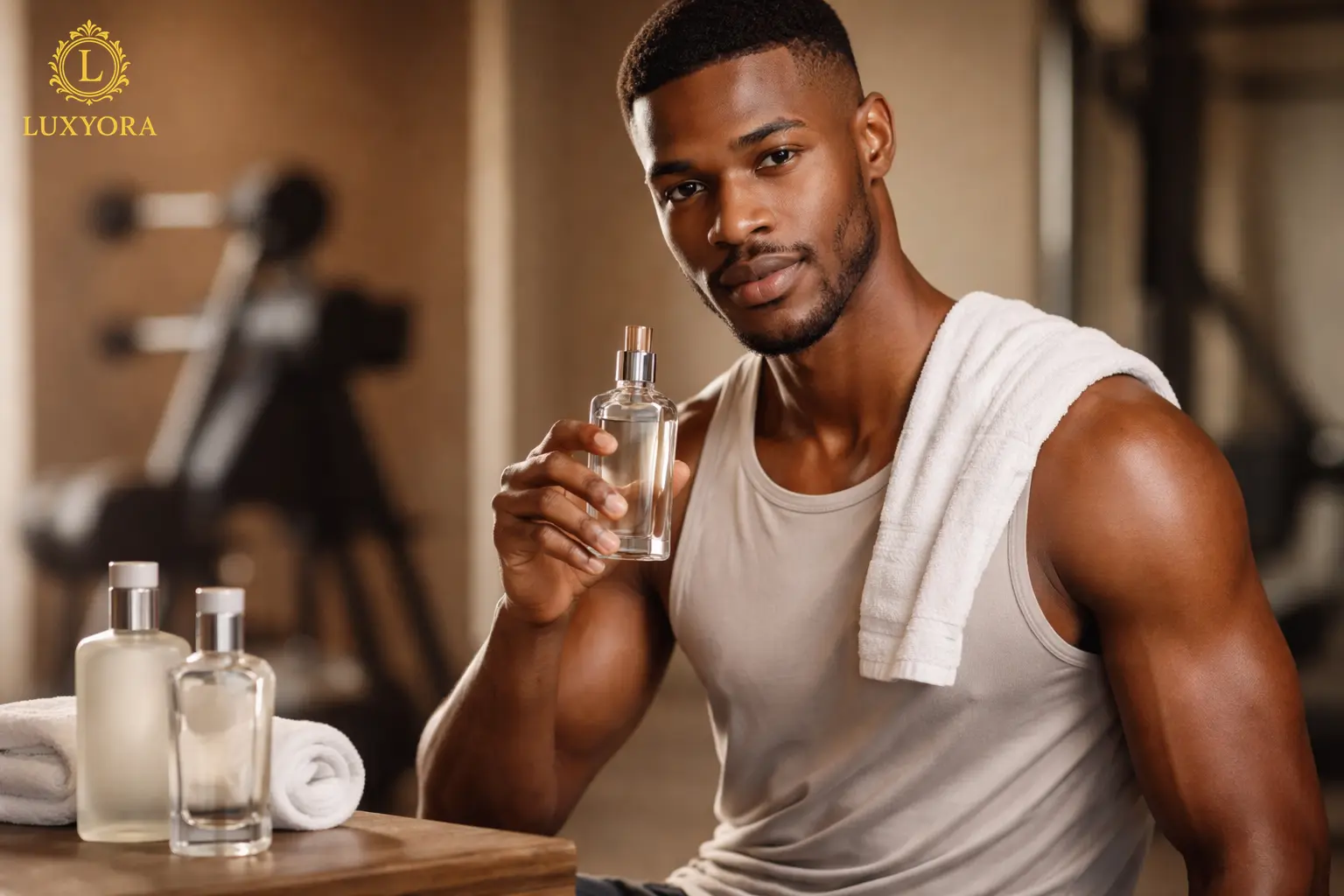
- You prefer a lighter aura for office, daytime, gym-to-dinner transitions
- You enjoy brighter openings (citrus, aromatic, fresh florals)
While comparing Eau de Parfum, Eau de Toilette, and Cologne offers a broader perspective on fragrance concentrations, the nuances between the two most popular formats deserve a closer look. Discover the finer details in The Ultimate Guide to Understanding Eau de Parfum vs Eau de Toilette.
Choose Eau de Cologne if…
- You want something light, refreshing, and low-commitment
- You live in hot weather or want a “post-shower clean” vibe
- You like the idea of fragrance as a quick mood lift, not a full-day fragrance outfit
The Biggest Myth: “EDP is Always Stronger than EDT”
Not always. Here’s why:
- Formula matters: A light, airy EDP can wear more softly than a bold EDT.
- Materials matter: Some notes naturally project (certain musks, aromatics) while others sit closer.
- Your skin matters: hydration, temperature, and natural oils influence wear.
Industry guidance itself says the boundaries aren’t universally fixed; only typical ranges exist.
So yes, concentration is helpful, but it’s not the whole story.
How to test like a pro (and buy the right one the first time)
- Test on skin (not only paper).
- Smell it in chapters:
- 0-10 minutes: opening (top notes)
- 30-90 minutes: heart
- 3-6 hours: dry-down (base)
- Decide your goal: longevity, subtlety, or flexibility.
- If you love it at hour 4, you’re winning.
- And a bonus: if you’re sensitive to strong scent, EDT or EDC can be the more wearable choice, lighter, easier, and often less intense in a shared space.
Luxyora Philosophy: Luxury is knowing your rhythm. Choose the concentration that matches your life, and let your scent feel intentional, not accidental.
References:
- International Fragrance Association. (n.d.). Using the IFRA Standards (fragrance concentration ranges for product types). Retrieved December 21, 2025. IFRA
- Miglot Parfums. (2024). The difference between Eau de Cologne, Eau de Toilette and Eau de Parfum. miglot.com
- Vogue. (2024). What’s the difference between eau de toilette vs eau de parfum? Vogue
- Vogue. (2025). The best long-lasting perfumes you can smell all day (discussion of concentration and longevity). Vogue
- The Perfume Shop. (2021). What’s the difference between parfum and eau de parfum? (EDT concentration and wear-time overview). The Perfume Shop