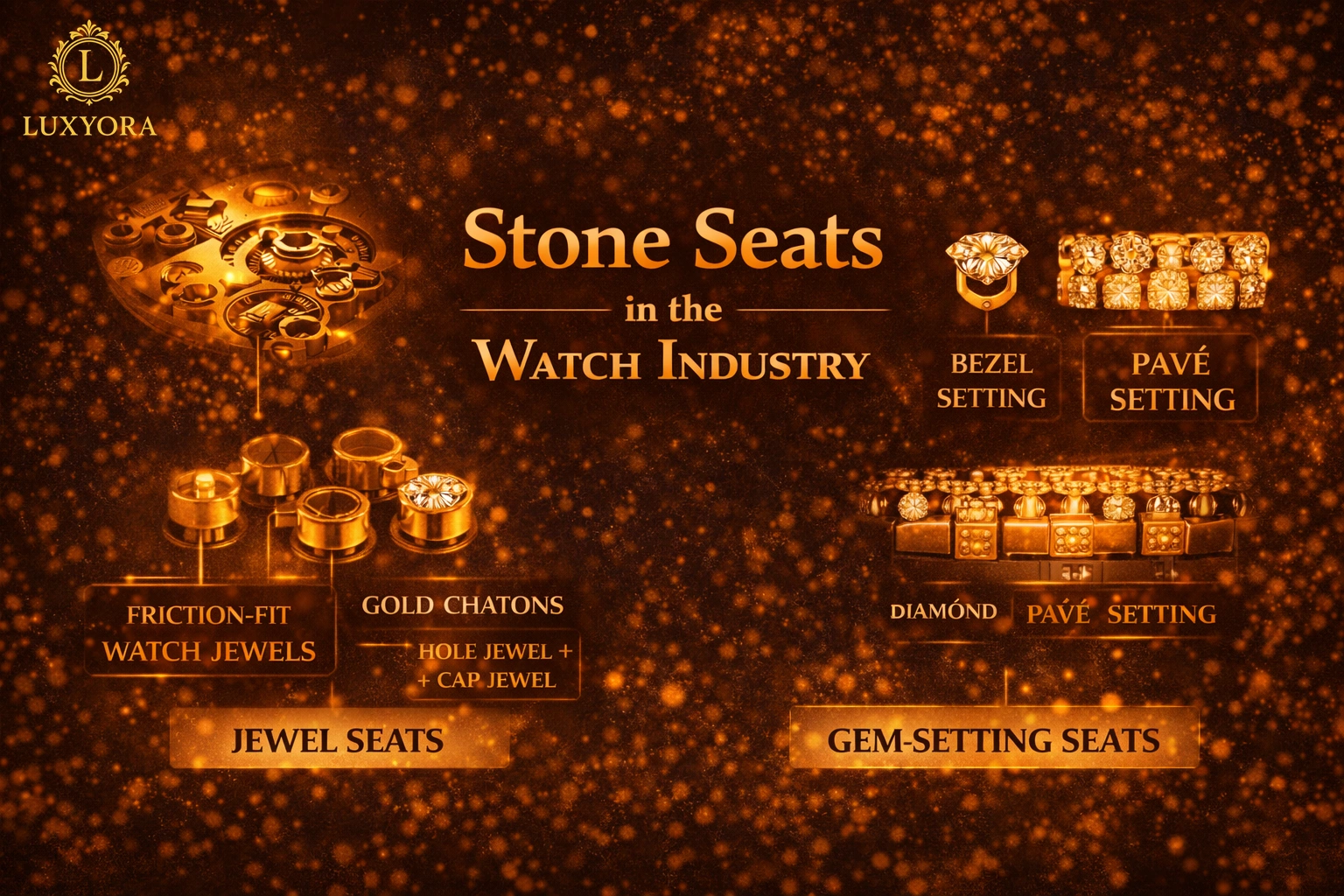
In the watch industry, the term stone seats is used in two closely related but distinct ways:
Movement stone seats (jewel seats): the precisely machined
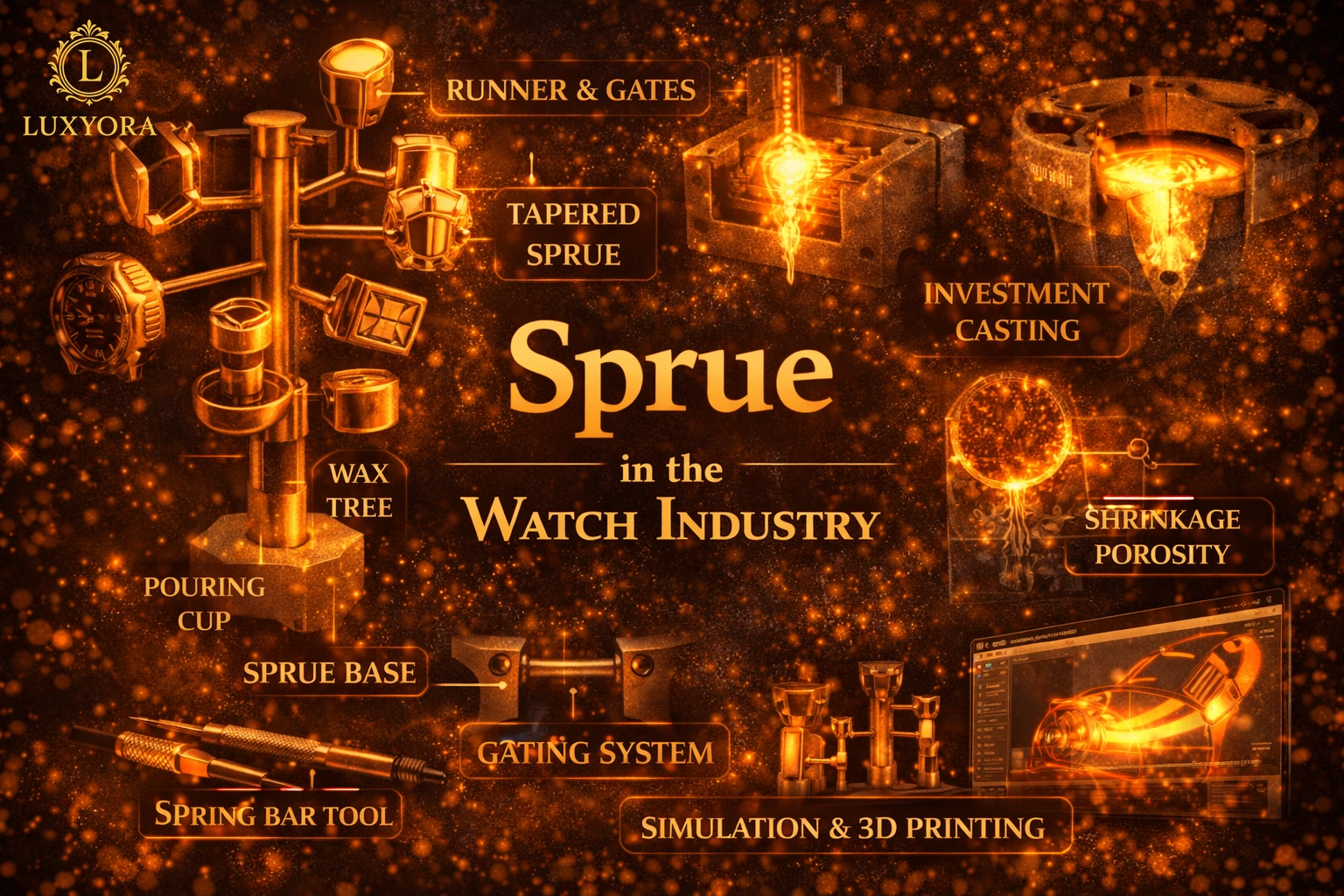
In manufacturing, especially investment casting (lost-wax casting), a sprue is the main channel that carries molten metal from the pouring entry point into a
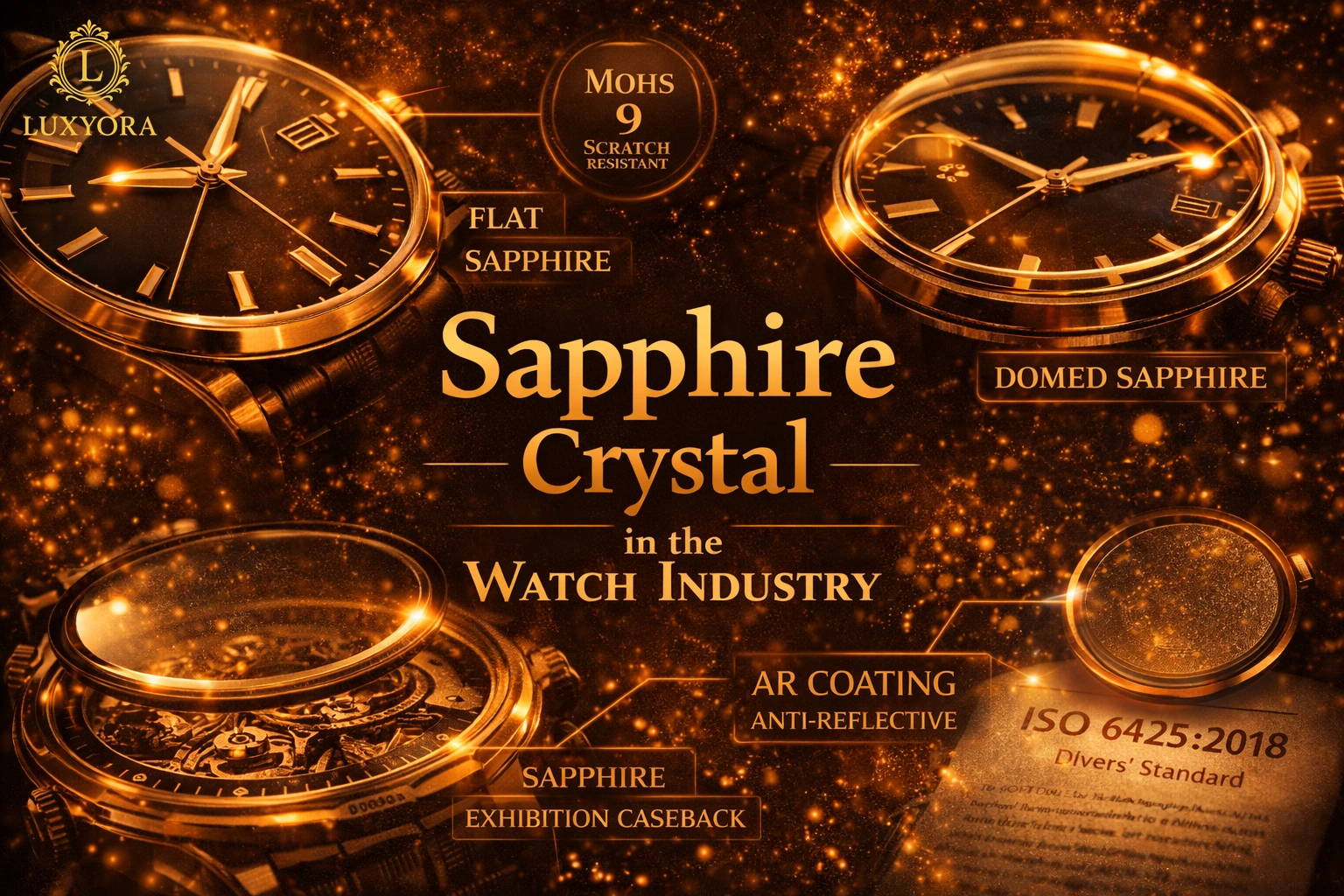
In watchmaking, a sapphire crystal is the transparent cover over the dial (and sometimes the caseback) made from synthetic sapphire, a lab-grown form of
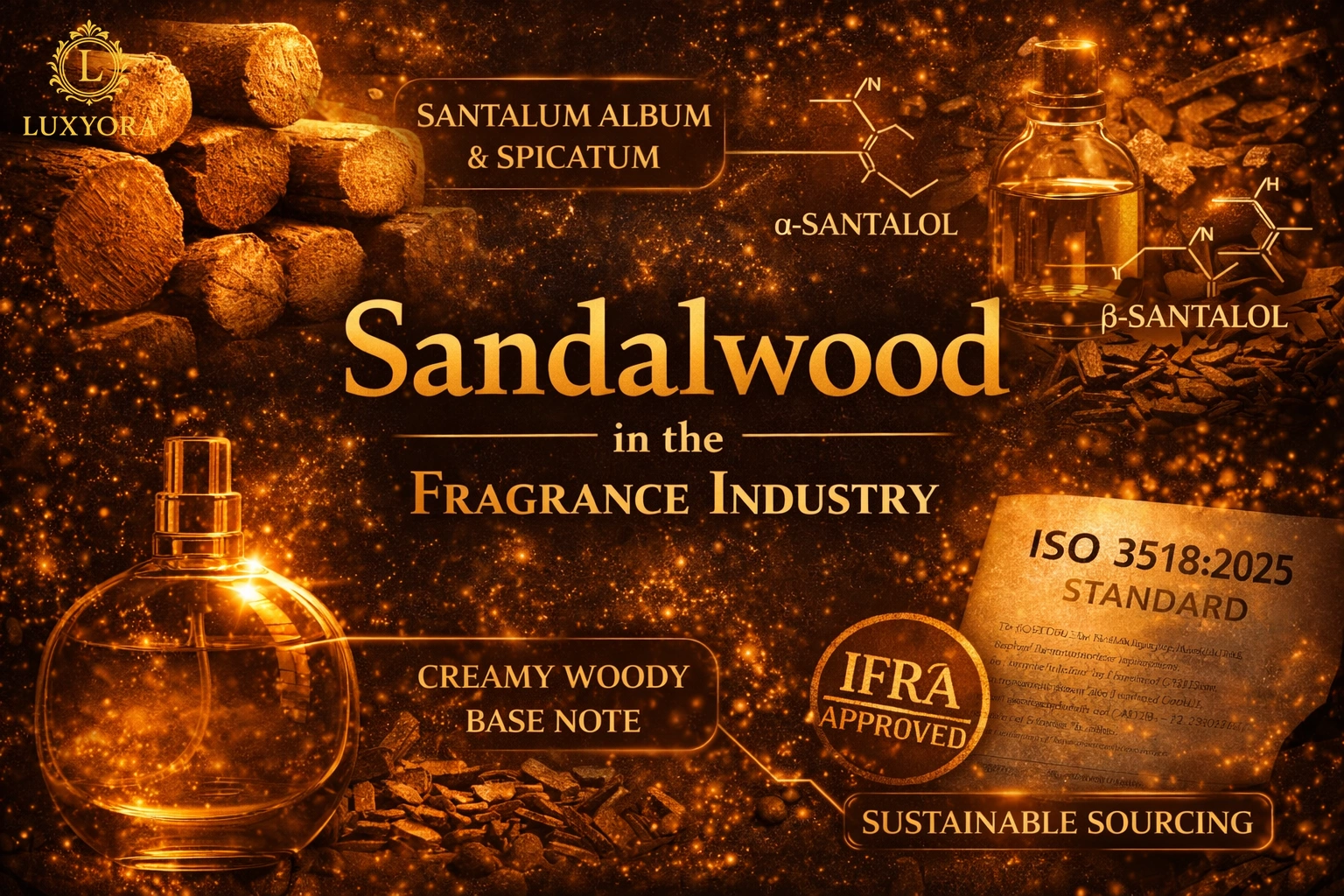
In the fragrance industry, sandalwood refers to an olfactory family and raw-material tradition centered on the warm, smooth scent of the genus Santalum, most
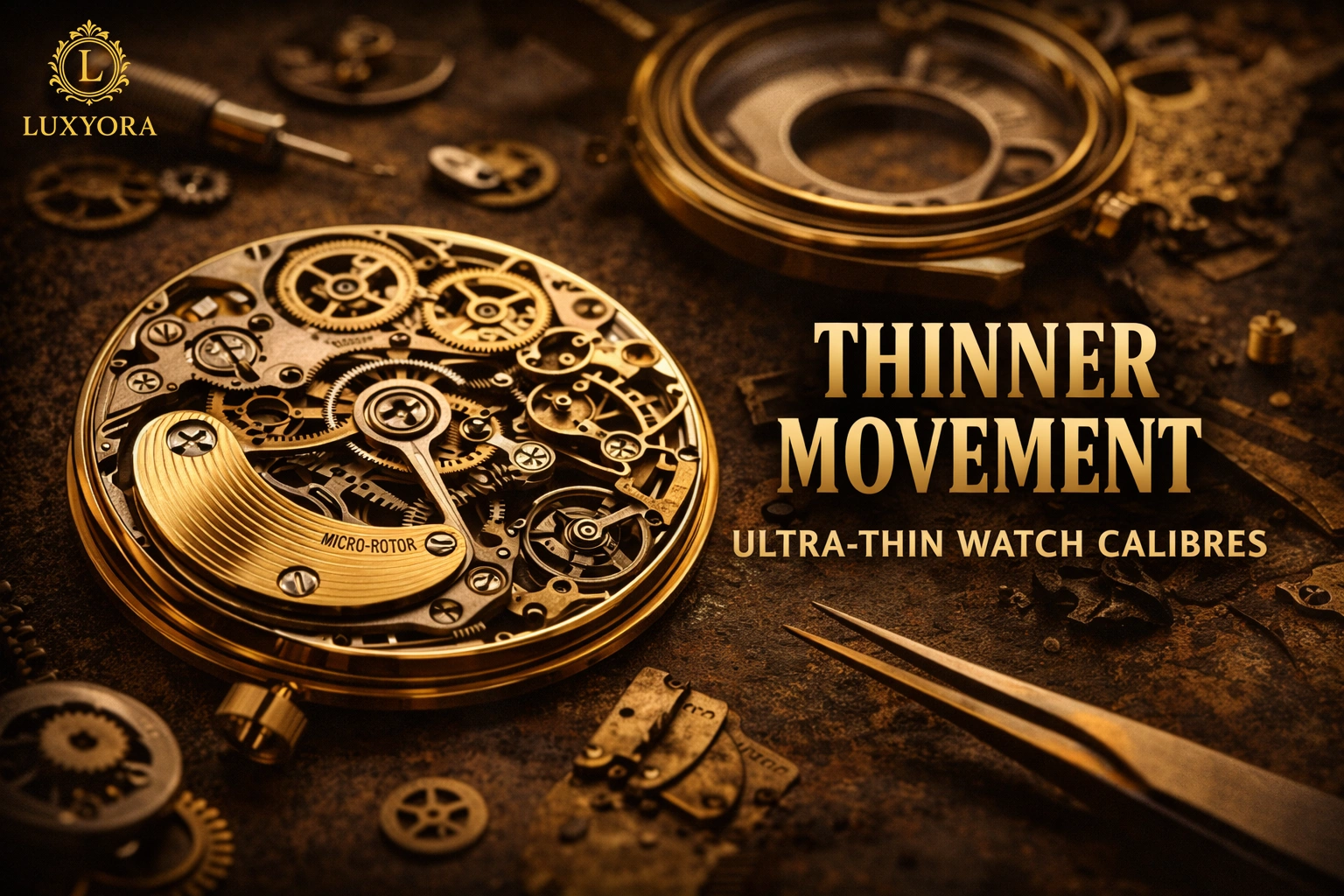
In watchmaking, “thinner movement” refers to a mechanical watch calibre engineered with reduced height (thickness) compared with conventional movements, often to enable ultra-thin watches
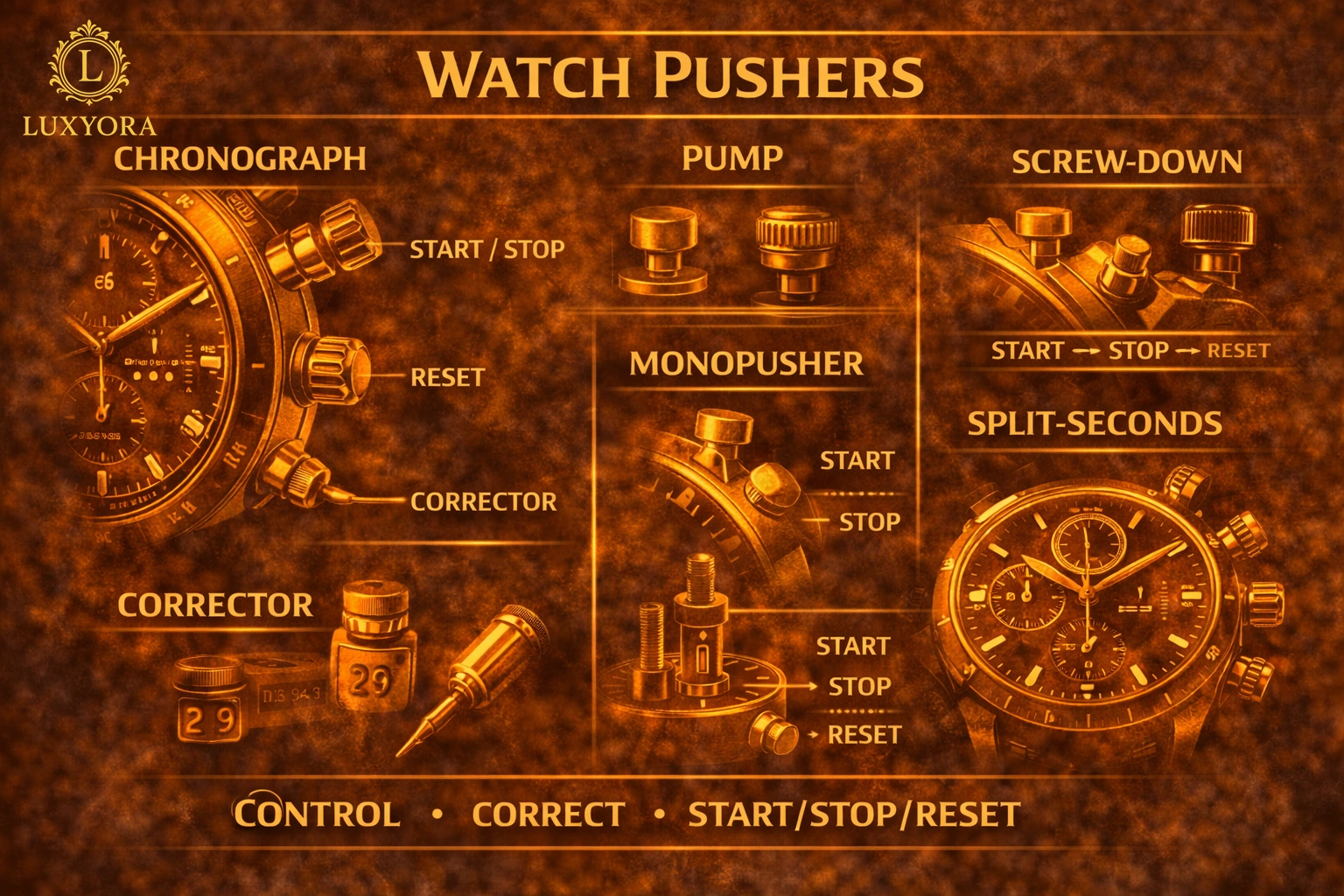
In the watch industry, pushers are the button-like actuators on a watch case that let the wearer trigger a function, most famously the start/stop/reset
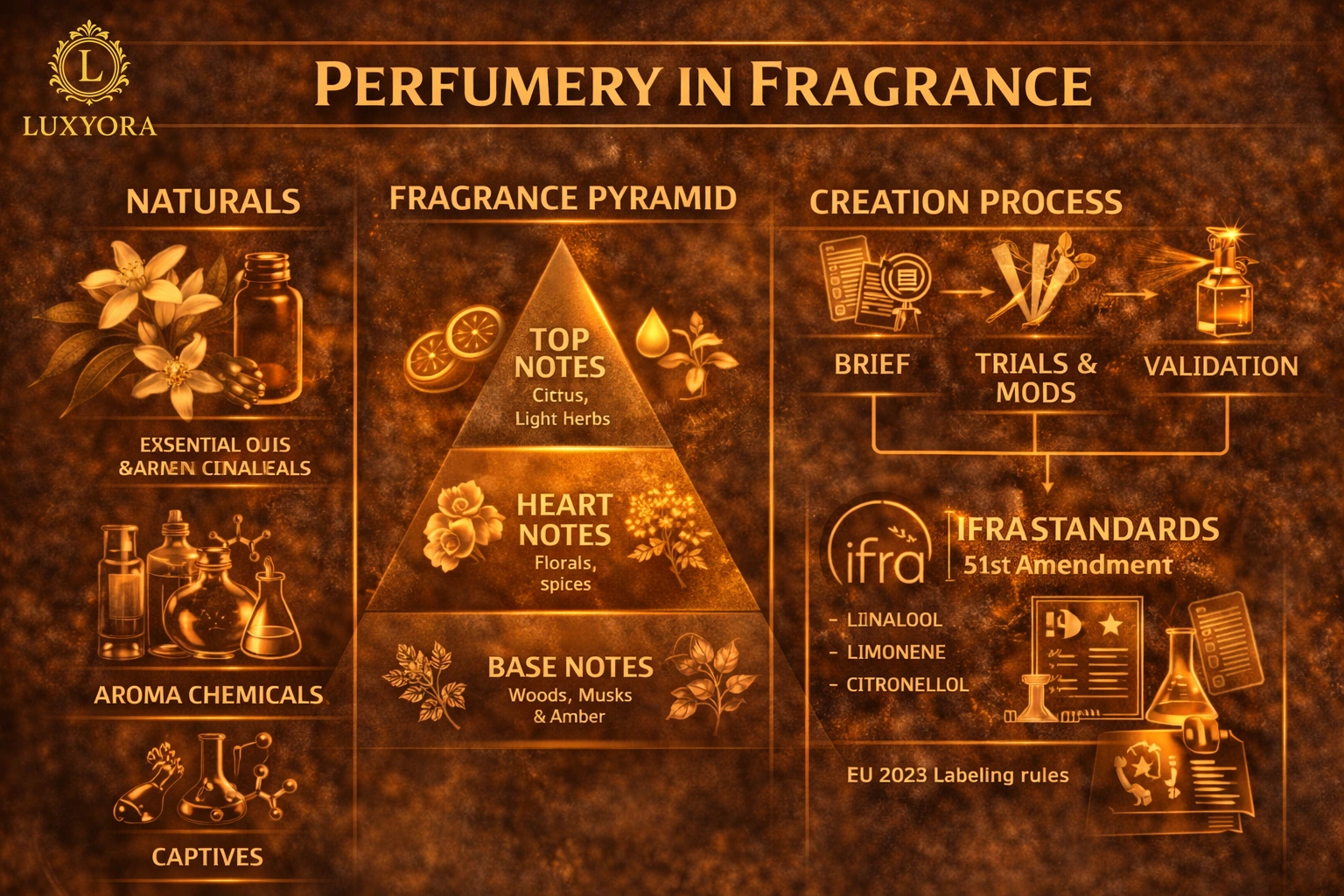
Perfumery is the discipline of designing and producing fragrances, everything from fine perfume (eau de parfum, extrait) to scented personal care (body wash, shampoo,
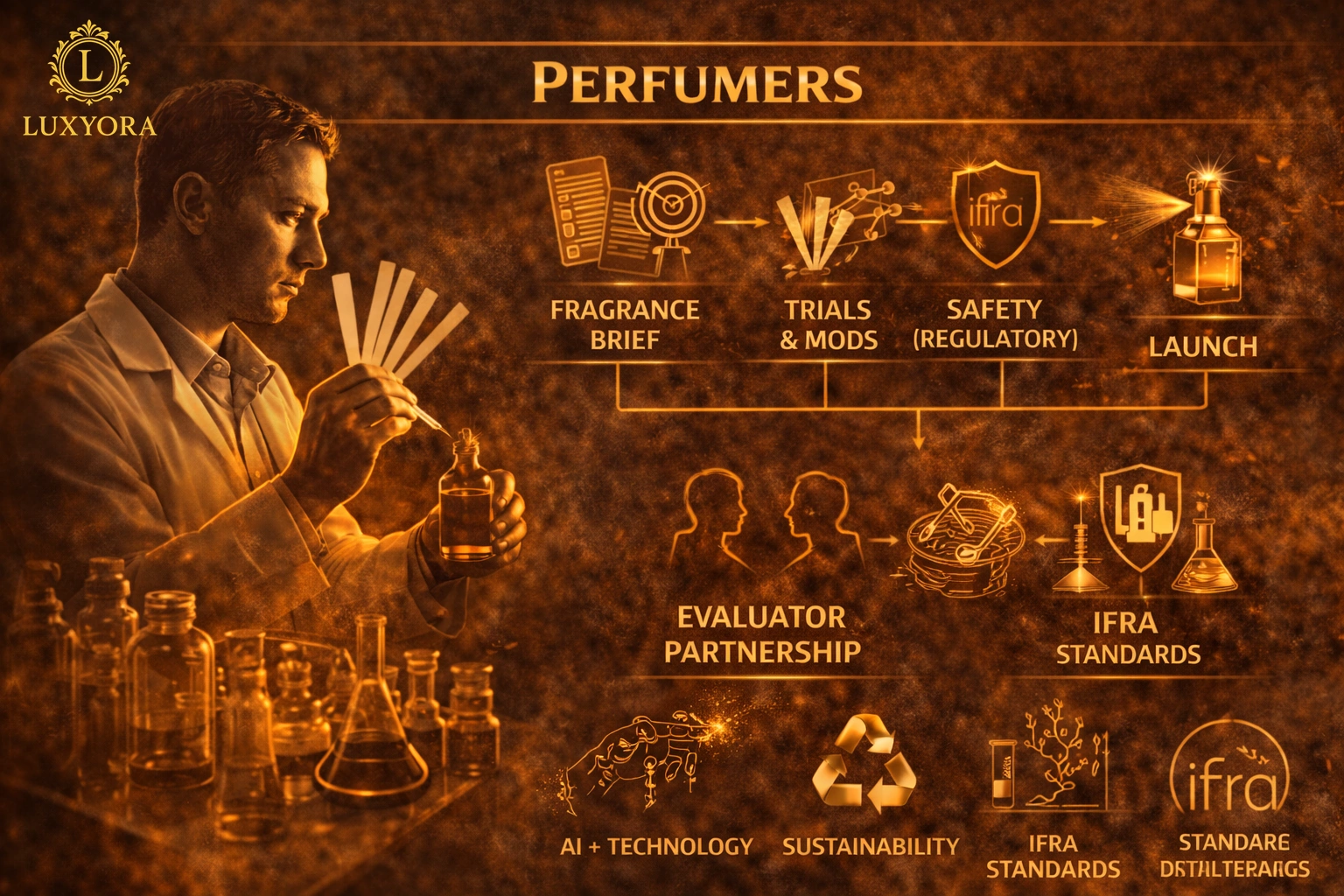
In the fragrance and beauty industry, perfumers (often called “noses”) are the specialists who design fragrance formulas blending natural extracts and aroma chemicals into
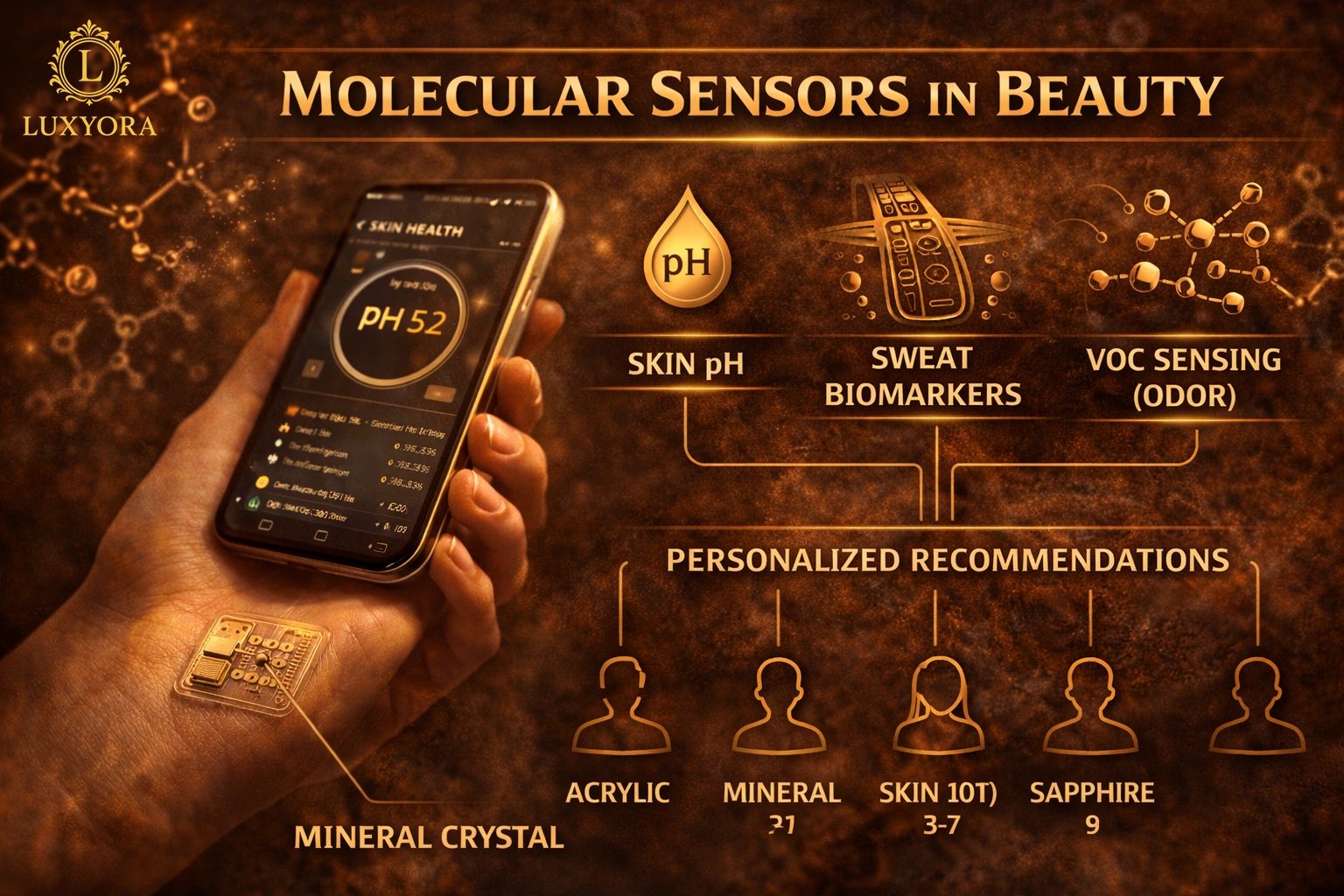
The beauty industry is rapidly shifting from “one-size-fits-all” products to data-driven personalization, with molecular sensors as a key enabler. In the context of beauty
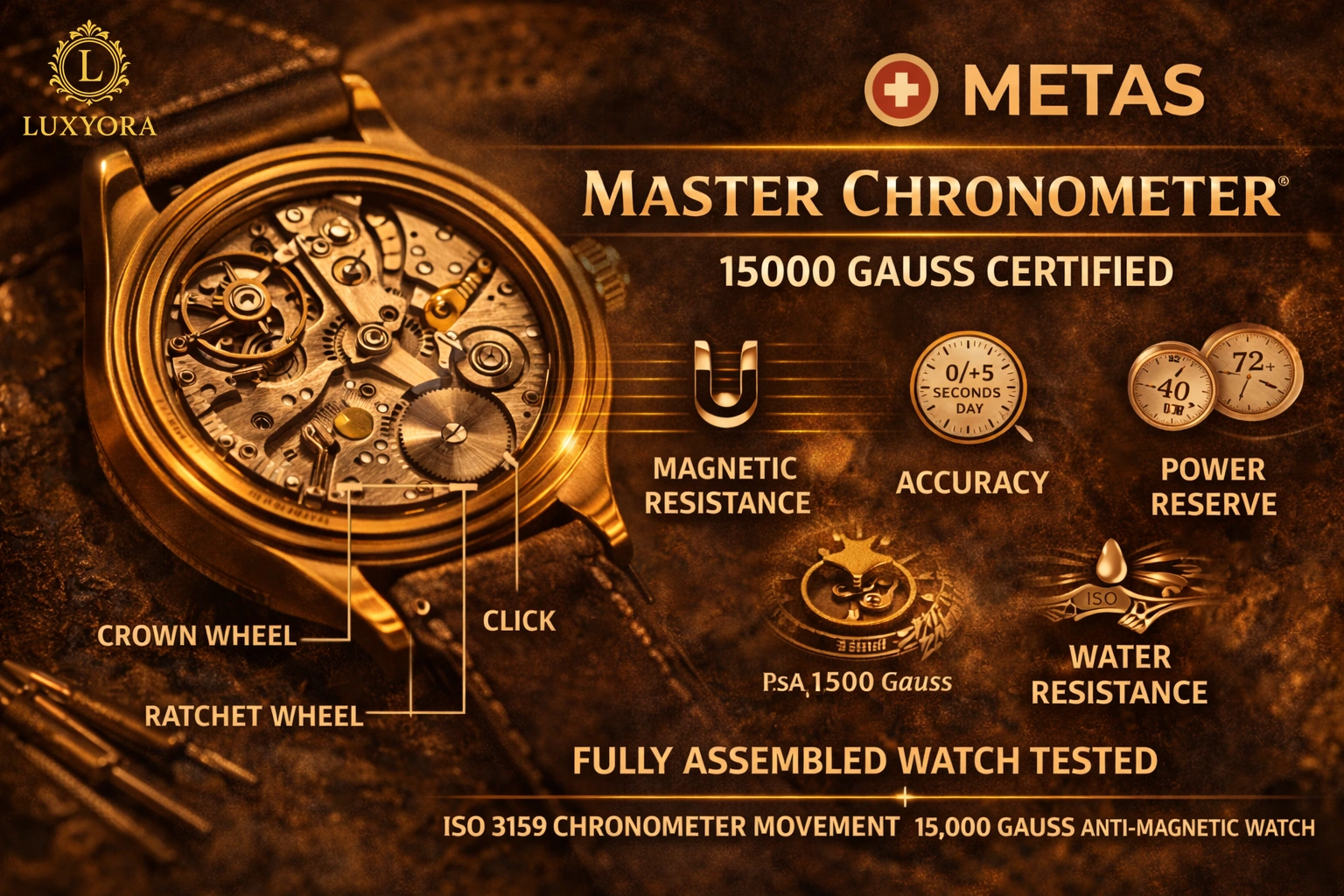
In today’s watch industry, METAS “Master Chronometer” is one of the most widely discussed quality designations because it goes beyond traditional chronometer testing and
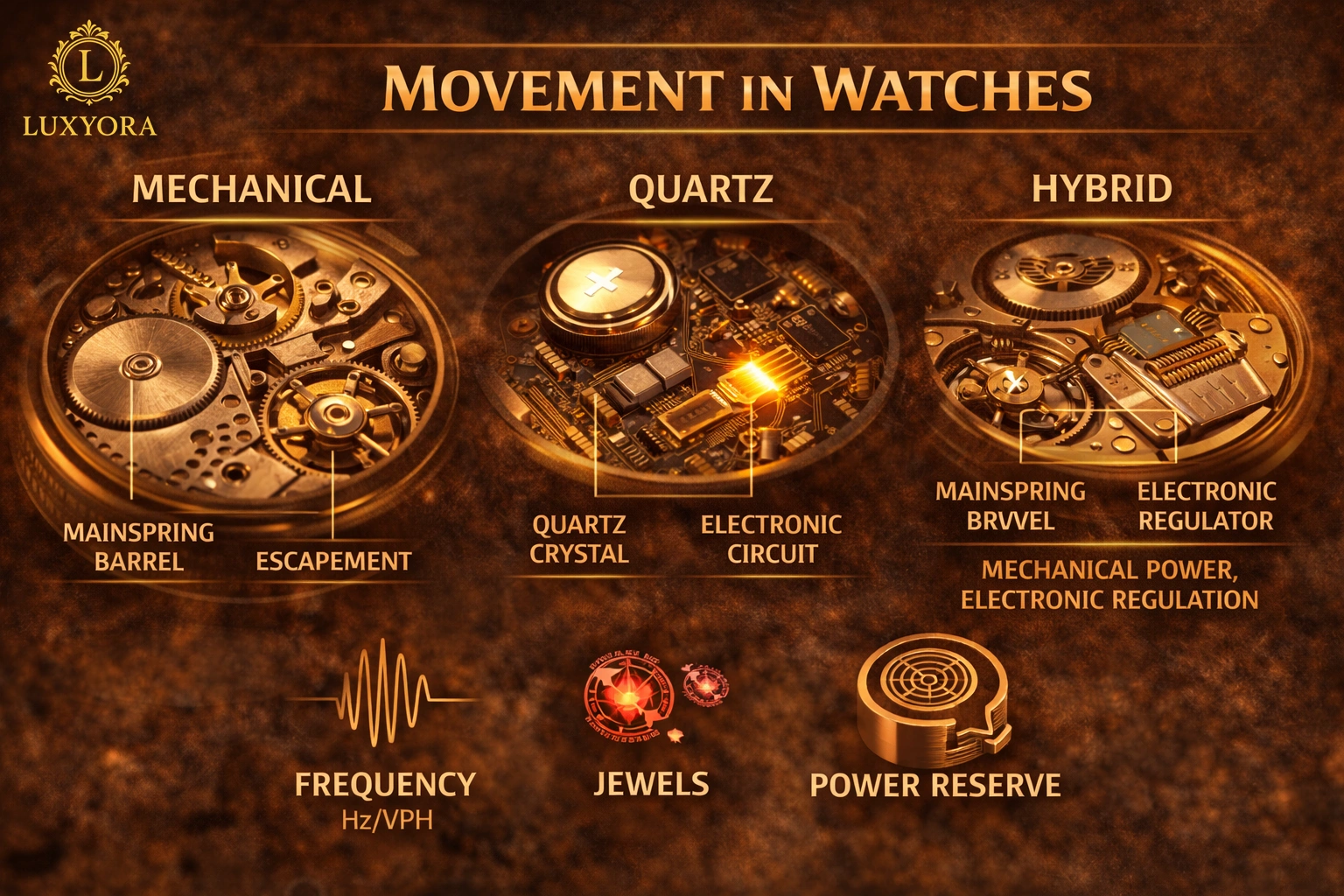
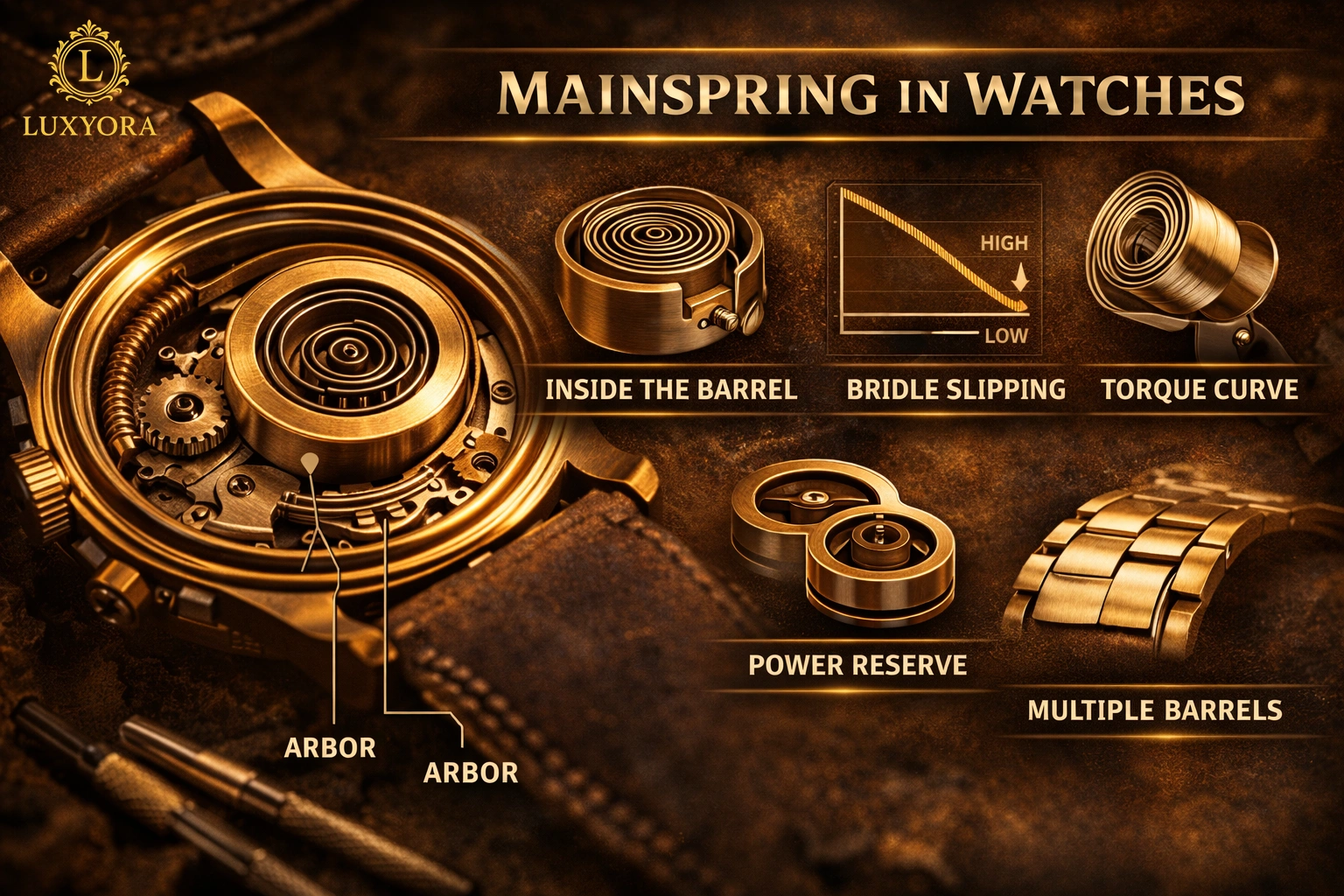
In mechanical horology, the mainspring is the heart of a watch’s energy system, the component that stores and releases the power that ultimately drives