Investment Piece : What is Investment Piece | Luxyora
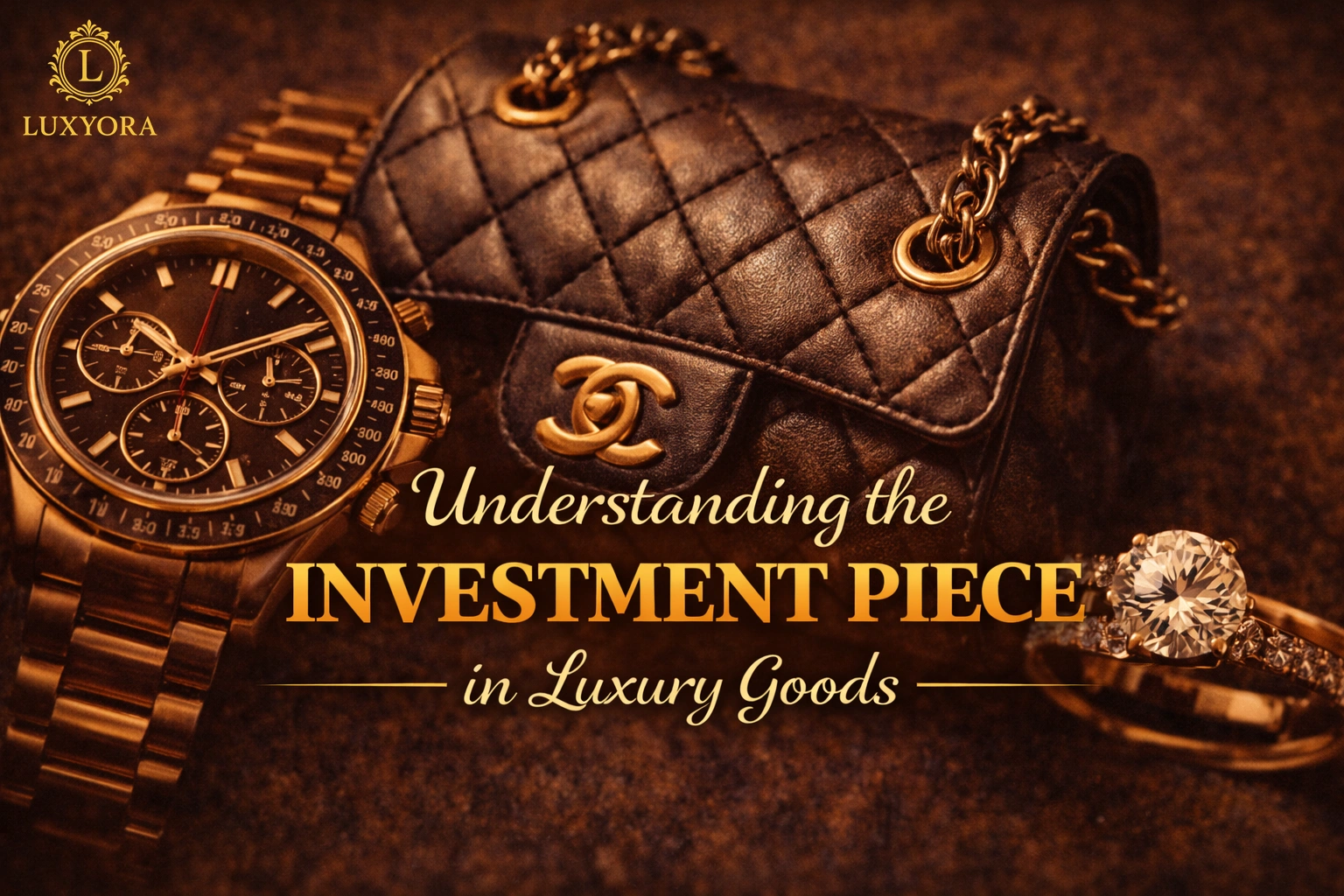
In the style and luxury industries, an investment piece is a product, most often fashion, jewelry, watches, handbags, or premium beauty tools, that justifies a higher upfront cost because it delivers long-term value. That value can be practical (durability and frequent wear), aesthetic (timeless design), or financial (resale value), but the best definition is broader: an investment piece should keep paying you back through years of use, confidence, versatility, and, in some categories, meaningful value retention.
It’s important to clarify a common misunderstanding: most “investment pieces” are not guaranteed financial investments in the same way stocks, bonds, or real estate are. Even when resale value is strong, luxury goods are subject to fees, authentication risk, condition sensitivity, and illiquidity. Investopedia’s coverage of “investing” in Hermès Birkin bags notes that while certain iconic pieces can outperform in specific periods, this is risky, style-dependent, and not a substitute for traditional investing.
A more accurate way to think about the term is:
Investment piece = long-term value per use + enduring relevance + quality that reduces replacement
(with resale potential as a bonus, not a promise).
1) Why the Term Matters: Luxury, Circularity, and Resale Culture
The idea of investment pieces has grown alongside:
- Rising luxury prices,
- Increased interest in sustainability and circular fashion, and
- The mainstreaming of secondhand luxury platforms.
Bain’s analysis of the luxury industry shows that the broader market is evolving, with consumers reassessing value and brands adapting to new realities. At the same time, research and reporting consistently note that the secondary (resale) luxury market has become a major force shaping consumer behavior and brand strategy.
This environment encourages shoppers to buy fewer, better items that last, stay relevant, and may retain value.
2) Two Meanings of “Investment Piece” (You’ll Hear Both)
A. The “Wardrobe investment” meaning
This is the most common usage in fashion and beauty content: a piece is an investment because it is:
- worn often
- high quality
- versatile and timeless
- durable enough to reduce replacement
A practical tool often used here is the cost per wear (CPW), calculated as price divided by the number of wears, which shifts attention from price to long-term utility.
B. The “Resale investment” meaning
This is common for handbags, watches, fine jewelry, and limited sneakers/streetwear. The piece is framed as an investment because it may:
- hold value,
- appreciate due to scarcity,
- or remain in demand on the resale market.
However, resale-driven “investment” should be treated cautiously. The resale market can be strong, but outcomes vary widely by brand, reference, condition, and timing.
3) What Qualifies as a True Investment Piece: The Core Criteria
1) Timeless design and repeat usability
An investment piece works across seasons and outfits. “One-occasion” items rarely qualify unless they are heirloom-level or culturally iconic.
2) Quality of materials and construction
Look for signals like:
- strong stitching and seam integrity (fashion)
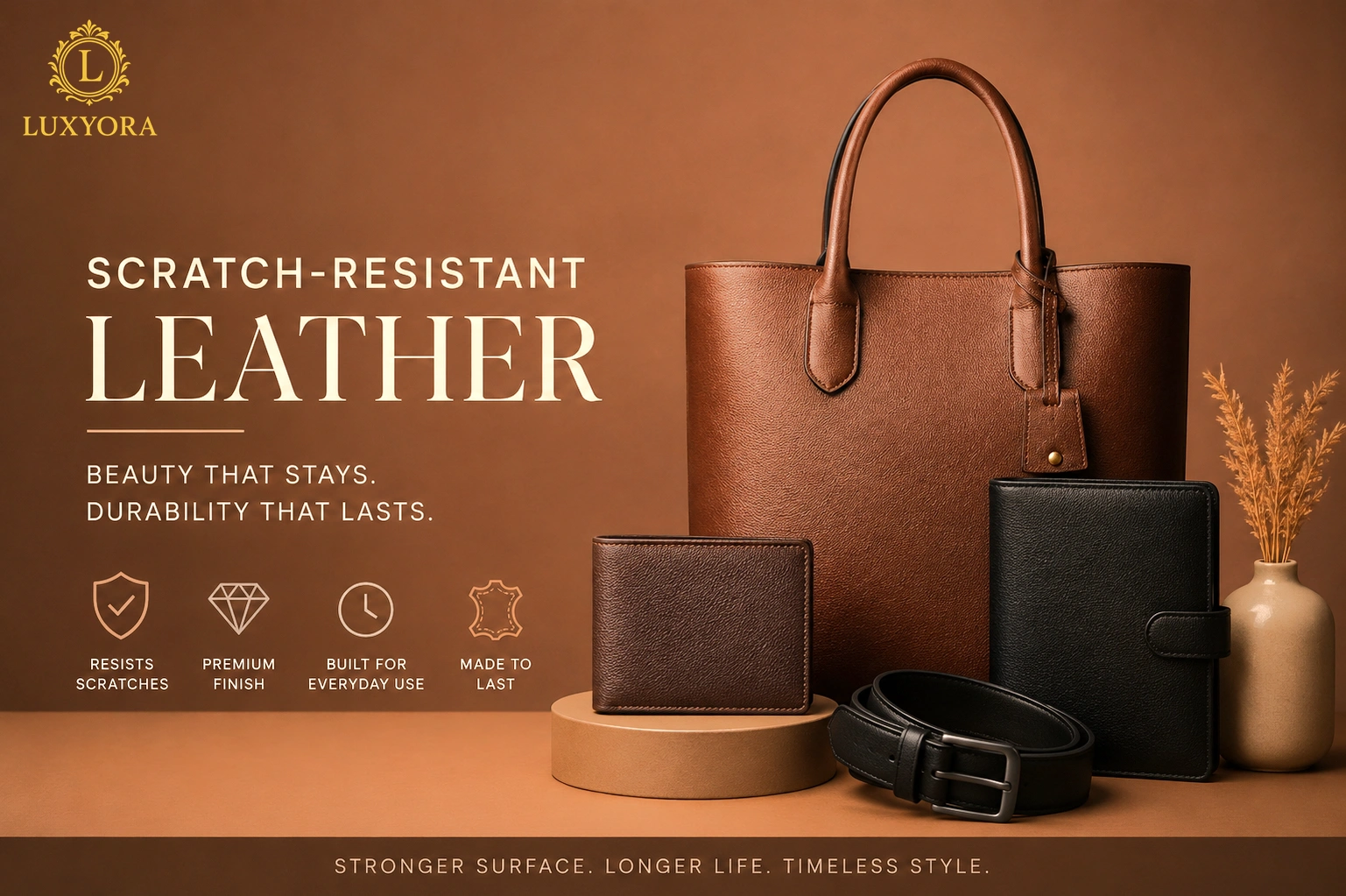
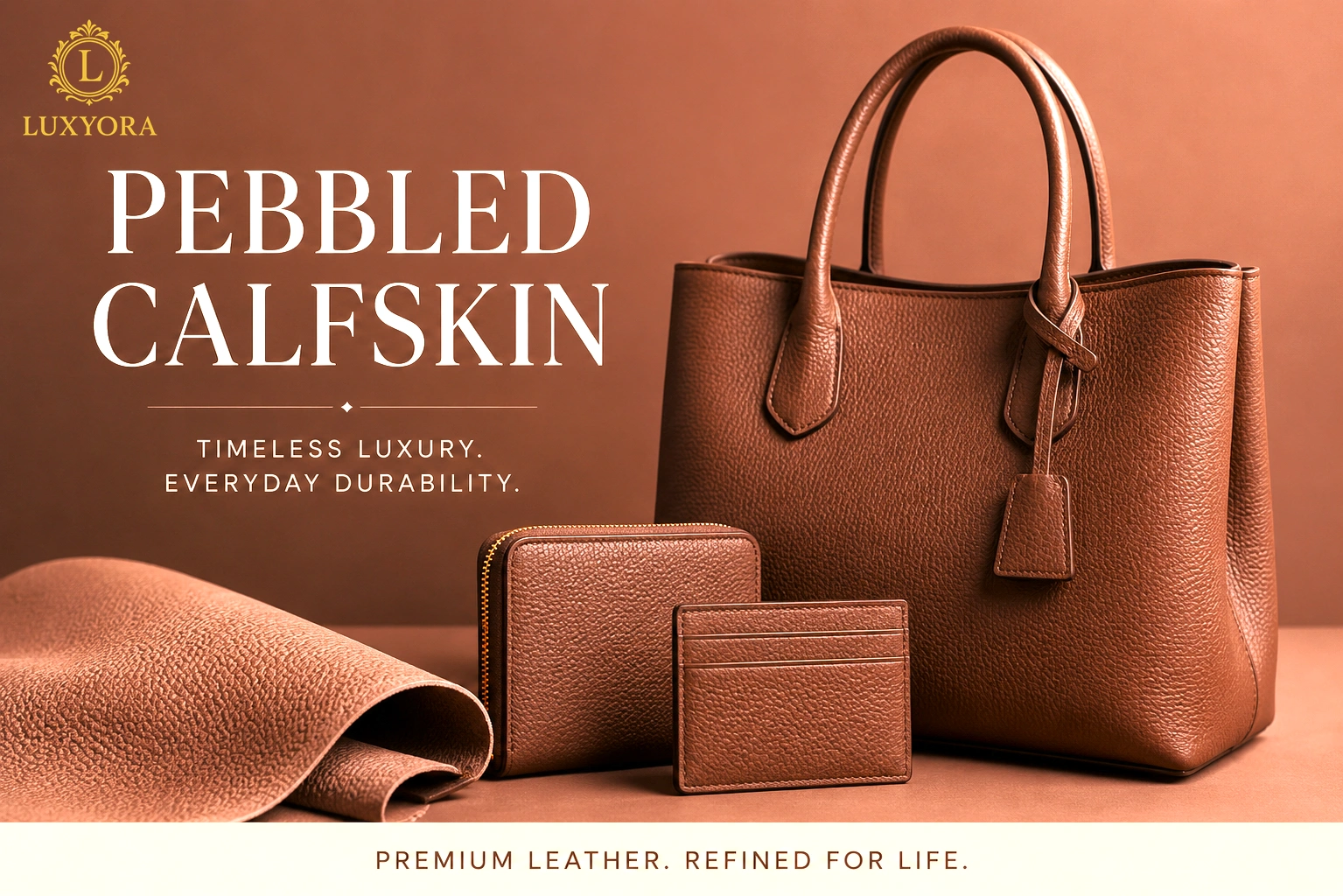
- durable hardware and clean edge paint (leather goods)
- precious metal hallmarks and secure settings (jewelry)
- movement quality and serviceability (watches)
High-quality construction supports longevity, the first requirement for long-term value.
3) Comfort, fit, and real lifestyle match
A perfect “investment coat” isn’t an investment if it doesn’t suit your climate, commute, or daily routine. Wear frequency is everything for wardrobe ROI.
4) Brand equity and market demand
For resale-oriented investment pieces, brand strength matters because it supports demand. Academic research on luxury resale shows that brand image and perceived value strongly influence secondhand desirability.
5) Scarcity, provenance, and authenticity
Resale value is heavily influenced by:
- authenticity,
- documentation (receipt, card, box, papers),
- provenance,
- and whether parts are original.
In watches, experts often emphasize how authenticity and condition drive valuation.
4) Investment Pieces by Category: What “Value” Looks Like
Fashion (coats, tailoring, denim, footwear)
A fashion investment piece usually means:
- a high-quality coat, blazer, leather jacket, or shoes/boots
- made with better materials and construction
- worn for years with consistent styling
Use CPW to evaluate: a $500 coat worn 100 times can be a better “investment” than a $120 coat worn 10 times.
Handbags
Handbags are often framed as investment pieces because iconic models can retain strong resale value. But the “investment” is highly selective; only certain brands/styles do exceptionally well, and fees and condition risk matter.
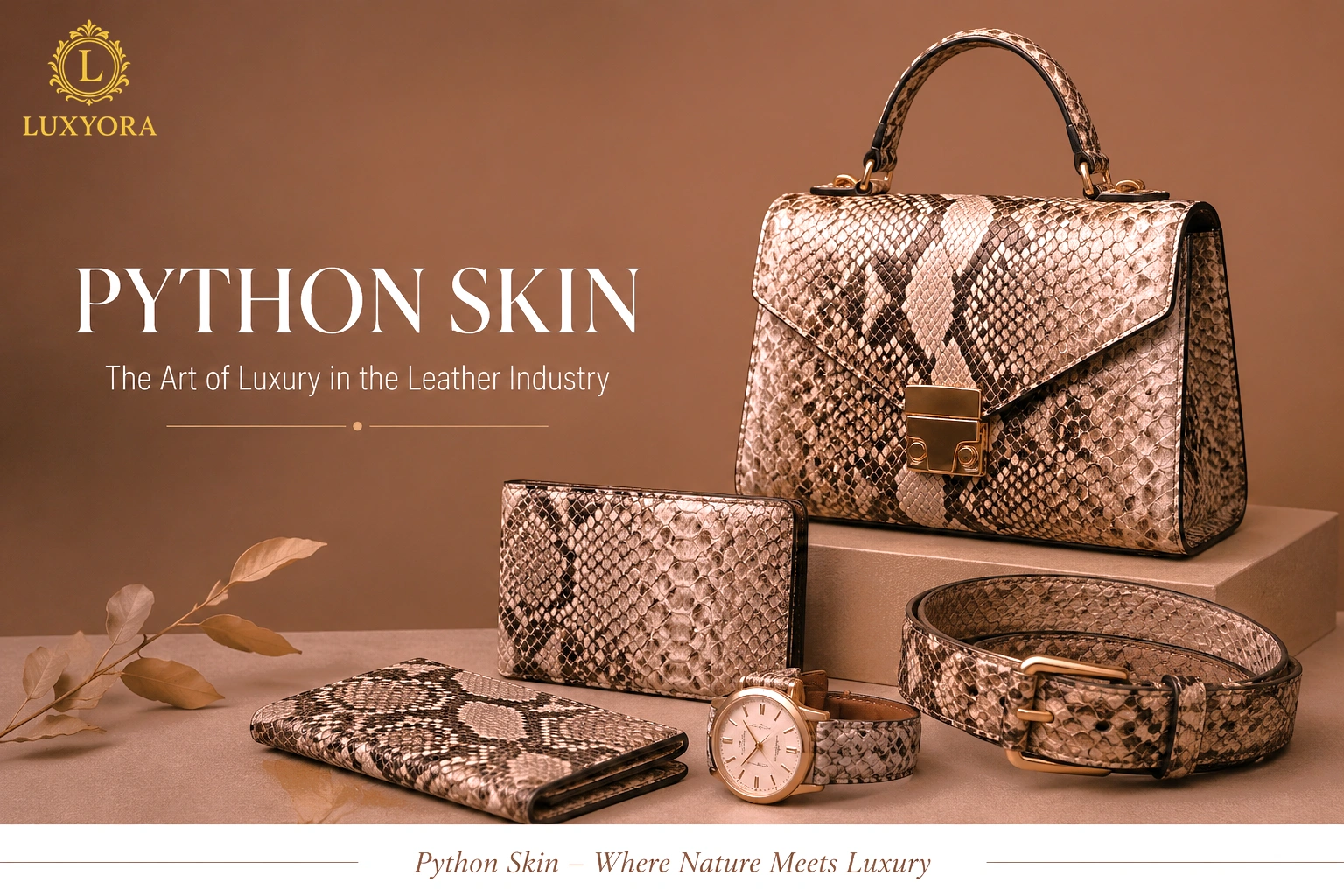
Watches
Watches can be both emotional purchases and potential value retainers. Market commentary often stresses factors like:
- reference number/model specificity,
- condition,
- originality,
- box/papers,
- and service history.
Jewelry
Fine jewelry investment value is driven by:
- precious metal weight and purity,
- gemstone quality,
- brand desirability,
- and classic design.
Recent resale-focused reporting indicates that some brands can even exceed their original retail price on the secondary market, though this outcome is not universal.
Beauty
In beauty, “investment piece” usually refers to:
- high-quality tools (devices, brushes, hair tools),
- premium refillable packaging systems,
- or long-term skin tools.
Here, the “investment” is mainly performance + durability, not resale.
5) The Biggest Mistakes People Make
Mistake 1: Confusing “expensive” with “investment.
Price alone does not create value. A rarely worn luxury item can become the most expensive cost-per-wear mistake in your closet.
Mistake 2: Assuming resale is guaranteed
Even when the resale market is growing, outcomes depend on demand cycles, fees, counterfeiting risks, and macroeconomic conditions.
Mistake 3: Ignoring care and storage
Condition is currency in luxury resale. Scratches, missing accessories, poor storage, and lack of receipts can materially reduce value.
6) A Simple Investment Piece Checklist (Use This Before You Buy)
Ask yourself:
- Will I use/wear this at least 30–50 times?
- Does it fit my real lifestyle and climate?
- Is the quality meaningfully better than alternatives?
- Can it be repaired or maintained?
If resale matters: is there proven demand for this exact model/style?
Conclusion
An investment piece is best understood as a long-term value purchase, something that performs, lasts, and stays relevant enough to justify its cost. In fashion and beauty, the strongest investment logic is cost per wear, durability, and versatility. In watches, handbags, and jewelry, the term often also includes resale value, but that should be treated as a potential upside, not a guarantee. In today’s luxury landscape, shaped by resale growth, sustainability, and consumer value sensitivity, understanding the true meaning of “investment piece” helps buyers spend smarter and build a more intentional wardrobe and collection.
References
Adva Studios. (2024, January 24). Cost per wear: The art of investing in your wardrobe.
American Express Essentials. (n.d.). Fashion forever: How to choose investment pieces. Retrieved February 5, 2026. (Amex Essentials)
Arribas-Ibar, M., Ruiz-Benitez, R., & Cilleruelo-Carrasco, E. (2022). Circular business models in the luxury fashion industry: The case of resale. Journal of Innovation & Knowledge. (ScienceDirect)
Bain & Company. (2024). Luxury in transition: Securing future growth. (Bain)
Business Insider. (2025, December). The watch and jewelry brands dominating the 2025 resale market — and holding their value (Rebag data). (Business Insider)
Gardetti, M. A., & Muthu, S. S. (Eds.). (2018). Sustainable luxury, entrepreneurship, and innovation. Springer.
Gardetti, M. A., & Torres, A. L. (Eds.). (2019). Sustainable luxury: Cases on circular economy and social responsibility. Springer.
Investopedia. (2025). Investing in Birkin bags for retirement surprises a growing number of Americans today. (Investopedia)
Permanent Style. (2023, October 9). Is there still such a thing as an “investment piece”? (Permanent Style)
Roberta Style Lee. (2019). What does cost per wear (CPW) mean? (Roberta Lee – The Sustainable Stylist)
Ryding, D., Henninger, C. E., & Blazquez Cano, M. (Eds.). (2018). Vintage luxury fashion: Exploring the rise of the secondhand clothing trade. Palgrave Macmillan. (Springer)
Slaton, K., & Pookulangara, S. (2022). The secondary luxury consumer: An investigation into online beliefs and purchase intention. Sustainability, 14(21). (MDPI)
The Guardian. (2024, April 29). Secondhand fashion seller Vinted moves into profit after 61% sales rise. (The Guardian)
Turunen, L. L. M., Leipämaa-Leskinen, H., & Sihvonen, J. (2020). Selling second-hand luxury: Empowerment and enactment of consumer roles. Journal of Business Research. (ScienceDirect)
Vogue India. (2025, January 19). These handbags have the highest resale values, in case you’re investing in one. (Vogue India)
Wristcheck. (2023, March 7). How to invest in watches: Five experts on timepieces that will hold value. (Wristcheck)