Alligator Leather : What is Alligator Leather?
Alligator leather is one of the most prestigious and sought-after exotic leathers in the luxury goods industry. Known for its distinctive scale pattern, exceptional durability, and premium appearance, alligator leather has become a symbol of craftsmanship, exclusivity, and timeless elegance. From luxury handbags and wallets to watch straps, footwear, and automotive interiors, this exotic material continues to dominate the high-end leather market.
As consumer interest in premium materials grows, understanding alligator leather has become increasingly important for buyers, collectors, fashion enthusiasts, and industry professionals. This guide explores everything you need to know about alligator leather, including its origin, production process, quality grading, sustainability considerations, pricing factors, maintenance tips, and purchasing advice.
What Is Alligator Leather?
Alligator leather is a type of exotic leather derived primarily from the hides of alligators, particularly the American alligator (Alligator mississippiensis). The leather is highly valued for its unique texture, natural durability, and luxurious appearance.
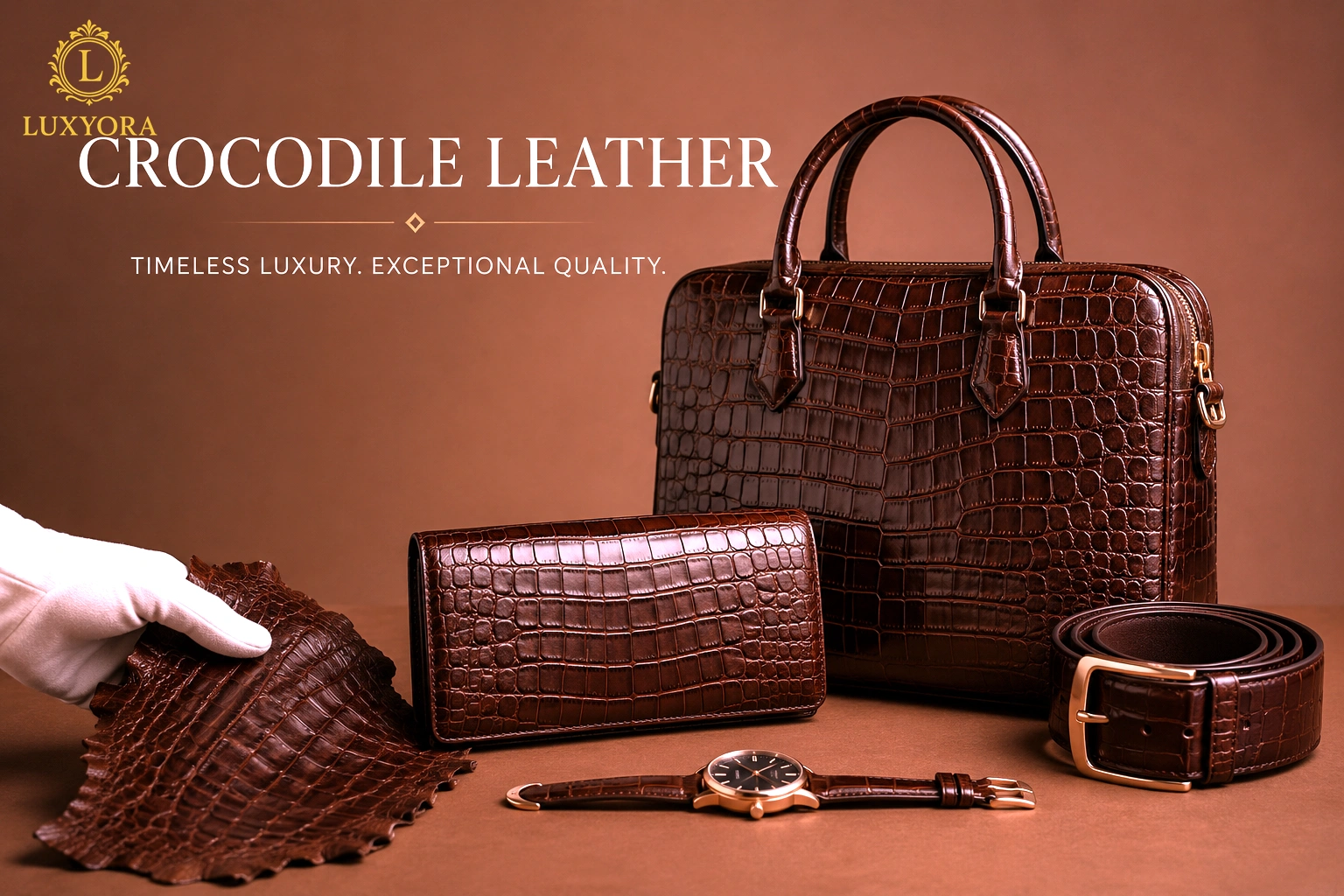
Unlike conventional cowhide leather, alligator leather features a distinctive scale pattern that creates a sophisticated and recognizable aesthetic. The scales are generally more uniform and symmetrical than those found on crocodile leather, making alligator leather particularly desirable for luxury products.
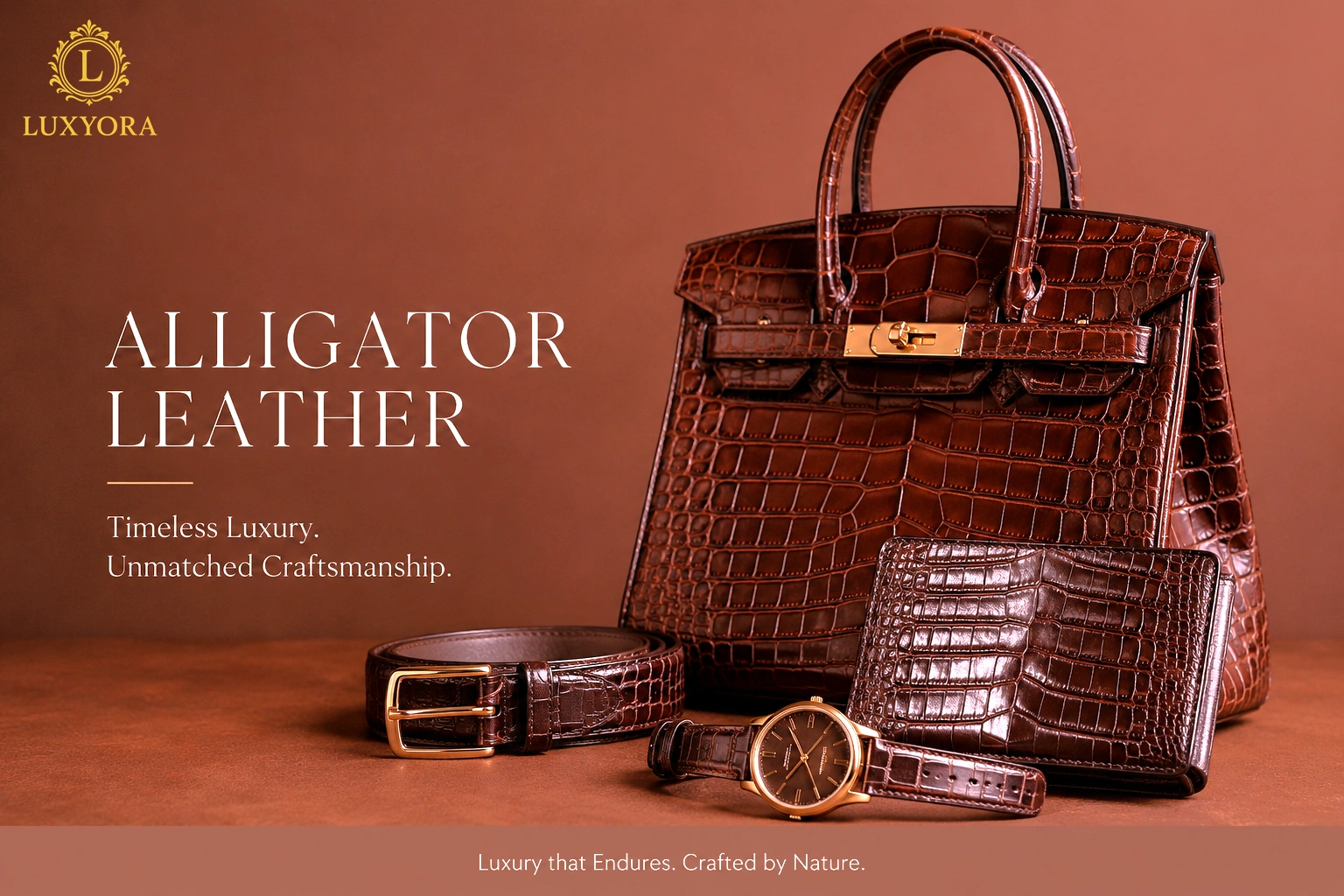
The most valuable section of an alligator hide is the belly area, which contains smooth, evenly spaced scales. Luxury manufacturers often use this portion for premium handbags, wallets, belts, and watch straps.
The History of Alligator Leather in Luxury Fashion
The use of alligator leather dates back centuries, particularly in regions where alligators are native. However, its prominence in luxury fashion expanded significantly during the twentieth century.
Luxury fashion houses began incorporating exotic leathers into their collections to differentiate themselves from competitors and cater to affluent consumers seeking exclusivity. Over time, alligator leather became associated with elite craftsmanship, status, and sophistication.
Today, many renowned luxury brands continue to use alligator leather in limited-edition collections, bespoke accessories, and premium product lines.
How Alligator Leather Is Produced
Ethical Farming and Sourcing
Modern alligator leather production largely relies on regulated farming operations. In the United States, particularly in Louisiana and Florida, alligator populations are carefully managed through conservation programs and licensed farming systems.
These programs serve two important purposes:
- Supporting wildlife conservation
- Providing a sustainable source of exotic leather
The controlled farming environment helps ensure traceability, quality consistency, and compliance with international wildlife regulations.
Tanning Process
After harvesting, the hides undergo a tanning process that transforms raw skin into durable leather.
The process typically includes:
- Cleaning and preservation
- Liming and dehairing
- Tanning treatment
- Dyeing and finishing
- Quality inspection
Luxury-grade alligator leather often undergoes meticulous finishing techniques to enhance texture, softness, color consistency, and durability.
Finishing Techniques
Manufacturers use various finishing methods to achieve different appearances:
- Matte finish
- Semi-matte finish
- Gloss finish
- Hand-polished finish
Each finish appeals to different luxury market segments and product categories.
Alligator Leather vs. Crocodile Leather
Many consumers confuse alligator leather with crocodile leather. Although similar, several key differences exist.
Scale Pattern
Alligator leather typically features:
- Larger, more symmetrical scales
- Smoother texture
- Cleaner visual appearance
Crocodile leather often displays:
- More irregular scale patterns
- Pronounced pores
- More rugged texture
Flexibility
Alligator leather is generally softer and more flexible, making it ideal for luxury accessories requiring comfort and elegance.
Market Value
Premium alligator leather products often command higher prices due to limited supply, superior aesthetics, and strong consumer demand.
Why Alligator Leather Is Considered a Luxury Material
Several characteristics contribute to the premium status of alligator leather.
Exceptional Appearance
The natural scale pattern creates a unique look that cannot be replicated by synthetic materials.
No two hides are exactly alike, adding exclusivity to every product.
Outstanding Durability
When properly maintained, alligator leather products can last for decades.
The dense fiber structure provides:
- Resistance to wear
- Structural integrity
- Long-term value
Prestige and Exclusivity
Luxury consumers often seek products that reflect individuality and status.
Alligator leather satisfies these demands through:
- Limited availability
- High production costs
- Skilled craftsmanship requirements
Common Products Made from Alligator Leather
The versatility of alligator leather allows manufacturers to create a wide range of luxury products.
Luxury Handbags
Alligator leather handbags remain among the most coveted accessories worldwide. High-end collectors often view them as investment pieces due to their rarity and long-term value retention.
Wallets and Card Holders
The leather’s durability and distinctive texture make it ideal for everyday luxury accessories.
Watch Straps
Premium watch brands frequently pair alligator leather straps with luxury timepieces to enhance elegance and comfort.
Footwear
Luxury dress shoes crafted from alligator leather offer unmatched sophistication and exclusivity.
Belts
Alligator leather belts provide a refined finishing touch for formal and business attire.
Automotive and Interior Applications
Some luxury vehicle manufacturers and interior designers use alligator leather for bespoke projects and custom installations.
Understanding Alligator Leather Grades
Not all alligator leather is created equal.
Grade 1
Grade 1 represents the highest quality available.
Characteristics include:
- Minimal imperfections
- Symmetrical scales
- Excellent texture
- Premium finishing
These hides are reserved for luxury handbags and flagship products.
Grade 2
Grade 2 leather may contain minor imperfections but remains suitable for premium accessories.
Grade 3
Grade 3 hides often have visible scars, irregular scales, or natural markings and are used for smaller leather goods.
Factors That Influence Alligator Leather Prices
Several variables impact pricing in the exotic leather market.
Hide Quality
Higher-grade hides command significantly higher prices due to their appearance and rarity.
Size
Larger hides provide more usable material and therefore cost more.
Tanning and Finishing
Advanced finishing techniques increase production costs and product value.
Brand Reputation
Products from established luxury brands often carry substantial premiums due to craftsmanship, heritage, and market demand.
Customization
Bespoke products typically require additional labor and material selection, increasing overall cost.
Sustainability and Ethical Considerations
Sustainability has become a major topic within the luxury fashion industry.
Conservation Programs
Modern alligator farming in the United States is often cited as a successful example of wildlife conservation through regulated commercial use.
Managed populations have contributed to species recovery while supporting rural economies.
Traceability
Many manufacturers now emphasize traceable sourcing practices to assure consumers that hides originate from legal and regulated facilities.
International Regulations
The international trade of alligator leather is governed by wildlife protection frameworks that regulate sourcing, export, and import activities.
Consumers should always verify that products comply with applicable regulations.
How to Identify Genuine Alligator Leather
Counterfeit exotic leather products are increasingly common.
Examine the Scale Pattern
Authentic alligator leather displays natural variation.
Perfectly repetitive patterns often indicate embossing or synthetic materials.
Check Texture
Genuine alligator leather feels supple, natural, and slightly textured.
Look for Natural Imperfections
Small irregularities often confirm authenticity because genuine hides are naturally unique.
Request Documentation
Reputable sellers frequently provide certification or documentation regarding sourcing and authenticity.
Caring for Alligator Leather Products
Proper maintenance significantly extends the lifespan of alligator leather goods.
Regular Cleaning
Use a soft microfiber cloth to remove dust and surface dirt.
Avoid abrasive materials.
Condition Periodically
Specialized exotic leather conditioners help maintain flexibility and prevent drying.
Protect from Moisture
Although durable, excessive moisture exposure can damage the leather over time.
Store Properly
Store products in breathable dust bags and avoid prolonged exposure to direct sunlight.
Professional Maintenance
For valuable items, professional cleaning and restoration services are recommended.
Practical Scenarios for Buyers
Scenario 1 - Purchasing a Luxury Watch Strap
A buyer investing in a premium mechanical watch may choose an alligator leather strap because it offers superior comfort, elegance, and long-term durability compared to standard leather alternatives.
Scenario 2 - Building a Luxury Accessory Collection
Collectors often start with an alligator leather wallet before investing in handbags, belts, or bespoke footwear.
This approach allows them to evaluate the leather’s quality and maintenance requirements before making larger purchases.
Scenario 3 - Selecting a Corporate Gift
An alligator leather card holder or wallet can serve as a prestigious executive gift that reflects professionalism and exclusivity.
Future Trends in the Alligator Leather Industry
The alligator leather market continues to evolve in response to consumer expectations and sustainability initiatives.
Emerging trends include:
- Enhanced traceability systems
- Digital authentication technologies
- Sustainable tanning methods
- Luxury customization services
- Increased transparency in sourcing practices
As consumers become more informed, brands are expected to provide greater visibility into supply chains and production standards.
Final Thoughts
Alligator leather remains one of the most respected materials in the luxury goods industry. Its unique appearance, durability, exclusivity, and craftsmanship make it a preferred choice for premium accessories, footwear, watch straps, and bespoke products. While it commands a higher price than conventional leather, many consumers view alligator leather as a long-term investment due to its longevity and enduring appeal.
Whether you are a first-time buyer, a luxury collector, or a fashion professional, understanding the qualities, sourcing practices, grading systems, and maintenance requirements of alligator leather can help you make informed purchasing decisions. As sustainability and traceability continue to shape the luxury sector, responsibly sourced alligator leather is likely to remain a cornerstone of premium craftsmanship for years to come.
References
American Alligator Council. (2023). American alligator conservation and sustainable use practices. American Alligator Council.
CITES Secretariat. (2024). Convention on International Trade in Endangered Species of Wild Fauna and Flora (CITES): Species database and trade regulations. Geneva, Switzerland.
Covington, A. D. (2020). Tanning chemistry: The science of leather (2nd ed.). Royal Society of Chemistry.
Kasterine, A., & Lichtenstein, G. (2018). Trade and conservation of crocodilians and related species. International Trade Centre.
Louisiana Department of Wildlife and Fisheries. (2023). Alligator management program annual report. Baton Rouge, LA.
Meyer, J. (2021). Luxury materials and exotic leather craftsmanship. Fashion Industry Publishing.
United Nations Conference on Trade and Development. (2022). Sustainable wildlife trade and luxury goods markets. United Nations.
United States Fish and Wildlife Service. (2024). American alligator management and conservation overview. U.S. Department of the Interior.
Webb, G. J. W., Manolis, S. C., & Brien, M. L. (2019). Crocodiles: Status survey and conservation action plan (4th ed.). Crocodile Specialist Group.
Wilson, J. A. (2021). Leather processing and quality assessment in luxury goods manufacturing. Leather Technology Press.