Leather : What Is A Leather?
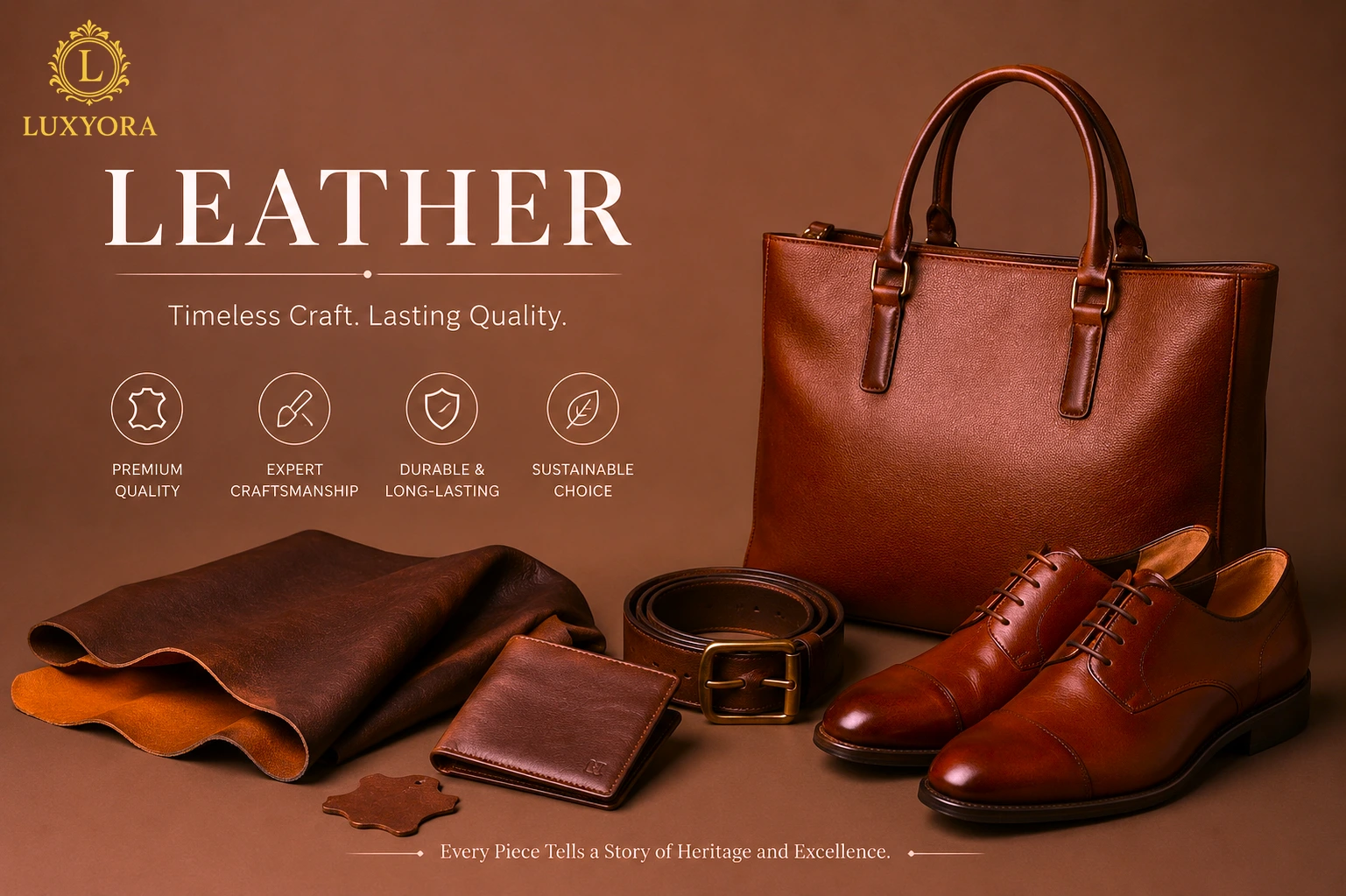
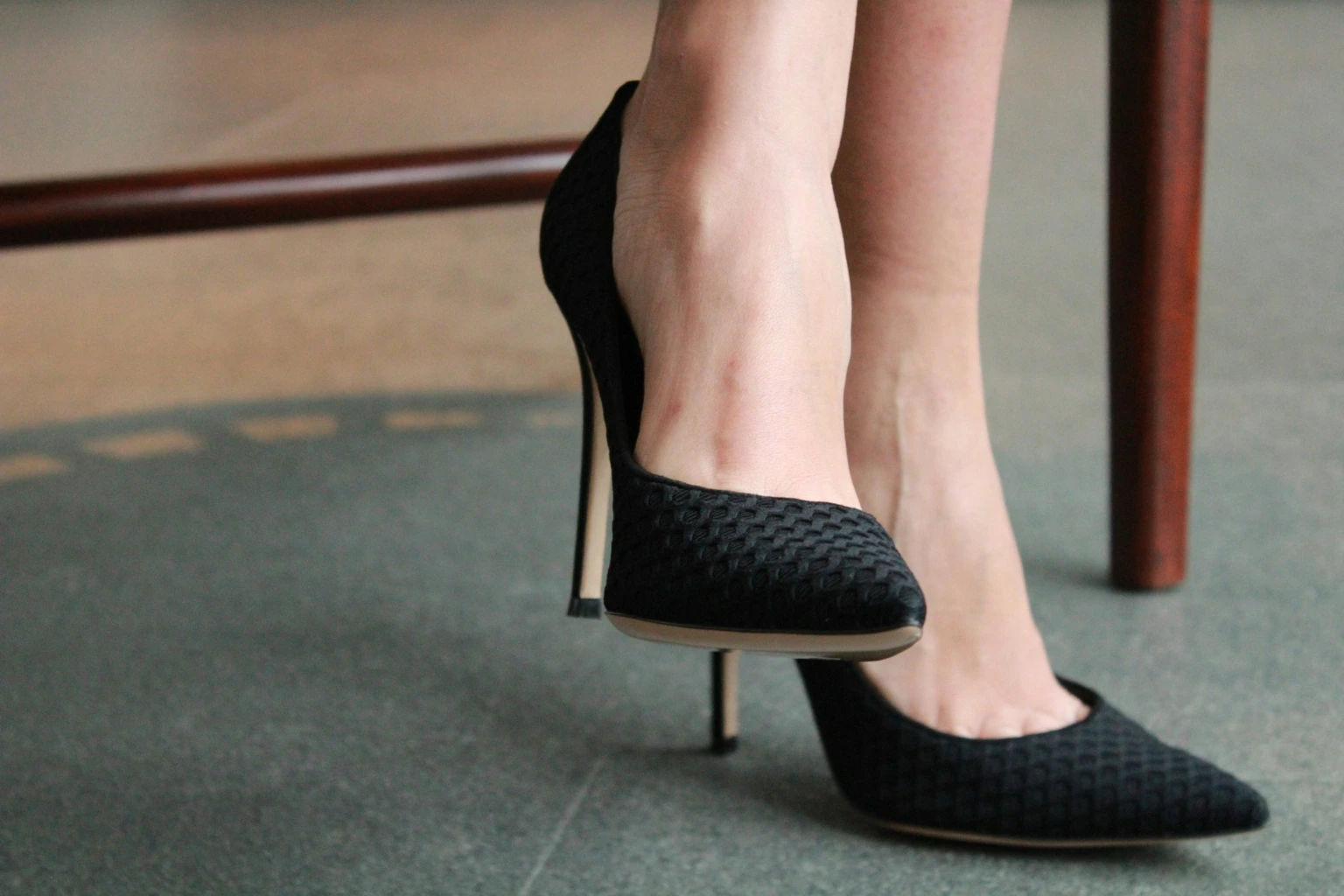
Leather has remained one of the most valued and versatile materials in human history. From luxury handbags and premium footwear to automotive interiors and fashion accessories, leather continues to symbolize durability, craftsmanship, and timeless elegance. Despite the rise of synthetic alternatives, genuine leather remains a preferred material for consumers who appreciate quality, longevity, and natural aesthetics.
Today’s leather industry combines centuries-old tanning traditions with advanced manufacturing technologies, creating products that meet modern fashion, sustainability, and performance expectations. Whether you are shopping for a leather handbag, selecting durable footwear, or investing in premium accessories, understanding the different types of leather can help you make smarter purchasing decisions.
This comprehensive guide explores the evolution of leather, the major leather types, texture variations, practical buying tips, and the best leather choices for various fashion products.
The Evolution of Leather: Traditional Craft Meets Contemporary Style
Leather production dates back thousands of years, making it one of humanity’s oldest manufacturing industries. Ancient civilizations used animal hides for clothing, shelter, armor, and tools. Over time, tanning methods evolved from simple preservation techniques into sophisticated processes that improved durability, flexibility, and appearance.
Traditional vegetable tanning, which uses natural tannins derived from tree bark and plants, remains highly respected for producing rich colors and developing beautiful patinas over time. Modern chrome tanning, introduced during the industrial era, dramatically accelerated production while offering softer and more water-resistant leather.
Today, the leather industry combines artisanal craftsmanship with technological innovation. Advanced finishing techniques allow manufacturers to create leather with specialized textures, colors, and performance characteristics suited for luxury fashion, automotive interiors, furniture, and sports equipment.
Consumers now expect more than durability. They seek sustainable sourcing, ethical manufacturing, and environmentally responsible tanning processes. As a result, many leather producers are investing in eco-friendly technologies and traceable supply chains.
The Ultimate Guide to Leather: Understanding Every Type Before You Buy
Not all leather is created equal. Understanding leather grades is essential when evaluating quality, price, and durability.
Full-Grain Leather
Full-grain leather represents the highest quality available. It retains the complete natural grain layer of the hide without significant sanding or correction.
Key Characteristics
- Exceptional durability
- Natural markings and imperfections
- Develops a rich patina over time
- Highly breathable
- Premium appearance
Best Uses
- Luxury handbags
- High-end footwear
- Premium belts
- Designer accessories
Example Scenario
A traveler purchasing a full-grain leather duffel bag may initially pay more, but the bag can last decades with proper care, often looking better as it ages.
Top-Grain Leather
Top-grain leather undergoes slight sanding to remove imperfections while maintaining much of the hide’s strength.
Key Characteristics
- Smooth appearance
- Softer feel
- More stain-resistant than full-grain
- Slightly less durable
Best Uses
- Fashion handbags
- Wallets
- Office accessories
- Luxury furniture
Example Scenario
Professionals seeking a polished leather briefcase often choose top-grain leather because it combines sophistication with practicality.
Genuine Leather
Despite its appealing name, genuine leather ranks below full-grain and top-grain leather.
Key Characteristics
- Made from lower layers of the hide
- More affordable
- Moderate durability
- Uniform appearance
Best Uses
- Budget-friendly accessories
- Casual footwear
- Entry-level leather goods
Example Scenario
A student purchasing their first leather wallet may find that genuine leather provides a good balance between cost and appearance.
Split Leather
Split leather comes from the lower layers of the hide after the top grain has been removed.
Key Characteristics
- Softer texture
- Lower durability
- Frequently coated or embossed
Best Uses
- Work gloves
- Fashion products
- Decorative applications
Bonded Leather
Bonded leather contains shredded leather fibers mixed with adhesives and bonded onto a backing material.
Key Characteristics
- Lowest cost
- Uniform appearance
- Limited lifespan
- Reduced durability
Best Uses
- Budget furniture
- Low-cost accessories
Soft, Structured or Distressed: How Leather Texture Shapes Fashion
Leather texture significantly influences both appearance and functionality.
Soft Leather
Soft leather offers flexibility and comfort.
Common Examples
Fashion Applications
- Luxury handbags
- Jackets
- Gloves
Advantages
- Comfortable feel
- Elegant drape
- Premium appearance
Considerations
Soft leather may scratch more easily and require careful maintenance.
Structured Leather
Structured leather maintains its shape and offers greater durability.
Common Examples
- Saffiano leather
- Stiff calfskin
- Treated full-grain leather
Fashion Applications
- Professional handbags
- Briefcases
- Luxury luggage
Advantages
- Shape retention
- Enhanced durability
Scratch resistance
Distressed Leather
Distressed leather is intentionally treated to create a vintage appearance.
Common Examples
- Pull-up leather
- Oil-tanned leather
- Vintage-finish leather
Fashion Applications
- Boots
- Messenger bags
- Rustic accessories
Advantages
- Unique character
- Casual elegance
- Aging improves appearance
Example Scenario
Outdoor enthusiasts often prefer distressed leather boots because scratches and wear marks enhance their aesthetic appeal rather than diminish it.
Other Types of Leather Worth Knowing
Beyond the commonly recognised leather grades and textures, the market includes a wide variety of specialist leathers, distinctive finishes, exotic skins, and alternative materials. Each offers different characteristics in terms of texture, durability, appearance, rarity, maintenance, and suitability for fashion products.
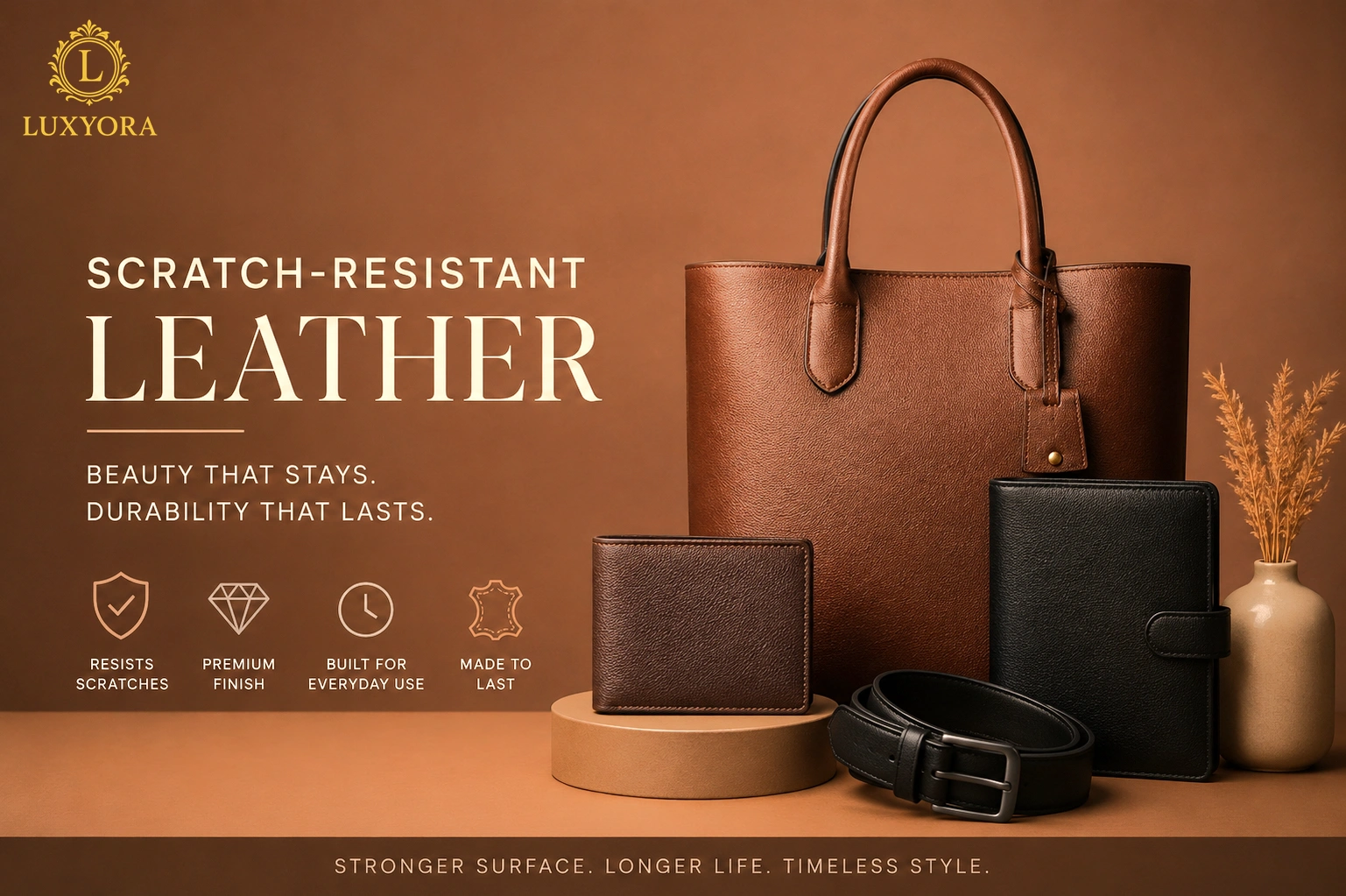
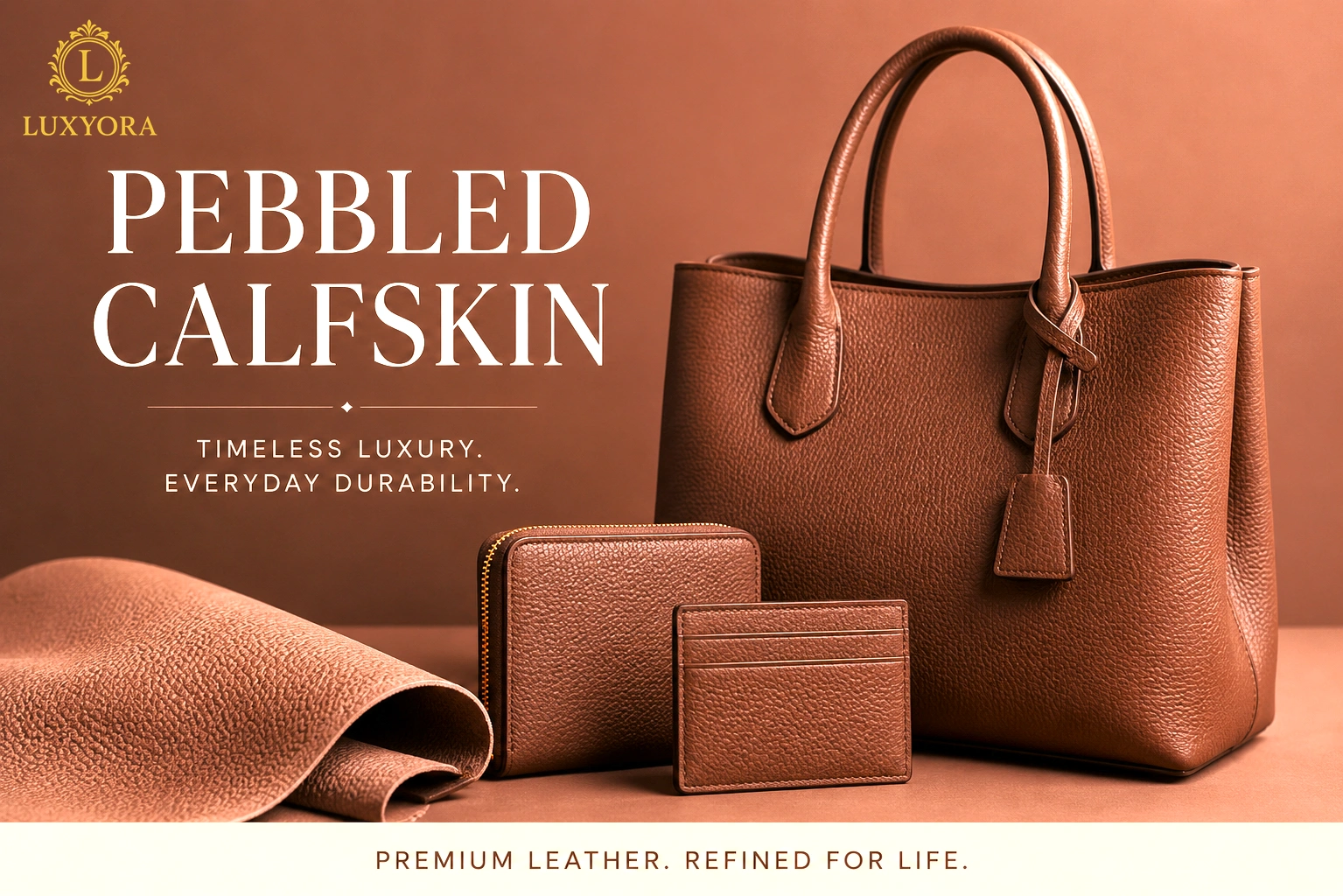
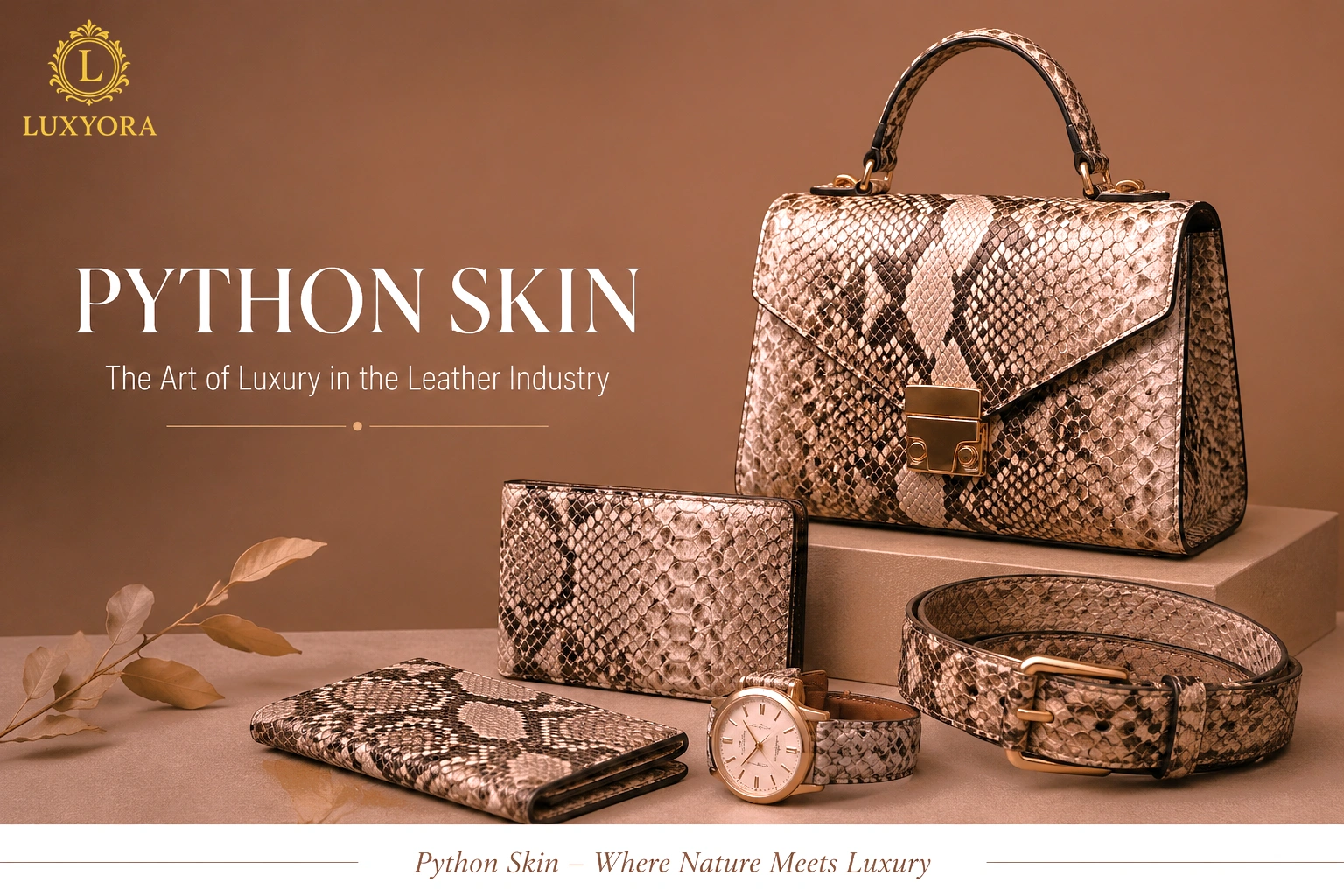
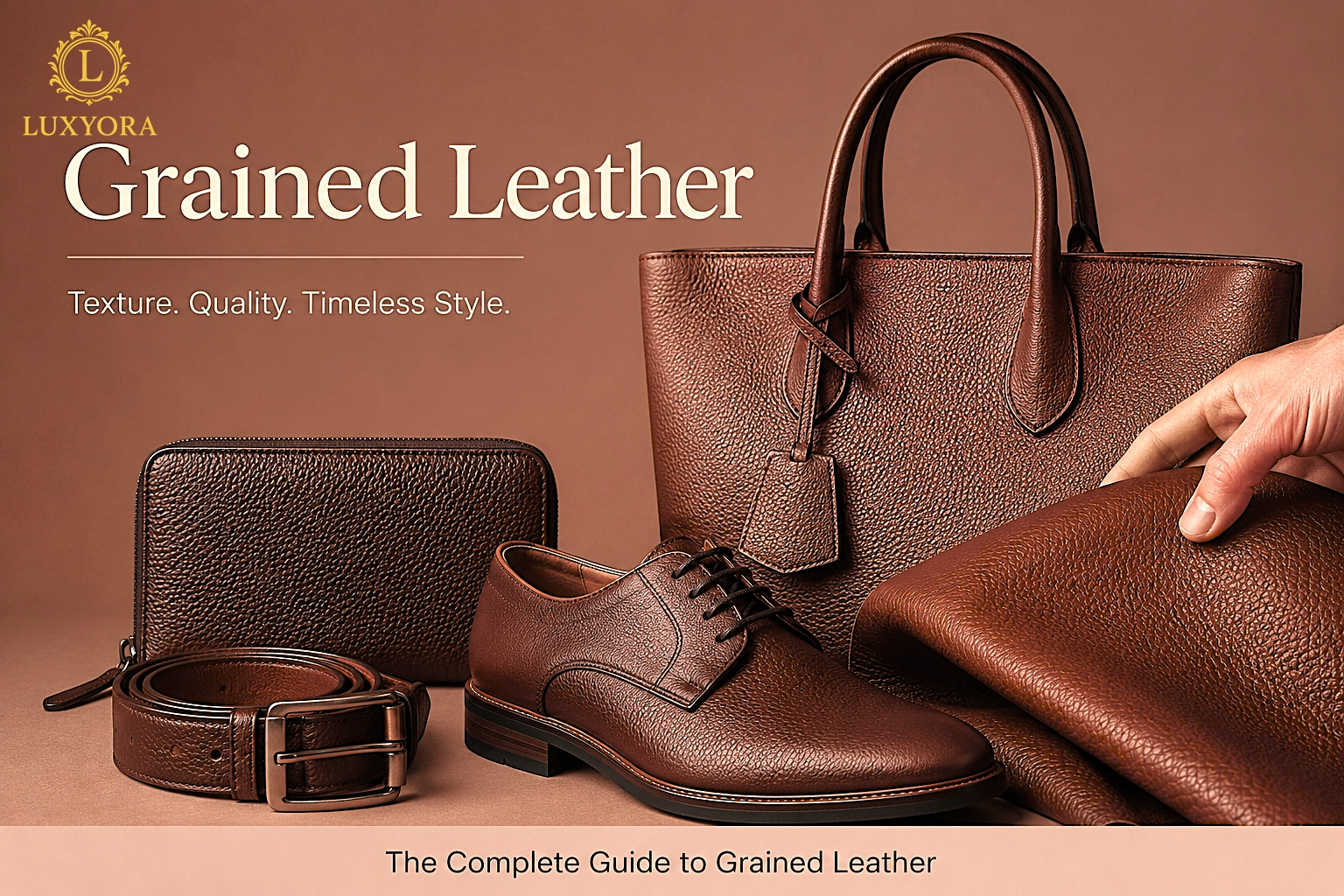
Some of the other types worth exploring include Scratch-Resistant Leather, Pebbled Calfskin Leather, Grained Leather, Sustainable Leather, Napped Leather, Caviar Leather, Vegan Leather, and Exotic Leather. Luxury fashion and accessories may also feature distinctive exotic skins such as Python Skin Leather, Alligator Leather, Crocodile Leather, Lizard Leather, Ostrich Leather, and Stingray Leather.
Each of these materials has its own story, properties, advantages, and applications. Explore our individual guides to learn how they differ, how they are used in fashion, and what to consider when choosing products made from them.
Which Leather Is Best for Handbags, Footwear and Accessories?
Choosing the right leather depends largely on intended use.
Best Leather for Handbags
Recommended Types
- Full-grain leather
- Top-grain leather
- Saffiano leather
Why They Work
- Strong structure
- Long-term durability
- Attractive aging process
Practical Example
A luxury handbag used daily benefits from full-grain leather’s ability to withstand years of handling while maintaining its elegance.
Best Leather for Footwear
Recommended Types
- Full-grain leather
- Calfskin leather
- Oil-tanned leather
Why They Work
- Breathability
- Flexibility
- Durability
Practical Example
Professionals wearing dress shoes daily often choose calfskin leather because it combines comfort, polish, and resilience.
Best Leather for Wallets
Recommended Types
- Full-grain leather
- Top-grain leather
- Vegetable-tanned leather
Benefits
- Slim profile
- Excellent aging characteristics
Long lifespan
Best Leather for Belts
Recommended Types
- Full-grain leather
- Vegetable-tanned leather
Benefits
- Superior strength
- Shape retention
- Long-term durability
A Fashion Lover’s Guide to Choosing the Right Leather
Selecting leather goes beyond aesthetics. Smart buyers evaluate quality, intended use, and maintenance requirements.
Check the Leather Grade
Always verify whether a product uses full-grain, top-grain, or genuine leather. Higher grades generally provide better durability and value.
Consider Daily Usage
Ask yourself:
- Will this item be used every day?
- Is durability more important than softness?
- Does the product need to maintain its shape?
For frequent use, full-grain and top-grain leather typically provide the best investment.
Evaluate Texture and Finish
Different finishes create different experiences.
Smooth Finish
Best for formal settings and professional accessories.
Pebbled Finish
Offers scratch resistance and casual sophistication.
Distressed Finish
Perfect for vintage-inspired fashion.
Understand Maintenance Requirements
Leather longevity depends heavily on care.
Essential Leather Care Tips
- Store away from direct sunlight.
- Use leather conditioners periodically.
- Keep leather dry whenever possible.
- Clean spills immediately.
- Store handbags with stuffing to preserve shape.
Example Scenario
A luxury handbag stored in a dust bag and conditioned twice yearly can maintain its appearance for many years.
Sustainability and the Future of Leather
The modern leather industry is increasingly focused on sustainability. Manufacturers are adopting cleaner tanning technologies, reducing water consumption, and improving waste management.
Several innovations are reshaping the market:
Vegetable-Tanned Leather
Uses natural tannins and reduces reliance on synthetic chemicals.
Traceable Supply Chains
Allow consumers to verify sourcing and production practices.
Circular Manufacturing
Encourages recycling, repurposing, and waste reduction.
Bio-Based Leather Alternatives
Emerging materials derived from mushrooms, plant fibers, and laboratory-grown structures are expanding consumer choices.
While traditional leather remains highly valued, sustainability considerations are becoming a major factor in purchasing decisions.
Common Leather Buying Mistakes to Avoid
Assuming Genuine Leather Means Premium Quality
Many consumers mistakenly believe genuine leather represents the highest quality grade. In reality, full-grain and top-grain leather are superior.
Ignoring Product Construction
Even premium leather can fail if stitching, hardware, and construction quality are poor.
Choosing Style Over Function
A soft lambskin handbag may look luxurious but may not suit rough daily use.
Neglecting Maintenance
Regular care dramatically extends leather lifespan.
Final Thoughts
Leather remains one of the most respected and versatile materials in the fashion and accessories industry. Its unique combination of durability, beauty, comfort, and craftsmanship makes it a long-term investment rather than a short-term purchase.
By understanding leather grades, textures, tanning methods, and intended applications, consumers can confidently select products that align with their lifestyle and fashion preferences. Whether you are purchasing a luxury handbag, premium footwear, or everyday accessories, informed decisions ensure greater satisfaction and better value over time.
As sustainability continues to influence the industry, the future of leather will likely blend traditional craftsmanship with innovative production methods, preserving its timeless appeal while addressing modern environmental expectations.
References
Aust, P. J. (2021). Handbook of Leather Processing. CRC Press.
Covington, A. D. (2020). Tanning Chemistry: The Science of Leather (2nd ed.). Royal Society of Chemistry.
Food and Agriculture Organization of the United Nations. (2023). Global leather and hides market outlook. FAO Publications.
International Council of Tanners. (2022). Sustainability initiatives in the global leather industry. ICT Industry Report.
Leather Working Group. (2024). Environmental auditing protocol and sustainability standards. Leather Working Group.
Muthu, S. S. (Ed.). (2020). Sustainability in the Leather Industry. Springer Nature.
United Nations Industrial Development Organization. (2021). Cleaner leather production technologies and environmental management. UNIDO.
World Leather. (2023). Global leather market trends and technological innovations. World Leather Industry Review.
Grand View Research. (2024). Leather Goods Market Size, Share & Trends Analysis Report. Grand View Research.
Fortune Business Insights. (2024). Leather Goods Market Research Report: Global Industry Analysis. Fortune Business Insights.