Crocodile Leather : What is Crocodile Leather?
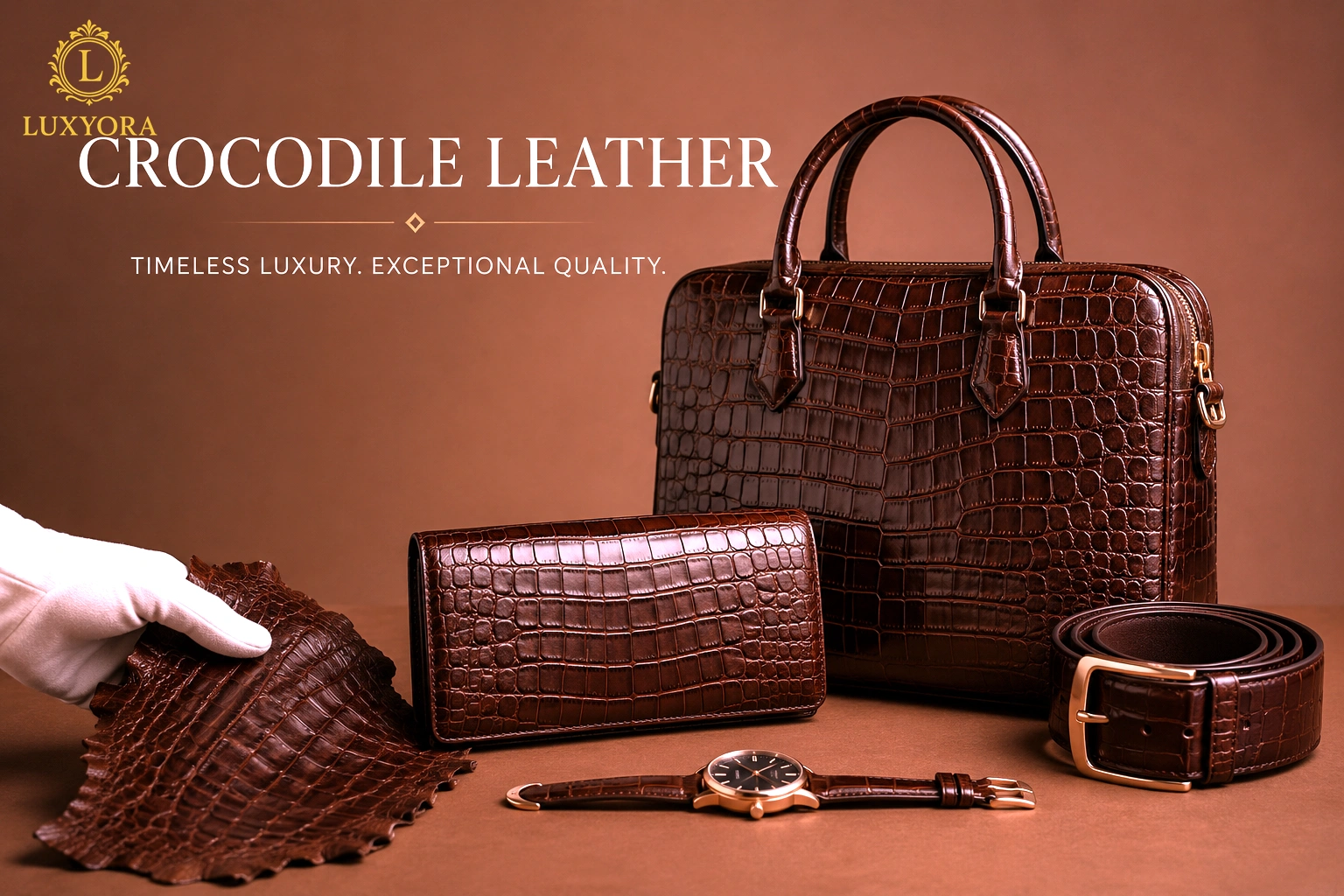
Crocodile leather is one of the most prestigious and sought-after exotic leathers in the luxury goods industry. Known for its distinctive scale patterns, exceptional durability, and premium appeal, crocodile leather has become a symbol of craftsmanship, exclusivity, and status. From luxury handbags and wallets to watch straps, footwear, and fashion accessories, this remarkable material continues to command attention among designers, collectors, and consumers worldwide.
As the global luxury market evolves, buyers are becoming increasingly interested in understanding where crocodile leather comes from, how it is produced, what determines its quality, and whether it can be considered sustainable. This comprehensive guide explores every aspect of crocodile leather, providing valuable insights for consumers, retailers, fashion enthusiasts, and industry professionals.
What Is Crocodile Leather?
Crocodile leather is a premium exotic leather derived from the skin of crocodiles that are specifically raised or sourced for leather production. Unlike traditional bovine leather, crocodile leather features unique natural scale patterns that cannot be replicated exactly, making every piece distinct.
The leather is highly prized because of its:
- Unique texture and appearance
- Exceptional strength and durability
- Luxurious aesthetic appeal
- High resale value
- Limited availability
Luxury brands often use crocodile leather to create exclusive collections that cater to affluent consumers seeking rare and premium products.
Types of Crocodile Leather
Not all crocodile leather is the same. Different species produce varying scale patterns, textures, and qualities.
Saltwater Crocodile Leather
Saltwater crocodile leather is widely regarded as the most luxurious crocodile leather available.
Characteristics include:
- Symmetrical belly scales
- Minimal blemishes
- Soft texture
- High market value
Products made from saltwater crocodile leather often occupy the highest price categories in luxury fashion.
Nile Crocodile Leather
Nile crocodile leather is another premium option commonly used by luxury manufacturers.
Key features include:
- Larger scale patterns
- Excellent durability
- Attractive appearance
- Wider availability than saltwater crocodile leather
Many luxury handbags and leather accessories are crafted using Nile crocodile hides.
Freshwater Crocodile Leather
Freshwater crocodile leather is generally more affordable while still offering many of the aesthetic benefits associated with exotic leather.
Benefits include:
- Competitive pricing
- Good durability
- Attractive scale patterns
- Popular use in accessories and small leather goods
Why Crocodile Leather Is So Expensive
One of the most common questions buyers ask is why crocodile leather products cost significantly more than traditional leather goods.
Several factors contribute to the premium pricing.
Limited Supply
Crocodile farming is highly regulated in many countries. Strict breeding, welfare, and export regulations limit the supply of quality hides.
Long Growth Cycle
Crocodiles require years of care before their skins reach commercial quality standards. This lengthy process increases production costs.
Specialized Processing
The tanning and finishing of crocodile leather demand highly skilled craftsmanship. Each hide requires careful handling to preserve the natural scale structure.
High Rejection Rates
Luxury manufacturers often reject hides with scars, imperfections, or irregular scale patterns. Only the finest skins make it into premium product lines.
Luxury Brand Positioning
Luxury brands deliberately position crocodile leather products as exclusive offerings. Limited production runs further increase desirability and market value.
How Crocodile Leather Is Produced
Understanding the production process helps consumers appreciate the craftsmanship behind crocodile leather goods.
Farming and Sourcing
Many crocodile skins come from regulated farms operating under strict wildlife management programs. These programs often support conservation efforts while supplying the leather industry.
Skin Harvesting
Once the crocodiles reach appropriate maturity, the hides are collected according to legal and ethical guidelines established by local authorities.
Tanning
The hides undergo tanning to stabilize the collagen fibers and prevent decomposition.
Common tanning methods include:
- Chrome tanning
- Vegetable tanning
- Combination tanning
Finishing
Leather specialists then process the hides to achieve desired textures, colors, and finishes.
Popular finishes include:
- Glossy finish
- Matte finish
- Semi-gloss finish
- Hand-polished finish
Quality Grading
Before entering manufacturing, hides are graded based on:
- Symmetry
- Scar visibility
- Scale consistency
- Color uniformity
- Overall appearance
Characteristics of High-Quality Crocodile Leather
When investing in crocodile leather products, recognizing quality indicators is essential.
Consistent Scale Pattern
Premium hides display balanced and symmetrical scale arrangements, especially across the belly section.
Natural Texture
Authentic crocodile leather should feel supple while maintaining structural integrity.
Fine Craftsmanship
High-end products feature:
- Precise stitching
- Clean edge finishing
- Durable hardware
- Expert pattern matching
Soft Yet Strong Feel
Quality crocodile leather combines flexibility with remarkable strength, making it suitable for long-term use.
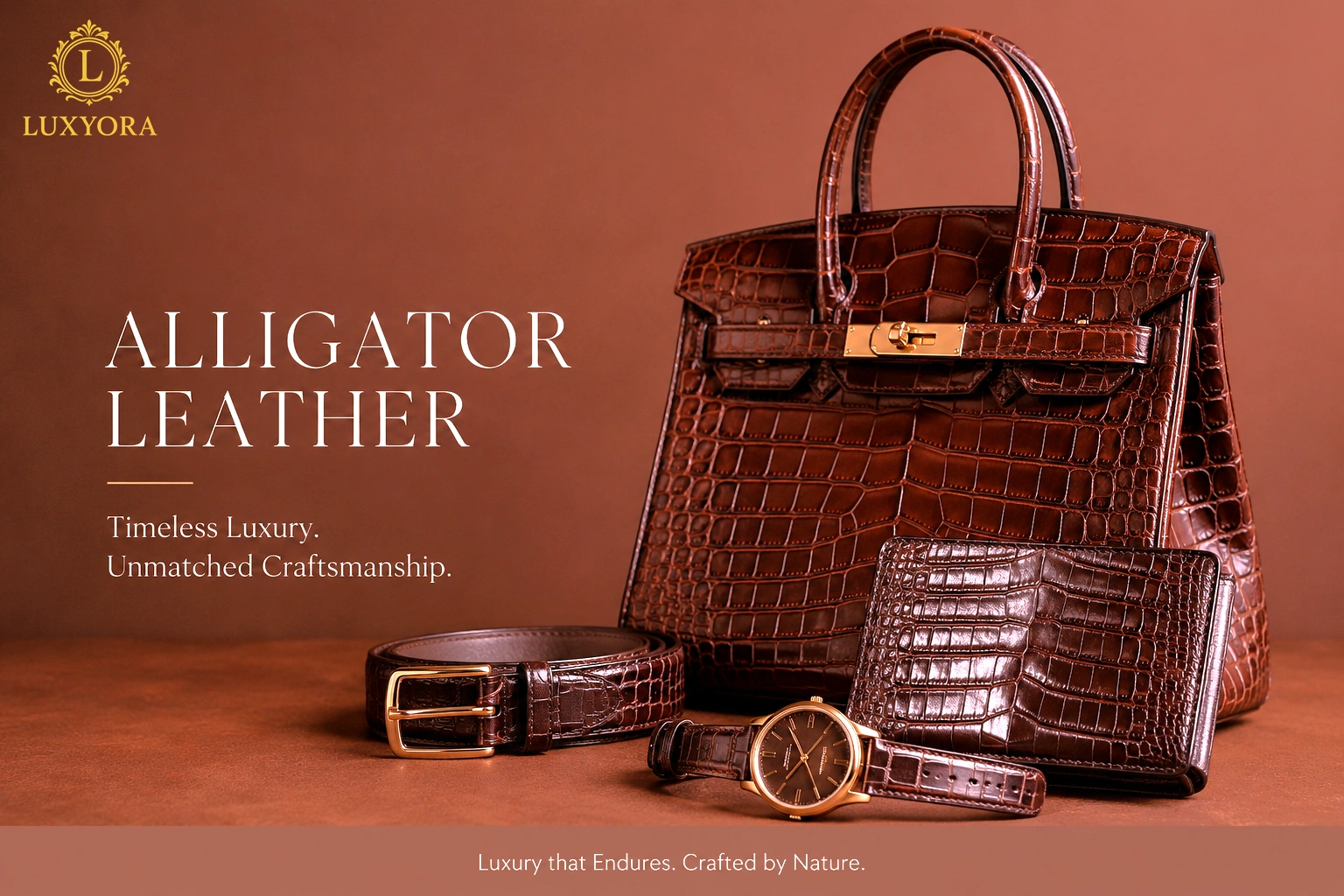
Crocodile Leather vs. Alligator Leather
Consumers often confuse crocodile leather with alligator leather.
While both are luxury exotic leathers, there are notable differences.
Feature | Crocodile Leather | Alligator Leather |
Scale Pattern | More varied | More uniform |
Texture | Slightly firmer | Softer |
Availability | More common | Less common |
Price Range | Premium | Often ultra-premium |
Scale Pores | Visible pores on scales | Less pronounced pores |
Both materials are highly valued, but personal preference often determines which is considered superior.
Popular Uses of Crocodile Leather
Crocodile leather’s combination of beauty and durability makes it suitable for a wide range of luxury products.
Luxury Handbags
Designer handbags remain one of the most recognized applications of crocodile leather.
Wallets and Card Holders
Small leather goods allow consumers to experience exotic leather craftsmanship at a relatively lower investment.
Watch Straps
Luxury watch manufacturers frequently use crocodile leather straps to complement premium timepieces.
Footwear
High-end dress shoes and boots crafted from crocodile leather offer elegance and durability.
Belts
Luxury belts made from crocodile leather provide both style and longevity.
Practical Tips for Buying Crocodile Leather Products
Purchasing crocodile leather can be a significant investment. The following tips help buyers make informed decisions.
Verify Authenticity
Always request documentation that confirms the product is made from genuine crocodile leather.
Examine the Scale Pattern
Natural variations indicate authenticity. Perfectly repetitive patterns may suggest embossing rather than genuine exotic leather.
Check Legal Compliance
Ensure products comply with international wildlife trade regulations and certification requirements.
Evaluate Craftsmanship
Premium leather deserves premium construction. Inspect stitching, lining, and hardware carefully.
Buy From Reputable Sellers
Established luxury retailers and certified manufacturers generally provide better product assurance.
Practical Scenarios: When Crocodile Leather Makes Sense
Scenario 1 - Executive Professional
A senior executive seeks a briefcase that reflects professionalism and status during international business meetings. A crocodile leather briefcase offers a distinctive appearance while maintaining long-term durability.
Scenario 2 - Luxury Watch Collector
A watch enthusiast upgrades a luxury timepiece with a crocodile leather strap to enhance its elegance and complement formal attire.
Scenario 3 - Investment Purchase
A collector purchases a limited-edition crocodile leather handbag. Over time, rare luxury items may retain or even appreciate in value depending on market demand and brand reputation.
Scenario 4 - Premium Gift Selection
An individual chooses a crocodile leather wallet as a milestone anniversary gift, appreciating its luxury appeal and long lifespan.
Caring for Crocodile Leather
Proper care helps preserve both appearance and value.
Store Correctly
Keep products away from direct sunlight and excessive humidity.
Avoid Water Exposure
Although durable, prolonged exposure to water can damage the leather’s finish.
Use Specialized Leather Care Products
Exotic leather conditioners formulated specifically for crocodile leather can help maintain flexibility.
Regular Cleaning
Use a soft cloth to remove dust and dirt. Avoid harsh chemicals.
Professional Maintenance
For high-value items, periodic professional cleaning and conditioning are recommended.
Sustainability and Ethical Considerations
The sustainability of crocodile leather remains an important discussion within the luxury industry.
Many modern crocodile farms operate under regulated wildlife management frameworks designed to:
- Support species conservation
- Reduce pressure on wild populations
- Create economic incentives for habitat protection
- Ensure traceability throughout the supply chain
Responsible sourcing has become increasingly important as consumers demand greater transparency from luxury brands.
Manufacturers that follow recognized international regulations and certification systems generally provide stronger assurances regarding legal and ethical sourcing.
Future Trends in the Crocodile Leather Industry
Several trends are shaping the future of crocodile leather.
Increased Traceability
Consumers increasingly expect detailed information regarding sourcing and production.
Sustainable Luxury
Brands are investing in environmentally responsible tanning methods and supply chain transparency.
Digital Authentication
Blockchain and digital certificates are emerging as tools for verifying authenticity and ownership.
Growing Demand in Asia-Pacific
Luxury markets across Asia continue to drive demand for premium exotic leather products.
Conclusion
Crocodile leather remains one of the most prestigious materials in the luxury goods sector. Its distinctive appearance, exceptional durability, rarity, and craftsmanship make it highly desirable among collectors and discerning consumers. While premium pricing reflects the complexity of sourcing and production, quality crocodile leather products often provide decades of use when properly maintained.
For buyers considering a luxury investment, understanding leather grades, species differences, authenticity indicators, and ethical sourcing practices is essential. As sustainability and traceability become increasingly important, the crocodile leather industry continues to evolve, balancing luxury, conservation, and consumer expectations in a rapidly changing global marketplace.
References
American Veterinary Medical Association. (2020). Guidelines for the humane slaughter of animals. Schaumburg, IL: Author.
Caldwell, J. P. (2021). Exotic leather production and sustainable wildlife management. Journal of Wildlife Trade and Conservation, 15(2), 45–61.
Convention on International Trade in Endangered Species of Wild Fauna and Flora (CITES). (2023). CITES trade database and annual reports. Geneva, Switzerland: CITES Secretariat.
Food and Agriculture Organization of the United Nations. (2022). Sustainable wildlife management and biodiversity conservation. Rome, Italy: FAO.
International Crocodilian Farmers Association. (2021). Global crocodilian farming industry report. Pretoria, South Africa: ICFA.
Kasterine, A., & Lichtenstein, G. (2018). Trade in wildlife and sustainable development. Geneva, Switzerland: International Trade Centre.
Leather Working Group. (2023). Environmental stewardship and leather manufacturing standards. Milton Keynes, United Kingdom: Leather Working Group.
United Nations Conference on Trade and Development. (2022). Biodiversity-based products and sustainable trade. Geneva, Switzerland: UNCTAD.
Webb, G. J. W., Manolis, S. C., & Brien, M. L. (2019). Crocodiles: Status survey and conservation action plan (4th ed.). Gland, Switzerland: International Union for Conservation of Nature.
World Wildlife Fund. (2021). Sustainable use of wildlife resources and conservation outcomes. Washington, DC: WWF.