Pebbled Calfskin Leather : What is Pebbled Calfskin?
Pebbled calfskin is one of the most respected and sought-after materials in the luxury leather industry. From premium handbags and designer wallets to luxury footwear and high-end accessories, pebbled calfskin has earned a reputation for its combination of sophistication, durability, and practicality.
While many consumers recognize smooth leather, fewer understand what makes pebbled calfskin unique. Yet, it is often the preferred choice for people who want luxury products that can withstand daily use without showing excessive wear.
In this comprehensive guide, we will explore what pebbled calfskin is, how it is made, its advantages and disadvantages, common applications, maintenance tips, and practical buying advice. Whether you are considering purchasing a luxury handbag, investing in premium leather goods, or simply learning more about leather craftsmanship, this guide will provide valuable insights into the world of pebbled calfskin.
What Is Pebbled Calfskin?
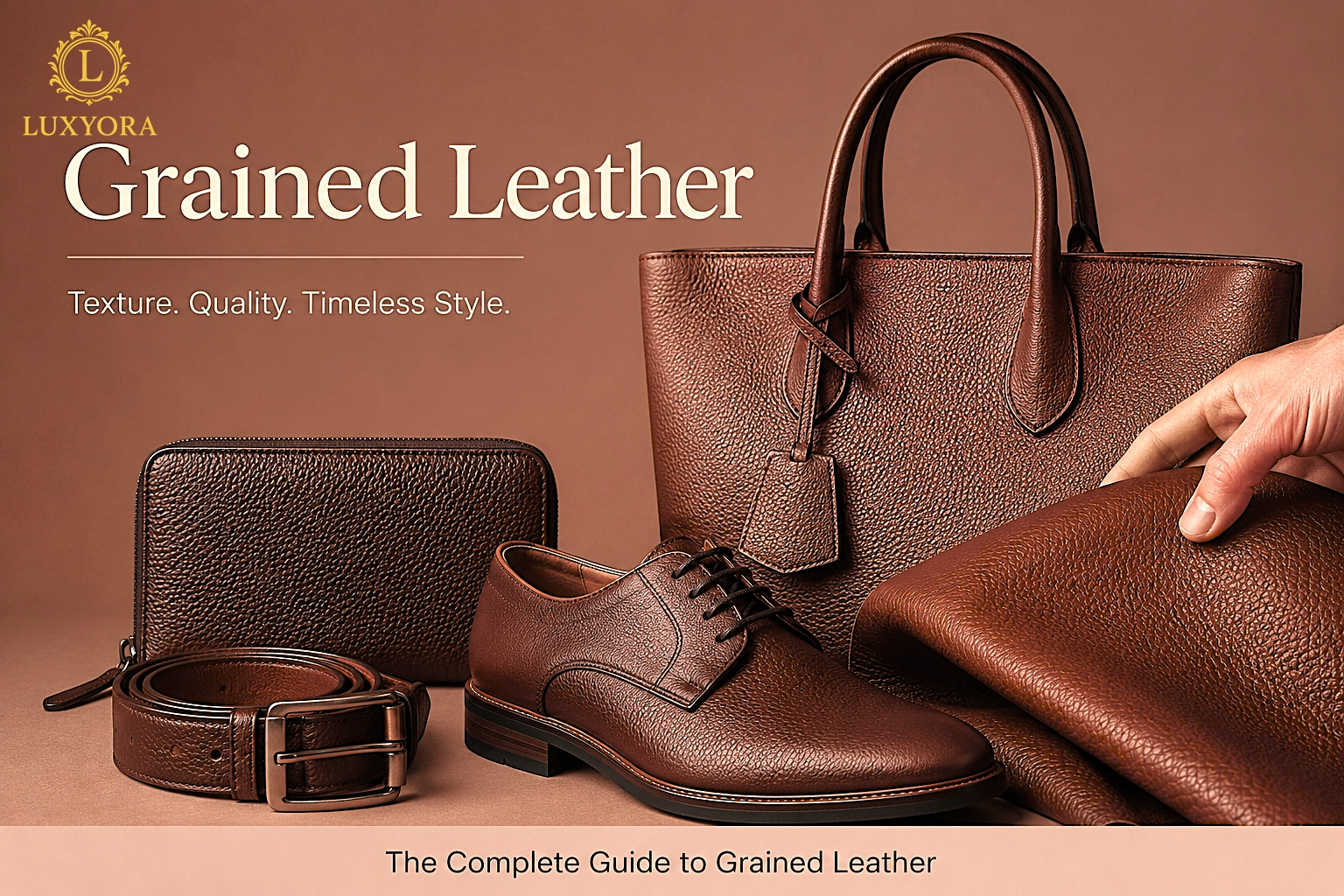
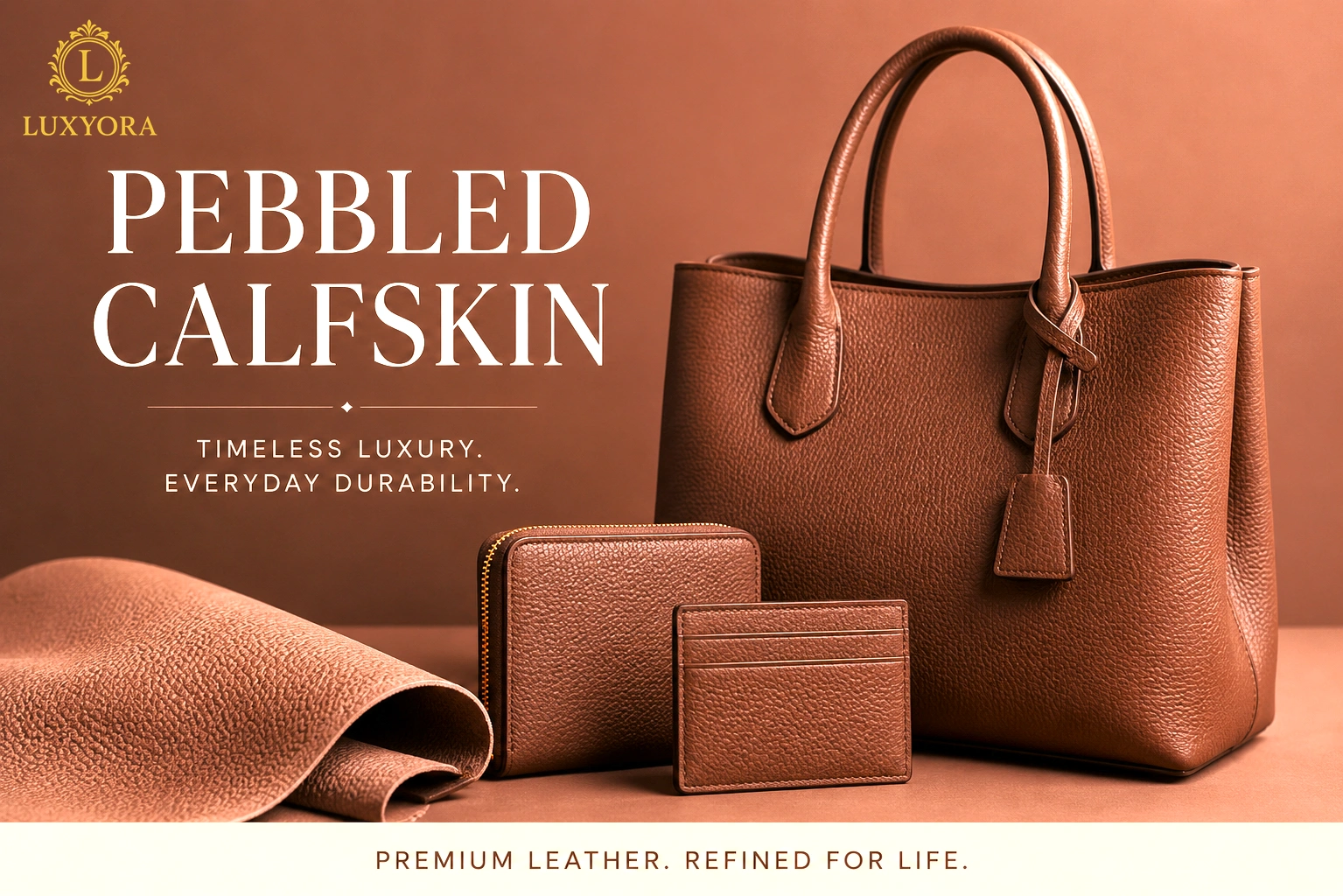
Pebbled calfskin is a type of leather made from the hide of young cattle, typically calves under one year of age. The leather is processed and finished with a textured grain pattern resembling small, rounded pebbles spread across the surface.
The term “pebbled” refers specifically to this textured appearance rather than the animal source itself. The texture can occur naturally in some cases, but it is most commonly created through an embossing process during leather finishing.
Calfskin is widely regarded as one of the finest leather materials available because of its:
- Soft texture
- Fine fiber structure
- Exceptional flexibility
- Premium appearance
- Long-term durability
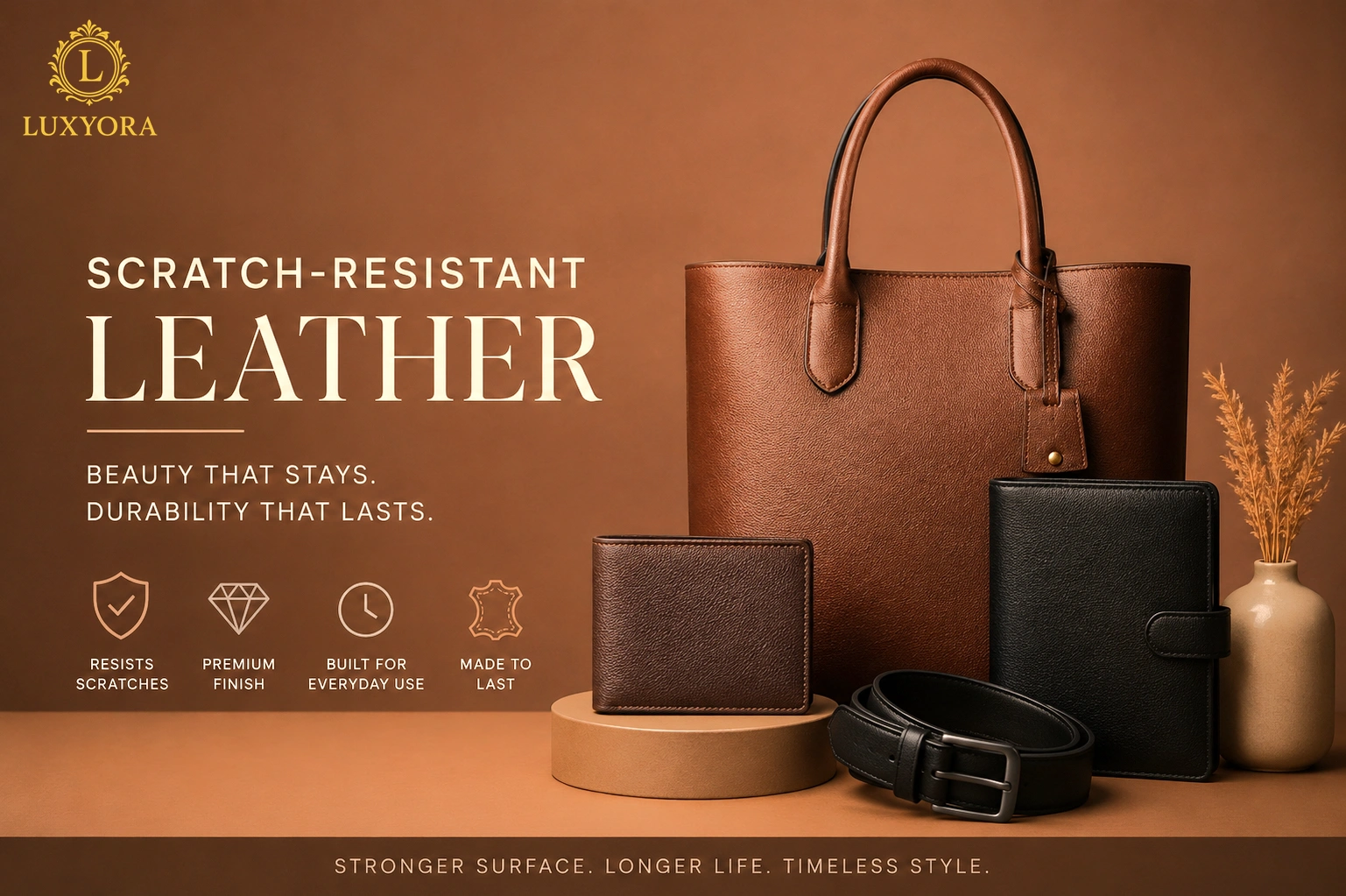
When combined with a pebbled finish, calfskin gains additional resistance to scratches, scuffs, and visible wear, making it particularly suitable for luxury goods used regularly.
Understanding the Characteristics of Pebbled Calfskin
Distinctive Grain Pattern
The most recognizable feature of pebbled calfskin is its textured grain surface. Unlike smooth leather, which has a flat finish, pebbled calfskin features raised, rounded patterns that create visual depth and character.
The grain pattern may vary depending on:
- Brand specifications
- Tanning methods
- Embossing techniques
- Leather thickness
Luxury brands often develop proprietary grain patterns that become part of their product identity.
Soft Yet Structured Feel
Pebbled calfskin offers a unique balance between softness and structure.
The leather remains supple enough to feel luxurious while maintaining enough rigidity to help bags, wallets, and accessories retain their shape.
This combination makes it especially attractive for premium handbags and briefcases.
Enhanced Scratch Resistance
One of the major advantages of pebbled calfskin is its ability to hide scratches.
The textured surface naturally disguises:
- Minor abrasions
- Fingernail marks
- Surface scuffs
- Everyday wear
This makes pebbled calfskin significantly more forgiving than smooth calfskin.
How Pebbled Calfskin Is Made
The production of pebbled calfskin involves several specialized steps.
Step 1: Selection of Calf Hides
Manufacturers begin with high-quality calf hides selected for:
- Minimal defects
- Uniform fiber structure
- Smooth surface quality
Since calfskin naturally possesses finer fibers than mature cowhide, it provides a more luxurious foundation.
Step 2: Tanning Process
The hides undergo tanning to stabilize the leather and prevent decomposition.
Common tanning methods include:
- Chrome tanning
- Vegetable tanning
- Combination tanning
The chosen method affects the leather’s:
- Color retention
- Flexibility
- Aging characteristics
- Environmental impact
Step 3: Embossing the Pebbled Texture
After tanning, manufacturers create the pebbled effect using heated metal plates or rollers.
These embossing tools press the grain pattern into the leather surface under controlled pressure and temperature.
The result is a uniform and attractive pebble texture that enhances durability and visual appeal.
Step 4: Finishing and Protection
Protective coatings and finishes are often applied to improve:
- Water resistance
- Stain resistance
- UV resistance
- Color consistency
These finishing processes contribute to the leather’s longevity and ease of maintenance.
Pebbled Calfskin vs. Smooth Calfskin
Consumers frequently compare pebbled calfskin and smooth calfskin when purchasing luxury leather products.
Appearance
Pebbled Calfskin
- Textured surface
- Casual-luxury aesthetic
- More forgiving visually
Smooth Calfskin
- Sleek and polished
- Formal appearance
- Highlights craftsmanship
Durability
Pebbled Calfskin
- Better at concealing wear
- More resistant to visible scratches
- Ideal for daily use
Smooth Calfskin
- More prone to surface marks
- Requires careful handling
- Better suited for occasional use
Maintenance
Pebbled Calfskin
- Easier to maintain
- Less frequent conditioning
- More resilient to handling
Smooth Calfskin
- Requires regular care
- Shows fingerprints and scratches more readily
- Demands careful storage
For most everyday users, pebbled calfskin offers a more practical ownership experience.
Benefits of Pebbled Calfskin
Exceptional Durability
The embossed texture creates a protective effect that reduces the visibility of everyday damage.
Luxury consumers often choose pebbled calfskin because it ages gracefully while maintaining its appearance for years.
Timeless Luxury Appeal
Pebbled calfskin strikes a balance between casual elegance and luxury sophistication.
It looks equally appropriate in:
- Professional settings
- Travel environments
- Social occasions
- Everyday use
Better Shape Retention
Many luxury handbags rely on pebbled calfskin because it helps maintain structure over time.
This is especially valuable for tote bags, satchels, and business bags.
Lower Maintenance Requirements
Compared with delicate leather finishes, pebbled calfskin generally requires less frequent cleaning and conditioning.
This makes it an attractive option for busy professionals.
Potential Drawbacks of Pebbled Calfskin
While pebbled calfskin offers many advantages, it is not perfect.
Less Formal Appearance
Some consumers prefer the sleek look of smooth leather for highly formal occasions.
Pebbled leather tends to appear slightly more casual.
Reduced Natural Patina Development
Because of its finish and texture, pebbled calfskin may not develop the same dramatic patina as certain vegetable-tanned smooth leathers.
Leather enthusiasts who appreciate visible signs of aging may prefer smoother finishes.
Premium Pricing
High-quality pebbled calfskin often commands premium prices due to:
- Superior raw materials
- Skilled craftsmanship
- Luxury branding
Advanced finishing techniques
Common Uses of Pebbled Calfskin
Pebbled calfskin appears across numerous luxury product categories.
Luxury Handbags
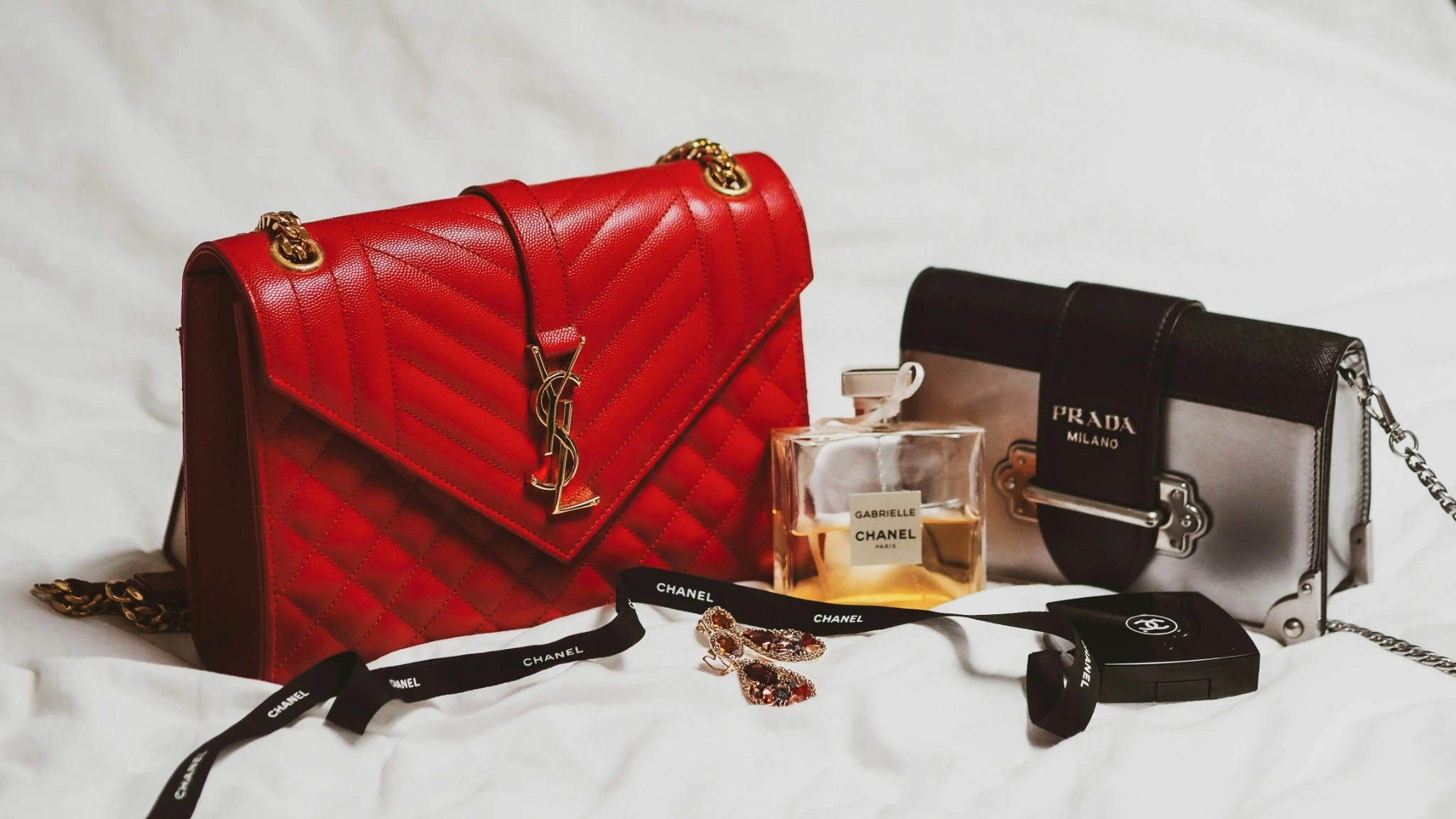
Many designer brands use pebbled calfskin because it combines elegance with practical durability.
Popular styles include:
Premium Wallets
Wallet manufacturers appreciate pebbled calfskin for its resistance to constant handling.
The texture helps conceal wear from pockets and daily use.
Luxury Footwear
Many high-end shoes incorporate pebbled calfskin for added character and durability.
Examples include:
- Loafers
- Derby shoes
- Boots
- Dress sneakers
Business Accessories
Pebbled calfskin is commonly found in:
- Briefcases
- Portfolios
- Laptop sleeves
- Document holders
Its durability makes it especially suitable for professional environments.
How to Identify Genuine Pebbled Calfskin
Consumers should understand how to distinguish authentic pebbled calfskin from lower-quality alternatives.
Feel the Surface
Authentic pebbled calfskin should feel:
- Soft
- Supple
- Rich in texture
- Naturally flexible
Synthetic materials often feel overly rigid or plasticky.
Examine the Grain Pattern
High-quality pebbled calfskin typically displays:
- Consistent grain
- Natural variation
- Fine detail
Cheap embossing often appears repetitive and artificial.
Check the Edges
Luxury leather products usually feature carefully finished edges and precise craftsmanship.
Poor edge finishing can indicate lower-quality materials.
Evaluate the Aroma
Genuine calfskin has a distinctive leather scent that synthetic materials cannot fully replicate.
Caring for Pebbled Calfskin
Proper maintenance significantly extends the lifespan of luxury leather goods.
Regular Dust Removal
Use a soft microfiber cloth to remove surface dust and debris.
Weekly cleaning prevents dirt accumulation.
Avoid Excess Moisture
Although pebbled calfskin is relatively resistant to water exposure, prolonged moisture can still damage leather fibers.
If wet:
- Blot gently.
- Allow natural drying.
- Avoid direct heat sources.
Condition Periodically
Apply a quality leather conditioner every few months.
Conditioning helps maintain:
- Flexibility
- Color richness
- Surface integrity
Proper Storage
Store products in:
- Dust bags
- Cool environments
- Low-humidity conditions
Avoid prolonged exposure to sunlight.
Practical Scenarios: When Pebbled Calfskin Is the Best Choice
Scenario 1: The Frequent Traveler
A business traveler carrying a luxury tote through airports benefits from pebbled calfskin’s scratch resistance and durability.
Minor bumps and handling marks remain less visible.
Scenario 2: Daily Office Use
Professionals who use leather briefcases daily appreciate the material’s ability to maintain its appearance despite constant handling.
Scenario 3: First Luxury Handbag Purchase
Someone investing in their first luxury handbag often finds pebbled calfskin to be a practical choice because it requires less maintenance than smooth leather.
Scenario 4: Long-Term Investment
Consumers seeking products that maintain aesthetic appeal over many years frequently choose pebbled calfskin due to its resilience and timeless style.
Sustainability and Modern Leather Production
The leather industry continues to evolve with growing attention to sustainability.
Many modern tanneries now focus on:
- Reduced water consumption
- Responsible sourcing
- Improved waste management
- Lower-emission production methods
Consumers interested in sustainability should research the sourcing and tanning practices of specific manufacturers before making a purchase.
Future Trends in Pebbled Calfskin Luxury Goods
Pebbled calfskin remains highly relevant in today’s luxury market.
Emerging trends include:
- Lightweight leather constructions
- Eco-conscious tanning methods
- Enhanced protective finishes
- Digitally optimized production processes
As consumers increasingly seek products that combine luxury with practicality, pebbled calfskin is likely to remain a preferred material across premium leather categories.
Conclusion
Pebbled calfskin represents one of the most versatile and practical luxury leathers available today. Its distinctive textured surface, excellent durability, scratch resistance, and refined appearance make it a favorite choice for handbags, wallets, footwear, and professional accessories.
For consumers seeking a balance between luxury aesthetics and everyday functionality, pebbled calfskin delivers exceptional value. While smooth calfskin may offer a more formal appearance, pebbled calfskin excels in real-world usability, making it an ideal investment for those who appreciate both craftsmanship and practicality.
Whether you are purchasing your first luxury leather item or expanding an existing collection, understanding the qualities of pebbled calfskin will help you make a more informed and confident buying decision.
References
American Leather Chemists Association. (2021). Leather terminology and standards handbook. American Leather Chemists Association.
Covington, A. D. (2020). Tanning chemistry: The science of leather (2nd ed.). Royal Society of Chemistry.
Heidemann, E. (2021). Fundamentals of leather manufacturing. Eduard Roether KG.
International Council of Tanners. (2023). Sustainability developments in leather manufacturing. ICT Industry Report.
Leather Working Group. (2024). Environmental auditing protocol for the leather industry. Leather Working Group.
Satra Technology Centre. (2022). Leather performance and durability assessment guide. SATRA Publication.
United Nations Industrial Development Organization. (2021). Future trends in sustainable leather production. UNIDO Publishing.
World Leather. (2023). Luxury leather market trends and consumer preferences. World Leather Research Report.
Zhang, Y., Liu, H., & Wang, J. (2022). Advances in sustainable leather processing technologies. Journal of Cleaner Production, 350, 131421.