Pavé Cuff : What is Pave Cuff
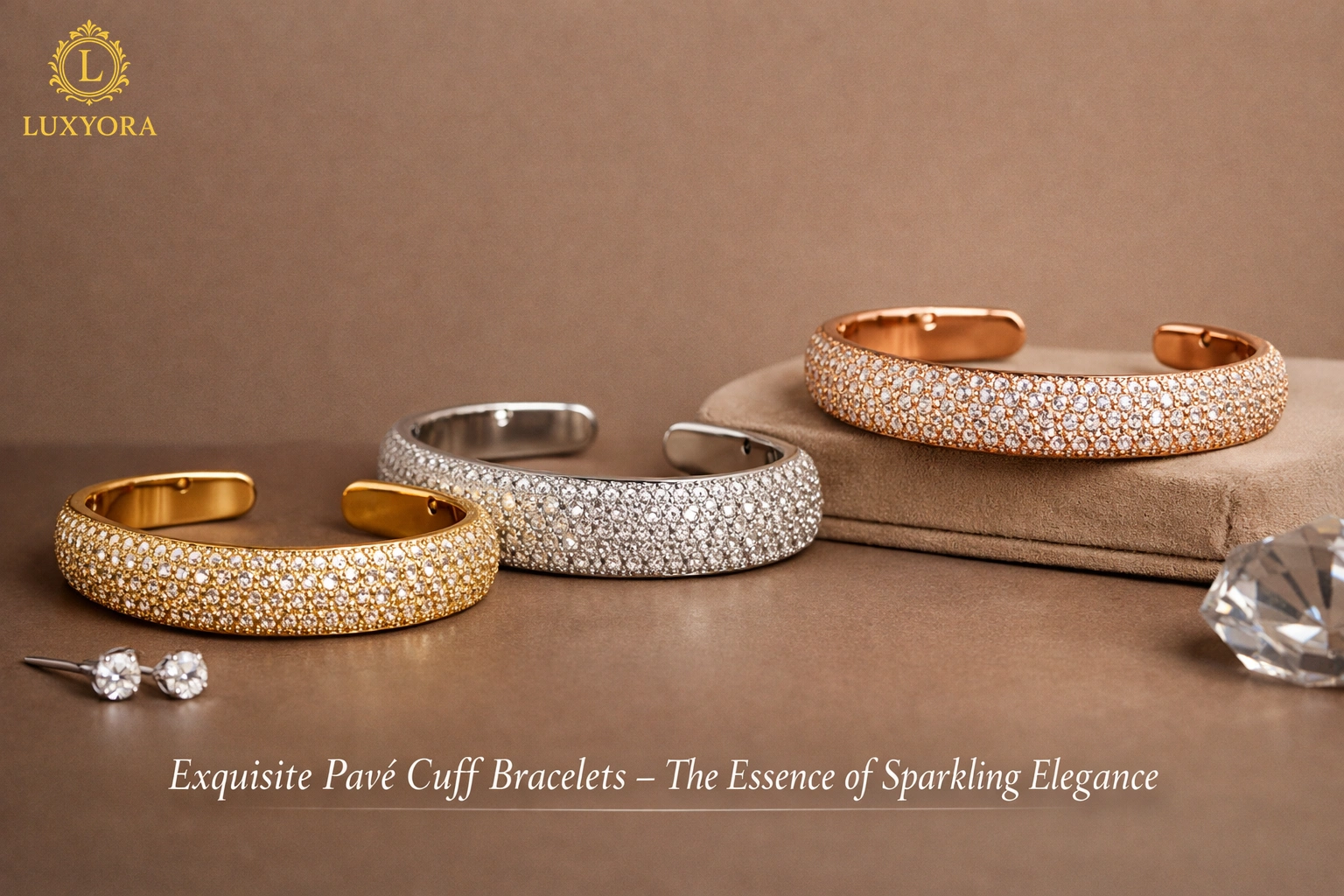
The term pavé cuff describes a beautiful type of jewellery that merges two elegant design features: pavé setting and cuff-style architecture. The word pavé, from French meaning “paved,” refers to a technique where tiny gemstones are set closely together, leaving little to no metal showing. This creates a seamless, sparkling surface that looks like a paved pathway made of diamonds or gemstones.
Applying this detailed setting to a cuff bracelet, usually a stiff, open band that slides onto the wrist, results in a striking yet sophisticated accessory that has become a common element in both luxury and modern jewellery lines.
In this article, we’ll explore everything you need to know about pavé cuffs, from their history and craftsmanship to styling tips, buying considerations, and real-world scenarios.
What Is a Pavé Setting?
Understanding the Technique
A pavé setting involves embedding multiple small gemstones, usually diamonds, into a metal surface using tiny prongs or beads. These stones are placed so closely together that they create a seamless, glittering effect.
Types of Pavé Settings
- Micro Pavé: Uses extremely small stones for a delicate, refined look
- French Pavé: Features V-shaped cuts in the metal to allow more light to hit the stones
- U-Cut Pavé: Creates a scalloped appearance for added brilliance
Each variation affects how light interacts with the stones, influencing sparkle and overall aesthetics.
What Makes a Cuff Bracelet Unique?
Structure and Design
A cuff bracelet is typically:
- Rigid (not flexible like chain bracelets)
- Open-ended (no clasp required)
- Designed to slide onto the wrist
This structure allows for bold designs, making cuffs an ideal canvas for pavé settings.
Materials Used
Common materials include:
- Gold (yellow, white, rose)
- Platinum
- Sterling silver
- Mixed metals
When combined with pavé stones, these materials elevate the bracelet into a luxury statement piece.
Why Pavé Cuffs Are So Popular
Timeless Elegance
Pavé cuffs offer a classic aesthetic that never goes out of style. Their continuous sparkle makes them suitable for both formal and casual occasions.
Versatility
They can be:
- Worn alone as a statement piece
- Stacked with other bracelets for a layered look
- Paired with watches for a modern twist
Celebrity and Fashion Influence
Pavé cuffs are frequently seen on red carpets and fashion runways, contributing to their growing popularity in mainstream fashion.
Craftsmanship Behind Pavé Cuffs
Precision and Skill
Creating a pavé cuff requires:
- Expert stone setting
- Precision drilling
- Careful alignment of gemstones
Even a minor error can affect the symmetry and durability of the piece.
Time-Intensive Process
Depending on complexity, a pavé cuff can take several days or even weeks to complete, especially when handcrafted.
Practical Tips for Buying a Pavé Cuff
Check Stone Quality
Look for:
- Consistent size and color
- Secure settings
- High clarity (for diamonds)
Evaluate Metal Durability
If you plan to wear the cuff daily, opt for stronger metals like platinum or 18K gold.
Comfort and Fit
- Ensure the cuff isn’t too tight or too loose
- Check for smooth edges to avoid skin irritation
Certification and Authenticity
Always buy from reputable jewelers and request certification for high-value pieces.
Styling a Pavé Cuff
Everyday Wear
Pair a subtle pavé cuff with:
- Casual outfits like jeans and a blouse
- Minimalist jewelry for a clean look
Formal Occasions
Choose a bold pavé cuff with:
- Evening gowns
- Cocktail dresses
Layering Techniques
Stack with:
- Thin bangles
- Leather bracelets
- Watches
Balance is key to avoiding overcrowding the wrist.
Real-Life Scenarios and Examples
Scenario 1: Office Elegance
A marketing executive wears a slim pavé cuff with a tailored blazer and watch. The bracelet adds just enough sparkle without being distracting.
Scenario 2: Wedding Guest Look
A guest pairs a rose gold pavé cuff with a pastel dress. The shimmer complements the outfit and enhances the overall elegance.
Scenario 3: Casual Brunch
A fashion enthusiast stacks a pavé cuff with beaded bracelets for a trendy, laid-back vibe.
Maintenance and Care
Cleaning Tips
- Use a soft brush and mild soap
- Avoid harsh chemicals
- Clean regularly to maintain sparkle
Storage
- Store separately to avoid scratches
- Use a soft pouch or jewelry box
Professional Servicing
Have your pavé cuff checked annually to ensure stones remain secure.
Common Mistakes to Avoid
Ignoring Fit
A poorly fitting cuff can slip off or feel uncomfortable.
Overlooking Quality
Low-quality pavé settings may result in loose or missing stones.
Improper Storage
Storing with other jewelry can cause scratches and damage.
Pavé Cuffs in the Jewelry Industry
Market Trends
Recent trends show:
- Increased demand for sustainable materials
- Popularity of lab-grown diamonds
- Customizable pavé designs
Investment Value
High-quality pavé cuffs, especially those made with precious metals and diamonds, can retain or even increase in value over time.
Ethical and Sustainable Considerations
Lab-Grown Diamonds
These offer:
- Lower environmental impact
- More affordable pricing
Ethical Sourcing
Look for brands that follow:
- Conflict-free diamond sourcing
- Fair labor practices
Final Thoughts
A pavé cuff is more than just a piece of jewelry; it’s a symbol of craftsmanship, elegance, and timeless style. Whether you’re buying your first luxury bracelet or adding to an existing collection, understanding the intricacies of pavé cuffs can help you make informed decisions.
From everyday wear to special occasions, these dazzling accessories offer unmatched versatility and sophistication. With proper care and thoughtful styling, a pavé cuff can become a cherished part of your jewelry wardrobe for years to come.
References
- CIBJO. (2020). The Blue Book: Diamond, Gemstone, and Pearl Standards. World Jewellery Confederation.
- GIA. (2021). Diamond Setting Techniques and Jewelry Design. Gemological Institute of America.
- International Gem Society. (2019). Jewelry Settings Guide: Pavé and Beyond.
- McGrath, J. (2018). The Jewelry Handbook: How to Choose, Wear & Care for Jewelry. Firefly Books.
- Rapaport Group. (2022). Global Diamond Industry Report.
-
- World Gold Council. (2021). Gold Jewelry Trends and Market Insights.