Jasmine Absolute : What is Jasmine Absolute?
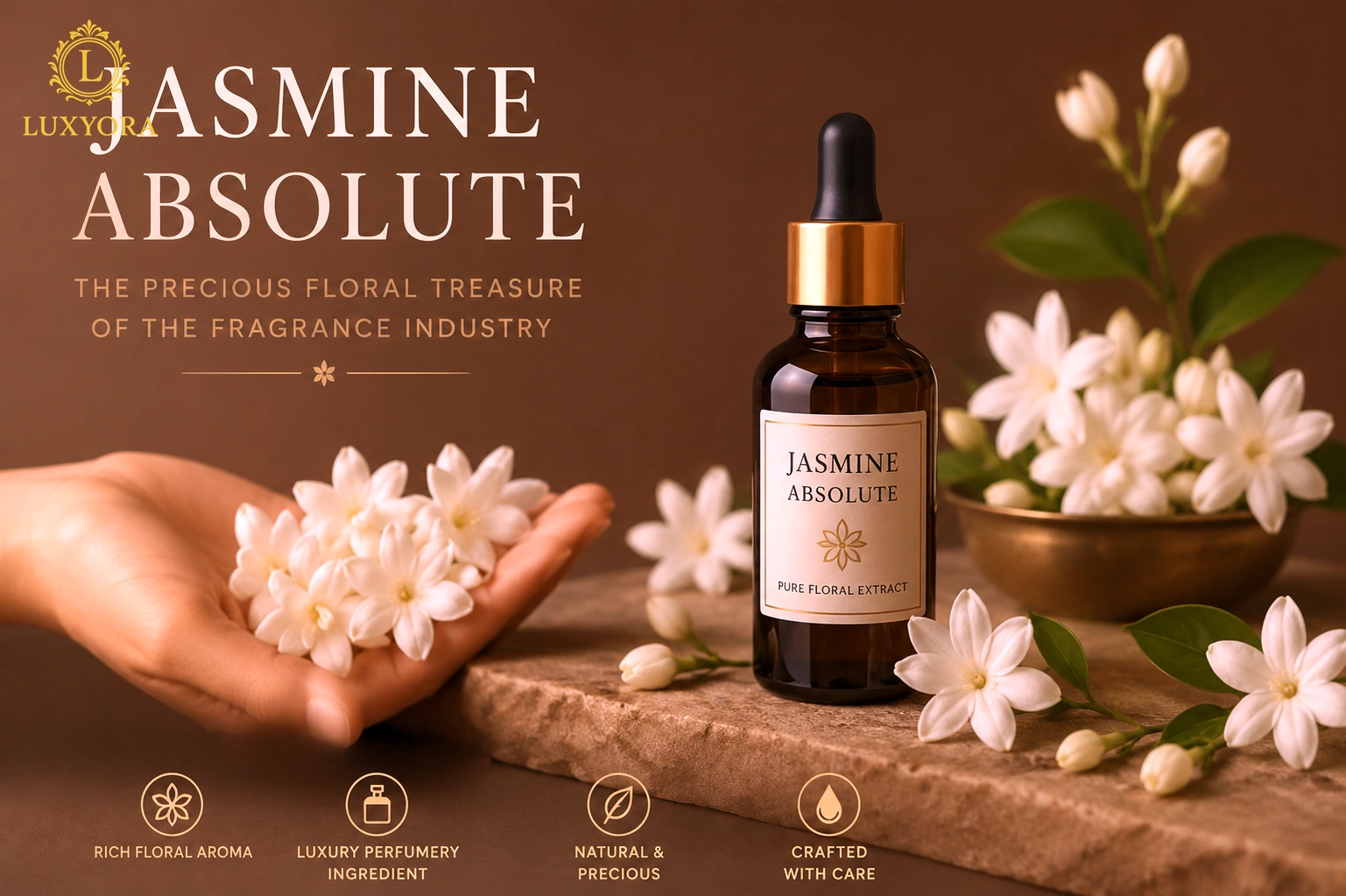
Jasmine absolute is one of the most prized and luxurious ingredients in the fragrance and beauty industry. Known for its rich floral aroma, exceptional depth, and remarkable versatility, jasmine absolute has been a cornerstone of fine perfumery for centuries. From high-end luxury perfumes to skincare formulations, this precious botanical extract continues to play a vital role in modern beauty and fragrance creation.
As consumer demand for natural ingredients, artisanal perfumes, and botanical beauty products grows, jasmine absolute has gained even greater prominence. Understanding its production process, benefits, applications, and market significance can help fragrance enthusiasts, beauty professionals, and consumers appreciate why this ingredient commands such respect and value.
What Is Jasmine Absolute?
Jasmine absolute is a highly concentrated aromatic extract obtained from jasmine flowers through solvent extraction. Unlike essential oils, which are typically produced through steam distillation, jasmine flowers are too delicate to withstand high temperatures without losing much of their fragrance profile.
The extraction process captures the flower’s complete aromatic complexity, resulting in a rich, intensely floral substance known as an absolute.
The two primary species used in commercial production are:
Jasminum grandiflorum
Often referred to as Spanish jasmine or Royal jasmine, this variety produces a softer, fresher, and slightly fruity aroma.
Jasminum sambac
Commonly known as Arabian jasmine, this variety offers a richer, warmer, sweeter, and more exotic scent profile.
Both varieties are highly valued in luxury perfumery, although each contributes unique olfactory characteristics.
Why Jasmine Absolute Is So Valuable
Jasmine absolute is among the most expensive natural fragrance materials in the world. Several factors contribute to its premium pricing.
Labor-Intensive Harvesting
Jasmine flowers must be handpicked, often before sunrise when their fragrance molecules are at their peak concentration. The flowers are extremely delicate and require careful handling.
Massive Flower Requirements
Thousands of blossoms are needed to produce a small amount of absolute. In some cases, approximately 7 to 8 million flowers may be required to create one kilogram of jasmine absolute.
Limited Blooming Window
Jasmine flowers bloom seasonally and have a short harvesting period, making supply naturally limited.
Complex Extraction Process
The solvent extraction method involves multiple stages of processing, purification, and quality control, adding to production costs.
These factors collectively make jasmine absolute a premium raw material used primarily in luxury fragrance and beauty formulations.
The Production Process of Jasmine Absolute
Understanding how jasmine absolute is produced helps explain its exceptional quality and market value.
Step 1: Flower Harvesting
Fresh jasmine blossoms are carefully harvested during early morning hours to preserve their aromatic compounds.
Step 2: Solvent Extraction
The flowers are placed in extraction vessels and treated with a food-grade solvent that dissolves aromatic molecules and waxes.
Step 3: Creation of Concrete
After solvent removal, a waxy, fragrant substance known as jasmine concrete remains.
Step 4: Alcohol Extraction
The concrete is further processed using alcohol, which separates aromatic compounds from plant waxes.
Step 5: Filtration and Refinement
The resulting liquid is filtered and purified to produce the final jasmine absolute.
The finished product is a dark amber to reddish-brown liquid with an intensely rich floral aroma.
Fragrance Profile of Jasmine Absolute
Jasmine absolute possesses one of the most complex scent profiles in perfumery.
Its aroma can be described as:
- Intensely floral
- Sweet and exotic
- Warm and sensual
- Slightly fruity
- Green and fresh
- Honey-like
- Softly animalic
- Rich and narcotic
This extraordinary complexity allows perfumers to use jasmine absolute in a wide variety of fragrance families.
Jasmine Absolute in Modern Perfumery
Jasmine absolute is often referred to as the “King of Flowers” in perfumery due to its exceptional versatility.
Floral Perfumes
Jasmine serves as a dominant note in many floral compositions, adding elegance and depth.
Oriental Fragrances
Its warm and sensual qualities make it an essential ingredient in oriental and amber fragrances.
White Floral Perfumes
Jasmine combines beautifully with tuberose, gardenia, and orange blossom to create luxurious white floral accords.
Chypre and Woody Fragrances
Perfumers often use jasmine to soften woody, mossy, or earthy compositions.
Niche Perfumery
Many niche fragrance houses use high-quality jasmine absolute to create unique artisan scents that highlight natural ingredients.
Practical Example: How Perfumers Use Jasmine Absolute
Consider a luxury evening perfume designed for sophistication and elegance.
The fragrance pyramid might look like this:
Top Notes
Heart Notes
- Jasmine absolute
- Rose absolute
- Orange blossom
Base Notes
In this composition, jasmine absolute acts as the emotional centerpiece, connecting the bright opening with the warm, long-lasting base.
Without jasmine absolute, the fragrance would lose much of its richness and sophistication.
Jasmine Absolute in the Beauty Industry
Beyond perfumery, jasmine absolute has become increasingly popular in premium beauty products.
Luxury Skincare
Many luxury skincare brands incorporate jasmine absolute into facial oils, creams, and serums due to its pleasant aroma and premium image.
Aromatherapy Products
Although aromatherapy often relies on essential oils, jasmine absolute is frequently included in wellness and relaxation formulations.
Haircare Products
High-end shampoos, conditioners, and hair masks often feature jasmine absolute to enhance sensory appeal.
Body Care Formulations
Body lotions, massage oils, and bath products frequently use jasmine absolute to create a luxurious user experience.
Benefits of Jasmine Absolute in Beauty Products
Enhanced Sensory Experience
Consumers increasingly seek products that deliver emotional and sensory benefits. Jasmine’s luxurious fragrance enhances product enjoyment.
Premium Positioning
The inclusion of jasmine absolute helps brands position products within the luxury and prestige beauty segments.
Natural Ingredient Appeal
As natural beauty trends continue to grow, jasmine absolute aligns with consumer preferences for botanical ingredients.
Emotional Wellness Connection
The rich floral scent of jasmine is commonly associated with relaxation, confidence, and emotional well-being.
Sustainability and Ethical Sourcing
Sustainability has become a major concern in the fragrance and beauty industries.
Responsible Farming
Many suppliers now work directly with farmers to improve cultivation practices and ensure consistent quality.
Fair Trade Initiatives
Ethical sourcing programs help support local farming communities involved in jasmine cultivation.
Biodiversity Protection
Responsible jasmine farming contributes to agricultural biodiversity and helps maintain traditional farming practices.
Traceability
Modern fragrance manufacturers increasingly seek full traceability from flower cultivation to finished extract.
Consumers are becoming more interested in understanding where fragrance ingredients originate and how they are produced.
Jasmine Absolute vs Jasmine Essential Oil
Many consumers mistakenly assume these products are identical.
Extraction Method
Jasmine absolute is produced through solvent extraction, while jasmine essential oil is typically produced through alternative extraction methods and is far less common.
Fragrance Richness
Jasmine absolute captures a broader spectrum of aromatic compounds.
Industry Preference
Professional perfumers generally prefer jasmine absolute because it provides a fuller and more authentic jasmine scent.
Cost Differences
Both products are expensive, but jasmine absolute remains the industry standard for fine fragrance creation.
Current Market Trends for Jasmine Absolute
Several trends are shaping the global demand for jasmine absolute.
Growth of Natural Fragrances
Consumers increasingly seek fragrances featuring authentic botanical ingredients.
Clean Beauty Movement
Brands are highlighting naturally derived ingredients to meet consumer expectations for transparency.
Luxury Niche Perfumes
The niche fragrance market continues to expand, increasing demand for premium raw materials like jasmine absolute.
Personalized Fragrances
Custom fragrance creation often incorporates jasmine absolute because of its versatility and broad consumer appeal.
Wellness-Oriented Beauty
Consumers are gravitating toward products that combine beauty benefits with emotional and sensory experiences.
Example Scenario: Choosing Jasmine Absolute for a Luxury Brand
Imagine a premium skincare company launching a nighttime facial oil targeted at affluent consumers.
The brand wants to communicate:
- Luxury
- Natural ingredients
- Sensory indulgence
- Emotional wellness
By incorporating jasmine absolute, the company achieves all four objectives simultaneously. The ingredient provides a sophisticated fragrance profile, reinforces the product’s premium positioning, supports botanical storytelling, and enhances the overall customer experience.
This illustrates why jasmine absolute remains one of the most sought-after ingredients in luxury beauty formulations.
Practical Tips for Brands Using Jasmine Absolute
Prioritize Quality Suppliers
Choose suppliers with strong traceability and sustainability credentials.
Verify Authenticity
Ensure the material is genuine jasmine absolute rather than synthetic substitutes.
Balance Formulation Costs
Because jasmine absolute is expensive, formulators often use it strategically alongside complementary floral materials.
Communicate Ingredient Storytelling
Consumers appreciate learning about the origin, harvesting process, and craftsmanship behind premium ingredients.
Focus on Sensory Marketing
Highlighting jasmine absolute’s luxurious aroma can strengthen product differentiation.
The Future of Jasmine Absolute in Fragrance and Beauty
Jasmine absolute is expected to remain a cornerstone ingredient in the fragrance and beauty industry. Growing consumer interest in natural ingredients, luxury experiences, ethical sourcing, and botanical wellness products continues to support its long-term demand.
Advances in sustainable agriculture, improved extraction technologies, and greater transparency throughout supply chains are likely to further enhance the reputation and value of jasmine absolute.
For fragrance houses, skincare brands, and beauty innovators, jasmine absolute represents far more than a floral ingredient. It embodies craftsmanship, luxury, heritage, and sensory excellence. Its unmatched aroma and versatility ensure that it will continue to inspire perfumers and beauty professionals for generations to come.
Conclusion
Jasmine absolute stands among the most treasured ingredients in the global fragrance and beauty industry. Its extraordinary scent profile, labor-intensive production process, and broad application across perfumes, skincare, haircare, and wellness products make it a truly exceptional botanical extract. As luxury consumers increasingly seek authentic, sustainable, and emotionally engaging beauty experiences, jasmine absolute continues to hold a prestigious position in both traditional and modern formulations. Understanding its origins, benefits, and market significance allows industry professionals and consumers alike to appreciate why this remarkable floral extract remains one of the world’s most coveted fragrance materials.
References
Arctander, S. (2019). Perfume and flavor materials of natural origin (Reprint ed.). Aroma Publishers.
Baser, K. H. C., & Buchbauer, G. (2020). Handbook of essential oils: Science, technology, and applications (3rd ed.). CRC Press.
Calkin, R. R., & Jellinek, J. S. (2018). Perfumery: Practice and principles. Wiley.
International Fragrance Association. (2023). Guidance on natural fragrance materials and sustainability practices. IFRA.
Lawless, J. (2020). The encyclopedia of essential oils (Updated ed.). Conari Press.
Moyler, D. A. (2022). Sources of natural fragrance ingredients. Wiley-Blackwell.
Sell, C. S. (2019). Chemistry of fragrances: From perfumer to consumer (3rd ed.). Royal Society of Chemistry.
The International Federation of Essential Oils and Aroma Trades (IFEAT). (2023). Market report on jasmine cultivation and aromatic extracts. IFEAT.
Tisserand, R., & Young, R. (2021). Essential oil safety: A guide for health care professionals (2nd revised update). Elsevier.
Worwood, V. A. (2021). The complete book of essential oils and aromatherapy (Revised edition). New World Library.