Motion Control Shoes: What are Motion Control Schoes
Selecting the right footwear is essential for comfortable running or walking, and motion control shoes play a key role in this. Designed for people who overpronate or require high stability, these shoes are vital in the athletic footwear market. Whether you’re an experienced runner, a fitness lover, or managing foot alignment concerns, understanding motion control shoes can guide you toward smarter, healthier choices.
In this helpful guide, we’ll explore everything you need to know about motion control shoes, including how they work, who might find them useful, their benefits, and tips for choosing the perfect pair for you.
What Are Motion Control Shoes?
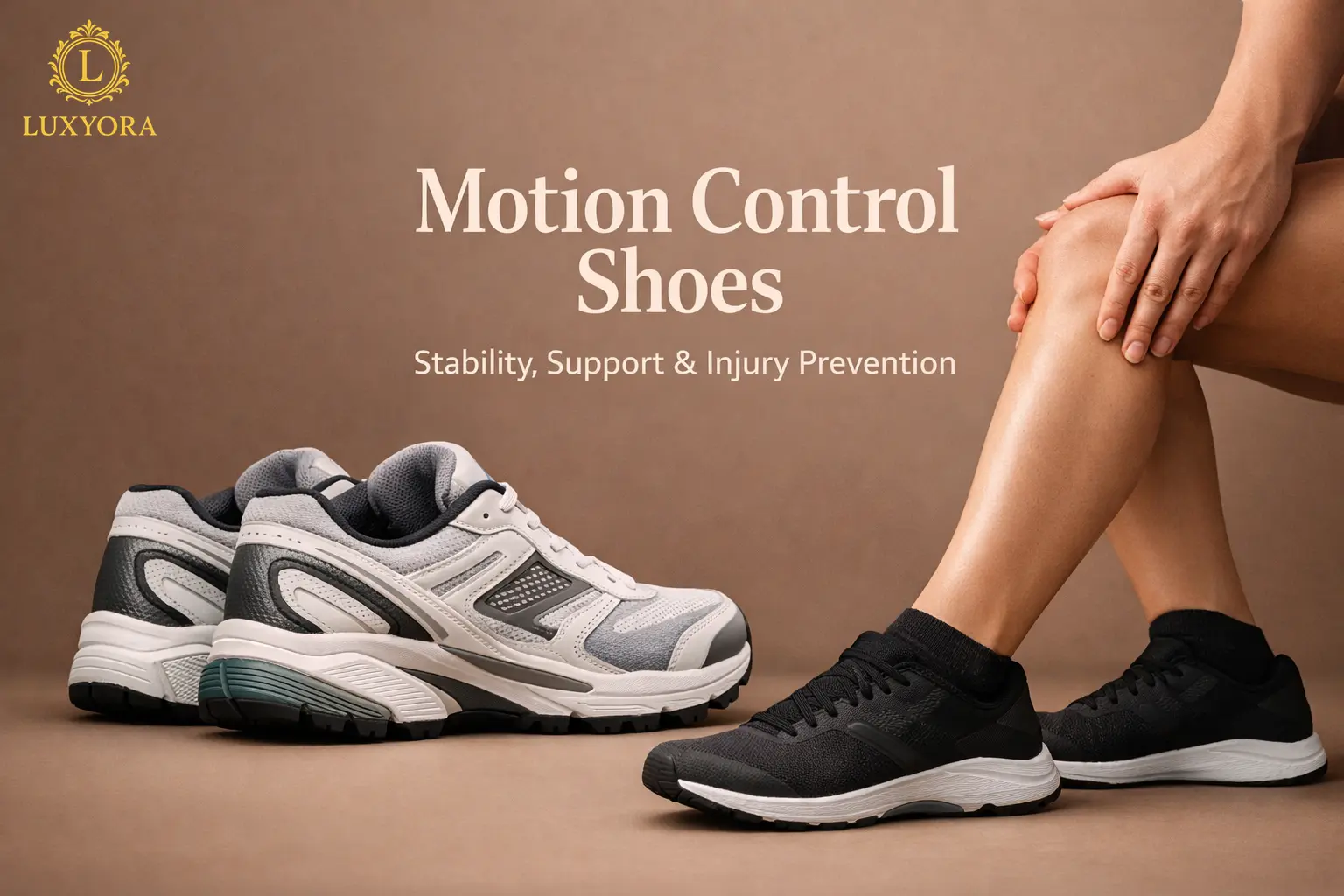
Motion control shoes are a helpful type of footwear made to provide extra support and prevent your foot from moving too much, especially in cases of overpronation. Overpronation happens when your foot rolls inward too far while you’re walking or running, which can sometimes cause discomfort, imbalance, and in the long run, potential injuries. Wearing these shoes can make a real difference in offering stability and comfort.
These shoes are built with:
- Firm midsoles
- Reinforced arch support
- Stiff heel counters
- Straight or semi-straight lasts (shoe shape)
Motion control shoes focus on stability rather than flexibility, unlike neutral or cushioned footwear, making them perfect for people with flat feet or low arches.
Understanding Overpronation and Why It Matters
What Is Overpronation?
When your foot strikes the ground, it naturally rolls inward slightly to absorb shock. However, in overpronation:
- The inward roll is excessive
- The arch collapses more than normal
- The body’s alignment is affected
Common Symptoms of Overpronation
- Foot pain or fatigue
- Knee or hip discomfort
- Uneven wear on shoe soles (inner edge)
- Shin splints or plantar fasciitis
Real-Life Scenario
Imagine a beginner runner who starts jogging daily without proper footwear. After a few weeks, they begin to feel knee pain. Upon checking their worn-out shoes, they notice heavy wear on the inner side. This is a classic case where motion control shoes could have prevented the issue.
Key Features of Motion Control Shoes
1. Firm Midsole Support
Motion control shoes use dense foam or dual-density midsoles to prevent excessive inward rolling.
2. Medial Post Technology
A firmer material on the inner side of the shoe helps stabilize the foot and control pronation.
3. Reinforced Heel Counter
The back of the shoe is stiffened to keep the heel aligned properly during movement.
4. Straight Last Design
This provides a broader base, improving overall balance and stability.
5. Durable Outsole
These shoes are built for longevity, especially for heavier runners or those who need extra support.
Who Should Wear Motion Control Shoes?
Motion control shoes are not for everyone. They are specifically designed for:
1. Overpronators
If your feet roll inward excessively, these shoes help correct alignment.
2. Flat-Footed Individuals
People with little to no arch benefit from added structure and support.
3. Heavier Runners
Extra body weight increases stress on joints, making stability essential.
4. People with Chronic Foot Pain
Conditions like plantar fasciitis or shin splints can improve with proper footwear.
Example Situation
A warehouse worker who stands for long hours may experience foot fatigue due to flat feet. Switching to motion control shoes can reduce strain and improve comfort throughout the day.
Benefits of Motion Control Shoes
1. Improved Stability
These shoes keep your foot aligned, reducing unnecessary movement.
2. Injury Prevention
By correcting overpronation, they minimize stress on knees, hips, and ankles.
3. Better Posture
Proper alignment contributes to improved overall body posture.
4. Enhanced Comfort for Long Use
Ideal for people who walk or stand for extended periods.
5. Long-Term Foot Health
Consistent use can prevent chronic conditions from worsening.
Motion Control vs Stability vs Neutral Shoes
Motion Control Shoes
- Maximum support
- Best for severe overpronation
- Stiff and structured
Stability Shoes
- Moderate support
- Ideal for mild to moderate overpronation
- More flexible than motion control
Neutral Shoes
- Minimal support
- Best for people with normal pronation
- Focus on cushioning
Practical Tip
If you’re unsure which category you fall into, visit a specialty running store for a gait analysis. This simple test can help identify your foot mechanics.
How to Choose the Right Motion Control Shoes
1. Check Your Foot Type
Use the wet footprint test:
- Flat footprint → likely overpronation
- High arch → neutral or supination
2. Look for Proper Fit
- Ensure a snug heel fit
- Leave space in the toe box
- Avoid tight arch areas
3. Test for Comfort
Walk or jog in the shoes before buying. Comfort is non-negotiable.
4. Consider Your Activity
- Running → lightweight but supportive
- Walking → more cushioning
- Work → durability and comfort
5. Replace Regularly
Even the best shoes wear out. Replace them every 500-800 km or when support diminishes.
Common Mistakes to Avoid
1. Choosing Based on Style Alone
Looks don’t equal performance. Always prioritize function.
2. Ignoring Pain Signals
If your current shoes cause discomfort, don’t wait; switch immediately.
3. Overcorrecting
Not everyone needs motion control shoes. Using them unnecessarily can cause discomfort.
4. Buying the Wrong Size
Foot size can change over time; always measure before purchasing.
Motion Control Shoes for Different Activities
Running
Designed for repetitive impact, offering maximum support and shock absorption.
Walking
Provide comfort and stability for daily use, especially for long distances.
Work Environments
Ideal for professions requiring prolonged standing, such as healthcare or retail.
Gym Training
Less common but useful for controlled movements and weight training.
Industry Trends and Innovations
The footwear industry has evolved significantly since 2018, with motion control shoes becoming more advanced:
- Lightweight Materials: Modern shoes are less bulky while maintaining support
- 3D Foot Mapping: Custom-fit designs based on individual foot structure
- Sustainable Materials: Eco-friendly manufacturing processes
- Smart Insoles: Integration with wearable tech for gait tracking
These innovations make motion control shoes more comfortable and accessible than ever before.
Final Thoughts
Motion control shoes are more than just footwear; they’re a tool for better movement, improved posture, and long-term health. If you struggle with overpronation, flat feet, or chronic discomfort, investing in the right pair can significantly enhance your daily life.
Understanding your foot type and choosing the right shoe can prevent injuries, improve performance, and keep you moving comfortably for years to come.
References
Cheung, R. T. H., & Ng, G. Y. F. (2018). Efficacy of motion control shoes for reducing excessive rearfoot motion in runners. Journal of Sports Sciences, 36(8), 915–921.
Nigg, B. M., & Wakeling, J. M. (2019). Impact forces and muscle tuning: A new paradigm. Exercise and Sport Sciences Reviews, 47(2), 81–87.
Richie, D. H. (2021). Biomechanics and clinical analysis of the adult acquired flatfoot. Journal of the American Podiatric Medical Association, 111(3), 1–10.
Richards, C. E., Magin, P. J., & Callister, R. (2020). Is your prescription of distance running shoes evidence-based? British Journal of Sports Medicine, 54(23), 1378–1384.
Sun, X., Lam, W. K., Zhang, X., Wang, J., & Fu, W. (2020). Systematic review of the role of footwear constructions in running biomechanics. Journal of Sports Sciences, 38(10), 1167–1178.