Why Pre-Owned Luxury Is Changing the Designer Handbag Market
A second-hand designer handbag used to be the sensible answer to a price tag. In 2026, it is just as likely to be the answer to a search for a particular model in a colour the house has long since retired: a Chanel flap with the older lock, say, or a vintage Speedy in monogram canvas.
Bain & Company estimates that pre-owned luxury grew by 7 to 8 per cent a year between 2019 and 2025, three to four times the pace of new luxury goods. That figure spans categories from personal luxury goods to private jets, but Bain’s June 2026 update adds a detail that belongs to bags: online searches for vintage bags have more than doubled year over year.
The Rising Demand for Pre-Owned Designer Handbags
Roughly half of luxury shoppers now check the secondhand market before buying anything new, according to the same June update. Dedicated platforms such as The RealReal and Vestiaire Collective sit alongside the consignment shop and the vintage boutique, and the previous owner has become part of a bag’s appeal for some buyers, particularly on a model that left the shops years ago.
Handbags are collected by version. A Chanel 2.55 reissue and a flap from the 1990s are different objects, and two Speedys made decades apart differ in their leather and their zips. The boutique stocks only the current version, and earlier ones are found in resale.
Price enters the picture too. Bain’s November 2026 study ties pre-owned growth in personal luxury goods to heritage and affordability, and its December 2025 study counted about 20 million fewer luxury consumers than a year earlier, some of whom had traded down or redirected spending towards experiences and pre-owned luxury. A pre-owned bag in good condition can cost less than the boutique equivalent, while a discontinued model in demand can sell above its original retail price.
How Luxury Resale Platforms Are Changing the Designer Handbag Market
The larger platforms now sell verification alongside the bag. The RealReal says it authenticates every item it sells, checking brand markings, date codes, serial tags and hologram stickers. Fashionphile says two authenticators who specialise in the brand check each item before it is listed, and it guarantees authenticity for life.
A discontinued handbag leaves the boutique shelves for good, and the archive sits in resale. Bain’s November 2026 study lists reconnecting with brand heritage and archives among the things pre-owned buyers want.
Listings, meanwhile, sit side by side. One model appears in several sizes and conditions from different sellers, each asking a different price, and a buyer can read the spread before committing to anything. A figure well under the rest deserves a second look. Sold prices, where a platform publishes them, show what bags have fetched.
Why Shoppers Reach for Pre-Owned Luxury Bags
A first-generation clasp or the weight of an older chain belongs to a particular moment, and shoppers who know a model well can name the version they want. Condition then works like a dial: a bag graded good, with visible wear on the corners, costs less than the same model graded excellent, and a rare colour from a short production run carries a premium before condition enters the discussion.
A bag in a retired colourway turns up on far fewer shoulders than the season’s best-seller, and tracking one down takes a patience that some buyers enjoy. Bain’s November 2026 study counts the entertainment of the hunt among the things pre-owned buyers want.
Designer Handbags That Hold Their Appeal
The 2.55 takes its name from its launch date, February 1955. Gabrielle Chanel’s original closed with a rectangular Mademoiselle lock and hung from an all-metal chain. In 1983, Karl Lagerfeld swapped in the interlocking CC turn-lock and wove leather through the chain, the pairing now called the Classic Flap, and the 2005 Reissue went back to the Mademoiselle lock.
Georges Vuitton introduced the monogram canvas in 1896, a tribute to his father Louis, after the earlier Damier canvas was copied. The Speedy launched in 1930 as the Express, in plain canvas at first and in monogram soon after: a barrel with two rolled handles and a zip. The natural leather trim darkens with wear to a honey tone, and in resale that patina tells a buyer something about the bag’s history.
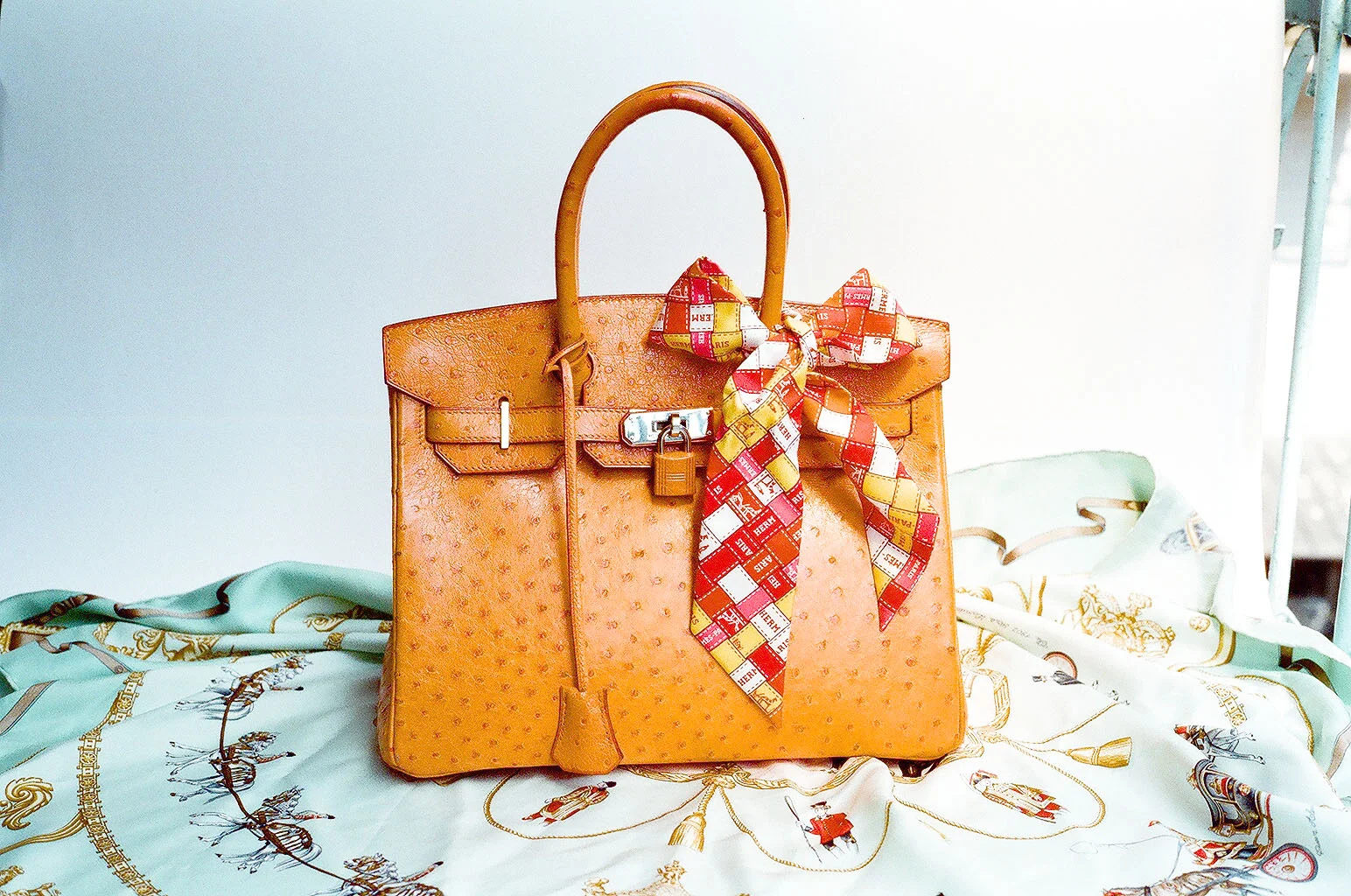
A Birkin or a Kelly is saddle-stitched by hand, two needles working a single thread, and each bag is made by one artisan. The Kelly began in the 1930s as the Sac à dépêches and took its present name in 1977, two decades after Grace Kelly was photographed with one; the Birkin followed in 1984, after Jean-Louis Dumas ended up seated beside Jane Birkin on a flight. A letter stamped into the leather marks the year. The sequence began in 1945 and restarted in 1971 with each letter set in a circle. A Birkin’s resale price depends on its size and leather, and two from the same year can sit far apart.
The Lady Dior, designed by Gianfranco Ferré, is quilted in the cannage pattern and hung with letter charms spelling D-I-O-R. The house first called it Chouchou, and in 1995 Bernadette Chirac gave one to Princess Diana, after which Dior renamed it in her honour. John Galliano introduced the Saddle in 1999, and Maria Grazia Chiuri brought it back in 2018.
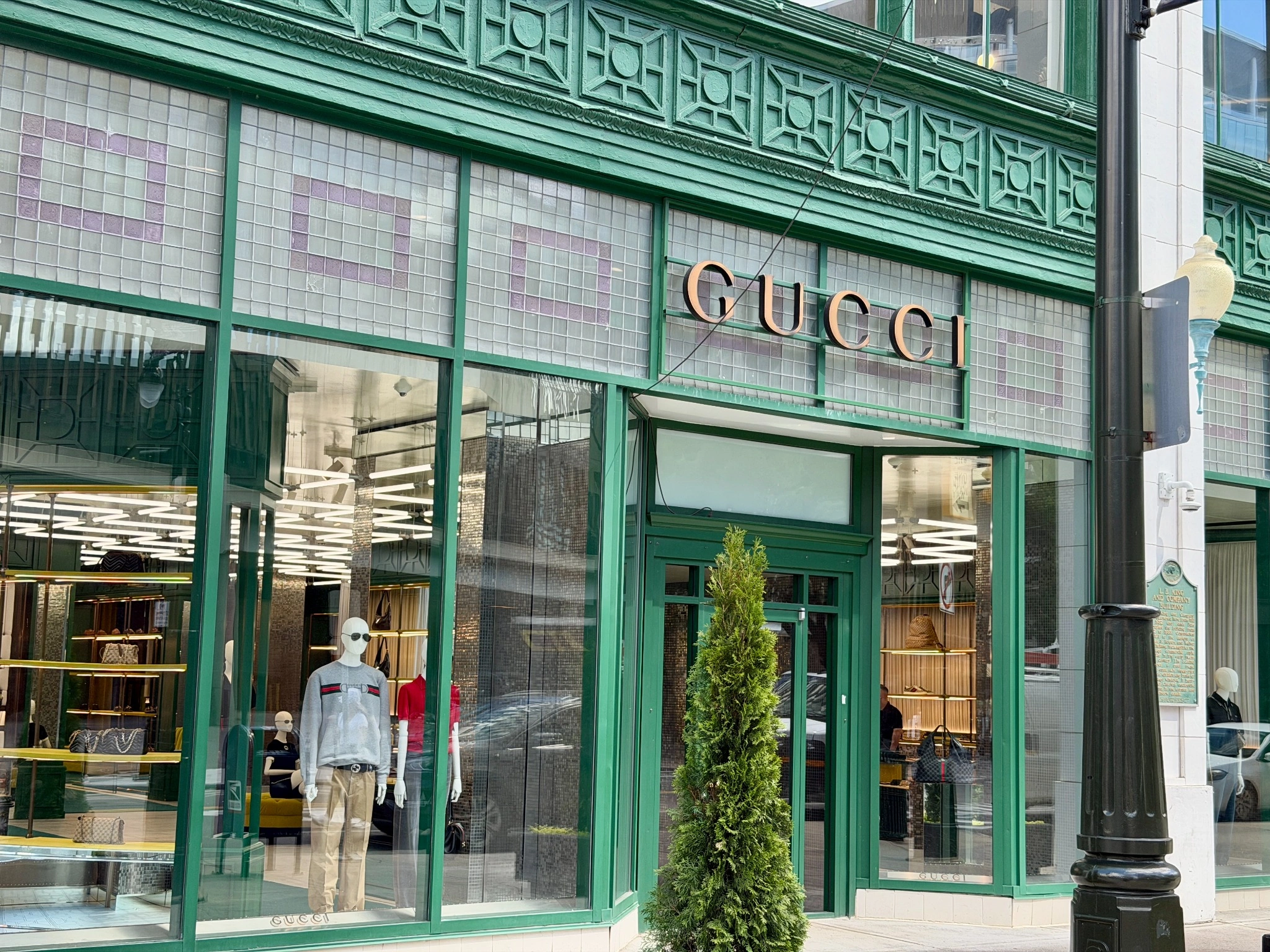
Gucci’s 1947 Bamboo bag owes its handle to postwar shortages. Leather was scarce, so the house imported bamboo from Japan and heated it into a curve. The Horsebit, a double ring and bar drawn from the house’s riding heritage, first appeared on a loafer in 1953 and reached a handbag in 1955.
Authenticity Matters More in Luxury Resale
Counterfeits complicate every resale transaction, because convincing copies circulate through the same marketplaces as real bags. Bain’s November 2026 study names finding authentic products among dupes as something pre-owned buyers want. A seller’s track record, and the way they answer a pointed question about a bag’s history, are worth reading closely.
Independent authentication services give a second opinion on a purchase made elsewhere, and Fashionphile offers one in person through its Certified service, by appointment at its flagships in New York City and San Diego. Vestiaire Collective checks every listing digitally and adds an authenticity check for high-risk brands. Items ordered with Authenticated Shipping go to one of its hubs for physical authentication before reaching the buyer. Its US help pages list that service at $15 where Direct Shipping is also offered, and it is built into the buyer service fee where it is not. Items sent by Direct Shipping go straight from seller to buyer, who has 72 hours after delivery to report a problem with a private seller’s item and 14 days with a professional seller’s.
Production codes differ by house and era. Chanel began putting serial stickers inside bags in the mid-1980s, with seven digits at first and eight from the mid-2000s, and moved to an embedded microchip in 2021. Louis Vuitton date codes run from the early 1980s to March 2021, when microchips took over; older bags are identified by their interior labels and construction. A code in the wrong format for the claimed era is a reason to look harder. Copyists reproduce codes, and Fashionphile lists stamping, stitching, engraving and hardware among its checks as well.
Leather sets the terms for condition. Chanel flaps come in soft lambskin and in grained calfskin, which resale listings call caviar leather, and each wears in its own way. A grade of excellent should come with photographs of the corners and the base, and any repair or restoration, such as re-coloured edges or a replaced zip, belongs in the listing. Original boxes and receipts add context, and a receipt matching the model and year supports a seller’s account of the bag. Paperwork can be copied or separated from the bag it came with.
Vintage vs Pre-Owned Designer Handbags
‘Pre-owned’ simply means a previous owner, whatever the age, and a bag resold in March after one season of wear qualifies. Sellers use ‘vintage’ for older pieces and draw the line in different places, so read the listing’s own definition. Archive is kept for designs or collections with a place in a house’s history, a 1980s Classic Flap for instance.
A pre-owned bag from last year can look new, while a vintage one carries its years in softened leather and worn corners and in the honey patina on older Vuitton trim.
A colour from a short production run has far fewer examples to choose from than a current best-seller. Collectability sits with specific models and versions: a sought-after vintage or archive piece can pass what it cost new, while a recent pre-owned bag can sit below its boutique price.
Where Pre-Owned Handbags Go From Here
Secondhand luxury sales reached an estimated €50 billion in 2025, up 4 to 6 per cent and ahead of new luxury goods, according to Bain’s December 2025 study. They sit outside the headline luxury figures. By June 2026 Bain was describing the resale market as thriving beyond watches. The November snap chart has the segment outgrowing primary luxury sales again this year, and Bain’s most likely scenario for personal luxury goods in 2027 runs from flat to 4 per cent growth at constant currency. For pre-owned luxury overall, the forecast for 2026 is another 4 to 6 per cent.
References: