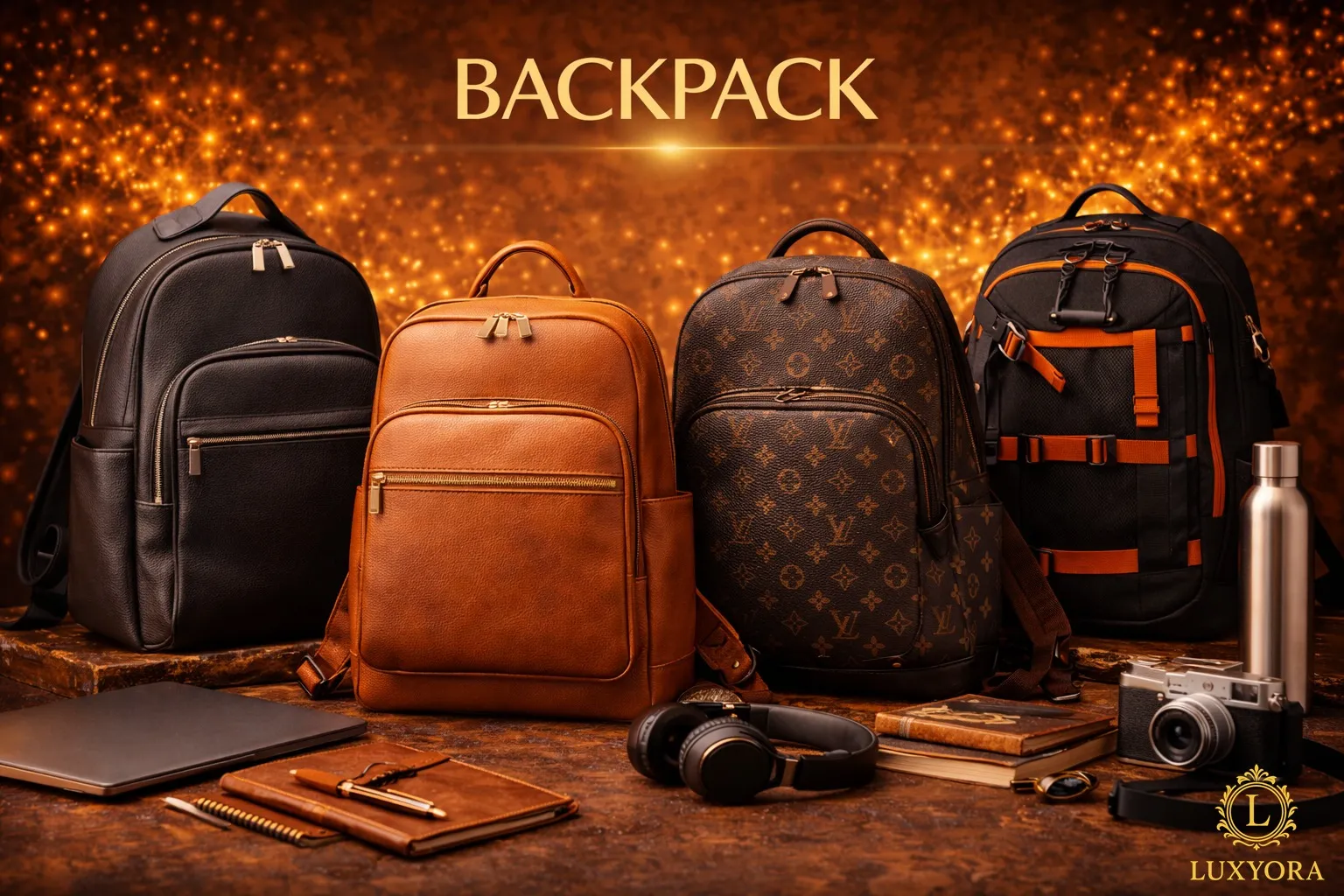
Backpack : What is Backpack
A backpack is more than just a handy bag; it’s a vital part of your daily routine that seamlessly combines practicality, comfort, and style. Whether you’re a student, traveler, professional, or someone who loves the outdoors, choosing the right backpack can really make your day easier and help keep you comfortable. Over time, backpacks have become more specialized, crafted with ergonomic design, innovative materials, and features that put the user first.
This detailed guide provides everything you need to know about backpacks, covering types, materials, shopping tips, real-world examples, and industry trends. Its goal is to be informative and practical for both beginners and seasoned users.
What is a Backpack?
A backpack is a handy, portable storage bag you carry on your back, usually secured with two shoulder straps. Unlike regular bags, backpacks distribute the weight evenly across your shoulders and back, making them perfect for carrying heavier loads more comfortably.
Modern backpacks are engineered with multiple compartments, ergonomic padding, waterproof materials, and even smart technology integrations.
Types of Backpacks and Their Uses
1. School Backpacks
These backpacks are built for students, focusing on organization and toughness. They usually feature sections for books, writing supplies, and laptops.
Features:
- Lightweight materials
- Multiple compartments
- Padded straps
Scenario:
A high school student carrying textbooks, a laptop, and lunch benefits from a structured school backpack with separate compartments.
2. Travel Backpacks
Travel backpacks are typically bigger and intended for multi-day journeys. They emphasize capacity, ease of access, and durability.
Features:
- Large storage (30-70 liters)
- Compression straps
- Anti-theft features
Scenario:
A solo traveler exploring Southeast Asia uses a 50L travel backpack with lockable zippers and hidden pockets.
3. Hiking and Outdoor Backpacks
These backpacks are designed to withstand tough environments and support extended trekking trips.
Features:
- Hydration compatibility
- Weather resistance
- Frame support (internal/external)
Scenario:
A trekker climbing a mountain trail uses a hiking backpack with a hydration bladder and reinforced back support.
4. Laptop Backpacks
These backpacks, intended for professionals and students, feature padded compartments for laptops and have sleek designs.
Features:
- Shock-resistant padding
- USB charging ports
- Slim profile
Scenario:
A remote worker commuting daily carries a laptop backpack with a power bank connection for charging devices on the go.
5. Tactical Backpacks
Originally designed for military use, tactical backpacks have become popular for their durability and customizable features.
Features:
- MOLLE webbing system
- Heavy-duty fabric
- Expandable storage
Scenario:
An emergency responder uses a tactical backpack to efficiently organize medical supplies.
6. Fashion Backpacks
These focus on aesthetics while still providing core functionality.
Features:
- Trendy designs
- Compact size
- Lightweight
Scenario:
A college student uses a minimalist leather backpack as both a fashion statement and a utility bag.
Materials Used in Modern Backpacks
Backpack materials significantly affect durability, weight, and weather resistance.
Common Materials
- Nylon: Lightweight and durable
- Polyester: Affordable and water-resistant
- Canvas: Stylish but heavier
- Leather: Premium and long-lasting
Advanced Materials
- Ripstop Fabric: Prevents tearing
- Ballistic Nylon: Extremely tough
- Waterproof Laminates: Ideal for outdoor use
Tip: For daily use, polyester is sufficient. For trekking or travel, consider ripstop nylon.
Key Features to Look for in a Backpack
1. Ergonomics and Comfort
- Padded shoulder straps
- Breathable back panels
- Adjustable sternum straps
2. Storage and Organization
- Multiple compartments
- Laptop sleeves
- Hidden pockets
3. Durability
- Reinforced stitching
- High-quality zippers
- Abrasion-resistant material
4. Weather Resistance
- Waterproof coating
- Rain covers
5. Security Features
- Lockable zippers
- RFID-blocking pockets
How to Choose the Right Backpack
Choosing the right backpack depends on your lifestyle and needs.
Step-by-Step Guide
- Identify Purpose
Are you using it for school, travel, or hiking? - Check Capacity
- 20-30L: Daily use
- 30-50L: Travel
- 50L+: Long trips
- Test Comfort
Always try it on with weight. - Evaluate Build Quality
Look for durable stitching and strong zippers. - Consider Style and Aesthetics
Choose something that matches your personality.
Practical Tips for Using a Backpack
1. Pack Smart
Place heavier items closer to your back to maintain balance.
2. Avoid Overloading
Carrying excessive weight can lead to back pain and posture issues.
3. Use Compartments Wisely
Organize items to avoid clutter and improve accessibility.
4. Maintain Your Backpack
- Clean regularly
- Avoid overstuffing
- Store in a dry place
Real-Life Example Scenarios
Scenario 1: College Student
A student carrying books, a laptop, and personal items benefits from a backpack with:
- Laptop compartment
- Water bottle holder
- Lightweight design
Scenario 2: Digital Nomad
A remote worker traveling across cities needs:
- Anti-theft features
- USB charging port
- Durable material
Scenario 3: Weekend Hiker
A hiker requires:
- Hydration system
- Weather resistance
- Comfortable straps
Backpack Industry Trends in 2026
The backpack industry is evolving rapidly with technological advancements and sustainability trends.
1. Smart Backpacks
- Built-in charging ports
- GPS tracking
- Bluetooth connectivity
2. Sustainable Materials
- Recycled fabrics
- Eco-friendly dyes
3. Minimalist Designs
- Sleek aesthetics
- Multi-functional usage
4. Anti-Theft Technology
- Hidden zippers
- Cut-resistant materials
Common Mistakes to Avoid
- Buying based only on appearance
- Ignoring ergonomics
- Choosing the wrong size
- Overlooking warranty and brand reputation
Benefits of Using a Backpack
- Even weight distribution
- Hands-free convenience
- Versatility for multiple uses
- Improved organization
Final Thoughts
Backpack selection is not just about style; it’s about functionality, comfort, and long-term usability. With the wide variety of options available today, choosing the right backpack can greatly enhance your daily life, whether you’re commuting, studying, traveling, or exploring the outdoors.
Investing in a high-quality backpack tailored to your needs is a decision that pays off in convenience, health, and efficiency.
References
Axelson, P. W., & Chesney, D. A. (2018). Ergonomics and human factors in backpack design. CRC Press.
Bureau of Labor Statistics. (2022). Occupational safety and ergonomics reports.
Chen, Y., & Huang, S. (2021). Design innovation in smart backpacks. Journal of Industrial Design, 45(3), 210–225.
Grand View Research. (2023). Global backpack market size report 2023–2030.
Kim, J., & Park, H. (2020). Consumer preferences in travel gear. International Journal of Consumer Studies, 44(5), 456–468.
Statista. (2024). Backpack market trends and forecasts.