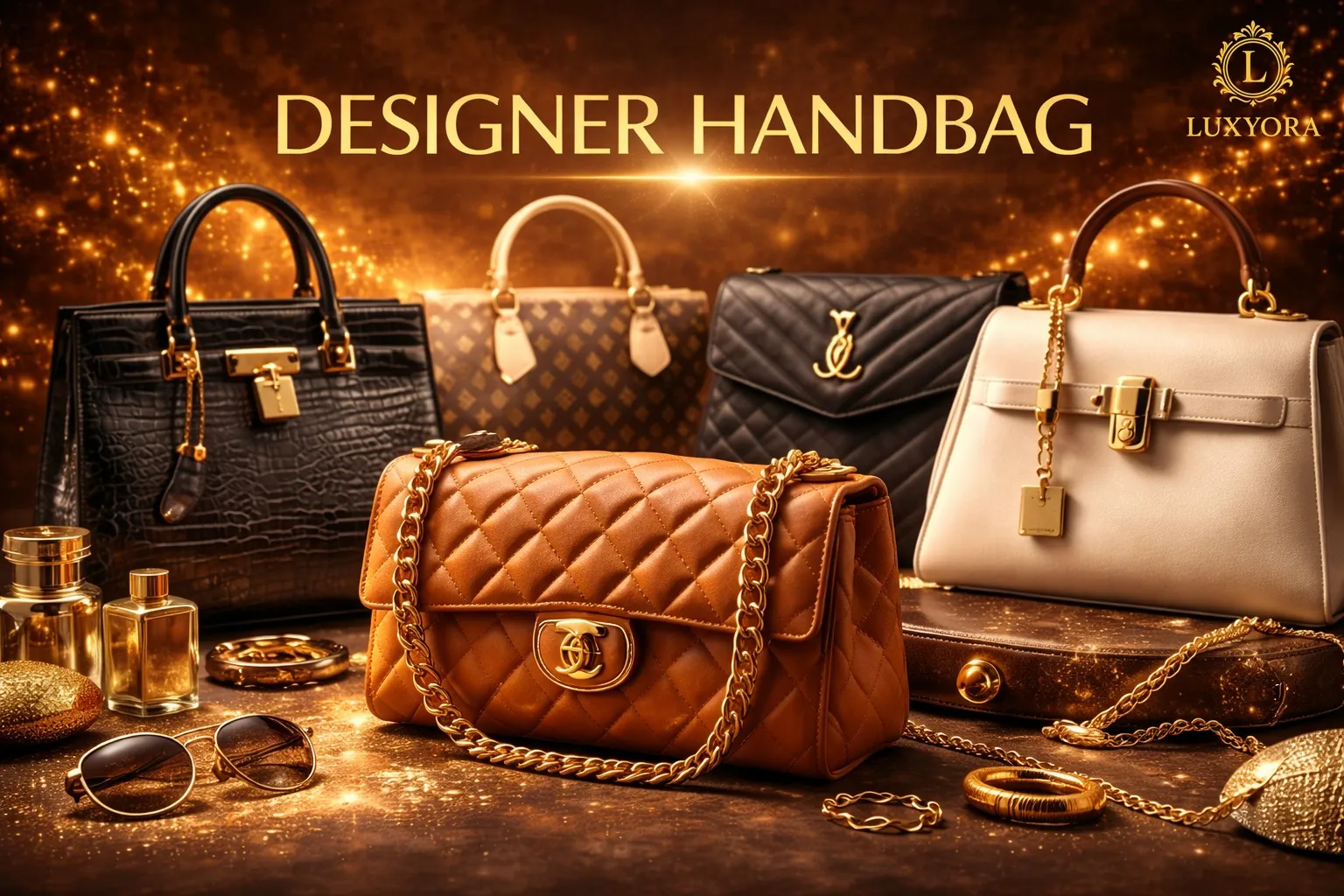
Designer Handbag : What is Designer Handbag
Designer handbag culture has grown from just a sign of luxury to a vibrant global industry that combines fashion, craftsmanship, investment, and personal identity. Whether you’re buying your first handbag, a passionate fashion lover, or simply curious about why these bags can be so expensive, this guide is here to walk you through everything you need to know about designer handbags in a friendly, straightforward, and engaging way.
What Is a Designer Handbag?
A designer handbag is a high-quality bag created by a well-known fashion house or luxury brand. These bags are typically crafted from premium materials such as full-grain leather, exotic skins, or high-grade fabrics, and they often reflect the brand’s signature style and heritage.
Unlike mass-produced bags, designer handbags emphasize:
- Superior craftsmanship
- Limited production
- Brand identity and exclusivity
- Timeless designs or trend-setting designs
They are not just accessories; they are statements of personal style, social status, and sometimes even financial strategy.
Why Designer Handbags Are So Expensive
Understanding the price tag helps you appreciate the value behind these pieces.
1. Premium Materials
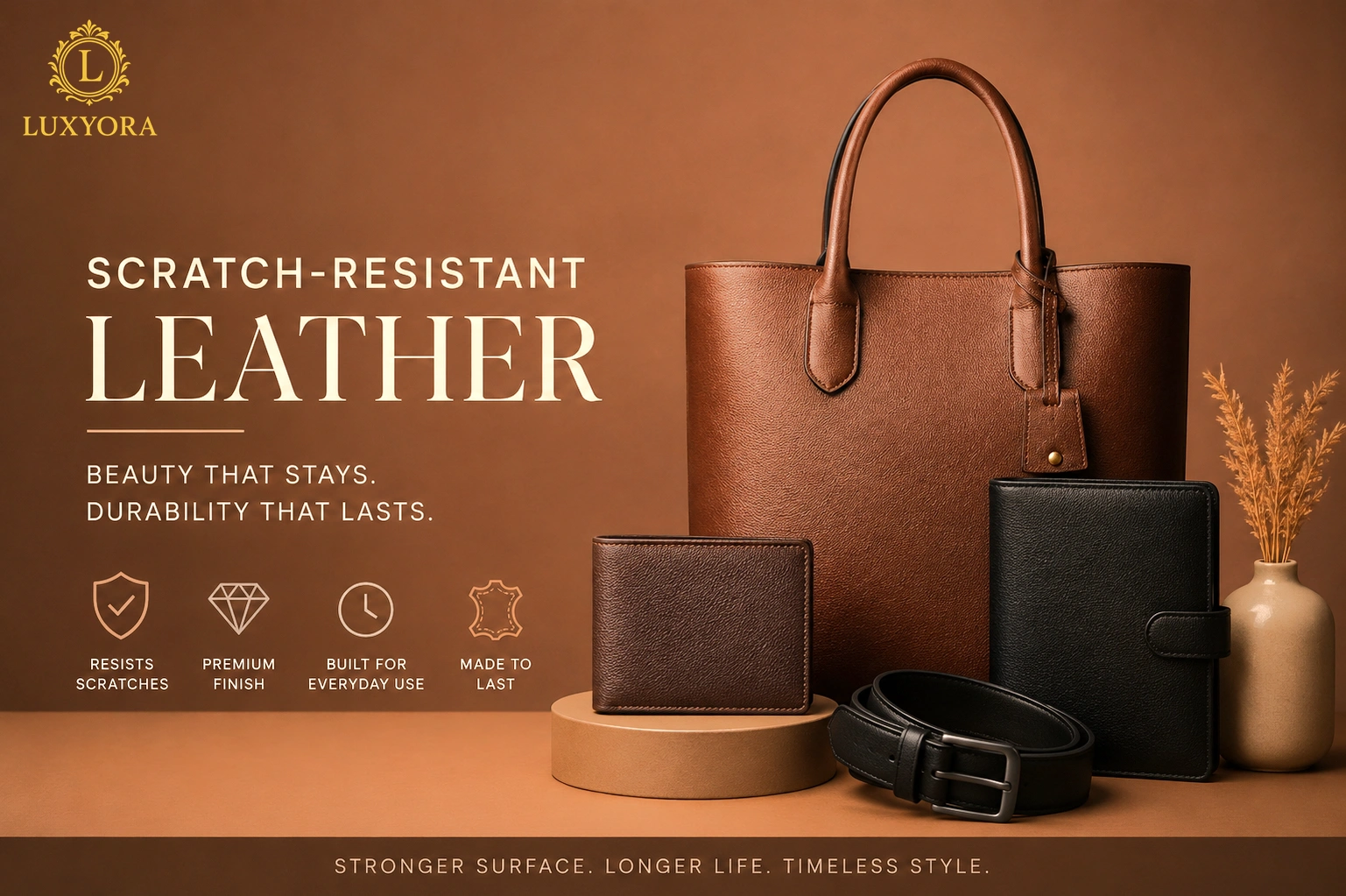
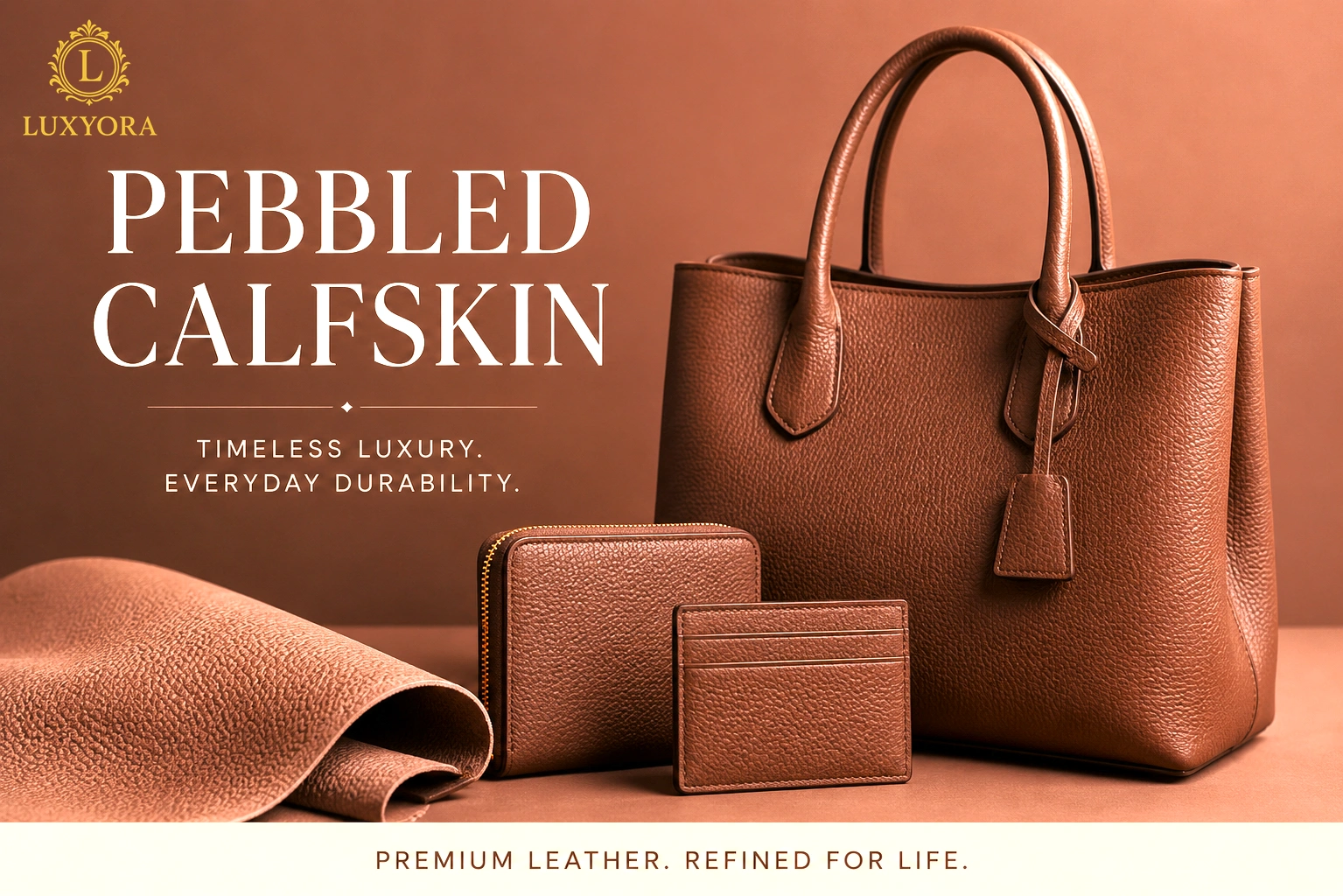
Luxury handbags often use top-tier materials such as calfskin leather, lambskin, suede, or even exotic skins. These materials undergo strict quality control and specialized tanning processes.
2. Craftsmanship
Many designer bags are handmade or require dozens of hours to complete. Skilled artisans handle stitching, cutting, and finishing, ensuring precision and durability.
3. Brand Heritage
Established luxury brands carry decades (sometimes centuries) of history, influencing their pricing. The brand name itself adds significant value.
4. Limited Availability
Scarcity increases demand. Some handbags are produced in limited quantities or released as seasonal collections.
5. Marketing and Prestige
Luxury brands invest heavily in branding, runway shows, celebrity endorsements, and global presence, all of which contribute to the cost.
Types of Designer Handbags
Knowing the different styles helps you choose the right one for your lifestyle.
Tote Bags
Large and practical, ideal for work or travel. They can carry laptops, documents, and daily essentials.
Crossbody Bags
Compact and hands-free, perfect for everyday errands or casual outings.
Shoulder Bags
Classic and versatile, suitable for both formal and informal settings.
Clutches
Small, elegant bags are usually used for evening events or formal occasions.
Satchels
Structured and sophisticated, often used for professional settings.
Popular Materials Used in Designer Handbags
Leather
The most common material, known for durability and elegance.
Canvas
Lightweight and often used for casual luxury bags.
Suede
Soft and luxurious, but requires more maintenance.
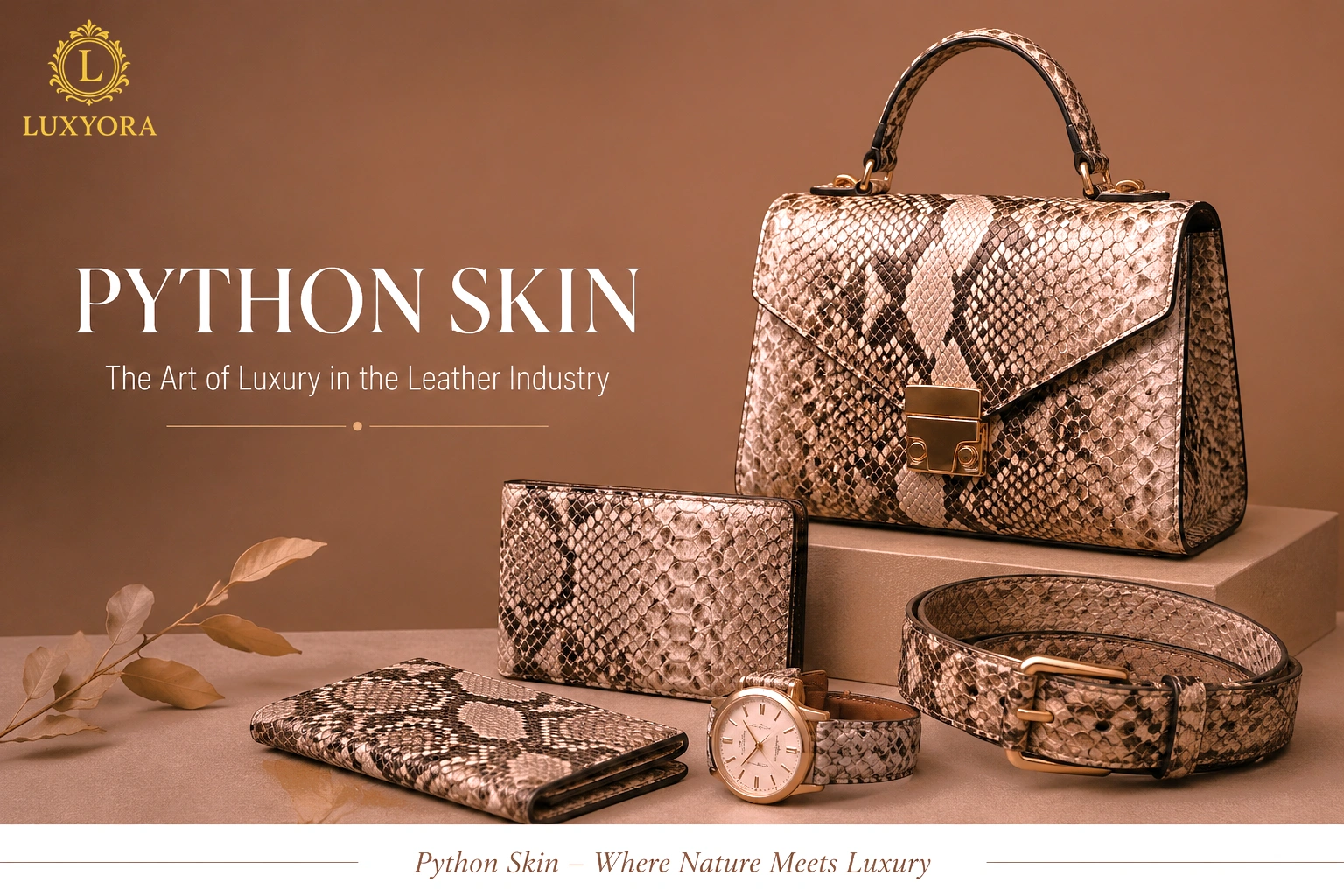
Exotic Skins
Includes crocodile, python, and ostrich. These are rare and significantly more expensive.
How to Choose the Right Designer Handbag
Buying a designer handbag is a big decision, so consider these practical factors.
1. Purpose
Ask yourself:
- Is this for daily use?
- Special occasions?
- Travel or work?
2. Budget
Set a realistic budget. Designer handbags can range from a few hundred to several thousand dollars.
3. Size and Functionality
Choose a size that fits your lifestyle. A large tote might be ideal for work, while a small crossbody is better suited to casual use.
4. Color Selection
Neutral colors like black, beige, and brown offer versatility. Bold colors make a statement but may be harder to match.
5. Brand Alignment
Choose a brand that aligns with your style and values, whether minimalist, bold, or classic.
A designer label may capture your attention, but the perfect handbag is defined by how effortlessly it fits into your everyday routine. Explore How to Choose the Right Handbag for Your Lifestyle.
Designer Handbags as an Investment
Interestingly, some designer handbags can appreciate in value over time.
Why They Appreciate
- Limited editions
- High demand
- Brand prestige
- Excellent condition over time
Example Scenario
Imagine buying a classic handbag for $5,000. Over the years, due to increased demand and limited availability, its resale value could rise to $7,000 or more, especially if maintained in pristine condition.
However, not all handbags are investments. Trends change, so timeless designs generally hold value better than seasonal ones.
Authentic vs Fake: How to Spot a Genuine Designer Handbag
Counterfeit products are common in the luxury market. Here’s how to protect yourself.
Check the Stitching
Authentic bags have precise, even stitching. Loose threads are a red flag.
Examine the Logo
Luxury brands maintain consistency in logo placement, font, and spacing.
Feel the Material
High-quality materials feel soft yet durable. Fake bags often use synthetic alternatives.
Serial Numbers and Certificates
Most designer bags include authenticity cards, serial numbers, or microchips.
Buy from Trusted Sources
Always purchase from official stores or reputable resellers.
The world of designer handbags is filled with timeless craftsmanship, but it’s also filled with replicas that are becoming harder to identify. Discover the guide in How to Spot a Fake Designer Handbag.
Caring for Your Designer Handbag
Proper care ensures longevity and maintains value.
Storage Tips
- Store in a dust bag
- Keep away from direct sunlight
- Avoid overstuffing
Cleaning Tips
- Use a soft cloth for regular cleaning
- Avoid harsh chemicals
- Use specialized leather conditioners
Handling Tips
- Avoid placing bags on the floor
- Keep away from water and oils
- Rotate usage to prevent wear
Practical Scenarios: Choosing the Right Bag
Scenario 1: Office Professional
You need a bag for daily work use.
Best Choice: A structured tote or satchel in neutral colors.
Scenario 2: Frequent Traveler
You want something stylish but functional.
Best Choice: A large tote or crossbody for convenience.
Scenario 3: Event Attendee
Attending weddings or parties.
Best Choice: A sleek clutch or mini shoulder bag.
Scenario 4: Minimalist Lifestyle
You prefer fewer items with maximum versatility.
Best Choice: A classic crossbody in black or beige.
Trends in the Designer Handbag Industry
The industry is constantly evolving with new trends.
Sustainable Fashion
Brands are moving toward eco-friendly materials and ethical production.
Mini Bags
Small-sized bags have gained popularity despite limited functionality.
Vintage Revival
Tech Integration
Some modern bags include features like RFID protection and smart compartments.
Mistakes to Avoid When Buying Designer Handbags
- Buying purely for brand name without considering usability
- Ignoring maintenance requirements
- Choosing trendy styles that quickly go out of fashion
- Overlooking resale value
- Falling for counterfeit deals that seem too good to be true
Final Thoughts
Designer handbags are more than just fashion accessories; they are a blend of art, craftsmanship, and personal expression. Whether you’re buying your first piece or adding to a collection, understanding the value behind these items helps you make smarter, more satisfying choices.
By focusing on quality, purpose, and authenticity, you can enjoy both the aesthetic and practical benefits of owning a designer handbag.
References
Kapferer, J.-N., & Bastien, V. (2020). The Luxury Strategy: Break the Rules of Marketing to Build Luxury Brands (2nd ed.). Kogan Page.
Okonkwo, U. (2018). Luxury Fashion Branding: Trends, Tactics, Techniques. Palgrave Macmillan.
Statista. (2023). Global luxury goods market size and forecast.
Business of Fashion & McKinsey. (2022). The State of Fashion Report.
Deloitte. (2021). Global Powers of Luxury Goods Report.
Bain & Company. (2023). Luxury Goods Worldwide Market Study.