Vintage Revival Designer Bags: Archive Styles Returning to Spotlight | Luxyora
Fashion has always shared a captivating dance with time. Trends may fade away and slide into archives, only to sometimes surprise us by reappearing with fresh relevance. Lately, vintage revival designer bags have become an exciting movement in the world of luxury fashion. Once hidden away in vaults or private collections, timeless handbag styles are now making a warm comeback, charming a new wave of collectors and style lovers.
The resurgence of archive-inspired handbags beautifully highlights a community of fashion enthusiasts who are increasingly appreciating heritage craftsmanship, timeless design, and sustainable luxury. Instead of following short-lived seasonal trends, many style lovers are finding joy in rediscovering the charm of historic bag designs that carry decades of artistry, innovation, and stories.
This revival isn’t just about reliving the past; it’s a heartfelt celebration of the craftsmanship, quality materials, and timeless design philosophies that made iconic accessories so special. In today’s world, where many of us are embracing more conscious ways of shopping, vintage-inspired handbags beautifully combine historical elegance with contemporary appeal, making them truly irresistible.
The Cultural Renaissance of Vintage Revival Designer Bags
The renewed fascination with archival handbags is truly exciting, as it reflects the fashion industry’s growing appreciation for heritage and authenticity. With digital culture speeding up trend cycles, many of us are now looking for pieces that feel lasting and meaningful rather than fleeting or disposable.
Vintage-inspired handbags fulfill this role perfectly. They embody the design essence of past eras, yet are reimagined to suit modern lifestyles.
Several cultural influences are driving this revival:
1. The Rise of Heritage Appreciation
Today, luxury consumers are more interested in a product’s story. Archive bags offer this by showcasing decades of design progress, craftsmanship, and cultural significance embedded in each silhouette.
Classic shapes that once characterized past fashion eras now serve as a meaningful link to fashion history. Collectors cherish not only their visual charm but also the stories they carry, making each piece truly special.
2. The Influence of Fashion Archives
Fashion archives, which were once exclusive to designers and historians, are now a significant source of inspiration. Designers and artisans regularly explore historical patterns, materials, and construction techniques to create reimagined versions of classic handbags.
These archival references often bring back:
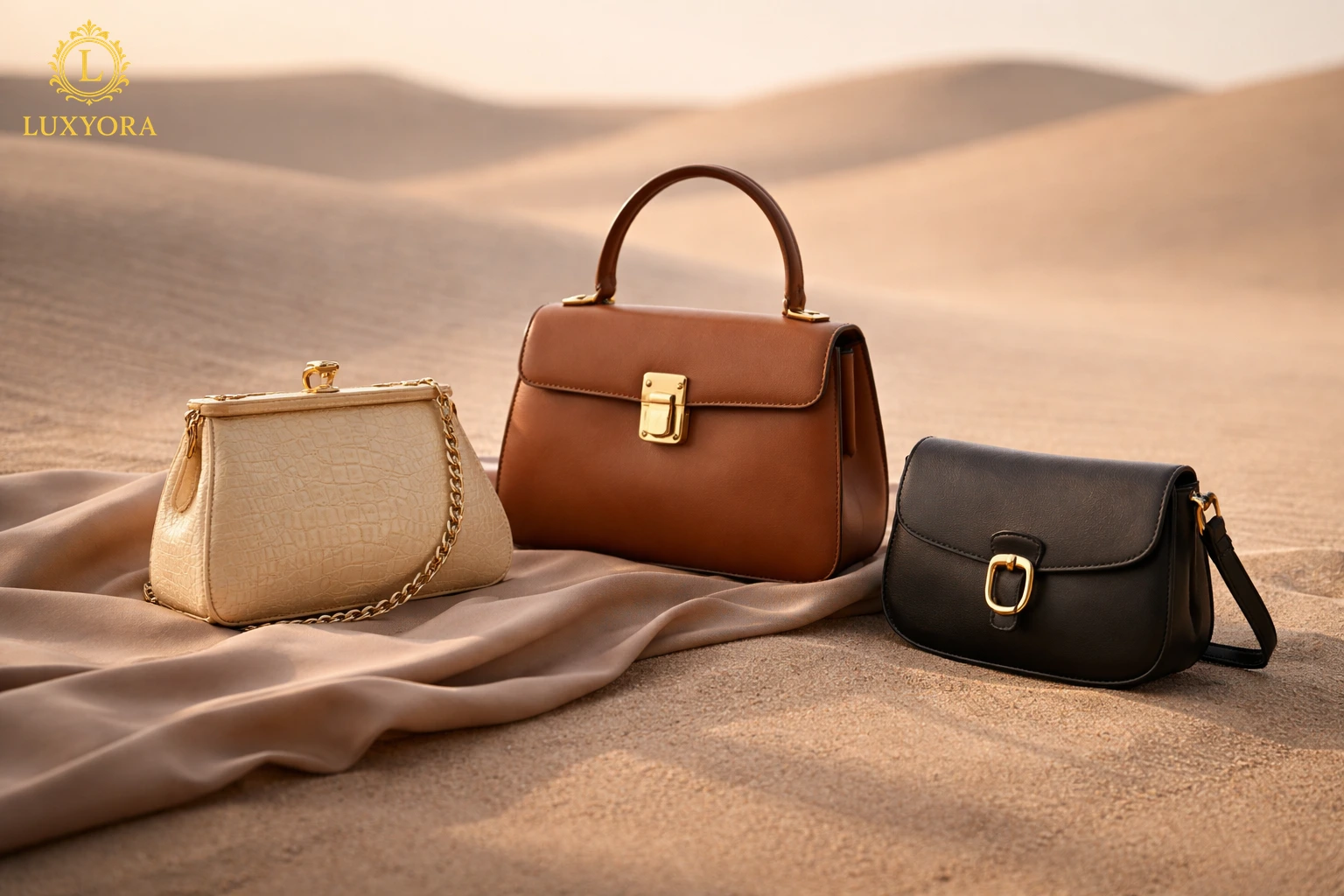
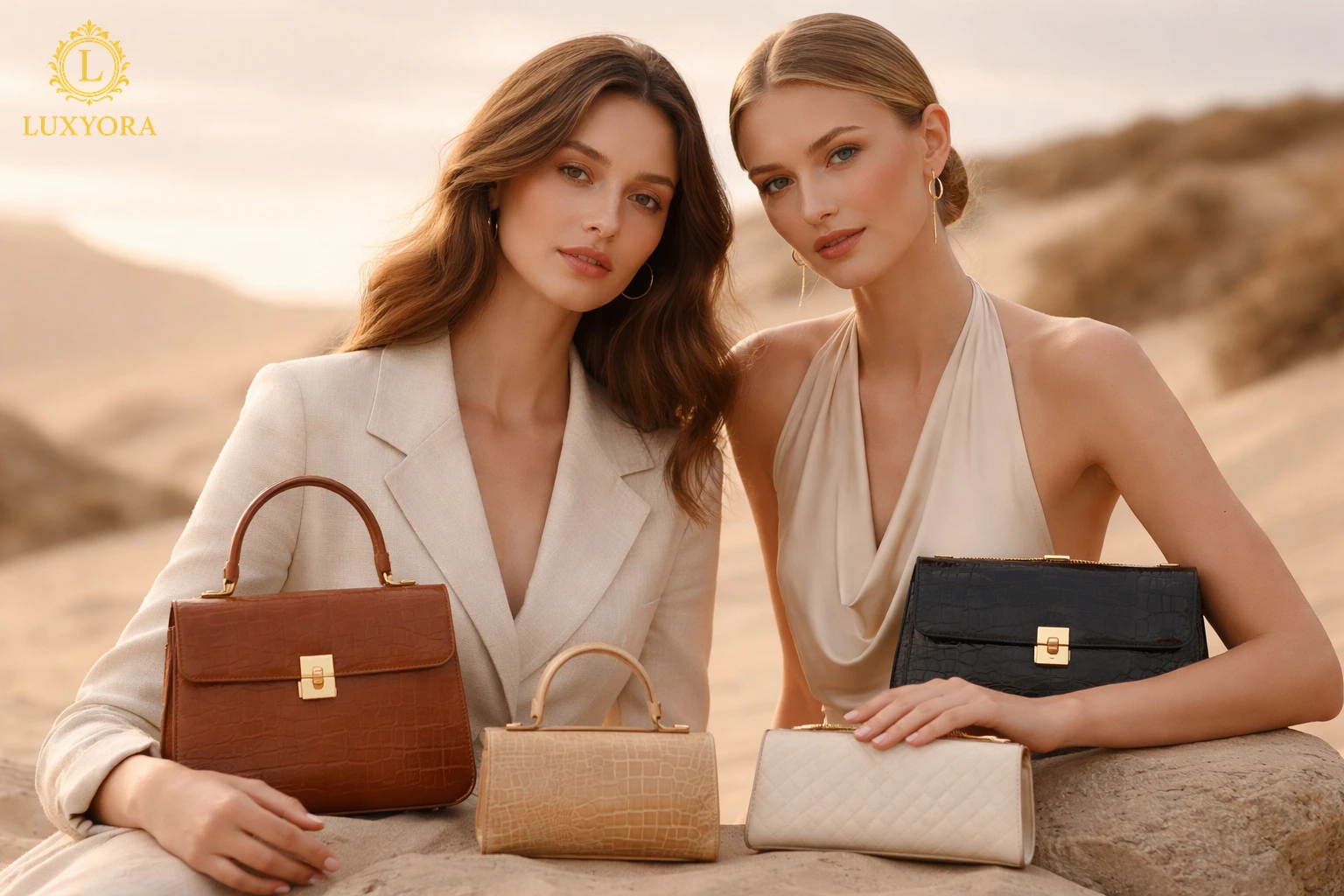
- Structured top-handle silhouettes
- Elegant frame bags
- Compact evening purses
- Curved shoulder designs
- Architectural clasp mechanisms
Such shapes evoke a time when handbags were made as functional art pieces rather than just trend-focused accessories.
3. Social Media and the New Vintage Aesthetic
Visual platforms have been instrumental in reviving vintage aesthetics, as fashion enthusiasts increasingly display rare archive pieces, sparking greater interest in retro silhouettes.
The aesthetic charm of classic bags, especially those with sculptural shapes, detailed hardware, and aged leather, translates very well to contemporary digital storytelling.
Why Archive-Inspired Bags Are Dominating Luxury Fashion
The comeback of vintage-inspired designer bags is more than just nostalgic; it reflects significant changes in the luxury market.
Timeless Design Over Fast Trends
Consumers are shifting away from fleeting trends toward timeless accessories that stay relevant across decades. Archive silhouettes have already demonstrated their durability.
Their enduring appeal lies in design fundamentals:
- Balanced proportions
- Refined craftsmanship
- Functional elegance
- Versatile styling
A bag created many decades ago, based on these principles, still feels very modern today.
Sustainable Luxury and Circular Fashion
Vintage revival styles support sustainable fashion efforts. Bringing back classic designs helps prolong their relevance, decreasing the pressure for continual innovation.
Moreover, many consumers are now buying vintage items alongside modern reinterpretations, supporting a vibrant circular luxury economy.
This change prompts fashion houses to reexamine their current designs rather than continuously creating entirely new models.
Craftsmanship Renaissance
Perhaps the strongest reason for this revival is a renewed appreciation for craftsmanship.
Many vintage bags were produced using techniques that are rare today, including:
- Hand-edge painting
- Saddle stitching
- Metal frame construction
- Hand-molded leather structures
These traditional techniques demand considerable skill and time, making them highly prized in today’s luxury market.
Materials That Define Vintage Revival Bags
One of the most interesting features of vintage-inspired handbags is their use of materials that develop a beautiful patina over time.
Luxury craftsmanship often emphasizes material durability, making sure that a bag develops more character over time.
Vegetable-Tanned Leather
Vegetable tanning is one of the oldest methods for treating leather. It involves using natural tannins extracted from plant materials like bark and leaves.
This leather ages beautifully, developing a rich patina that gives vintage bags their unique character.
The aging process improves the material instead of degrading it, making these bags more desirable as they age.
Full-Grain Leather Construction
Full-grain leather is generally regarded as the highest quality type of leather. Unlike corrected leather, it preserves the hide’s natural grain.
Benefits include:
- Exceptional durability
- Natural texture variation
- Improved aging characteristics
- Resistance to cracking
Many archival handbag designs relied heavily on full-grain leather for its durability.
Artisanal Hardware
Vintage revival bags often showcase detailed metal hardware inspired by historic techniques.
Examples include:
- Hand-polished brass clasps
- Sculptural lock mechanisms
- Decorative hinges
- Custom metal frames
These details elevate handbags from simple accessories into collectible objects.
Signature Silhouettes Making a Comeback
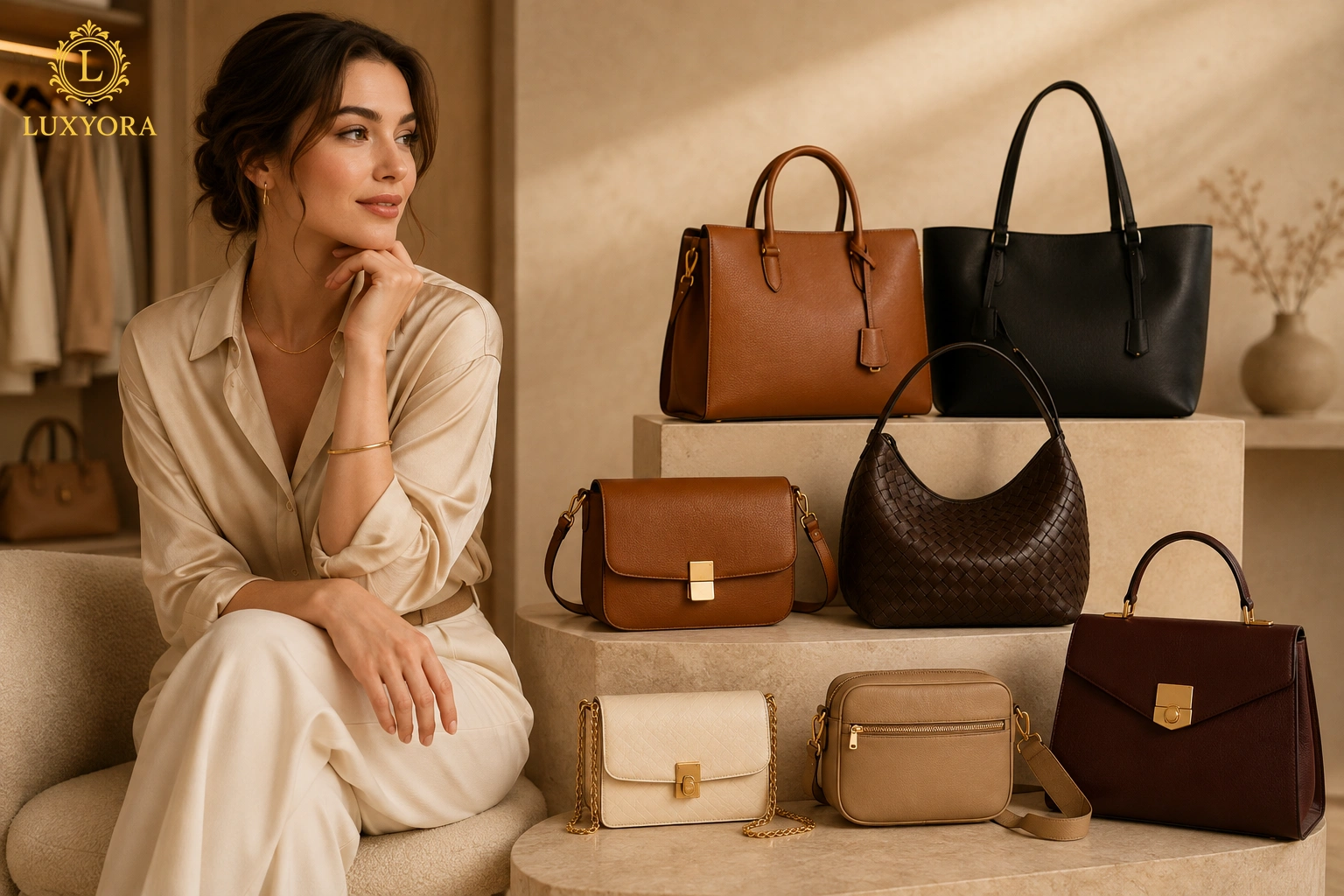
While vintage revival designer bags cover many styles, some silhouettes have become especially influential.
The Structured Top-Handle Bag
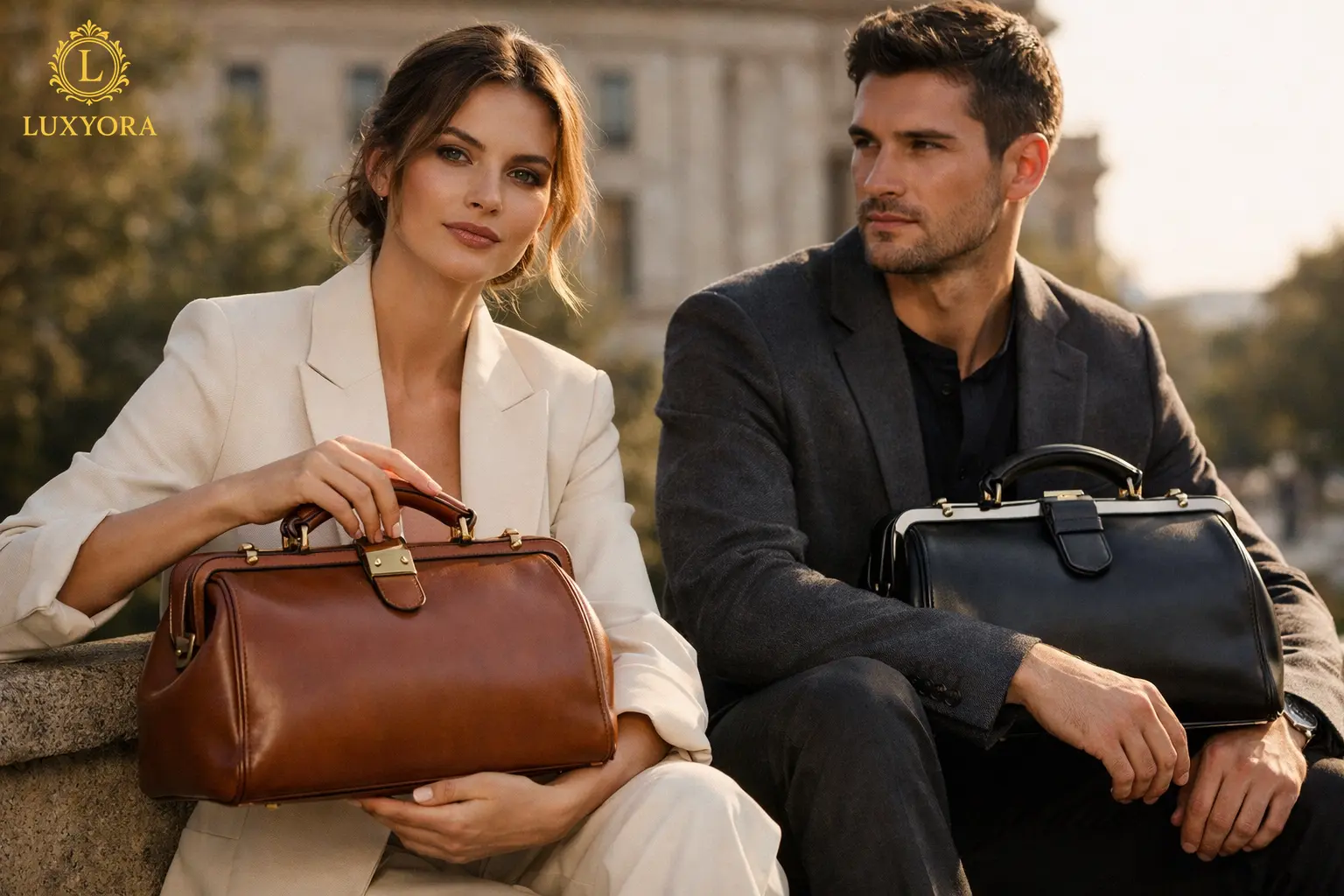
One of the most recognizable vintage styles is the structured top-handle bag.
Originally crafted for style and function, these bags have firm shapes that keep their form over time.
Key characteristics include:
- Architectural form
- Reinforced leather panels
- Compact yet organized interiors
Their polished look makes them appropriate for both professional and formal environments.
Frame Bags with Metal Closures
Frame bags gained popularity in mid-century fashion. They are characterized by a metal frame that supports the bag’s opening mechanism.
This structure provides:
- Secure closure
- Elegant opening motion
- Distinct sculptural silhouette
Modern reinterpretations keep the frame concept but use softer materials and modern proportions.
Curved Shoulder Bags
Another archival design returning to popularity is the curved shoulder bag.
These bags typically feature:
- Crescent-shaped bodies
- Adjustable shoulder straps
- Soft yet structured leather
The design blends vintage elegance with contemporary practicality, making it perfect for daily use.
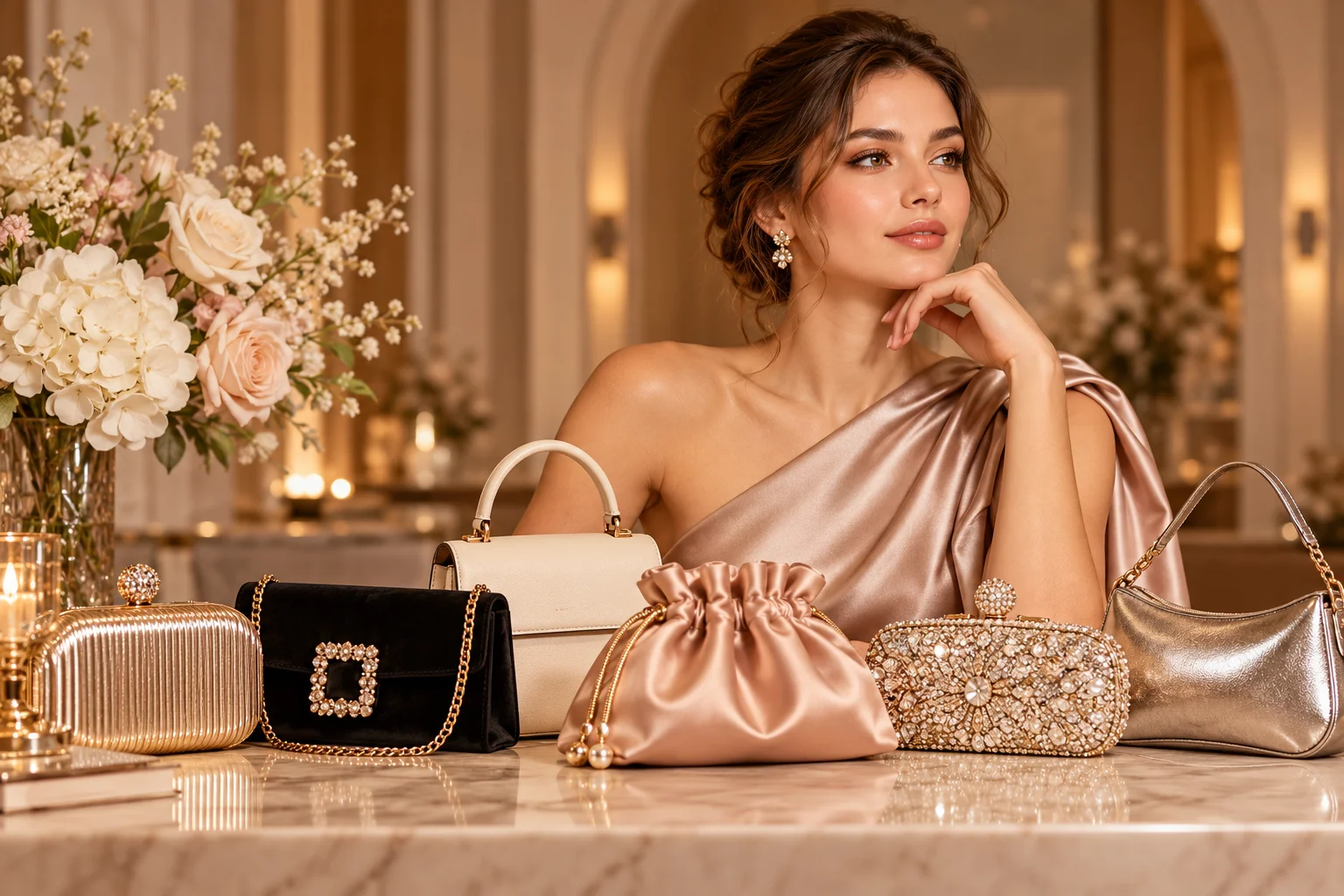
Compact Evening Bags
Vintage evening bags were often masterpieces of miniature craftsmanship.
These designs prioritize detail and elegance over capacity. Common elements include:
- Jewel-like metal clasps
- Satin or velvet interiors
- Decorative stitching
Despite their small size, they serve as statement pieces that elevate formal attire.
The Role of Craftsmanship in Vintage Revival
Craftsmanship truly lies at the heart of the vintage revival movement. Many classic bag designs are created using artisanal techniques that involve careful craftsmanship, training, and a keen eye for detail.
Saddle Stitching
Saddle stitching is a classic hand-stitching technique used in leather goods. Unlike machine stitching, it employs two needles working in opposite directions.
This technique produces:
- Exceptional durability
- Even stitch tension
- Enhanced aesthetic appeal
Many heritage bags were constructed entirely by hand using saddle stitching.
Hand-Edge Finishing
Edge finishing involves sealing and smoothing the exposed edges of leather panels.
In high-end craftsmanship, artisans carefully apply multiple layers of edge paint, sanding and polishing after each layers, often spending several hours on the process.
The result is a perfectly smooth, glossy edge that protects the leather and enhances visual refinement.
Structural Leather Molding
Some archival bags feature molded leather panels produced by heat and pressure.
This technique enables artisans to craft sculptural forms without internal supports, preserving elegance and reducing weight.
Styling Vintage Revival Bags in the Modern Wardrobe
One reason vintage revival bags have become popular is their versatility. These styles easily match both modern and traditional wardrobes.
Some styling approaches include:
Minimalist pairing
A structured archive bag can elevate a simple outfit consisting of neutral tones and tailored silhouettes.
Modern contrast
Combining a vintage-inspired handbag with casual pieces like denim or relaxed tailoring creates an interesting contrast between heritage elegance and modern comfort.
Evening sophistication
Compact archival evening bags remain timeless companions for formal occasions.
Archive styles are making a comeback, but the most memorable looks are created by pairing them with outfits that feel fresh and intentional. Explore the complete guide in How to Match Your Handbag with Your Outfit.
Investment Value of Vintage-Inspired Handbags
Luxury handbags have increasingly been viewed as collectible assets.
Vintage revival designs often maintain value because they are based on historically proven silhouettes. Their appeal isn’t tied to seasonal trends.
Collectors often prioritize:
- Limited archival reissues
- Handcrafted leather construction
- Distinctive hardware designs
- Exceptional condition
Due to their craftsmanship and rich history, these bags often become cherished heirlooms that families pass down through generations.
The Future of Vintage Revival Designer Bags
As the luxury fashion industry continues to evolve, the popularity of nostalgic archival handbags is expected to increase further.
Several emerging trends indicate this direction:
- Greater transparency in craftsmanship
- Increased emphasis on heritage design archives
- Expansion of vintage resale markets
- Renewed interest in artisanal production techniques
Rather than disappearing into history, archival designs are becoming the foundation for the next generation of luxury accessories.
Vintage revival bags serve as a reminder that genuine design excellence is timeless. A carefully made handbag from decades past can still seem modern, demonstrating that the most lasting concepts in fashion never really fade away.
Luxyora Philosophy:True luxury is defined not by novelty but by timeless craftsmanship. When heritage design combines with lasting artistry, fashion turns into history that is carried forward.
References:
Bain & Company. (2023). Luxury goods worldwide market study. Bain & Company.
Fletcher, K., & Tham, M. (2019). Earth logic: Fashion action research plan. The JJ Charitable Trust.
Gwilt, A. (2020). A practical guide to sustainable fashion. Bloomsbury Publishing.
Joy, A., Sherry, J., Venkatesh, A., Wang, J., & Chan, R. (2018). Fast fashion, sustainability, and the ethical appeal of luxury brands. Fashion Theory, 22(3), 273–295.
McKinsey & Company. (2022). The state of fashion report. McKinsey & Company.
Steele, V. (2020). Fashion designers A–Z. Taschen.
Thomas, D. (2019). Fashionopolis: The price of fast fashion and the future of clothes. Penguin Press.