Why Clothing Becomes Part of Identity | Luxyora
Remember the first time a piece of clothing felt like you, not something you wore, but something that wore you? Maybe it was an oversized vintage coat that made every sidewalk feel like a runway, or a silk dress that seemed to whisper, “This is who you are.” Clothing can become so intimately intertwined with identity that we sometimes forget when the garment ends, and you begin.
But this isn’t just romantic fashion rhetoric; it’s deeply psychological, social, and cultural. Clothing doesn’t just reflect identity, it participates in its construction.
Let’s explore how threads and selfhood become inseparable.
The Body, the Self, and the First Layer of Expression
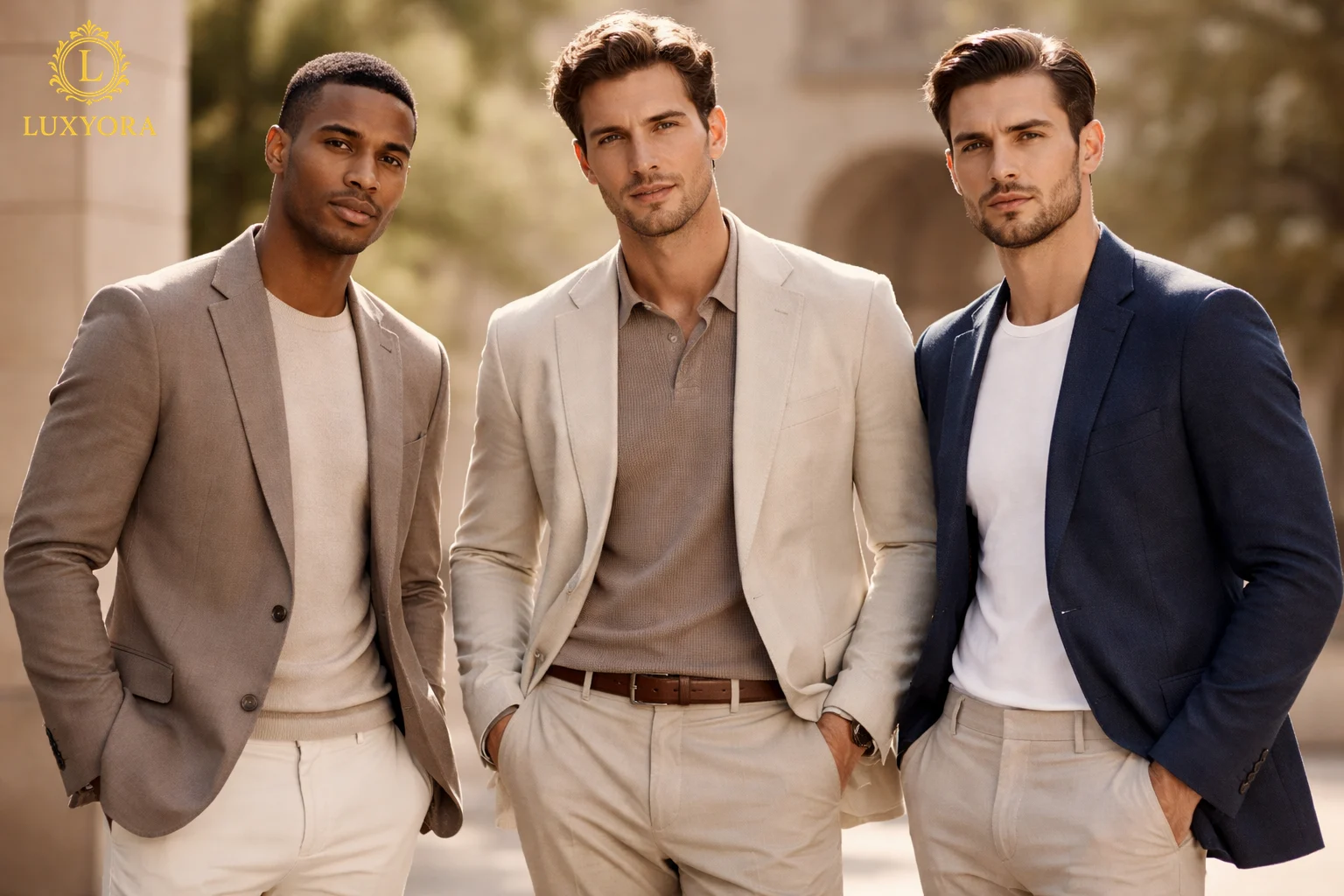
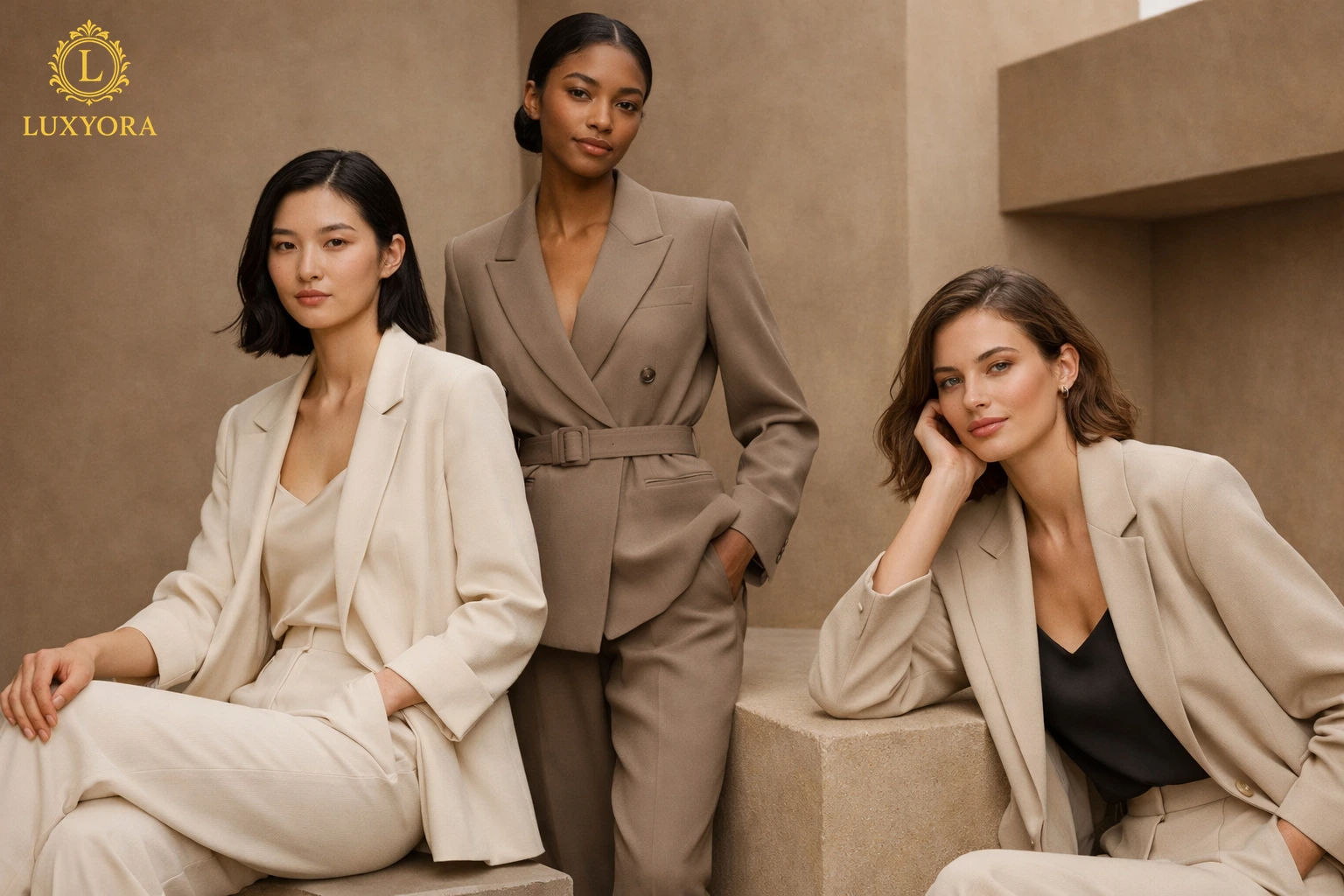
Clothing is the first envelope between your physical self and the world. Before you speak, your outfit speaks for you or at least with you. In the nuanced science of person perception, dress is recognized as a key visual cue that observers use to form impressions instantly. It connects with judgments about competence, social groups, values, and emotions.
In other words, the garments you choose don’t simply cover you; they introduce you.
Whether intentional or not, when your clothing aligns with your internal sense of self, you’ll often experience a boost in confidence and coherence. That harmony feels powerful because it bridges internal identity with external representation.
Personal style often becomes strongest when it stops trying to imitate and starts to fit physically, visually, and emotionally. Read more about How to choose clothes that actually suit your body type.
Clothes as Psychological Anchors: Enclothed Cognition
There’s a fascinating concept in psychology called enclothed cognition, the idea that clothes influence our psychological processes not just because of physical comfort or appearance, but because of the meaning we assign to them.
This isn’t casual fashion theory. It’s research-driven: in experiments where participants wore identical garments but were told they were different kinds of attire (e.g., a “doctor’s coat” versus a “lab coat”), their performance and mindset shifted in accordance with the clothing’s symbolic meaning.
So clothing becomes part of identity because it interacts with the mind’s expectations. It’s not the textile itself, it’s what the textile signifies.
At some point, certain clothes stop feeling like things we wear and start feeling like part of who we are. The reasons behind that attachment may be more personal and more revealing than we usually admit. Discover Why clothing feels more personal than we admit.
Identity Signaling: Subtle Messages, Powerful Effects
When you choose what to wear, you’re doing more than matching colors. You’re signaling sometimes overtly, often subtly, to the world around you.
Fashion researchers note that people use clothing to signal group belonging, social roles, values, and even political or cultural affiliations. Whether it’s a tailored suit, a bohemian dress, or a streetwear hoodie, clothing tells a story about where you feel at home and where you don’t.
This signaling becomes part of identity because it’s social. Identities aren’t formed in isolation; they’re negotiated in relation to others. Clothing becomes the visual dialect of that negotiation.
The clothes that become part of identity aren’t always the boldest or the most memorable at first glance. Often, they’re the pieces that feel effortless enough to become second nature and powerful enough to leave a lasting impression. Discover Why subtle dressing often feels more powerful.
Narrative Identity: Clothing as a Personal Archive
Some items become part of your identity not merely because of style, but because of memory. You keep the scarf you wore to Paris. The sneakers you broke in during that summer internship. The blazer that helped you ace your dream job interview.
These aren’t just clothes, they’re chapters in your life story.
Psychologists define narrative identity as the internalized story you construct about yourself, a story that integrates past experiences with your sense of who you are and where you’re going. When clothing becomes part of that story, it becomes part of you.
That’s why clearing out your closet can feel so emotional: it’s not just fabric you’re discarding, it’s memories, versions of self, lived moments.
Cultural Identity and Clothing Norms
The way clothing becomes part of identity also depends on cultural context. Every society has its fashion scripts, silent rules about formality, modesty, appropriateness, and symbolism. These scripts shape how clothing is interpreted and how individuals negotiate their self-presentation.
For example, the same dress might communicate different identities in Tokyo, Milan, or New York, not because the garment changes, but because the semiotics of dress are culturally situated.
Understanding cultural context helps explain why clothing can feel so personal: it’s a vocabulary learned through socialization, community, and shared meaning.
Authenticity, Style, and the Ecology of Identity
In fashion circles, authenticity is a buzzword, but it’s also a psychological marker. When your clothing aligns with your self-concept, your values, your history, and your emotional world, it supports a sense of authentic style. Authenticity isn’t a trend; it’s self-alignment.
This is where identity and apparel merge into a singular aesthetic experience.
Studies in fashion psychology highlight that style satisfaction isn’t just about aesthetics; it’s about emotional congruence, self-expression, and identity coherence. When clothing resonates with your inner life, it feels more you, not just visually, but existentially.
Identity is a Habit. Clothing Makes the Habit Visible
Identity isn’t static; it’s performed. We do identify as much as we are identity. Clothing becomes part of that performance because it’s the most immediate and frequent body interface we manage daily.
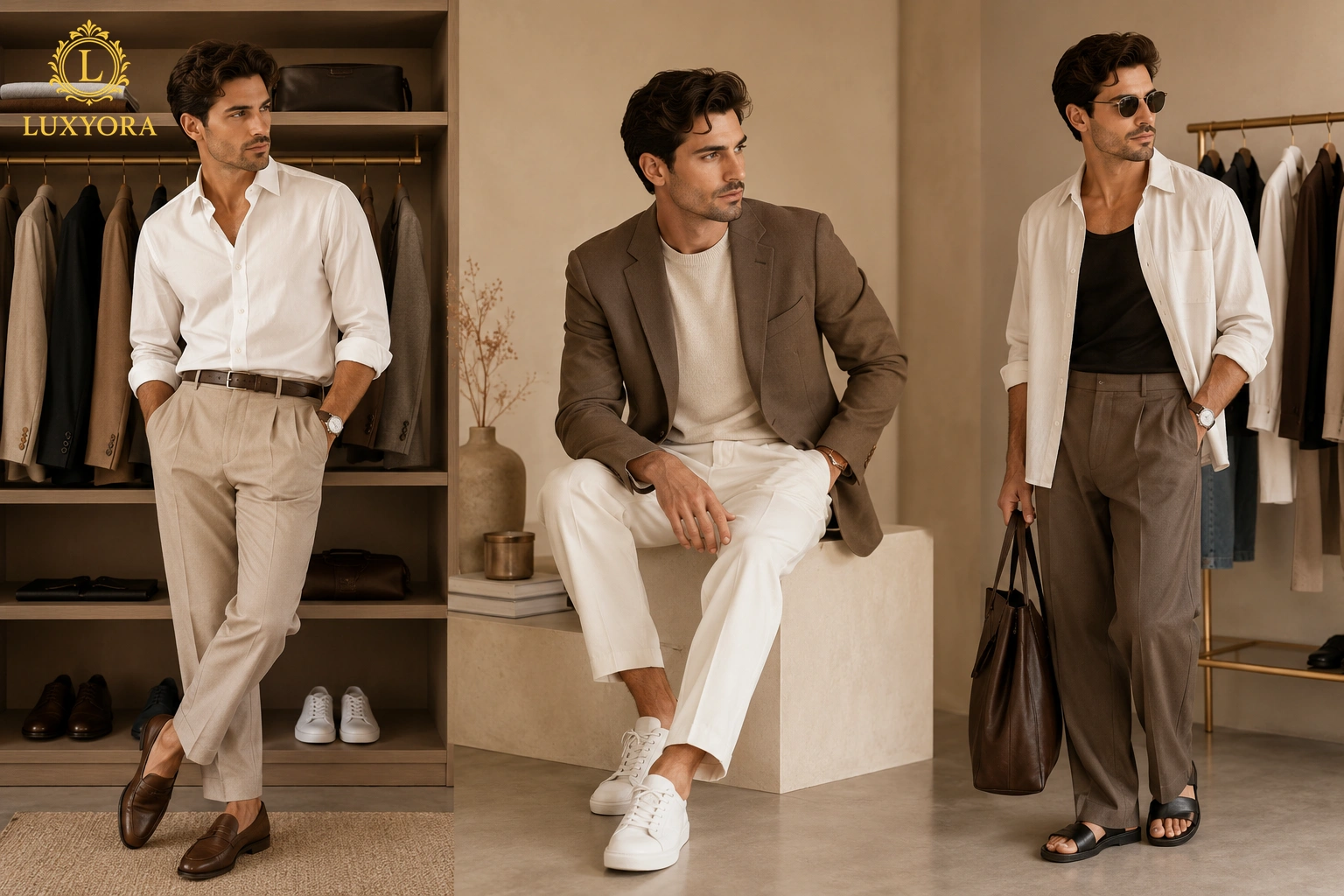
With each choice, jeans or dress, neutral tones or bold hues, classic cuts or experimental silhouettes, you make a statement about who you want to be today.
And because identity is fluid, clothing doesn’t just reflect who you are. It also helps shape who you become.
Identity in clothing isn’t always created through statement pieces it’s often shaped by the garments that keep showing up for ordinary days and become part of who we are over time. Read more about How to build a wardrobe that matches your lifestyle.
Luxyora Philosophy: Your clothing is not merely coverage, it’s conversation, memory, and meaning. Fashion is the language your identity speaks before you ever say a word.
References:
- Adam, H. (2019). Reflections on enclothed cognition: Commentary on Burns et al. Journal of Experimental Social Psychology, 85, 103883. (Click Here)
- Brannon, E. L., & White, K. (2019). The psychology of fashion. Laurence King Publishing.
- Hester, N., & Hehman, E. (2023). Dress is a fundamental component of person perception. Perspectives on Psychological Science. (Click Here)
- Kaiser, S. B. (2020). The social psychology of clothing: Symbolic appearances in context. Routledge.
- McAdams, D. P., & McLean, K. C. (2018). Narrative identity. Current Directions in Psychological Science, 27(2), 134–140.(Click Here)
- Müller, S., Kuchler, R., & Ramge, T. (2021). Fashion psychology and identity: Understanding the role of clothing choices in self-expression. Journal of Fashion Marketing and Management.(Click Here)