How Apparel Influences Confidence Before a Word Is Spoken | Luxyora
There’s a strange kind of magic woven into fabric, one that doesn’t require intention, articulation, or agenda. Before you even shake a hand, glance at a boardroom, or step onto a city sidewalk, your wardrobe has already started the conversation for you. It whispers, it suggests, it signals. And most compellingly, it shapes your confidence before a single word leaves your lips.
That’s the subtle power of apparel: it’s not just about looks. It’s about presence. It’s about how you feel in your body, a feeling that predates language and shapes the way the world perceives you, too.
1. The Psychology Behind “First Look” Impressions
Modern social psychology confirms something most of us intuitively know: people make inferences about us within seconds of seeing us, and clothing plays a central role in those inferences. Studies on person perception show that observers quickly use dress as a cue to judge traits like competence, warmth, status, and social group membership. That’s not surface-level judgment; it’s your visual context influencing someone’s mental script before dialogue begins.
This mechanism doesn’t just work externally; it works internally. The clothes you choose can prime your mindset even before you walk into the room.
Confidence often arrives before conversation does. What you wear can quietly influence the way you stand, move, and enter a room and shape what others notice before introductions begin. Discover How apparel shapes first impressions in modern society.
2. Enclothed Cognition - The Body Remembers What You Wear
The term “enclothed cognition” refers to the psychological influence that clothing has on the wearer’s thoughts and performance. In essence, what you wear isn’t just aesthetic, it’s cognitive.
For example, in an experimental study that first highlighted this concept, participants who wore a lab coat labeled a “doctor’s coat” performed better on attention-based tasks than those who wore the same coat labeled a “painter’s smock.” The symbolic meaning attached to the garment affected performance, not the fabric itself.
If the body remembers what it wears, perhaps clothing is communicating in ways we rarely notice. The most interesting style conversations may begin before anyone else sees the outfit at all. Read more about What the clothes you wear quietly say about you.
This tells us something remarkable: clothing can become a form of mental armor or empowerment if the meaning we associate with it aligns with our internal goals.
3. Apparel as Nonverbal Confidence Architecture
Many of us have felt the difference between “clothes that fit” and “clothes that empower,” and we’ve felt it physically.
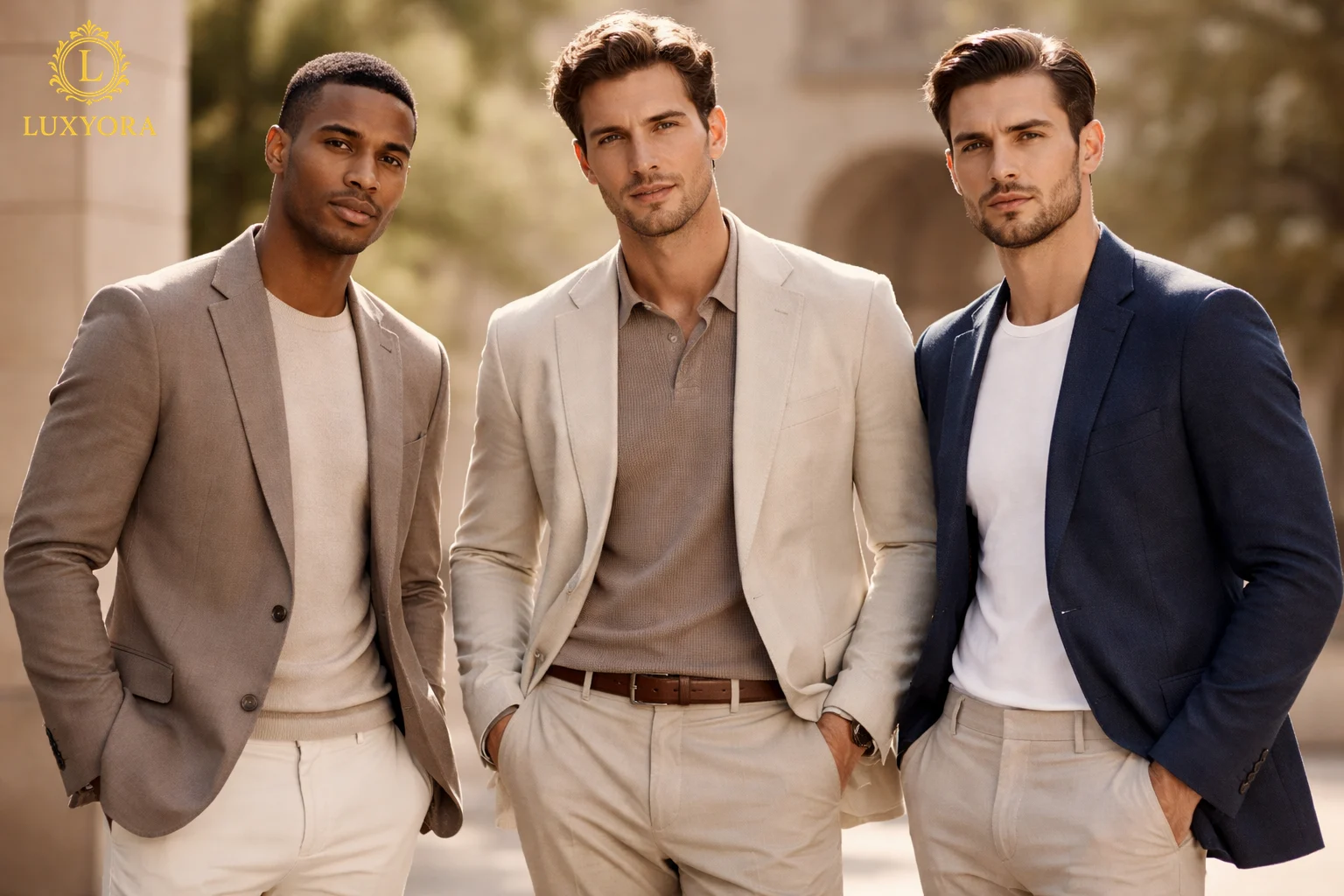
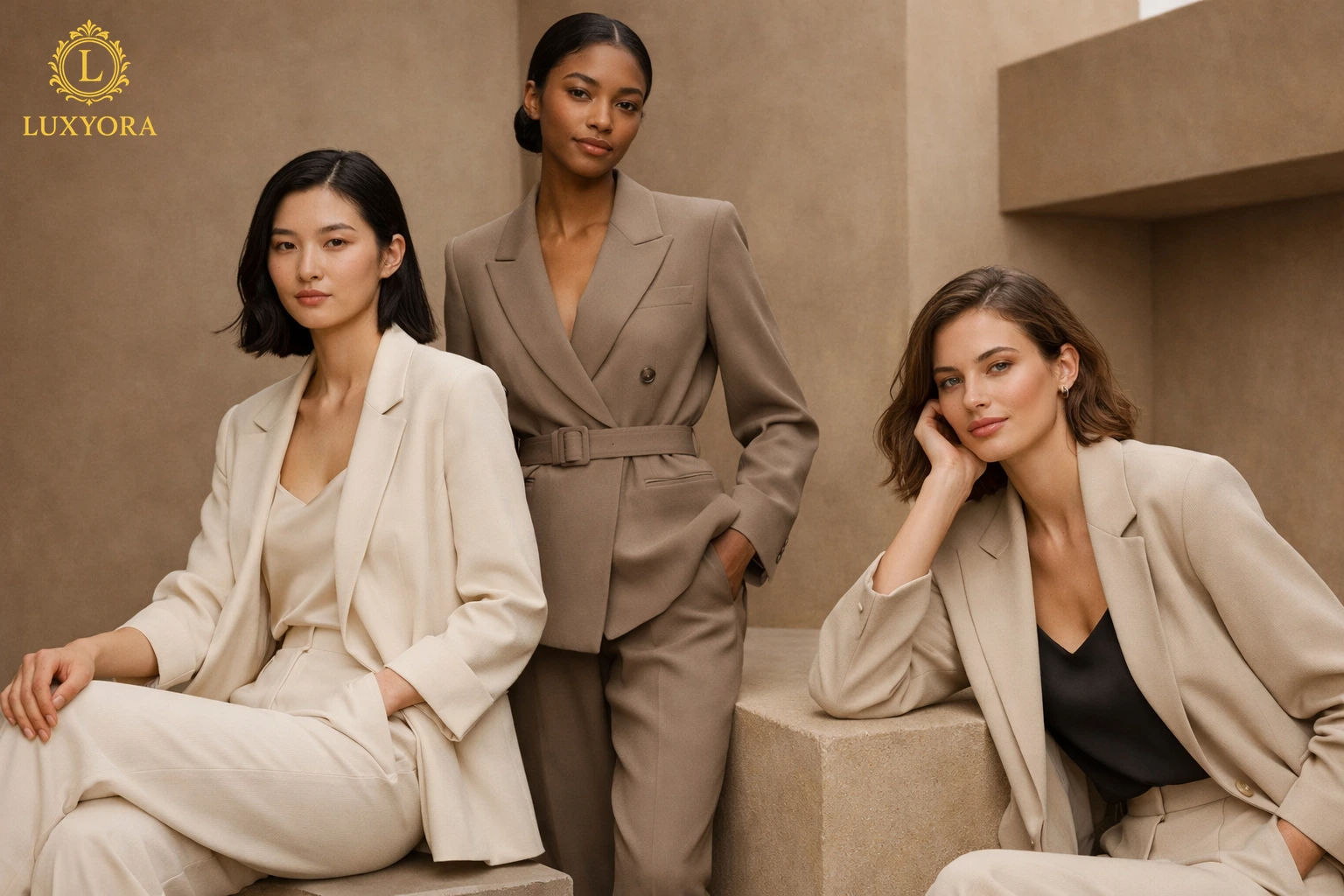
A well-cut blazer can make your shoulders relax into a confident posture. Tailored trousers can transform your stride. A statement dress or structured knit can invite a subtle but unmistakable shift: chin up, pace assured, presence anchored. A study exploring how formal attire impacts behavior confirmed that clothing associated with professionalism can actually alter cognitive processes and behavior in predictable ways.
Confidence in this sense isn’t bravado. It embodies the synergy of intent, image, and presence.
4. Mood, Meaning & The Body’s Response to Dress
Clothing also shapes mood, a powerful precursor to how we carry ourselves. Choose fabrics and silhouettes that feel good on your skin, and your nervous system registers ease. Choose colors you love, or that align with your emotional state, and your affective stance becomes visible long before you declare, “I’m happy today.”
The field of fashion psychology underscores this interplay between clothing, emotion, and identity, arguing that dress is not purely visual; it’s experiential. When your inner emotional world aligns with your outward expression, your confidence doesn’t need to assert itself; it emerges.
5. Social Feedback Loops: Confidence Begets Response
Once your attire imparts a certain signal, whether it’s competence, creativity, authority, calmness, or approachability, the environment responds in kind. People mirror, nod, smile, or extend space based on that visual prompt. Those reactions then ricochet back into your nervous system, shaping your confidence in real time.
This loop of perception-influencing response, influencing presence, begins before you say anything at all.
6. Dressing with Intention - Not Performance
Here’s an elegant truth about confidence and clothing: it doesn’t require perfection or trend-driven style. What matters is intentional alignment, that subtle resonance between what you wear and what you want to inhabit in that moment.
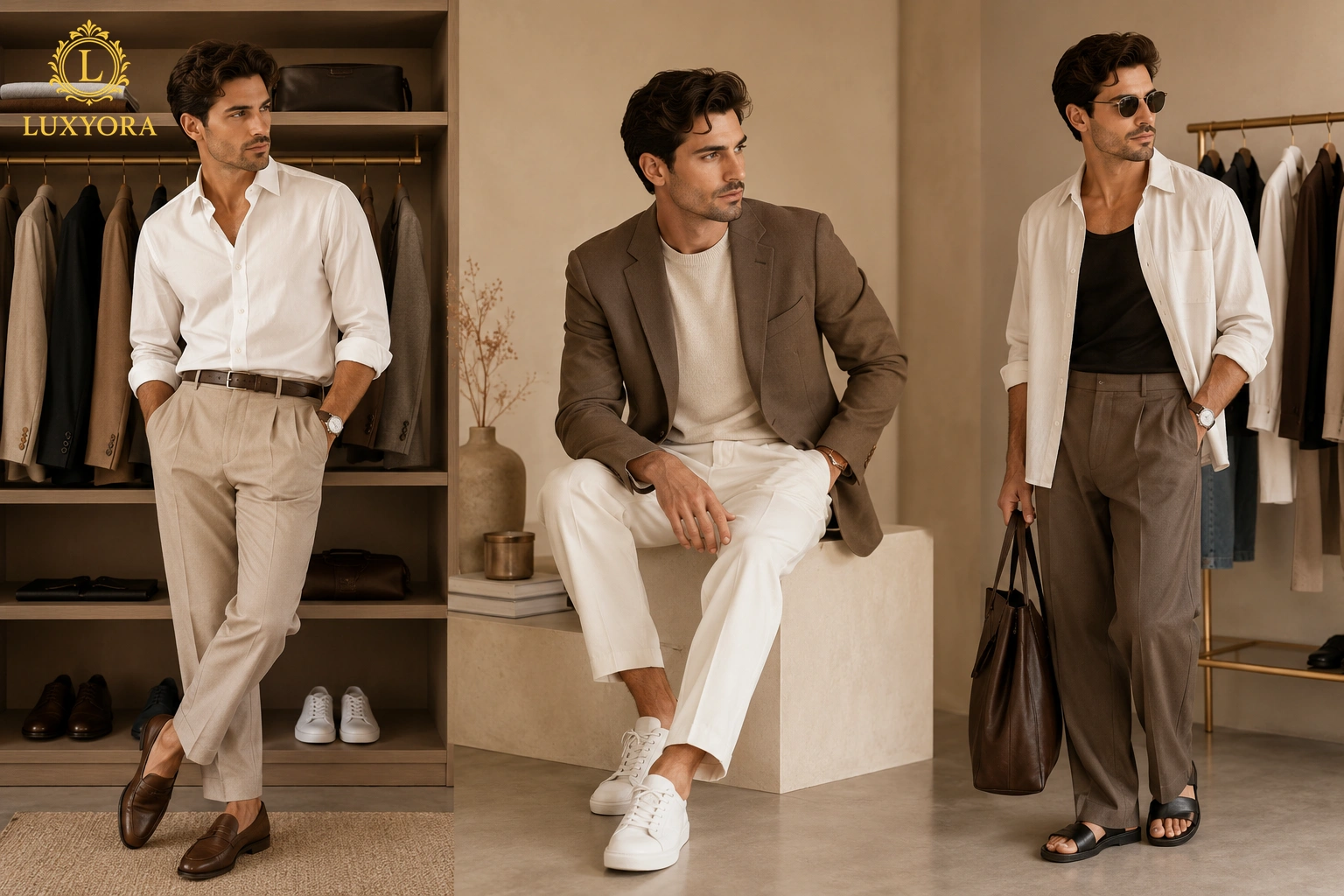
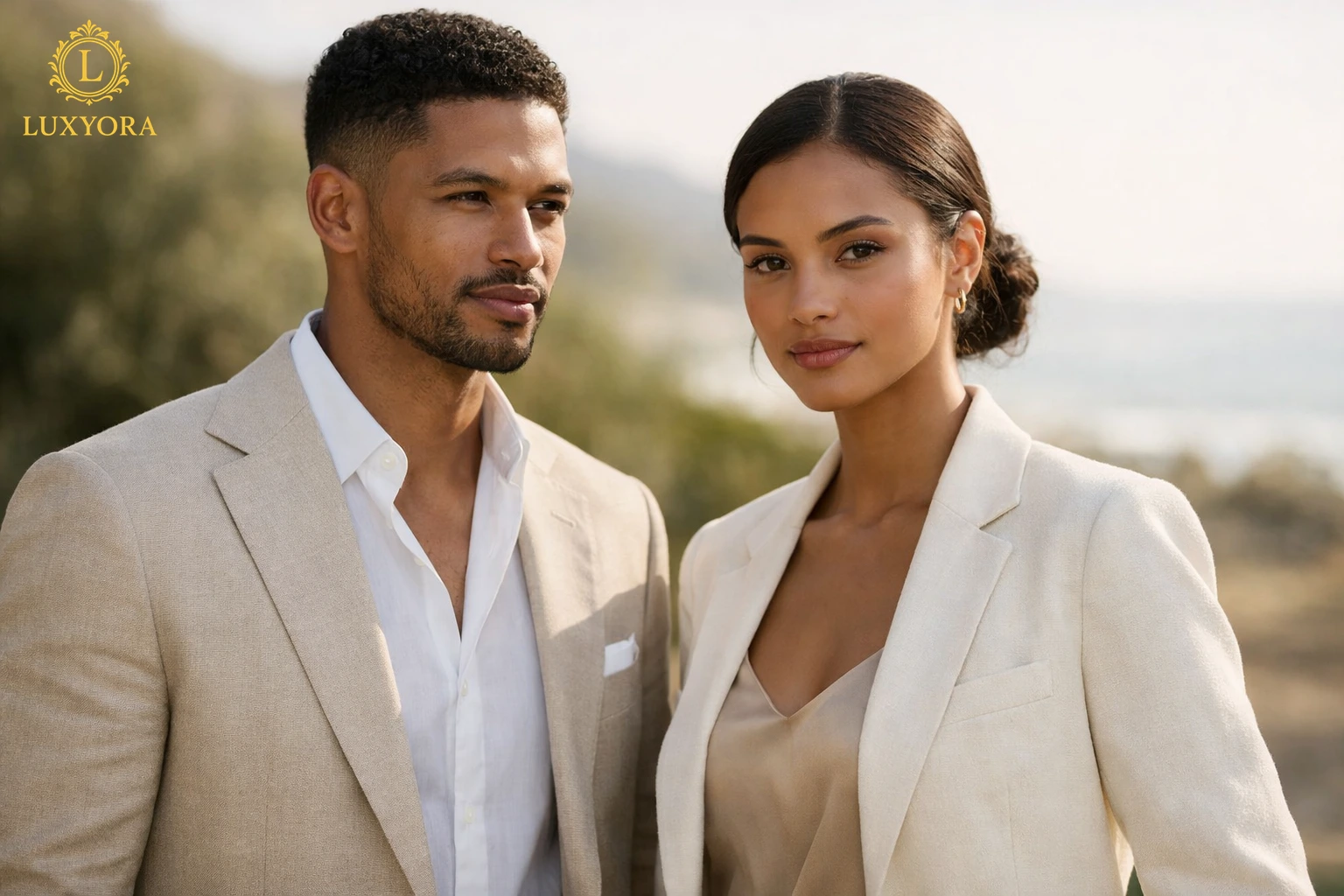
A linen suit walked in with ease, conveying something entirely different from an ill-fitting outfit worn out of obligation. Change the intention behind the choice, not just the garment itself, and your entire demeanor can shift.
7. Your Outfit as a Pre-Speech Confidence Ritual
Some fashion psychologists would even describe getting dressed as a ritual, a daily moment where intention meets embodiment. This ritual doesn’t guarantee every interaction will be flawless, but it does seed the neurological groundwork for how your brain expects the day to unfold.
So the next time you stand in front of your closet, don’t just ask, “Does this look good?” Ask, “How do I want to feel when I walk into that room?” The difference is subtle but profound.
If discovering new fabrics and trends in person appeals to you, apparel sourcing events like Fashion SVP London provide valuable insight into the industry and trends.
Because at the end of the day, the confidence your clothing generates is not about hiding insecurity; it’s about amplifying agency, body, mind, and story.
Luxyora Philosophy: Dress less to impress and more to embody. Authentic confidence begins in silence, long before your voice is heard.
References:
- Adam, H. (2019). Reflections on enclothed cognition: Commentary on Burns et al. Journal of Experimental Social Psychology, 85, 103883. (Click Here)
- Hester, N., & Hehman, E. (2023). Dress is a fundamental component of person perception. Perspectives on Psychological Science. (Click Here)
- Mair, C. (2018). The psychology of fashion. Routledge.
- Pech, G. P., Steffens, N. K., & et al. (2023). Does the cowl make the monk? The effect of uniforms and formal dressing on cognition and behavior. Frontiers in Psychology.(Click Here)