Tennis Bracelet
The tennis bracelet stands out as one of the most beloved and timeless pieces of jewelry in the realm of luxury accessories. Celebrated for its elegant simplicity and sparkling brilliance, it has become a favorite choice for both everyday outfits and upscale jewelry collections. Whether you’re new to jewelry shopping, a passionate collector, or interested in investment pieces, learning about the details of a tennis bracelet can help you make smarter and more stylish choices.
In this detailed guide, we’ll explore everything you need to know, from its history and design features to buying tips, pricing factors, and modern trends.
What Is a Tennis Bracelet?
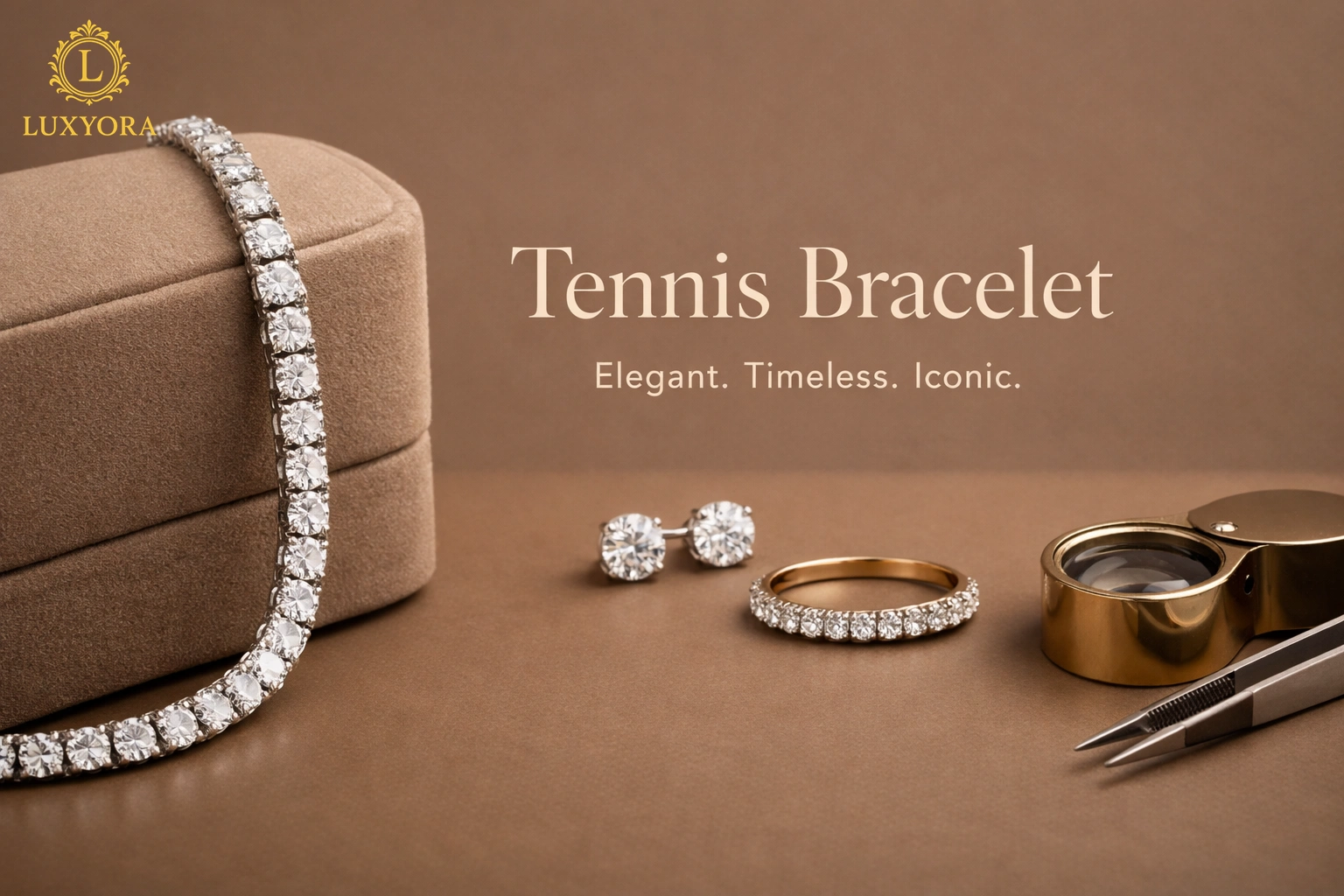
A tennis bracelet is a flexible bracelet made of a symmetrical line of individually set gemstones, typically diamonds, connected by a precious metal chain. The stones are usually uniform in size, cut, and clarity, creating a seamless and elegant appearance.
Key Characteristics
- Continuous line of diamonds or gemstones
- Flexible setting for comfort
- Secure clasp (often with safety latch)
- Minimalist yet luxurious design
This design allows the bracelet to move fluidly with the wrist, making it comfortable for long-term wear.
The Origin of the Term “Tennis Bracelet”
The term “tennis bracelet” gained popularity during the 1987 US Open when professional tennis player Chris Evert lost her diamond bracelet mid-match. She requested that the game be paused until it was found, bringing massive attention to this style of jewelry.
Before this moment, the design was commonly referred to as a “diamond line bracelet.” After the incident, jewelers began marketing it as a “tennis bracelet,” and the name stuck.
Why Tennis Bracelets Are So Popular
Timeless Elegance
Tennis bracelets offer a clean and classic look that never goes out of style. Unlike trend-driven jewelry, they remain relevant across generations.
Versatility
You can wear a tennis bracelet:
- With casual outfits
- At formal events
- In professional settings
It transitions seamlessly between day and night wear.
Investment Value
High-quality diamond tennis bracelets can retain or even increase in value over time, especially those made with premium stones and craftsmanship.
Materials Used in Tennis Bracelets
Metals
The base metal plays a crucial role in both durability and aesthetics.
- White Gold – Modern and sleek
- Yellow Gold – Classic and warm
- Rose Gold – Trendy and romantic
- Platinum – Durable and hypoallergenic
Gemstones
While diamonds are the most common choice, alternatives include:
- Sapphires
- Rubies
- Emeralds
- Moissanite (budget-friendly alternative)
Understanding Diamond Quality in Tennis Bracelets
When buying a diamond tennis bracelet, the 4Cs are essential:
Cut
Determines how well the diamond reflects light. Round brilliant cuts are most common for maximum sparkle.
Color
Ranges from colorless (most valuable) to slightly yellow.
Clarity
Refers to the presence of internal flaws or inclusions.
Carat Weight
Indicates the size of the diamonds. Larger stones significantly increase the bracelet’s value.
Types of Tennis Bracelet Settings
Prong Setting
- Most common
- Maximizes light exposure
- Offers high brilliance
Bezel Setting
- Surrounds each stone with metal
- More secure
- Slightly less sparkle
Channel Setting
- Stones are set between two metal strips
- Modern look
- Good protection for stones
How to Choose the Perfect Tennis Bracelet
Buying a tennis bracelet is a significant investment, so it’s important to consider several factors.
Wrist Size and Fit
A proper fit should allow slight movement but not slide off the wrist.
Tip: Leave about half an inch of space for comfort.
Clasp Security
Look for:
- Double-latch closures
- Safety clasps
These prevent accidental loss.
Budget Considerations
Prices can range from a few hundred to tens of thousands of dollars, depending on:
- Diamond quality
- Metal type
- Brand
Practical Tips for First-Time Buyers
Tip 1: Prioritize Quality Over Size
A smaller, high-quality diamond bracelet often looks better than a larger, lower-quality one.
Tip 2: Check Certification
Ensure diamonds are certified by reputable organizations like GIA or IGI.
Tip 3: Compare Multiple Sellers
Prices can vary significantly between retailers.
Example Buying Scenarios
Scenario 1: Everyday Wear
A working professional wants a bracelet for daily use.
Recommendation:
- 14K white gold
- Smaller diamonds (1–2 carats total)
- Bezel setting for durability
Scenario 2: Special Occasion Gift
A buyer is purchasing for an anniversary.
Recommendation:
- 18K gold or platinum
- Higher clarity diamonds
- Classic prong setting
Scenario 3: Investment Purchase
A collector is looking for long-term value.
Recommendation:
- High-grade diamonds (VS clarity or better)
- Certified stones
- Reputable brand
Tennis Bracelet Pricing Breakdown
The cost of a tennis bracelet depends on several factors:
Entry-Level ($200-$1,000)
- Cubic zirconia or low-grade diamonds
- Sterling silver or low-karat gold
Mid-Range ($1,000-$5,000)
- Smaller natural diamonds
- 14K gold
High-End ($5,000-$50,000+)
- Premium diamonds
- Platinum or 18K gold
- Designer brands
How to Style a Tennis Bracelet
Minimalist Look
Wear it alone for a clean, elegant appearance.
Layered Style
Stack with:
- Bangles
- Watches
- Other bracelets
Formal Events
Pair with diamond earrings or a necklace for a cohesive look.
Caring for Your Tennis Bracelet
Proper maintenance ensures longevity and brilliance.
Cleaning Tips
- Use mild soap and warm water
- Brush gently with a soft toothbrush
- Dry with a lint-free cloth
Storage
Professional Checkups
Have it inspected annually for:
Common Mistakes to Avoid
- Buying without certification
- Ignoring clasp quality
- Choosing the wrong size
- Overlooking maintenance needs
Modern Trends in Tennis Bracelets
Colored Gemstone Designs
Adding sapphires or emeralds for a unique twist.
Mixed Metal Styles
Combining white, yellow, and rose gold.
Lab-Grown Diamonds
A growing trend due to affordability and sustainability.
Are Tennis Bracelets Worth It?
Absolutely. A tennis bracelet offers:
- Timeless style
- Versatility
- Potential investment value
Whether you’re buying for fashion or financial reasons, it’s a piece that rarely disappoints.
Final Thoughts
The tennis bracelet is more than just a piece of jewelry; it’s a symbol of elegance, sophistication, and enduring style. With its rich history, versatile design, and wide range of options, it caters to both casual wearers and serious collectors.
By understanding key aspects such as diamond quality, settings, pricing, and maintenance, you can confidently choose a bracelet that fits your lifestyle and budget.
References
Brun, A., & Castelli, C. (2018). The nature of luxury: A consumer perspective. Palgrave Macmillan.
Diamond Producers Association. (2020). Diamond facts report.
Gemmological Institute of America (GIA). (2021). Diamond grading standards.
Kapferer, J. N., & Bastien, V. (2019). The luxury strategy: Break the rules of marketing to build luxury brands (2nd ed.). Kogan Page.
Statista. (2023). Global jewelry market insights and trends.
World Gold Council. (2022). Gold jewelry demand trends report.