Eco-Luxury : What is Eco-Luxury
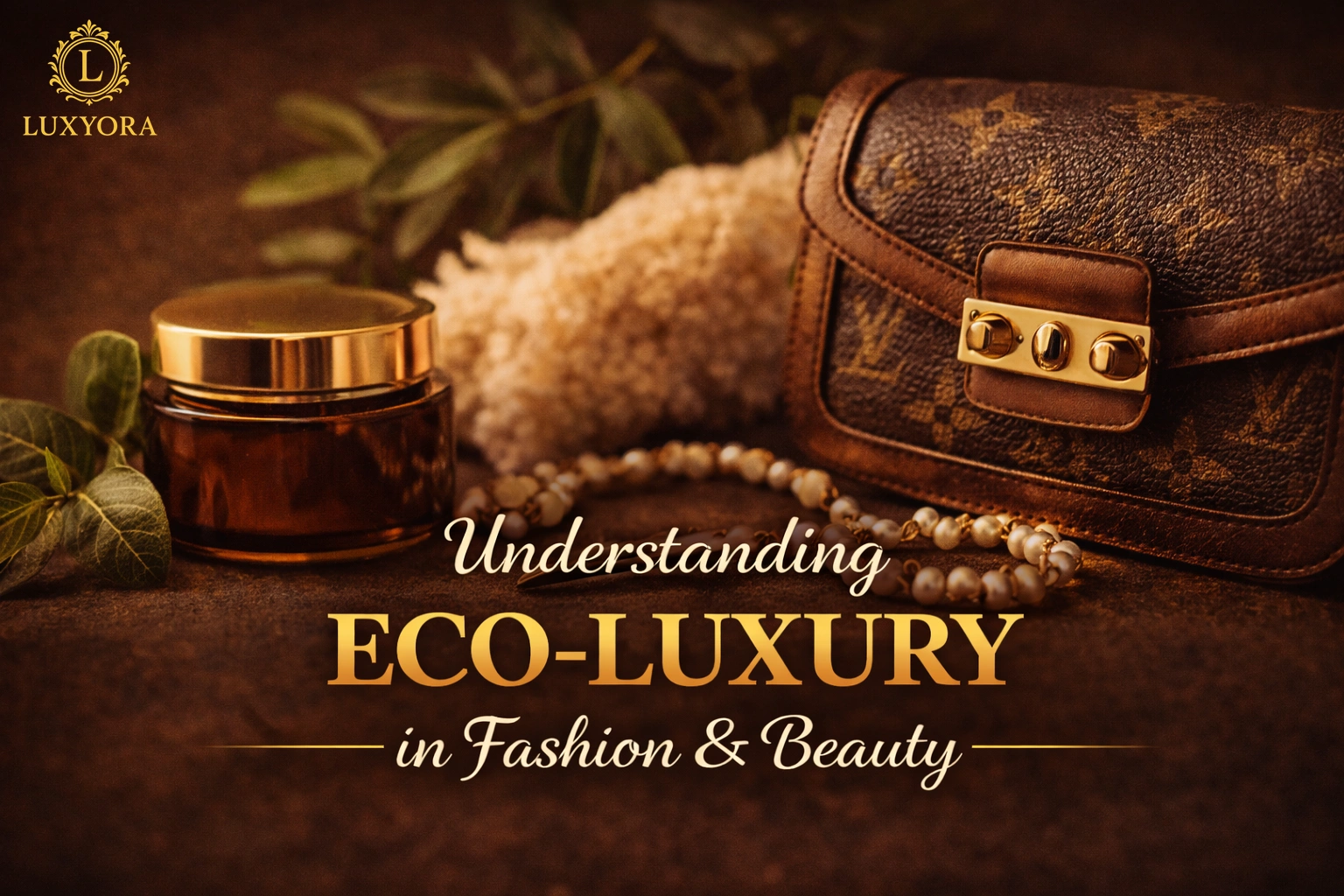
Eco-luxury is an industry term used in fashion, beauty, jewelry, and lifestyle to describe high-end products and brands that combine classic luxury values, craftsmanship, exclusivity, premium materials, and an elevated customer experience with stronger commitments to environmental sustainability, ethical sourcing, human rights, transparency, and circular economy practices. In other words, eco-luxury aims to make “luxury” mean more than status and aesthetics; it also means responsibility backed by evidence.
Eco-luxury is not a single fabric, ingredient, or certification. It is a system approach across the product lifecycle: raw materials, production, packaging, logistics, use, repair, resale/refill, and end-of-life. This is why eco-luxury is increasingly discussed as a business model shift rather than a trend.
1) What Eco-Luxury Is (and What It Is Not)
What eco-luxury is
Eco-luxury typically includes:
- Responsible materials with credible sourcing or recycled content
- Lower-impact manufacturing (energy, water, chemicals, waste management)
- Ethical labor and human-rights due diligence throughout the supply chain
- Transparency and traceability (clear information and reporting)
- Circularity: repair, resale, rental, refill, take-back, refurbishment
What eco-luxury is not
Eco-luxury is not:
- A “green” marketing label without verification (greenwashing)
- A product that is “eco” only because it uses one “sustainable” material while ignoring labor, packaging, or emissions
- A promise based solely on offsets (“carbon neutral”) without robust substantiation, especially as regulation tightens around claims
2) Why Eco-Luxury Is Growing Now
Three forces are accelerating eco-luxury:
A. Consumer expectations are evolving
Consumers increasingly look for brands that align with values like climate responsibility, cruelty-free practices, transparency, and social impact, while still expecting premium performance and aesthetics.
B. Regulation and enforcement are increasing
In the EU, regulators are moving to curb misleading environmental claims. The European Commission’s Green Claims work focuses on making claims reliable, comparable, and verifiable.
In addition, Directive (EU) 2024/825 (“Empowering Consumers for the Green Transition”) targets misleading “green” practices and sets implementation timelines that culminate on September 27, 2026, for application in member states.
C. Supply chain scrutiny is rising
Eco-luxury brands face high reputational risk. Investigative reporting and market scrutiny can expose gaps in supply chain disclosures and outdated sustainability claims, reinforcing the need for disciplined governance and accurate communications.
3) Core Pillars of Eco-Luxury (High-Value Keywords)
1. Responsible Materials
Eco-luxury often prioritizes traceable and certified materials, such as:
- Organic, regenerative, or responsibly managed natural fibers
- Recycled metals and recycled synthetics (where performance requires them)
- Bio-based innovations (including biotech ingredients in beauty)
- Improved tanning/chemical management practices (for leather supply chains)
Key idea: Eco-luxury is less about “the perfect material” and more about measurable impact reduction + verified sourcing + durability.
2. Craftsmanship + Durability (Slow Luxury)
Luxury already has a built-in advantage: longevity. A durable, repairable product often reduces replacement demand and supports circularity.
Circular fashion frameworks emphasize designing better products and keeping them in use through repair, reuse, and new business models.
3. Circular Economy Models
Eco-luxury brands increasingly integrate:
- Repair and care programs
- Resale (often authenticated)
- Rental/subscription (selected categories)
- Upcycling and made-to-order to reduce waste
- Take-back and refurbishment
UNEP’s roadmap frames circularity as requiring changes across the system, consumption patterns, improved practices, and infrastructure investment rather than isolated brand actions.
4. Ethical Labor and Human Rights
Eco-luxury requires credible safeguards:
- Supplier standards, audits, and worker protections
- Human-rights risk assessments and modern slavery compliance
- Responsible subcontracting and grievance mechanisms
This is a defining element because luxury pricing cannot ethically coexist with exploitative labor practices.
5. Transparency, Traceability, and Certification
Eco-luxury brands often use certifications to signal adherence to credible, current standards. One example is Positive Luxury’s Butterfly Mark, a sustainability certification for luxury brands that assesses environmental and social dimensions.
4) Eco-Luxury in Beauty: Where Sustainability Must Match Performance
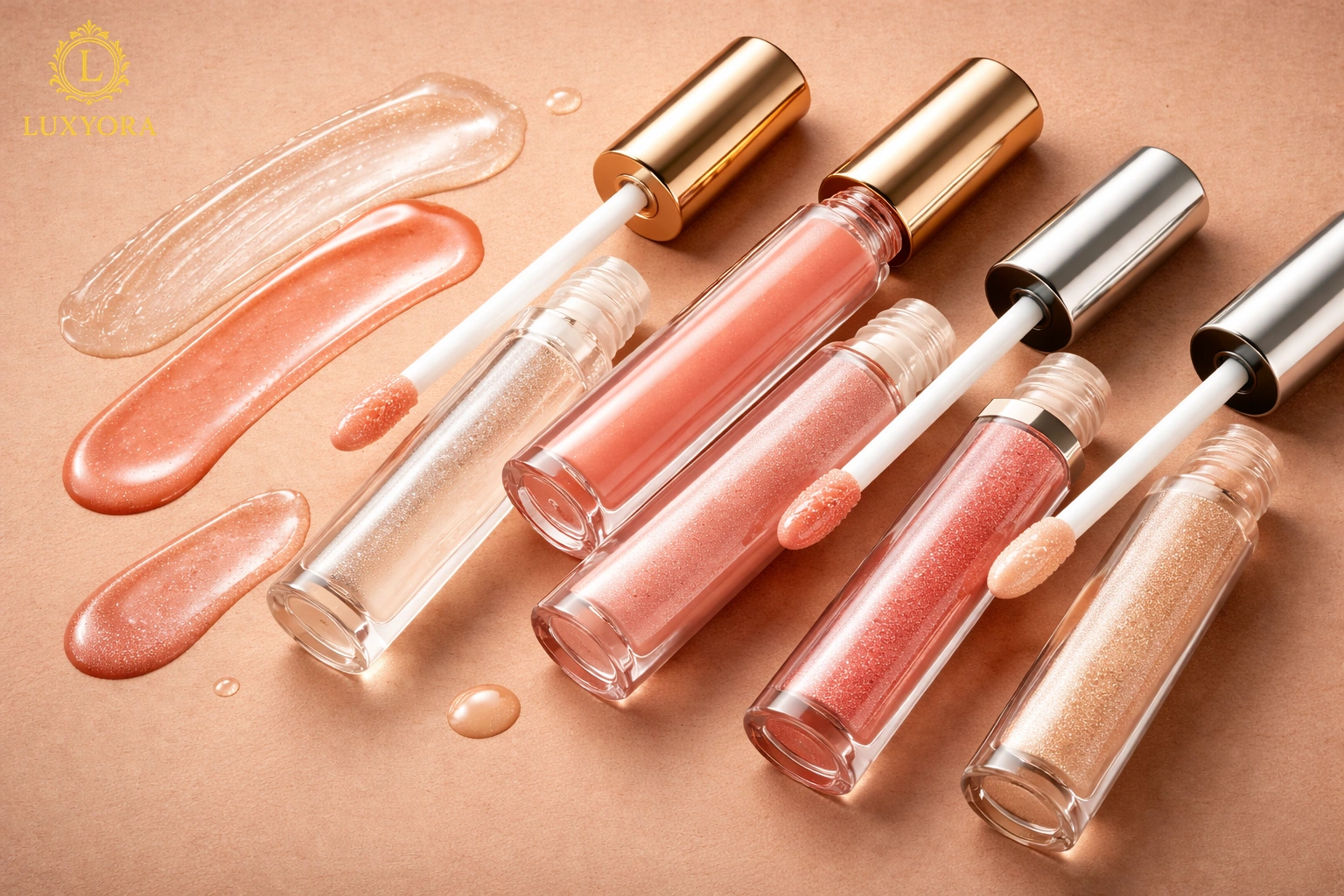
Beauty is a major arena for eco-luxury because packaging, logistics, and ingredient sourcing can carry significant impacts.
Refillable packaging
Refillables are a flagship eco-luxury strategy because they fit luxury’s preference for durable, beautiful objects. Shiseido’s sustainability reporting covers growth in refillable packaging and related initiatives.
YSL Beauty’s sustainability progress reporting highlights audited sustainability metrics and transparency efforts (with third-party auditing noted).
A real challenge: Refillables only help if consumers adopt them at scale, and the lifecycle math truly reduces impact.
Formula integrity and ingredient sourcing
Eco-luxury beauty increasingly explores:
- Biotech ingredients (potentially lowering land/biodiversity pressures)
- Responsibly sourced naturals
- Packaging reduction and material redesign
5) Greenwashing Risk: How to Identify Genuine Eco-Luxury
Use this eco-luxury credibility checklist:
- Specific claims, not vague claims
Avoid “eco-friendly” without proof. Prefer quantified, scoped claims with methods. - Traceability detail
Look for supply chain mapping, sourcing locations, and supplier oversight practices. - Proof of circularity
Repair availability, spare parts, take-back programs, resale/refill adoption plans. - Third-party verification where appropriate
Certifications and audited reports help when current and transparent. - Consistency and updates
Outdated labels or old disclosures can be a red flag; credible brands keep claims current and verifiable.
Conclusion
Eco-luxury is the premium evolution of sustainability: exceptional design and performance paired with ethical governance, verified claims, and circular thinking. As regulations tighten and scrutiny grows, eco-luxury will increasingly be defined by what brands can prove: materials, labor standards, transparency, and measurable progress rather than what they can simply market.
References
European Commission. (n.d.). Green claims. Retrieved February 5, 2026, from the European Commission website. (Environment)
European Union. (2024). Directive (EU) 2024/825 of the European Parliament and of the Council of 28 February 2024 empowering consumers for the green transition through better protection against unfair practices and better information. EUR-Lex. (EUR-Lex)
Ellen MacArthur Foundation. (2019, September 15). Fashion and the circular economy (deep dive). (Ellen MacArthur Foundation)
Ellen MacArthur Foundation. (2020). Vision of a circular economy for fashion [PDF]. (content.ellenmacarthurfoundation.org)
Ellen MacArthur Foundation. (n.d.). Circular economy for the fashion industry (overview). Retrieved February 5, 2026. (Ellen MacArthur Foundation)
Gardetti, M. A., & Muthu, S. S. (Eds.). (2018). Sustainable luxury, entrepreneurship, and innovation. Springer.
Gardetti, M. A., & Torres, A. L. (Eds.). (2019). Sustainable luxury: Cases on circular economy and social responsibility. Springer.
Reuters. (2024, May 16). EU tackles greenwashing: “Empowering Consumers Directive” and proposals for the future. (Reuters)
Reuters. (2024, August 6). LVMH’s Dior lagged on supply chain disclosure, made outdated ESG claim. (Reuters)
Shiseido Company, Limited. (2022). Sustainability report 2022 [PDF]. (corp.shiseido.com)
United Nations Environment Programme. (2023). Sustainability and circularity in the textile value chain: A global roadmap. (UNEP – UN Environment Programme)
United Nations Environment Programme. (2023). Sustainability and circularity in the textile value chain: A global roadmap [PDF]. (circulareconomy.europa.eu)
Vogue. (2023, April 18). The problem with refillable beauty. (Vogue)
YSL Beauty. (2022). Sustainability progress report 2022 [PDF]. (Yves Saint Laurent)
Positive Luxury. (n.d.). The Butterfly Mark: Sustainability certification for luxury brands. Retrieved February 5, 2026. (Positive Luxury)
Positive Luxury. (2022). Butterfly Mark re-certification (example certificate document) [PDF]. (Positive Luxury)