Counterfeit Handbags: What are Counterfeit Handbags
Counterfeit handbags are a growing global trend, gently transforming the luxury fashion world and shaping consumer habits in subtle ways that many may not realize. From bustling street markets to elegant online shops, fake designer bags are now easier to find and more convincing than ever, making it a widespread phenomenon that touches us all.
This article takes you on an engaging journey into the world of counterfeit handbags, sharing insights into how the industry operates, reasons why people choose fakes, tips on how to identify them, and the wider economic and ethical issues involved. Whether you’re a fashion lover, a thoughtful shopper, or just curious to learn more, this guide aims to give you a friendly and comprehensive overview of the topic.
What Are Counterfeit Handbags?
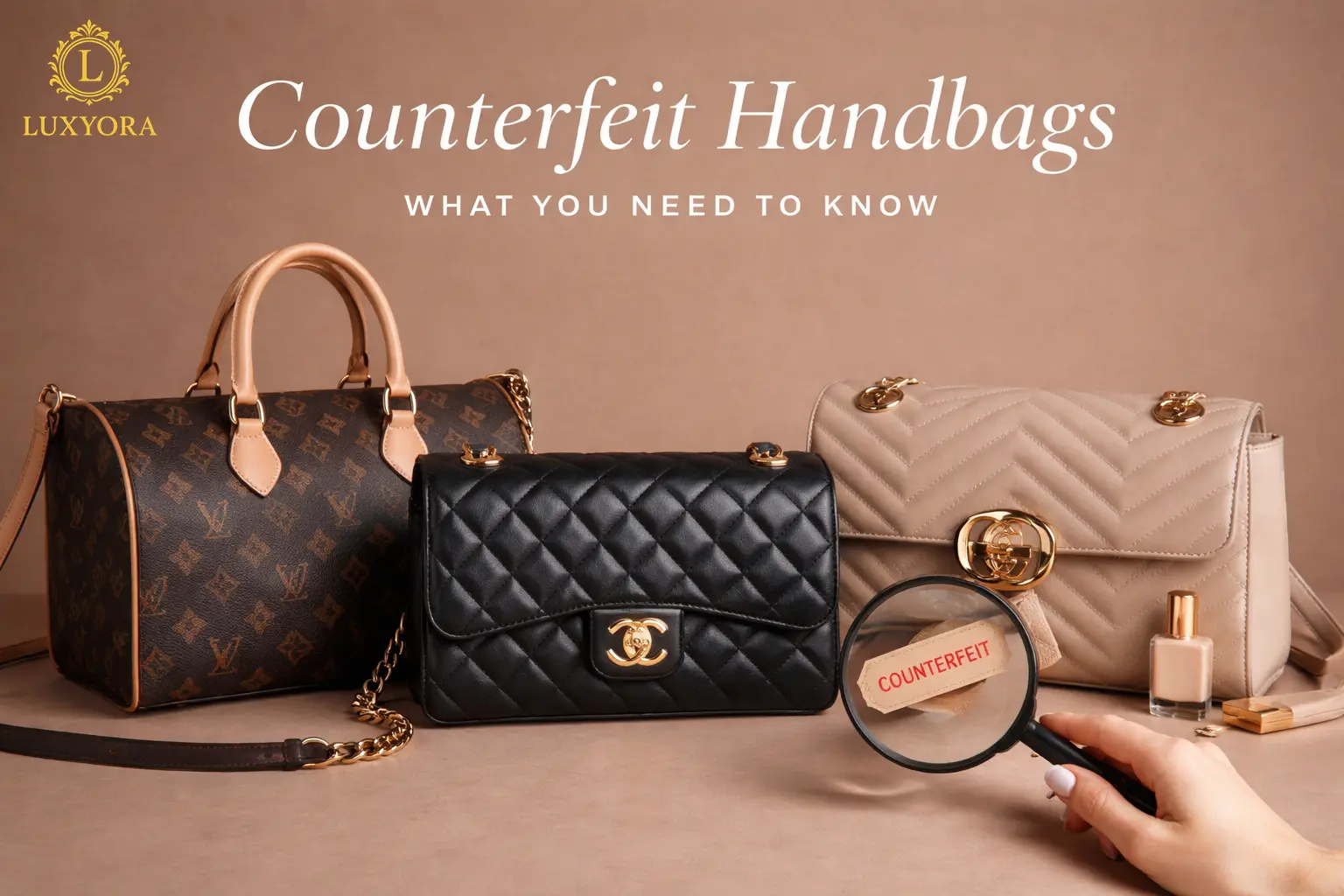
Counterfeit handbags are imitation products designed to replicate genuine luxury brand bags. These replicas often mimic the logos, designs, materials, and craftsmanship of well-known fashion houses like Louis Vuitton, Chanel, and Gucci without authorization.
Unlike inspired designs or “dupes,” counterfeit handbags illegally use trademarked logos and branding to deceive consumers into believing they are purchasing authentic items.
Key Characteristics of Counterfeit Bags
- Use of fake brand logos and trademarks
- Lower production costs and materials
- Sold at significantly reduced prices
- Often distributed through unofficial channels
The Scale of the Counterfeit Handbag Industry
The counterfeit goods market is massive, and handbags make up a significant portion of it. With globalization and e-commerce, counterfeiters now operate across borders with ease.
Global Market Size
- The global counterfeit goods market is estimated to be worth hundreds of billions of dollars annually.
- Luxury handbags are among the most commonly counterfeited products.
- Online platforms have accelerated the growth of counterfeit sales.
Where Counterfeits Are Sold
- Street vendors and flea markets
- Social media marketplaces
- Unverified e-commerce websites
- Messaging apps and private groups
Why Do People Buy Counterfeit Handbags?
Despite knowing the risks, many consumers still purchase counterfeit handbags. Understanding the motivations behind this behavior is key.
Affordability
Luxury handbags can cost thousands of dollars. Counterfeit versions offer a similar aesthetic at a fraction of the price, making them appealing to budget-conscious buyers.
Social Status
Some consumers want to project a luxury lifestyle without paying for authentic products. Carrying a designer-looking bag can create a perception of wealth and status.
Trend Accessibility
Fashion trends change rapidly. Counterfeits allow buyers to keep up without committing to expensive purchases.
Lack of Awareness
Some buyers unknowingly purchase counterfeit products, especially online, where product authenticity can be hard to verify.
How Counterfeit Handbags Are Made
Counterfeit production ranges from low-quality knockoffs to highly sophisticated “super fakes.”
Production Process
- Designers copy original products
- Factories produce replicas using cheaper materials
- Branding elements are added to mimic authenticity
- Items are distributed globally through informal networks
Types of Counterfeit Bags
- Low-quality fakes: Poor stitching, cheap materials
- Mid-tier replicas: Decent appearance, noticeable flaws
- High-quality “super fakes”: Nearly indistinguishable from originals
How to Spot a Counterfeit Handbag
Knowing how to identify a fake handbag can save you money and prevent legal or ethical issues.
Check the Price
If a deal seems too good to be true, it probably is. Luxury brands rarely offer steep discounts.
Examine the Materials
Authentic handbags use high-quality leather and hardware. Counterfeits often feel lighter and less durable.
Inspect the Stitching
Genuine bags have consistent, precise stitching. Uneven or loose threads are a red flag.
Look at the Logo
Misspellings, incorrect fonts, or poorly aligned logos indicate a counterfeit.
Verify the Seller
Always purchase from authorized retailers or official brand stores.
Legal and Ethical Issues
Buying and selling counterfeit handbags isn’t just a harmless shortcut; it carries serious consequences.
Legal Risks
- Selling counterfeit goods is illegal in most countries
- Buyers may face fines or confiscation of goods
- Customs authorities often seize fake luxury items
Ethical Concerns
- Counterfeit production is often linked to exploitative labor practices
- It undermines legitimate businesses and designers
- It contributes to global economic losses
Impact on the Fashion Industry
The counterfeit handbag market significantly affects luxury brands and the broader fashion ecosystem.
Financial Losses
Luxury brands lose billions in revenue each year due to counterfeit products.
Brand Reputation
Poor-quality counterfeits can damage a brand’s image if consumers mistake them for authentic items.
Innovation Challenges
Designers may hesitate to release new styles due to rapid counterfeiting.
The Role of Technology in Counterfeiting
Technology has transformed both the production and detection of counterfeit handbags.
How Counterfeiters Use Technology
- Advanced manufacturing techniques
- High-resolution printing for logos
- Social media marketing
Anti-Counterfeiting Measures
- RFID tags and serial numbers
- Blockchain authentication
- AI-based detection tools
Practical Tips for Avoiding Counterfeit Handbags
Here are actionable steps to help you stay safe when shopping for handbags.
Buy from Trusted Sources
Stick to official brand stores, authorized retailers, or reputable resale platforms.
Request Authentication
When buying second-hand, ask for proof of authenticity or certification.
Research Before Buying
Familiarize yourself with the brand’s design details and pricing.
Avoid Suspicious Websites
Check reviews, domain age, and payment security before purchasing online.
Real-Life Scenarios and Examples
Scenario 1: Online Bargain Trap
A shopper finds a “designer” bag online for 80% off. The website looks professional, but after purchase, the bag arrives with poor stitching and incorrect branding. Lesson: Always verify the seller and price authenticity.
Scenario 2: Street Market Purchase
A tourist buys a handbag from a street vendor, believing it’s a good deal. At the airport, customs confiscates the item. Lesson: Counterfeit goods can lead to legal complications.
Scenario 3: Second-Hand Marketplace
A buyer purchases a pre-owned luxury bag from a peer-to-peer platform. Without authentication, they later discover it’s a high-quality fake. Lesson: Always use authentication services for resale purchases.
Counterfeit vs. Authentic: Why It Matters
Choosing between counterfeit and authentic handbags goes beyond price.
Durability
Authentic handbags last longer due to superior materials and craftsmanship.
Resale Value
Genuine luxury bags often retain or even increase in value over time.
Peace of Mind
Owning an authentic product ensures you’re supporting ethical practices and avoiding legal risks.
The Future of Counterfeit Handbags
The counterfeit handbag industry is evolving rapidly, but so are efforts to combat it.
Increasing Consumer Awareness
More consumers are becoming informed about the risks and ethical concerns.
Stronger Regulations
Governments and international organizations are tightening enforcement.
Technological Advancements
Authentication technologies are making it harder for counterfeiters to succeed.
Final Thoughts
Counterfeit handbags might appear to be an easy route to luxury fashion, but they entail serious drawbacks, including legal issues, ethical questions, and potential financial losses. Staying informed is your strongest safeguard as a consumer.
By learning how counterfeit handbags are produced, understanding their reasons for existence, and recognizing how to spot them, you can make more informed purchasing choices and support a more transparent and ethical fashion industry.
References
OECD & EUIPO. (2019). Trends in trade in counterfeit and pirated goods. OECD Publishing.
Bian, X., & Moutinho, L. (2018). The role of brand image, product involvement, and knowledge in explaining consumer purchase behaviour of counterfeits. European Journal of Marketing, 52(3/4), 658–678.
Wilcox, K., Kim, H. M., & Sen, S. (2019). Why do consumers buy counterfeit luxury brands? Journal of Marketing Research, 56(2), 247–263.
UNODC. (2020). The global trade in fake goods: A worrying threat. United Nations Office on Drugs and Crime.
Staake, T., Thiesse, F., & Fleisch, E. (2021). The emergence of counterfeit trade in online marketplaces. Electronic Commerce Research and Applications, 48, 101066.
- Use mild soap and warm water
- Avoid harsh chemicals
- Use a soft cloth to polish