Bio-Fermentation : What is Bio-Fermentation
The beauty industry is always changing, and one of the most exciting innovations we’ve seen lately is bio-fermentation in skincare. From fancy serums to our daily moisturizers, fermented ingredients have become a common part of many products. But what exactly is bio-fermentation, and why do so many people see it as a game-changer in the beauty world?
This article thoroughly covers everything you might want to know about bio-fermentation, starting from its scientific background to the amazing skincare benefits it offers. It also shares helpful tips, product examples, and simple ways you can include it in your daily routine. We hope you find it inspiring and easy to understand!
What is Bio-Fermentation in Beauty?
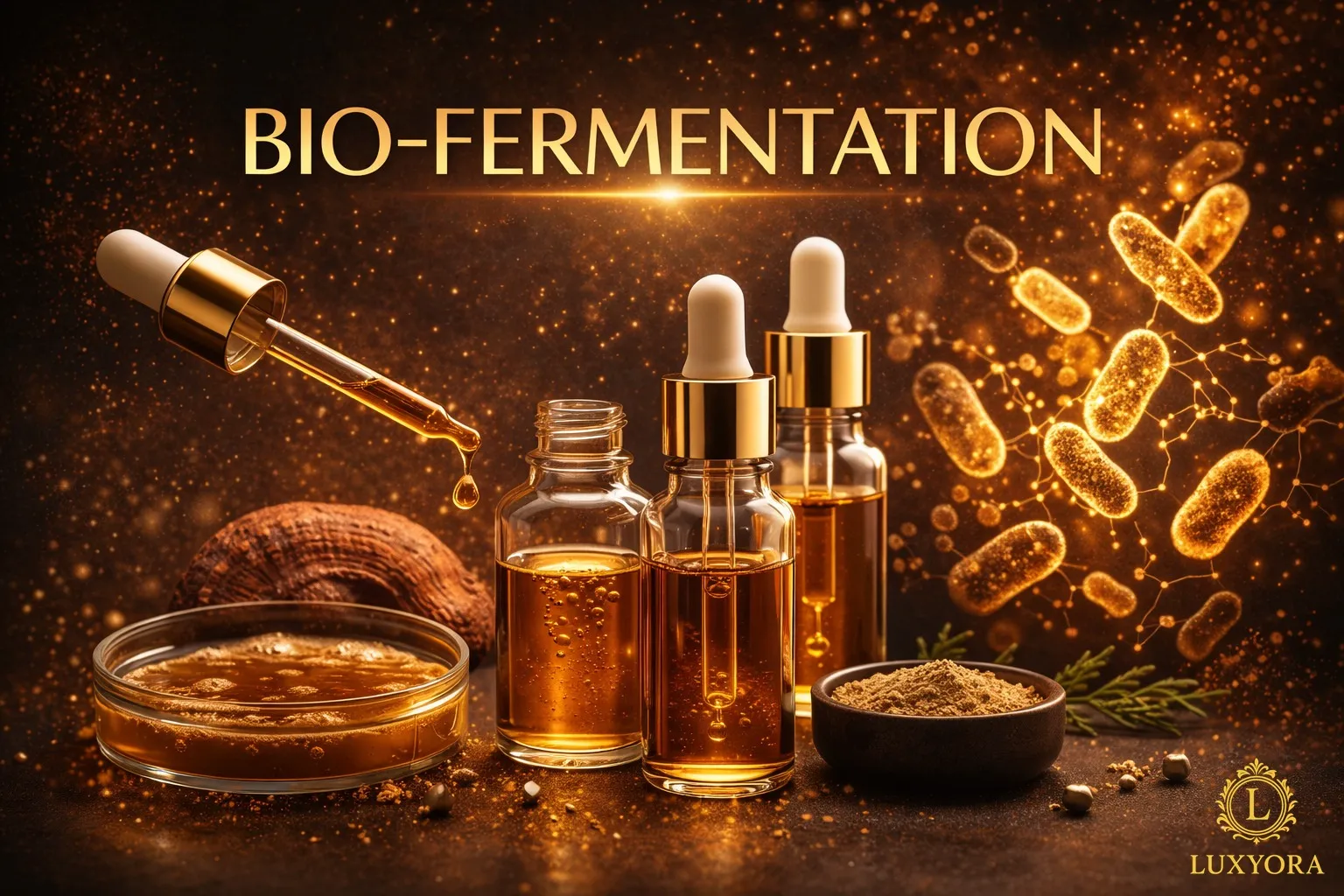
Bio-fermentation is a natural biochemical process in which microorganisms such as yeast, bacteria, and fungi break down organic compounds into simpler, more bioavailable substances. In the beauty industry, this process is used to transform raw ingredients such as plant extracts, sugars, and algae into potent skincare actives.
Unlike traditional extraction methods, fermented skincare ingredients undergo a specialized transformation that boosts their effectiveness, stability, and absorption, making them even more beneficial for your skin.
A Simple Way to Understand It
Imagine bio-fermentation as the process behind making yogurt or kombucha, but instead of focusing on food, scientists are using it to develop amazing skincare ingredients. The microbes gently ‘digest” the original materials, transforming them into smaller, more skin-friendly molecules that your skin can easily absorb.
Why Bio-Fermentation is Trending in Skincare
The rise of bio-fermentation aligns with several major beauty trends:
- Clean beauty and natural formulations
- Sustainable ingredient sourcing
- Biotechnology-driven skincare
- Skin microbiome awareness
Consumers today are more informed and prefer products that combine science-backed results with eco-conscious innovation. Bio-fermentation sits perfectly at this intersection.
How Bio-Fermentation Enhances Skincare Ingredients
Bio-fermentation doesn’t just preserve ingredients, it improves them. Here’s how:
Increased Bioavailability
Fermentation breaks down large molecules into smaller ones, allowing deeper penetration into the skin. This means better results with lower concentrations.
Enhanced Nutrient Profile
During fermentation, microorganisms produce additional beneficial compounds such as:
- Amino acids
- Peptides
- Vitamins (like B vitamins)
- Organic acids
These compounds boost the overall effectiveness of the ingredient.
Improved Stability
Fermented ingredients are often more stable and less prone to degradation, increasing shelf life and performance.
Reduced Irritation
Some raw ingredients can be harsh on the skin. Fermentation helps neutralize irritants, making them gentler and suitable for sensitive skin.
Popular Bio-Fermented Ingredients in Beauty
Bio-fermentation is used across a wide range of ingredients. Here are some of the most popular ones:
Galactomyces Ferment Filtrate
A yeast-derived ingredient known for:
- Brightening skin tone
- Improving elasticity
- Minimizing pores
Often found in essences and serums.
Saccharomyces Ferment
Derived from yeast fermentation, this ingredient helps:
- Strengthen the skin barrier
- Boost hydration
- Improve texture
Lactobacillus Ferment
A probiotic-based ferment that supports the skin microbiome and reduces inflammation.
Fermented Hyaluronic Acid
Fermentation reduces the molecular weight of hyaluronic acid, allowing deeper hydration.
Fermented Plant Extracts
Ingredients like green tea, rice, or ginseng become more potent after fermentation, delivering enhanced antioxidant benefits.
Bio-Fermentation and the Skin Microbiome
One of the most exciting aspects of bio-fermentation is its connection to the skin microbiome, the ecosystem of microorganisms living on your skin.
Supporting Healthy Skin Flora
Fermented ingredients often act like prebiotics or probiotics, helping maintain a balanced microbiome. This leads to:
- Stronger skin barrier
- Reduced acne and inflammation
- Better moisture retention
The science behind bio-fermented ingredients becomes even more fascinating when you see how premium skincare uses them to support the skin’s natural defenses. Explore Skin Barrier Luxury Products.
Real-Life Scenario
Imagine someone struggling with frequent breakouts despite using multiple active ingredients. Switching to a routine with fermented ingredients can help rebalance their skin microbiome, leading to fewer breakouts and calmer skin over time.
Sustainability and Bio-Fermentation
Bio-fermentation is not just beneficial for your skin, it’s also environmentally friendly.
Reduced Resource Consumption
Fermentation requires less energy and fewer raw materials compared to traditional extraction methods.
Upcycling Ingredients
Many brands use fermentation to transform food waste (like fruit peels) into valuable skincare actives.
Lower Environmental Impact
The process produces fewer pollutants, making it a sustainable alternative in cosmetic manufacturing.
Practical Tips for Using Bio-Fermented Skincare
If you’re new to fermented skincare, here’s how to get started:
Start with an Essence
Essences are often the first step in a fermented skincare routine. They prepare your skin to absorb subsequent products more effectively.
Layer Smartly
Use fermented products after cleansing but before heavier creams. This ensures maximum absorption.
Patch Test First
Even though fermented ingredients are generally gentle, always test new products on a small area.
Combine with Actives Carefully
Fermented ingredients work well with most actives, such as niacinamide and hyaluronic acid, but be cautious when combining them with strong acids or retinoids.
Example Skincare Routine Featuring Bio-Fermentation
Here’s a simple routine incorporating fermented ingredients:
Morning Routine
- Gentle cleanser
- Fermented essence (e.g., galactomyces-based)
- Vitamin C serum
- Moisturizer
- Sunscreen
Evening Routine
- Cleanser
- Fermented toner or essence
- Treatment serum (optional)
- Moisturizer or sleeping mask
Who Should Use Bio-Fermented Skincare?
Bio-fermented products are versatile and suitable for most skin types:
- Dry skin: Deep hydration and improved moisture retention
- Oily skin: Balances sebum production
- Sensitive skin: Gentle and soothing
- Aging skin: Boosts elasticity and reduces fine lines
Myths About Bio-Fermentation in Beauty
“Fermented Products Smell Bad”
Not necessarily. Modern formulations are refined to minimize odor while maintaining efficacy.
“It’s Just a Marketing Trend”
While it is trendy, bio-fermentation is backed by biotechnology and scientific research.
“Only Luxury Brands Use It”
Many affordable brands now incorporate fermented ingredients, making them accessible to a wider audience.
Future of Bio-Fermentation in the Beauty Industry
The future looks promising for bio-fermentation:
- Personalized skincare using fermented actives
- Advanced biotech innovations
- Increased focus on microbiome-friendly formulations
As research continues, we can expect even more targeted and effective skincare solutions.
Final Thoughts
Bio-fermentation is more than just a buzzword; it’s a scientifically advanced, sustainable approach to skincare that delivers real results. By enhancing ingredient potency, improving absorption, and supporting the skin microbiome, fermented skincare is redefining beauty standards.
Whether you’re a skincare beginner or an enthusiast, incorporating bio-fermented products into your routine can elevate your skincare game in a meaningful way.
References
Chen, H., & Jiang, W. (2018). Application of probiotics in cosmetics. Journal of Cosmetic Dermatology, 17(5), 813–819.
Draelos, Z. D. (2019). The science behind skin care: Moisturizers. Journal of Cosmetic Dermatology, 18(3), 701–707.
Gulluni, N., Re, T., Loiacono, I., Lanzo, G., & Sinicropi, M. S. (2018). Fermentation and cosmetic applications. Cosmetics, 5(4), 62.
Kumar, P., & Kim, K. H. (2020). Advances in biotechnological applications for sustainable cosmetics. Biotechnology Advances, 40, 107500.
Lee, N. K., & Paik, H. D. (2021). Probiotic bacteria in fermented foods and cosmetics. Food Science and Biotechnology, 30(4), 471–481.
Michalak, I., & Chojnacka, K. (2020). Algae as production systems of bioactive compounds. Engineering in Life Sciences, 20(5–6), 160–176.
Smyth, M., & Wilkinson, M. (2022). Biotechnology in cosmetics: Trends and innovations. International Journal of Cosmetic Science, 44(2), 123–134.