Behavioral Activation : What is Behavioral Activation
In today’s vibrant and ever-changing beauty world, feeling confident is just as essential as the products we use. One exciting new idea that’s making waves is Behavioral Activation, a psychological approach that’s gently reshaping how we connect with beauty, self-care, and personal expression. Although it started in mental health therapy, Behavioral Activation now plays a meaningful role in enhancing beauty routines, boosting self-image, and inspiring lifestyle changes.
This article explores how Behavioral Activation works, why it’s important in the beauty industry, and how you can use it to boost your confidence, routines, and overall well-being.
What is Behavioral Activation?
Behavioral Activation (BA) is a therapy that motivates individuals to participate in meaningful, rewarding activities to boost mood and motivation. Rather than waiting to feel motivated, BA promotes taking action first, which often results in improved emotional states.
In the context of beauty, this means:
- Taking small steps toward self-care
- Engaging in grooming or skincare routines even when you don’t feel like it
- Building habits that reinforce confidence and self-worth
Why Behavioral Activation Matters in Beauty
The beauty industry is no longer just about appearance; it’s about emotional well-being, self-expression, and empowerment. Behavioral Activation aligns perfectly with this shift by:
- Promoting consistency in self-care routines
- Encouraging positive self-image through action
- Reducing avoidance behaviors (like skipping skincare or grooming due to low mood)
Your beauty routine isn’t just self-care; it’s a commitment to showing up for yourself
The Psychology Behind Beauty and Action
Behavioral Activation is based on a simple principle: our behaviors influence our emotions.
When applied to beauty:
- Skipping routines can reinforce negative feelings
- Engaging in small beauty rituals can boost mood and self-esteem
The Action-Emotion Cycle
- You take a small action (e.g., washing your face)
- You feel slightly better
- That feeling motivates more positive behavior
- A cycle of self-care and confidence begins
This cycle is particularly powerful in beauty because physical transformation often leads to emotional transformation.
Confidence doesn’t come before action; it grows because of it.
Behavioral Activation and Modern Beauty Trends
The beauty industry has embraced several trends that align with Behavioral Activation principles:
1. Skinimalism (Minimal Skincare)
- Encourages simple routines instead of overwhelming regimens
- Helps reduce avoidance caused by complexity
2. Self-Care Rituals
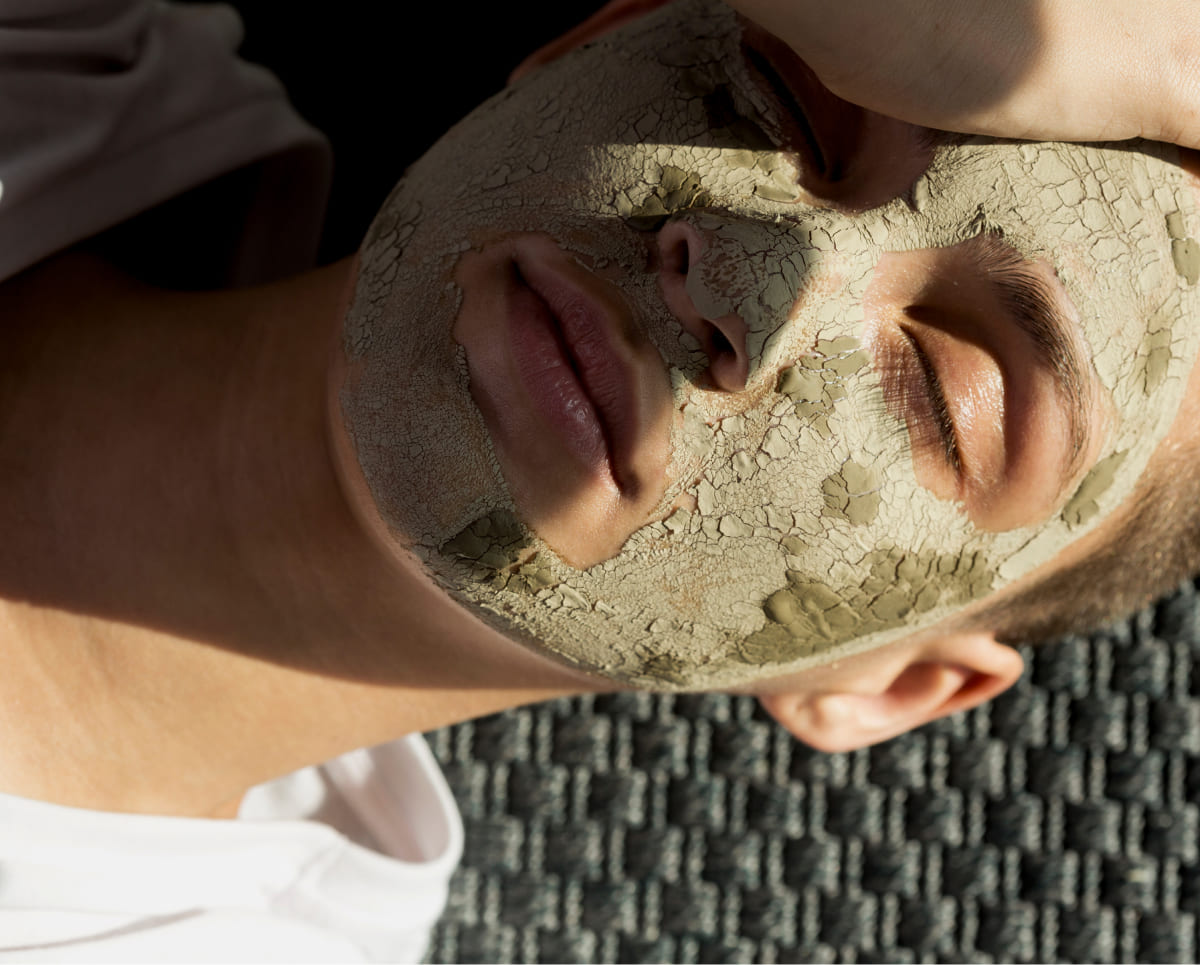
- Daily habits like face masks, massages, or journaling
- Promote emotional regulation and relaxation
3. Inclusive Beauty
- Encourages individuals to take action in expressing identity
- Builds confidence through representation
Practical Tips to Apply Behavioral Activation in Beauty
Here’s how you can use Behavioral Activation to transform your beauty routine:
Start Small and Simple
Don’t aim for perfection. Begin with:
- Washing your face daily
- Applying sunscreen
- Combing your hair
These small actions build momentum.
Schedule Your Beauty Routine
Treat your routine like an appointment:
- Morning skincare (5-10 minutes)
- Weekly hair care session
- Monthly self-care day
Consistency is more important than intensity.
Pair Beauty Tasks with Enjoyable Activities
Make routines enjoyable:
- Listen to music while doing skincare
- Watch a show while applying a face mask
This increases the likelihood of sticking to the habit.
Track Your Progress
Use a journal or app to note:
- Days you completed your routine
- How you felt afterward
This reinforces positive behavior.
Reward Yourself
After completing routines:
- Treat yourself to a new product
- Enjoy a relaxing activity
Rewards strengthen habit formation.
Small beauty habits, repeated daily, create powerful transformations over time.
Real-Life Scenarios of Behavioral Activation in Beauty
Scenario 1: Overcoming Low Motivation
Situation: You feel too tired or unmotivated to follow your skincare routine.
Behavioral Activation Approach:
- Commit to just one step (e.g., cleansing your face)
- Often, this leads to completing the full routine
Outcome: Increased sense of accomplishment and improved mood.
Scenario 2: Building Confidence for Social Events
Situation: You feel insecure about attending an event.
Behavioral Activation Approach:
- Start with grooming (hair styling, skincare)
- Gradually add makeup or outfit planning
Outcome: Improved confidence through action rather than overthinking.
Scenario 3: Recovering from a Beauty Rut
Situation: You’ve stopped caring about your appearance due to stress.
Behavioral Activation Approach:
- Reintroduce one small habit (e.g., moisturizing daily)
- Gradually rebuild your routine
Outcome: Renewed interest in self-care and self-image.
Looking good begins with the decision to take action, even on your lowest days.
Benefits of Behavioral Activation in Beauty
Improved Self-Esteem
Taking action, even small steps, creates a sense of achievement and self-worth.
Reduced Anxiety Around Appearance
Structured routines reduce decision fatigue and overwhelm.
Enhanced Consistency
Instead of relying on motivation, you rely on habits.
Stronger Mind-Body Connection
Beauty routines become a form of mindfulness and emotional care.
Common Mistakes to Avoid
Waiting for Motivation
Motivation often follows action, not the other way around.
Overcomplicating Routines
Too many products can lead to avoidance. Keep it simple.
Comparing Yourself to Others
Behavioral Activation is about personal progress, not perfection.
Skipping Days After Missing One
Missing a day is normal, just resume the next day.
Consistency in self-care builds confidence more than perfection ever will.
Behavioral Activation for Beauty Professionals
Beauty professionals like stylists, dermatologists, and influencers can also use BA principles:
Encourage Small Client Steps
- Suggest simple routines instead of overwhelming regimens
Focus on Emotional Benefits
- Highlight how beauty routines improve confidence
Build Habit-Based Services
- Offer subscription-based treatments or routine check-ins
The Future of Behavioral Activation in Beauty
As the beauty industry continues to merge with wellness and psychology, Behavioral Activation is expected to play a bigger role in:
- Personalized beauty routines
- Mental health-integrated skincare
- AI-driven habit tracking
- Holistic self-care approaches
Brands are increasingly focusing on how beauty makes you feel, not just how you look.
Self-care isn’t a luxury; it’s a behavior that shapes how you see yourself
Final Thoughts
Behavioral Activation is more than a psychological concept; it’s a powerful tool for transforming how we approach beauty. By focusing on action rather than waiting for motivation, you can build sustainable habits, boost confidence, and improve your overall well-being.
Whether you’re someone struggling with consistency or simply looking to elevate your beauty routine, Behavioral Activation offers a practical, science-backed approach to feeling and looking your best.
Ultimately, in the beauty industry, behavioral activation reinforces the idea that beauty is not just about how you look but about how everyday actions can support emotional well-being, confidence, and a healthier relationship with self-image.
References
Ekers, D., Webster, L., Van Straten, A., Cuijpers, P., Richards, D., & Gilbody, S. (2018). Behavioural activation for depression; an update of meta-analysis of effectiveness and sub group analysis. PLoS One, 9(6), e100100.
Kanter, J. W., Busch, A. M., & Rusch, L. C. (2019). Behavioral Activation: Distinctive Features. Routledge.
Martell, C. R., Dimidjian, S., & Herman-Dunn, R. (2020). Behavioral Activation for Depression: A Clinician’s Guide. Guilford Press.
Mazzucchelli, T., Kane, R., & Rees, C. (2019). Behavioral activation treatments for depression in adults: A meta-analysis and review. Clinical Psychology: Science and Practice, 16(4), 383–411.
World Health Organization. (2021). Guidelines on mental health promotion and psychological interventions. WHO Press.