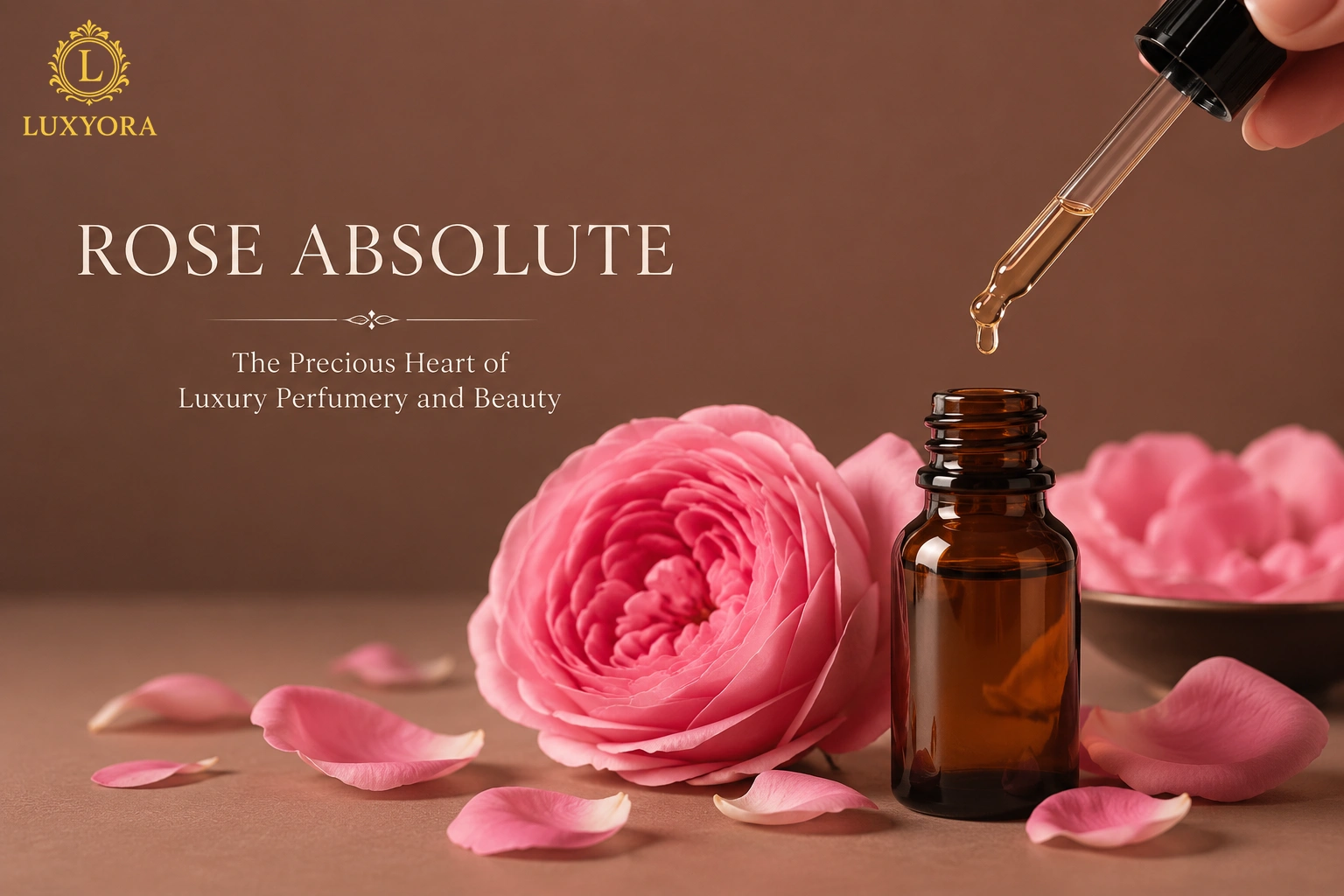
Rose Absolute : What is Rose Absolute?
Rose Absolute is one of the most treasured and luxurious ingredients in the fragrance and beauty industry. Known for its rich floral aroma, exceptional depth, and complex scent profile, rose absolute has been a cornerstone of fine perfumery, skincare, and personal care products for decades. Often referred to as “liquid gold” in the fragrance world, this highly concentrated botanical extract represents elegance, sophistication, and craftsmanship.
Whether featured as the centerpiece of a niche fragrance or incorporated into premium skincare products, rose absolute continues to captivate perfumers, formulators, beauty brands, and consumers alike. Understanding what rose absolute is, how it is produced, and why it remains so valuable can help both industry professionals and fragrance enthusiasts appreciate its unique role in modern beauty formulations.
What Is Rose Absolute?
Rose absolute is a highly concentrated aromatic extract obtained from rose petals using a solvent extraction process. Unlike rose essential oil, which is typically produced through steam distillation, rose absolute captures a broader range of aromatic compounds, resulting in a richer, deeper, and more authentic rose fragrance.
The two primary rose species used in commercial production are:
Rosa damascena (Damask Rose)
Damask rose is widely cultivated in regions such as Bulgaria, Turkey, and Morocco. It produces a complex aroma with honeyed, spicy, fruity, and floral nuances.
Rosa centifolia (Cabbage Rose)
Predominantly grown in France and Morocco, Rosa centifolia delivers a softer, sweeter, and more delicate floral character that is highly valued in luxury perfumery.
Because rose petals contain only a tiny amount of aromatic compounds, enormous quantities of flowers are required to produce even a small amount of rose absolute. This scarcity contributes significantly to its premium price.
How Rose Absolute Is Produced
The production of rose absolute involves a meticulous extraction process designed to preserve delicate aromatic molecules that might otherwise be damaged by heat.
Step 1: Harvesting the Roses
Rose petals are typically harvested by hand during the early morning hours when their aromatic content is at its peak. Timing is critical because heat and sunlight can diminish fragrance quality.
Step 2: Solvent Extraction
The harvested petals are treated with a food-grade solvent, which dissolves aromatic compounds, waxes, and pigments from the flowers.
Step 3: Creating Rose Concrete
After the solvent is removed, a waxy substance known as “rose concrete” remains. This material contains aromatic molecules along with plant waxes.
Step 4: Producing Rose Absolute
The concrete is then washed with alcohol to separate the fragrant compounds from the waxes. Once the alcohol evaporates, the final product is rose absolute.
The resulting liquid is highly concentrated and possesses an aroma remarkably similar to freshly picked roses.
Why Rose Absolute Is So Valuable
Several factors contribute to the high market value of rose absolute.
Massive Raw Material Requirements
Producing one kilogram of rose absolute may require several tons of fresh rose petals. This enormous botanical input creates natural scarcity.
Labor-Intensive Harvesting
Most premium roses used for extraction are harvested manually to protect delicate petals and maintain fragrance quality.
Limited Harvest Window
Rose blossoms are typically available only during a short seasonal period, making production highly dependent on weather conditions and agricultural yields.
Exceptional Fragrance Quality
Rose absolute offers a depth and complexity that synthetic alternatives often struggle to replicate fully. This sensory richness makes it indispensable in many luxury fragrance compositions.
Fragrance Profile of Rose Absolute
Rose absolute is admired for its multifaceted aroma. Unlike a simple floral note, it presents an intricate scent experience that evolves over time.
Common fragrance characteristics include:
- Rich floral bouquet
- Honey-like sweetness
- Fruity nuances
- Green freshness
- Soft spicy undertones
- Warm balsamic accents
- Subtle earthy facets
This complexity allows perfumers to use rose absolute across a wide variety of fragrance families.
Rose Absolute in Modern Perfumery
Rose absolute remains one of the most versatile ingredients available to fragrance creators.
Floral Fragrances
Many classic and contemporary floral perfumes rely on rose absolute as their central note(Heart). It provides authenticity, depth, and natural elegance.
Oriental and Amber Fragrances
Rose absolute blends beautifully with vanilla, amber, incense, and resins, creating luxurious oriental compositions.
Woody Fragrances
When paired with sandalwood, cedarwood, or patchouli, rose absolute introduces softness and sophistication.
Gourmand Perfumes
Modern perfumers often combine rose absolute with edible-inspired notes such as vanilla, chocolate, caramel, or berry accords.
Rose Absolute in Beauty and Skincare Products
Beyond perfumery, rose absolute is increasingly used in premium beauty formulations.
Facial Serums
Luxury skincare brands frequently include rose absolute in facial oils and serums to enhance sensory appeal and support a premium user experience.
Moisturizers
Rose-infused creams often appeal to consumers seeking indulgent botanical skincare products.
Body Care Products
Body lotions, body oils, and bath products commonly feature rose absolute to create a spa-like experience.
Hair Care Formulations
Premium shampoos, conditioners, and hair masks may incorporate rose absolute for fragrance enhancement and product differentiation.
Rose Absolute vs Rose Essential Oil
A common industry question involves the difference between rose absolute and rose essential oil.
Feature | Rose Absolute | Rose Essential Oil |
Extraction Method | Solvent Extraction | Steam Distillation |
Aroma | Rich and Complex | Fresh and Bright |
Cost | Generally Lower per aromatic intensity | Often Higher |
Fragrance Depth | Very Deep | Lighter |
Perfumery Use | Widely Preferred | Specialized Applications |
Perfumers often choose rose absolute when they want a fuller and more natural rose character in finished fragrances.
Sustainability Challenges in Rose Absolute Production
As consumers become increasingly concerned about sustainability, the rose absolute supply chain faces several challenges.
Climate Variability
Weather fluctuations can significantly impact rose harvests, affecting both quality and availability.
Water Consumption
Rose cultivation requires careful water management, particularly in regions experiencing drought conditions.
Fair Labor Practices
Because harvesting is labor-intensive, ethical sourcing programs have become increasingly important within the fragrance industry.
Traceability
Consumers increasingly expect transparency regarding ingredient origins and production practices.
Many fragrance houses now partner directly with growers to improve sustainability and support local farming communities.
Market Trends Driving Demand for Rose Absolute
Several beauty and fragrance trends continue to fuel demand for rose absolute.
Natural Fragrance Movement
Consumers increasingly seek products featuring naturally derived ingredients.
Luxury Niche Perfumery
Independent fragrance brands often use rose absolute to create distinctive and premium scent profiles.
Wellness and Self-Care
Rose-based products are strongly associated with relaxation, self-care rituals, and emotional well-being.
Clean Beauty Formulations
Botanical ingredients such as rose absolute align with the growing demand for ingredient transparency.
Practical Tips for Brands Using Rose Absolute
Brands considering rose absolute in product development can benefit from several best practices.
Source Responsibly
Work with suppliers that provide traceability, quality certifications, and ethical sourcing documentation.
Evaluate Batch Consistency
Natural materials can vary from harvest to harvest, making quality control essential.
Balance Cost and Performance
Rose absolute is expensive, so formulators often blend it with complementary naturals and aroma molecules.
Educate Consumers
Consumers are often willing to pay premium prices when they understand the rarity and craftsmanship behind rose absolute.
Example Industry Scenarios
Scenario 1: Launching a Luxury Perfume
A niche perfume house developing a premium floral fragrance may use rose absolute as the central note to create a rich and authentic rose experience that differentiates the product from mass-market alternatives.
Scenario 2: Creating a Premium Facial Oil
A skincare brand may incorporate rose absolute into a facial oil blend to elevate the product’s sensory profile and strengthen its luxury positioning.
Scenario 3: Rebranding a Beauty Line
A beauty company seeking to move into the premium segment might highlight sustainably sourced rose absolute as a hero ingredient to reinforce brand storytelling.
Future Outlook for Rose Absolute
The future of rose absolute appears exceptionally strong. Consumer demand for authentic botanical ingredients, luxury fragrances, and premium beauty experiences continues to grow worldwide.
Advancements in sustainable agriculture, ethical sourcing initiatives, and supply chain transparency are expected to further strengthen the role of rose absolute in both fragrance and beauty markets. At the same time, luxury brands are increasingly using ingredient storytelling to communicate the value of rare natural materials, making rose absolute more relevant than ever.
Conclusion
Rose absolute remains one of the most prestigious and versatile ingredients in the fragrance and beauty industry. Its extraordinary scent profile, luxurious character, and botanical authenticity make it a foundational ingredient in fine perfumery and premium personal care products. From artisanal niche fragrances to high-end skincare formulations, rose absolute continues to symbolize elegance, craftsmanship, and quality.
As sustainability, natural ingredients, and luxury experiences become increasingly important to consumers, rose absolute is poised to maintain its status as one of the industry’s most celebrated floral extracts. For brands, formulators, and fragrance enthusiasts alike, understanding rose absolute provides valuable insight into the artistry and science behind some of the world’s most coveted beauty products.
References
Arctander, S. (2019). Perfume and Flavor Materials of Natural Origin (Revised ed.). Aroma Publishers.
Baser, K. H. C., & Buchbauer, G. (2020). Handbook of Essential Oils: Science, Technology, and Applications (3rd ed.). CRC Press.
Calkin, R. R., & Jellinek, J. S. (2018). Perfumery: Practice and Principles (Revised ed.). Wiley.
International Fragrance Association. (2023). Guidance on natural fragrance ingredients and sustainability. IFRA Publications.
Lawless, J. (2021). The Encyclopedia of Essential Oils (Updated ed.). Conari Press.
Sell, C. S. (2019). The Chemistry of Fragrances: From Perfumer to Consumer (3rd ed.). Royal Society of Chemistry.
Statista. (2024). Global fragrance market trends and consumer demand for natural ingredients. Statista Industry Reports.
The International Federation of Essential Oils and Aroma Trades. (2023). Rose oil and rose absolute market overview. IFEAT Publications.
Tisserand, R., & Young, R. (2020). Essential Oil Safety (2nd revised edition update). Elsevier Health Sciences.
Vallée, R., & Mazzetti, M. (2022). Natural Raw Materials in Modern Perfumery. Fragrance Foundation Publications.