Stingray Leather : What is Stingray Leather?
Stingray leather is one of the most distinctive and durable exotic leathers used in the global leather industry. Recognized for its pearl-like texture, exceptional abrasion resistance, and luxurious appearance, stingray leather has become a sought-after material for premium fashion accessories, luxury goods, handcrafted products, and specialty leather applications.
Unlike traditional bovine leather, stingray leather offers a unique combination of beauty and strength that has fascinated artisans and leather enthusiasts for centuries. From luxury wallets and belts to watch straps, footwear, and custom-made leather goods, this exotic material continues to attract manufacturers and consumers seeking something rare and long-lasting.
In this comprehensive guide, we will explore everything about stingray leather, including its origins, production process, characteristics, advantages, disadvantages, applications, sustainability considerations, market trends, and practical buying tips.
What Is Stingray Leather?
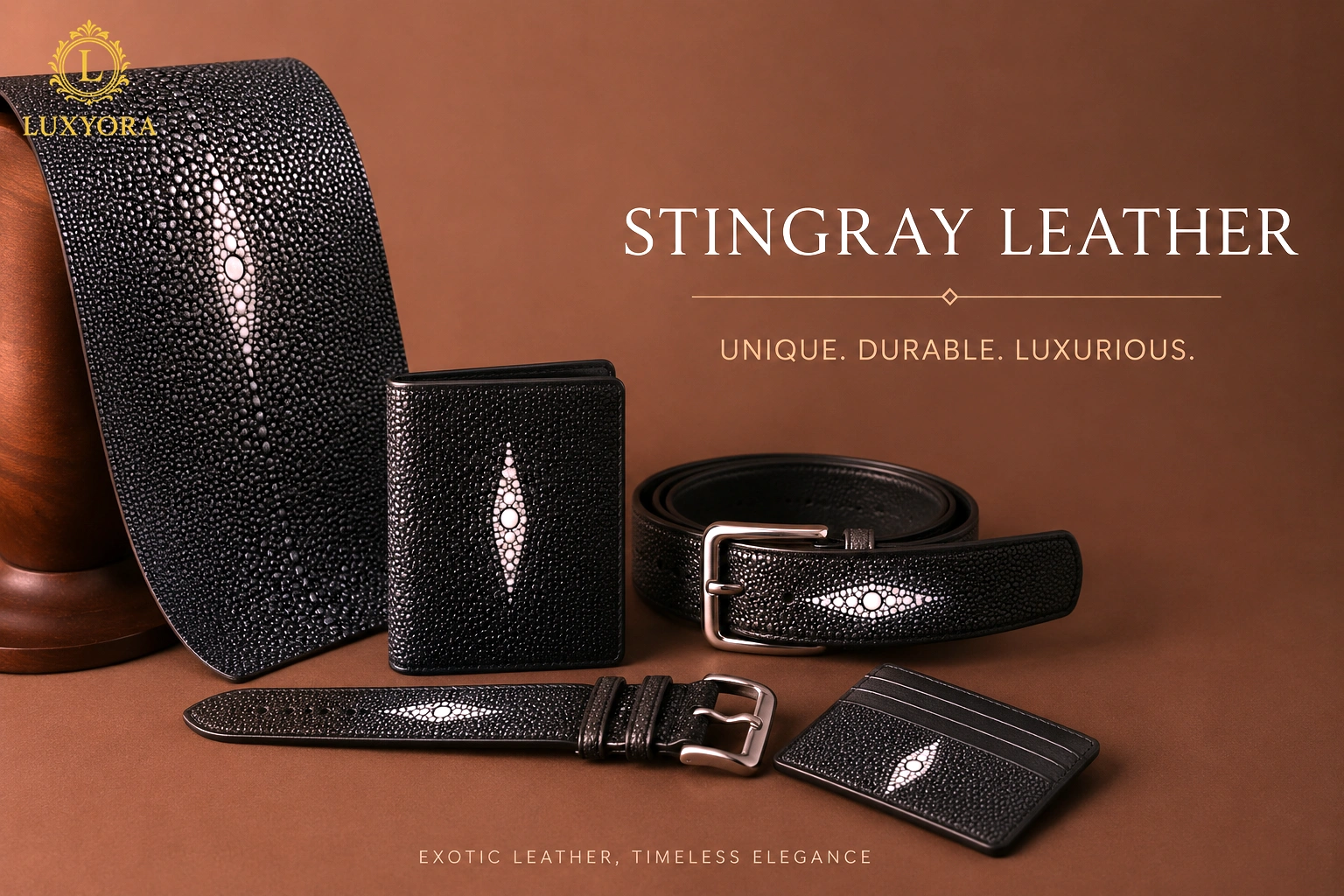
Stingray leather is an exotic leather produced from the skin of various stingray species, primarily those found in Southeast Asia and the Indo-Pacific region. The leather is known for its distinctive surface covered with small calcium-rich beads called denticles.
These denticles create a natural armor-like structure that gives stingray leather extraordinary durability and a signature textured appearance. A prominent feature found in the center of many stingray hides is the “crown” or “eye,” a cluster of larger beads that serves as a visual hallmark of authentic stingray leather.
Historically, stingray leather has been used for centuries in countries such as Japan, Thailand, Indonesia, and the Philippines. Japanese sword makers famously used stingray skin, known as “samegawa,” as a grip covering for traditional samurai swords because of its durability and anti-slip properties.
The History of Stingray Leather
The use of stingray skin dates back hundreds of years. Historical records show its application in:
Traditional Japanese Craftsmanship
Japanese artisans incorporated stingray skin into katana handles due to its excellent grip and wear resistance. The textured surface enhanced handling and improved durability.
Southeast Asian Luxury Goods
In Thailand and Indonesia, stingray leather became a symbol of craftsmanship and prestige. Artisans developed specialized tanning and polishing techniques that transformed raw stingray skins into luxury materials.
Modern Luxury Fashion
Today, stingray leather has expanded beyond traditional applications and is widely used in luxury fashion, premium accessories, and bespoke leather products worldwide.
How Stingray Leather Is Made
Producing high-quality stingray leather involves several specialized steps.
1. Raw Skin Collection
Most stingray skins used in commercial leather production are sourced as by-products of the seafood industry. Species selection plays a significant role in determining the final appearance and quality of the leather.
2. Cleaning and Preparation
The skins undergo thorough cleaning to remove flesh, oils, and impurities. Proper preparation is critical because stingray skin contains dense calcium deposits that require specialized handling.
3. Tanning Process
Manufacturers typically use chrome tanning or vegetable tanning methods. The tanning process stabilizes the collagen fibers and prevents decomposition while enhancing flexibility.
4. Surface Treatment
The distinctive beads on stingray leather are often polished to reveal their natural luster. Some manufacturers selectively sand or buff specific areas to create unique visual effects.
5. Dyeing and Finishing
Stingray leather can be dyed in a wide range of colors, including black, blue, red, green, brown, and exotic custom shades. Finishing treatments enhance color consistency, durability, and water resistance.
Unique Characteristics of Stingray Leather
Several features distinguish stingray leather from other exotic and traditional leathers.
Exceptional Durability
Stingray leather is widely considered one of the toughest leathers available in the market. The calcium-rich bead structure creates a natural protective layer that resists scratches and abrasion.
Distinctive Texture
The bead-like surface creates an instantly recognizable appearance. No two stingray skins are identical, making each product unique.
Water Resistance
Compared with many other leathers, stingray leather demonstrates superior resistance to moisture and environmental exposure.
Luxurious Appearance
The polished denticles create a subtle shimmering effect often described as pearl-like or jewel-like, enhancing the material’s luxury appeal.
Longevity
With proper care, stingray leather products can last for decades while maintaining their structural integrity and aesthetic appeal.
Advantages of Stingray Leather
Outstanding Wear Resistance
One of the biggest benefits is its remarkable resistance to everyday wear and tear. Consumers looking for long-lasting luxury goods often prefer stingray leather over traditional alternatives.
Unique Luxury Appeal
The distinctive texture makes products stand out in a crowded market of conventional leather goods.
Low Maintenance
Compared to delicate exotic leathers, stingray leather requires relatively minimal maintenance.
Natural Water Resistance
Its structure naturally resists moisture better than many common leather types.
High Resale Value
Premium stingray leather products often retain value due to their durability and rarity.
Disadvantages of Stingray Leather
While highly desirable, stingray leather does have some limitations.
Higher Cost
The specialized tanning and finishing processes increase production costs, making stingray leather products more expensive.
Limited Flexibility
Compared to calfskin or lambskin, stingray leather can feel stiffer, especially during initial use.
Specialized Manufacturing Requirements
The hardness of the skin makes cutting and stitching more challenging, requiring skilled craftsmanship.
Ethical Concerns
Some consumers may have concerns regarding exotic leather sourcing and animal welfare practices.
Common Uses of Stingray Leather
The unique properties of stingray leather make it suitable for a variety of luxury applications.
Wallets
Stingray leather wallets are among the most popular products due to their durability and distinctive appearance.
Belts
Premium belts made from stingray leather combine functionality with luxury aesthetics.
Watch Straps
Luxury watch manufacturers and custom artisans frequently use stingray leather for high-end watch bands.
Footwear
Specialty shoes and boots often incorporate stingray leather as decorative panels or full uppers.
Handbags
Luxury handbag designers use stingray leather to create visually striking and highly durable products.
Small Leather Goods
Key holders, card cases, passport covers, notebook covers, and phone cases are increasingly produced using stingray leather.
Stingray Leather vs Other Exotic Leathers
Stingray Leather vs Crocodile Leather
Crocodile leather is known for its classic scale pattern and prestige, while stingray leather offers superior abrasion resistance and a more distinctive texture.
Stingray Leather vs Ostrich Leather
Ostrich leather provides softness and flexibility, whereas stingray leather excels in durability and scratch resistance.
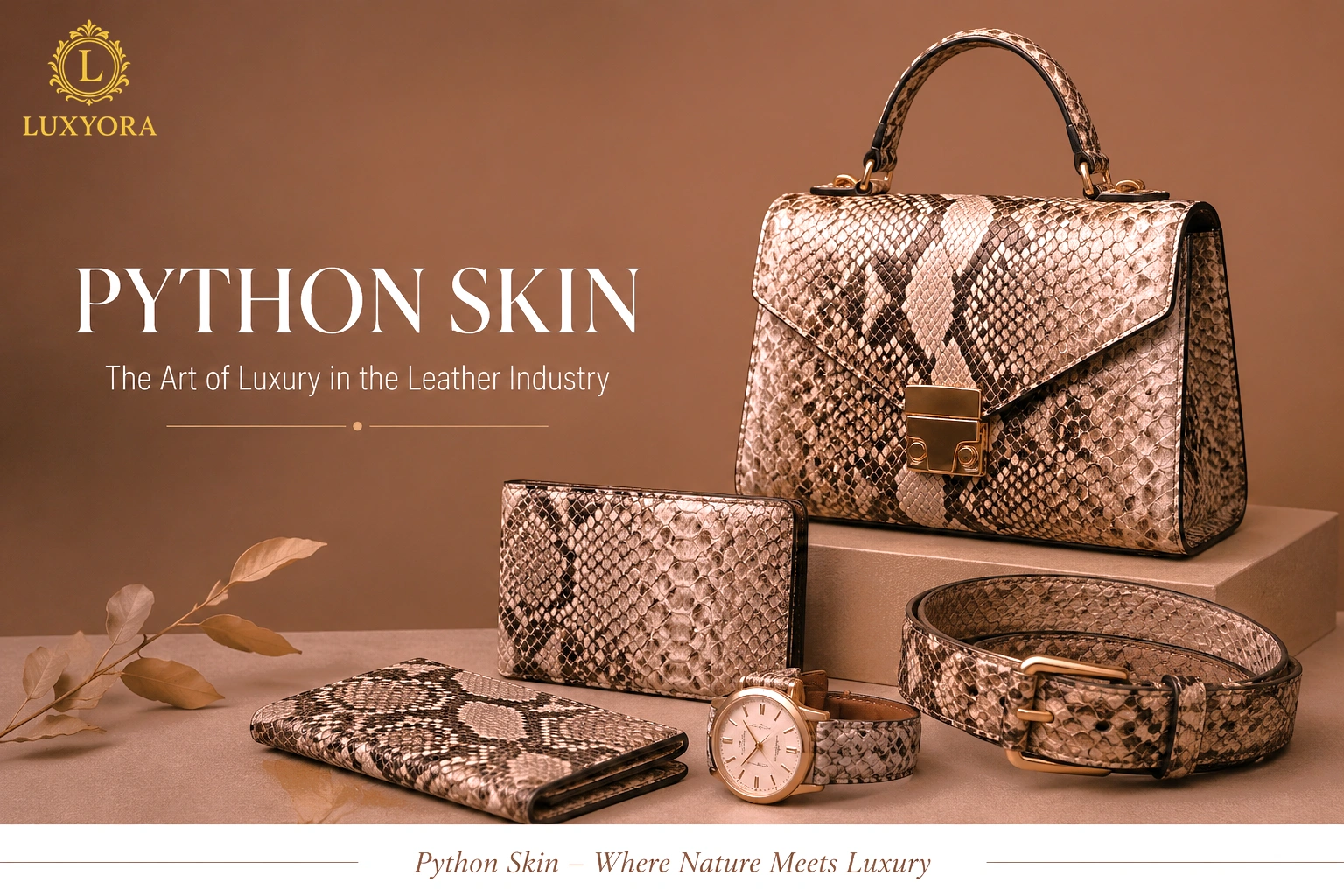
Stingray Leather vs Snake Leather
Snake leather is lightweight and visually dramatic, but stingray leather generally outperforms it in longevity and durability.
Stingray Leather vs Cowhide Leather
Traditional cowhide remains more affordable and versatile, but stingray leather offers greater exclusivity and wear resistance.
Sustainability and Ethical Considerations
The sustainability of stingray leather largely depends on sourcing practices.
Many reputable manufacturers source stingray skins as by-products of commercial fisheries, reducing waste by utilizing materials that would otherwise be discarded. Responsible sourcing programs increasingly emphasize traceability, legal harvesting, and compliance with international wildlife regulations.
Consumers interested in sustainable exotic leather should look for suppliers that provide transparent sourcing information and comply with applicable environmental standards.
How to Identify Genuine Stingray Leather
When purchasing stingray leather products, authenticity verification is important.
Look for the Crown Pattern
Authentic stingray leather often displays a distinctive central crown consisting of larger beads.
Examine the Texture
The bead-like surface should feel firm, textured, and naturally irregular.
Check Durability
Genuine stingray leather feels extremely tough compared to many synthetic imitations.
Request Documentation
Reputable suppliers often provide sourcing and authenticity information.
Caring for Stingray Leather Products
Proper care helps maximize product lifespan.
Regular Cleaning
Wipe surfaces gently with a soft, damp cloth to remove dust and dirt.
Avoid Harsh Chemicals
Strong solvents can damage the finish and affect coloration.
Store Properly
Keep products in a cool, dry location away from direct sunlight.
Use Leather Protection
Specialized exotic leather conditioners may be used when recommended by the manufacturer.
Practical Examples and Real-World Scenarios
Scenario 1: Luxury Retail Customer
A customer seeking a wallet that will withstand daily use for many years may choose stingray leather because it offers superior scratch resistance compared to conventional leather wallets.
Scenario 2: Premium Watch Collector
A watch enthusiast looking for a unique strap may select stingray leather to complement a luxury timepiece while benefiting from exceptional durability.
Scenario 3: Fashion Brand Differentiation
A luxury fashion brand may introduce a stingray leather collection to differentiate itself from competitors relying solely on calfskin or crocodile leather.
Scenario 4: Bespoke Leather Artisan
A custom leather craftsman may use stingray leather accents to increase product exclusivity and appeal to high-end consumers.
Market Trends and Future Outlook
The global demand for exotic leather products continues to evolve alongside luxury consumer preferences.
Several factors are influencing the future of stingray leather:
- Rising demand for unique luxury materials.
- Growth of bespoke and handcrafted leather goods.
- Increased focus on traceability and responsible sourcing.
- Expansion of premium accessories markets in Asia, Europe, and North America.
- Technological improvements in tanning and finishing processes.
Manufacturers are increasingly investing in sustainable production practices while maintaining the premium characteristics that make stingray leather desirable.
Final Thoughts
Stingray leather occupies a unique position within the exotic leather industry. Combining extraordinary durability, distinctive aesthetics, water resistance, and luxury appeal, it remains one of the most fascinating materials available to leather manufacturers and consumers alike.
Whether used in wallets, belts, handbags, watch straps, footwear, or bespoke accessories, stingray leather offers a blend of functionality and exclusivity that few other materials can match. As sustainability initiatives and responsible sourcing practices continue to improve, stingray leather is likely to maintain its status as a premium choice within the global leather market.
For consumers, retailers, and manufacturers seeking a durable and visually striking exotic leather, stingray leather continues to represent a compelling investment in quality, craftsmanship, and long-term performance.
References
Bhatia, S. K. (2022). Leather technology and manufacturing processes. CRC Press.
Covington, A. D. (2020). Tanning chemistry: The science of leather (2nd ed.). Royal Society of Chemistry.
Heidemann, E. (2019). Fundamentals of leather manufacturing. EduBooks.
International Trade Centre. (2023). Sustainable value chains in leather and leather products. International Trade Centre.
Leather Naturally. (2023). Understanding exotic leathers and responsible sourcing. Leather Naturally.
Organisation for Economic Co-operation and Development. (2023). Due diligence guidance for responsible supply chains in the garment and footwear sector. OECD Publishing.
United Nations Industrial Development Organization. (2021). Leather and leather products industry overview. UNIDO.
World Footwear. (2024). Global trends in luxury leather goods and exotic materials. World Footwear Yearbook.
Zhang, X., Liu, H., & Wang, Y. (2021). Advances in leather processing technologies and sustainable manufacturing. Journal of Cleaner Production, 287, 125-139.