Python Skin Leather : What is Python Skin Leather?
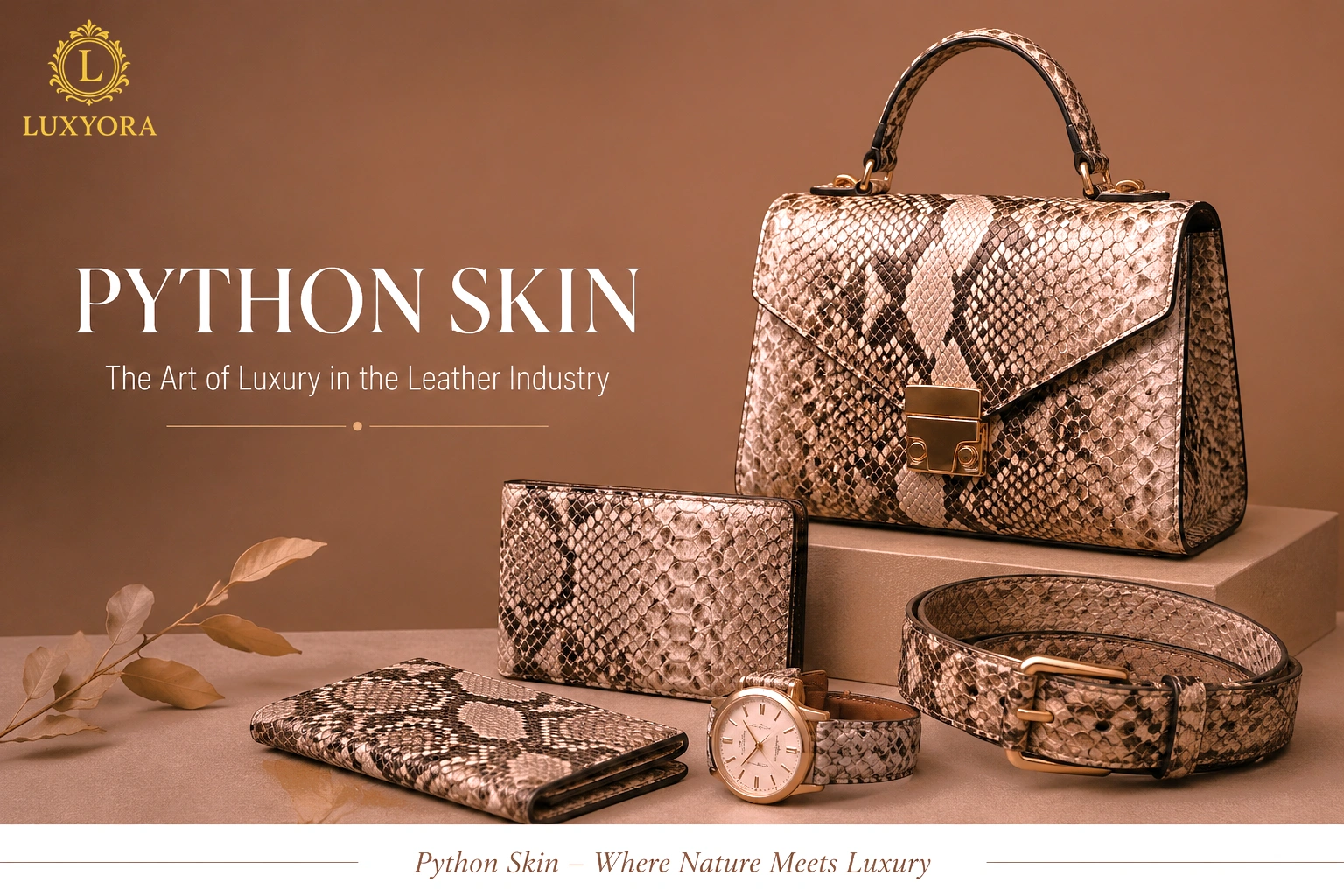
Python skin is one of the most distinctive and luxurious exotic leathers used in the global fashion and leather goods industry. Known for its unique scale patterns, flexibility, and premium appearance, python leather has become a sought-after material for luxury handbags, footwear, belts, wallets, watch straps, and designer accessories. While traditional leathers such as cowhide, goat skin, and sheep leather dominate the market, python skin occupies a specialized niche that appeals to consumers seeking exclusivity, craftsmanship, and exotic aesthetics.
In recent years, growing interest in sustainable sourcing, wildlife regulations, and luxury fashion trends has placed python skin under increased scrutiny and appreciation. Understanding what python skin is, how it is processed, its applications, benefits, challenges, and market outlook can help leather professionals, designers, retailers, and consumers make informed decisions.
What Is Python Skin?
Python skin refers to the hide obtained from various species of pythons, particularly those that are legally farmed and traded under international wildlife regulations. After proper tanning and finishing processes, the skin is transformed into a durable exotic leather characterized by its natural scale patterns.
Unlike traditional leather, python leather showcases a highly recognizable texture. The scales create visual depth and uniqueness because no two python skins have identical patterns. This natural variation is one of the key reasons why luxury brands value python leather.
The most commonly utilized species in commercial leather production include:
Reticulated Python
The reticulated python is among the most widely traded species for leather manufacturing. It offers large skins with striking patterns suitable for handbags and larger leather goods.
Burmese Python
Burmese python skins are known for their durability and attractive scale structure, making them suitable for footwear and fashion accessories.
Ball Python
Although smaller in size, ball python skins are sometimes used for specialty products and decorative leather applications.
The History of Python Leather in Fashion
Python skin has been used in luxury goods for decades. During the mid-20th century, exotic leathers became symbols of wealth and exclusivity. Fashion houses began incorporating python leather into handbags, boots, and accessories to differentiate their products from conventional leather goods.
The popularity of python skin grew significantly in the luxury market because consumers viewed exotic leather products as unique investments rather than ordinary accessories. Today, python leather remains a premium material featured in high-end collections worldwide.
How Python Skin Is Processed into Leather
The transformation of raw python skin into finished leather involves several specialized steps.
Skin Preparation
After lawful harvesting or farming, the skin is carefully removed and cleaned. Any remaining tissue, fat, or impurities are eliminated to prepare the hide for preservation.
Preservation
The raw skin is preserved using salting or refrigeration methods to prevent decomposition before processing.
Tanning
Tanning converts the raw skin into durable leather. This step stabilizes collagen fibers and prevents deterioration. Various tanning methods may be used depending on the desired softness, appearance, and performance characteristics.
Dyeing
The leather is dyed to achieve the desired colors. Python leather is available in natural tones as well as vibrant fashion colors.
Finishing
The final finishing process enhances appearance, texture, flexibility, and durability. Protective coatings may be applied to improve resistance to wear and environmental conditions.
Unique Characteristics of Python Skin Leather
Python leather possesses several distinctive qualities that set it apart from traditional leather.
Natural Scale Pattern
The most notable feature is its beautiful scale arrangement. The scales create a visually dynamic texture that immediately signals luxury and exclusivity.
Lightweight Construction
Despite its premium appearance, python leather is relatively lightweight compared to some heavier leather types.
Flexibility
Properly tanned python leather remains soft and flexible, making it ideal for fashion products requiring intricate craftsmanship.
Individuality
Every python skin displays a unique pattern. This exclusivity adds value for consumers who seek one-of-a-kind products.
Premium Market Appeal
Python leather is widely associated with luxury, sophistication, and artisan craftsmanship.
Common Applications of Python Skin in the Leather Industry
Python leather is used across numerous luxury product categories.
Luxury Handbags
Designer handbags represent one of the largest applications of python leather. The scale pattern provides visual interest and exclusivity that appeals to luxury consumers.
Footwear
Python skin is commonly used in premium boots, loafers, dress shoes, and fashion footwear.
Wallets and Small Leather Goods
Luxury wallets, card holders, key cases, and coin purses frequently feature python leather panels.
Belts
Python belts remain highly popular due to their striking appearance and durability.
Watch Straps
Luxury watch manufacturers often use python leather for limited-edition straps and custom accessories.
Fashion Accessories
Bracelets, jewelry components, phone cases, notebook covers, and eyewear accessories increasingly incorporate python leather.
Benefits of Using Python Skin Leather
Manufacturers and consumers choose python leather for numerous reasons.
Exceptional Visual Appeal
The unique scale patterns create products that immediately stand out from conventional leather goods.
Luxury Branding
Using Python leather can elevate perceived product value and strengthen premium brand positioning.
Product Differentiation
Businesses can distinguish themselves in competitive markets through exotic leather collections.
Strong Consumer Demand
Luxury consumers often seek rare and exclusive materials, creating consistent demand for python leather products.
Long-Term Durability
When properly maintained, python leather products can retain their appearance and functionality for many years.
Challenges Associated with Python Skin Leather
Although python leather offers many advantages, it also presents several challenges.
Regulatory Compliance
International trade in python skins is heavily regulated. Manufacturers and suppliers must comply with wildlife protection regulations and documentation requirements.
Higher Costs
Python leather is significantly more expensive than conventional leather due to sourcing, processing, and compliance costs.
Specialized Manufacturing
Working with python leather requires skilled artisans who understand how to cut and assemble products while preserving the natural scale pattern.
Consumer Perception
Some consumers have ethical concerns regarding the use of exotic animal-derived materials.
Sustainability and Ethical Considerations
Sustainability has become an important topic within the exotic leather industry.
Many responsible suppliers now participate in regulated farming programs designed to support wildlife conservation and legal trade practices. Traceability systems have also improved, enabling manufacturers to verify the origin of python skins.
Ethical sourcing initiatives focus on:
- Legal procurement
- Animal welfare standards
- Supply chain transparency
- Conservation support
- Environmental responsibility
Consumers increasingly seek assurance that python leather products originate from legitimate and sustainable sources.
Python Skin vs. Traditional Leather
Appearance
Python leather offers dramatic scale patterns, whereas cowhide typically provides a smoother and more uniform appearance.
Exclusivity
Python leather is considered more exclusive and luxurious due to limited supply and distinctive aesthetics.
Cost
Traditional leather is generally more affordable and widely available.
Maintenance
Python leather often requires more specialized care to preserve scale integrity and appearance.
Market Position
Cowhide dominates mainstream markets, while python leather primarily serves luxury and high-fashion segments.
Practical Tips for Working with Python Leather
Professionals handling python leather should follow specific best practices.
Storage Tips
Store products in cool, dry environments away from direct sunlight to prevent discoloration and drying.
Cleaning Guidelines
Use specialized exotic leather cleaners rather than conventional leather cleaning products.
Moisture Management
Avoid excessive exposure to water, as moisture can affect the scales and finish.
Handling Procedures
Handle products gently to avoid lifting or damaging the scales.
Professional Maintenance
Periodic inspection and professional conditioning can help preserve the leather’s premium appearance.
Example Scenarios in the Leather Industry
Luxury Handbag Manufacturer
A luxury fashion brand launches a limited-edition python leather handbag collection. The distinctive patterns allow each bag to be marketed as unique, increasing perceived value and exclusivity.
Custom Footwear Business
A bespoke shoemaker offers python leather options for clients seeking personalized luxury footwear. Customers appreciate the exotic appearance and individuality of each pair.
High-End Accessories Retailer
A retailer introduces python leather belts and wallets as premium upgrades. The collection attracts consumers looking for statement accessories and gifts.
Watch Strap Workshop
An artisan workshop develops handcrafted python leather watch straps. The unusual texture differentiates their products from standard leather alternatives.
Growing Luxury Demand
Several developments are shaping the future of python leather.
Improved Traceability
Advanced supply chain systems are making it easier to verify legal sourcing and sustainability claims.
Growing Luxury Demand
Demand for premium and personalized products continues to support the exotic leather segment.
Innovative Finishing Techniques
Manufacturers are developing new finishing technologies that improve durability while preserving natural aesthetics.
Sustainability-Focused Production
The industry is increasingly emphasizing environmentally responsible tanning and production methods.
Digital Authentication
Luxury brands are beginning to implement digital verification systems that enhance consumer confidence in product authenticity.
Conclusion
Python skin remains one of the most prestigious materials in the global leather industry. Its distinctive scale patterns, luxurious appeal, flexibility, and exclusivity have secured its place within high-end fashion and premium leather goods manufacturing. While challenges such as regulatory compliance, sustainability concerns, and higher production costs require careful management, responsibly sourced python leather continues to attract designers, artisans, and consumers worldwide.
As traceability systems, ethical sourcing programs, and sustainable manufacturing practices continue to evolve, python leather is likely to maintain its importance within the luxury leather sector. For businesses seeking premium differentiation and consumers looking for exceptional craftsmanship, python skin leather remains a remarkable and enduring choice.
References
CITES Secretariat. (2023). The CITES appendices and international wildlife trade regulations. Convention on International Trade in Endangered Species of Wild Fauna and Flora.
Kite, M., & Thomson, R. (2020). Conservation of leather and related materials (2nd ed.). Routledge.
Leather Naturally. (2023). Understanding leather sustainability and responsible sourcing. Leather Naturally.
Meyer, M. (2019). Leather production and quality management. Frankfurt Leather Institute Publications.
Nijman, V. (2021). Trade in pythons, boas, and related reptiles: Implications for conservation and sustainable use. Journal of Nature Conservation, 63, 126073.
Organisation for Economic Co-operation and Development. (2022). Due diligence guidance for responsible supply chains in the garment and footwear sector. OECD Publishing.
United Nations Environment Programme. (2021). Sustainability and traceability in global fashion supply chains. UNEP.
World Wildlife Fund. (2022). Wildlife trade, conservation, and sustainable sourcing practices. WWF Publications.
- Use mild soap and warm water
- Avoid harsh chemicals
- Use a soft cloth to polish
- Increasing demand for minimalist jewelry
- Growth in personalized and charm-based designs
- Rising interest in durable, everyday pieces
Industry Trends (2018–2025)