Lizard Leather
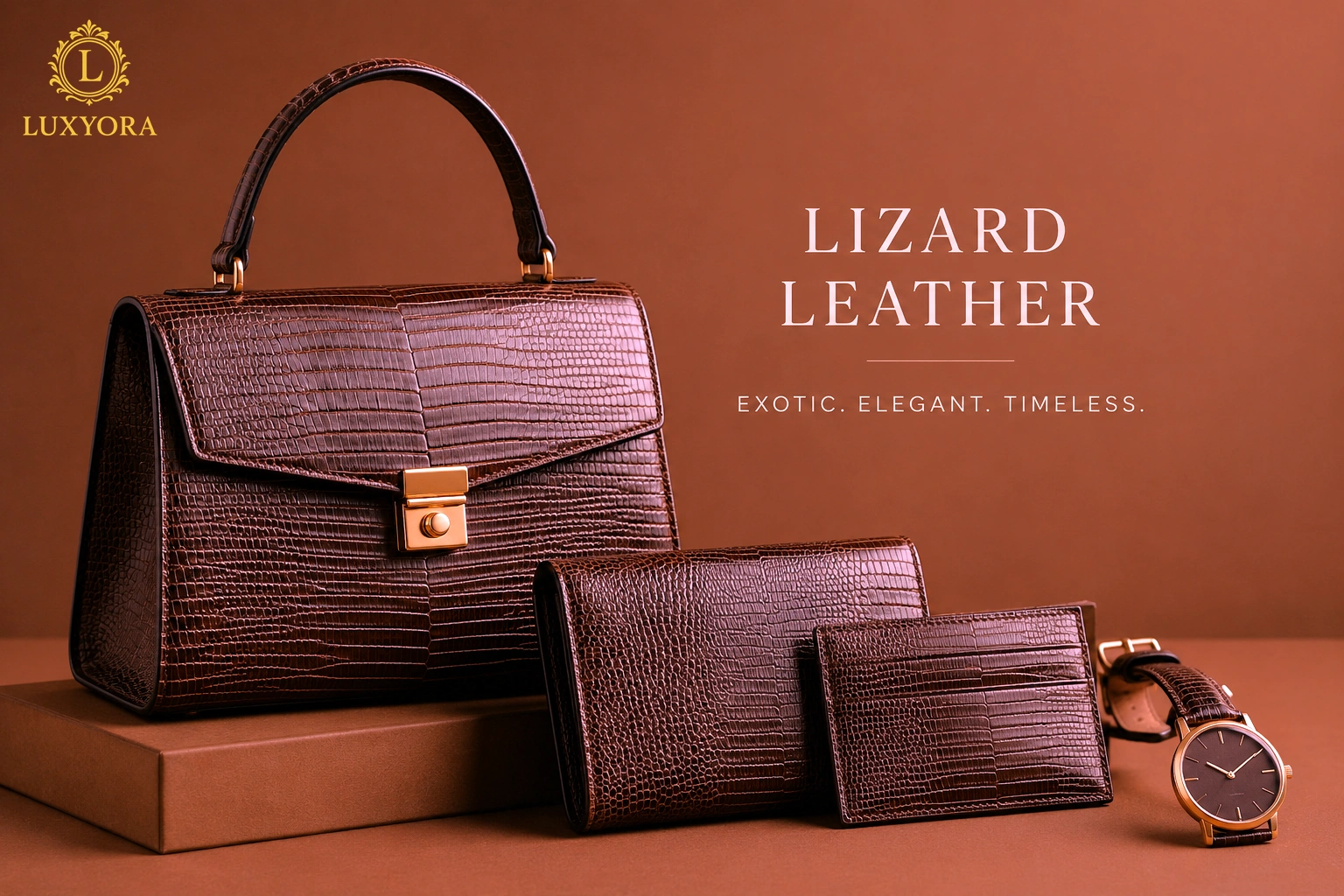
Lizard leather is one of the most distinctive and sought-after exotic leathers in the luxury goods industry. Known for its elegant scale patterns, lightweight feel, durability, and refined appearance, lizard leather has become a preferred material for premium handbags, wallets, watch straps, footwear, and fashion accessories.
Unlike conventional leather types such as cowhide or sheepskin, lizard leather offers a unique visual texture that instantly communicates exclusivity and craftsmanship. For decades, luxury brands and artisan leatherworkers have used lizard skins to create sophisticated products that appeal to consumers seeking something beyond traditional leather.
In this comprehensive guide, we will explore everything you need to know about lizard leather, including its origins, characteristics, manufacturing process, benefits, drawbacks, applications, maintenance tips, sustainability considerations, and practical buying advice.
What Is Lizard Leather?
Lizard leather is an exotic leather derived from specific species of lizards that are legally sourced and regulated under international wildlife trade agreements. The most commonly used species in commercial leather production include monitor lizards and tegu lizards.
The leather is valued primarily for its naturally occurring scale patterns, which create a refined and luxurious texture. The scales are generally small, symmetrical, and uniform, making the leather visually appealing for high-end fashion products.
Compared to crocodile leather, which features larger scales, lizard leather provides a more delicate and sophisticated appearance. This subtle elegance is one reason why luxury manufacturers often select it for smaller accessories and fine leather goods.
History of Lizard Leather in Luxury Goods
The use of exotic animal skins dates back centuries, but lizard leather gained significant popularity during the twentieth century when luxury fashion houses began exploring alternative materials to distinguish their products.
By the mid-1900s, luxury accessory makers increasingly incorporated lizard leather into wallets, belts, handbags, and watch straps. The material became associated with exclusivity because sourcing and processing exotic skins required specialized skills and compliance with wildlife regulations.
Today, lizard leather remains an important segment within the exotic leather market, particularly among consumers seeking premium craftsmanship and distinctive aesthetics.
Key Characteristics of Lizard Leather
Unique Scale Pattern
The defining feature of lizard leather is its uniform scale arrangement. The scales create a naturally decorative surface that often requires little embellishment.
Lightweight Construction
Lizard leather is relatively lightweight compared to many other exotic leathers. This makes it particularly suitable for fashion accessories that require comfort and elegance.
Smooth Texture
Although textured visually, properly finished lizard leather often feels smooth and refined to the touch.
Excellent Dye Absorption
Lizard leather readily accepts dyes, allowing manufacturers to create products in vibrant colors ranging from classic black and brown to bold reds, blues, and greens.
High-End Appearance
Its distinctive texture immediately signals luxury, making it a favorite choice among premium fashion brands.
How Lizard Leather Is Made
Producing high-quality lizard leather involves multiple specialized stages.
Ethical and Legal Sourcing
The process begins with legally sourced skins obtained through regulated supply chains. International trade is often governed by the Convention on International Trade in Endangered Species of Wild Fauna and Flora (CITES).
Preservation
After collection, skins are preserved to prevent decomposition before processing.
Tanning
Tanning transforms raw skin into durable leather. Various tanning methods may be used depending on the desired finish, flexibility, and color.
Dyeing and Finishing
Manufacturers apply dyes and finishing treatments to enhance appearance, durability, and resistance to wear.
Quality Inspection
Each skin undergoes inspection for imperfections, consistency, and scale integrity before being approved for production.
Types of Lizard Leather
Several varieties of lizard leather are used commercially.
Teju Lizard Leather
Teju lizard leather is among the most widely used varieties. It features a consistent scale pattern and is commonly found in luxury wallets and belts.
Monitor Lizard Leather
Monitor lizard leather typically exhibits larger scales and is frequently used in premium handbags and footwear.
Ring Lizard Leather
Ring lizard leather is appreciated for its distinctive appearance and flexibility, making it popular in luxury accessories.
Popular Uses of Lizard Leather
Luxury Handbags
Many luxury brands incorporate lizard leather into handbag collections to create visually distinctive pieces.
Example Scenario
A fashion enthusiast attending a formal event may choose a lizard leather clutch because its unique texture provides a sophisticated alternative to standard leather bags.
Wallets
Lizard leather wallets combine durability with elegance and often develop an attractive patina over time.
Example Scenario
A business executive seeking a premium everyday wallet may prefer lizard leather for its professional appearance and exclusivity.
Watch Straps
The leather’s flexibility and refined texture make it particularly suitable for luxury watch straps.
Example Scenario
A collector purchasing a high-end mechanical watch may select a lizard leather strap to complement the timepiece’s sophisticated design.
Footwear
Luxury shoemakers frequently use lizard leather in dress shoes and limited-edition collections.
Belts and Small Accessories
Belts, card holders, keychains, and phone cases often benefit from the leather’s distinctive aesthetic.
Advantages of Lizard Leather
Exceptional Aesthetic Appeal
The naturally elegant scale pattern creates a luxurious visual impact that is difficult to replicate with embossed leathers.
Exclusivity
Lizard leather products are generally produced in smaller quantities, increasing their perceived value.
Lightweight Performance
Its lightweight nature contributes to comfortable daily use.
Durability
With proper care, quality lizard leather products can last for many years.
Strong Resale Potential
Limited production and luxury positioning can contribute to favorable resale values for certain items.
Disadvantages of Lizard Leather
Higher Cost
Exotic leather sourcing and processing contribute to premium pricing.
Specialized Maintenance Requirements
Lizard leather requires more careful handling than standard cowhide.
Sensitivity to Dryness
Without adequate conditioning, scales may become brittle over time.
Limited Availability
Not all styles or products are readily available due to sourcing constraints and regulatory requirements.
How to Identify Genuine Lizard Leather
Consumers should understand how to distinguish authentic lizard leather from imitations.
Examine the Scale Structure
Natural scale patterns display subtle variations that are difficult to replicate artificially.
Check Flexibility
Authentic lizard leather generally feels supple while maintaining structural integrity.
Observe the Edges
Genuine exotic leather products often reveal natural skin characteristics at edges and seams.
Verify Documentation
Reputable sellers may provide information regarding sourcing, authenticity, and regulatory compliance.
Caring for Lizard Leather Products
Proper maintenance significantly extends the life of lizard leather goods.
Keep Away from Excessive Moisture
Water exposure can damage the leather and affect scale integrity.
Store Properly
Use dust bags and store products in cool, dry environments.
Avoid Direct Sunlight
Extended UV exposure may cause fading and drying.
Use Appropriate Conditioners
Only products designed for exotic leather should be used.
Clean Gently
Use a soft microfiber cloth and avoid abrasive cleaning methods.
Practical Maintenance Example
Suppose you own a luxury lizard leather wallet used daily. After several months of regular use, light cleaning with a soft cloth and periodic conditioning can help maintain flexibility and preserve the natural sheen of the scales.
Lizard Leather vs. Crocodile Leather
Both materials belong to the exotic leather category but differ significantly.
Appearance
Lizard leather offers smaller, more uniform scales, while crocodile leather features larger and more dramatic scale patterns.
Weight
Lizard leather is generally lighter.
Price
Depending on quality and rarity, crocodile leather products may command higher prices, though premium lizard leather remains a luxury material.
Applications
Lizard leather is particularly popular for small accessories and watch straps, while crocodile leather is often used in larger luxury goods.
Sustainability and Ethical Considerations
Modern consumers increasingly evaluate luxury materials through environmental and ethical lenses.
The exotic leather industry has responded by implementing stricter sourcing standards, traceability programs, and regulatory oversight. Many legally traded lizard skins originate from managed populations and controlled harvesting systems designed to support long-term conservation goals.
Consumers interested in sustainability should seek products from manufacturers that provide transparency regarding sourcing practices and compliance with international wildlife trade regulations.
As luxury markets continue evolving, traceability, certification, and responsible sourcing are becoming increasingly important purchasing factors.
Market Trends and Future Outlook
Several trends are shaping the future of lizard leather.
Growing Demand for Luxury Accessories
Global luxury goods markets continue to support demand for distinctive exotic leather products.
Increased Focus on Traceability
Consumers increasingly expect detailed information regarding sourcing and production.
Artisan Craftsmanship
Handcrafted products continue gaining popularity among luxury buyers seeking authenticity.
Limited Production Appeal
Scarcity remains an important factor driving consumer interest in exotic leather goods.
Buying Tips for First-Time Buyers
Research the Seller
Choose reputable retailers and established luxury brands.
Verify Authenticity
Request documentation and authenticity guarantees whenever possible.
Understand Maintenance Requirements
Ensure you are prepared for the specialized care associated with exotic leather.
Consider Intended Use
A watch strap may require different characteristics than a handbag or wallet.
Evaluate Construction Quality
Inspect stitching, edge finishing, lining materials, and overall craftsmanship.
Real-World Buying Scenario
A buyer choosing between a premium calfskin wallet and a lizard leather wallet should consider lifestyle, maintenance expectations, and personal style preferences. If uniqueness and luxury appeal are priorities, lizard leather may provide greater long-term satisfaction despite its higher price point.
Conclusion
Lizard leather occupies a unique position within the luxury leather industry. Its elegant scale patterns, lightweight nature, durability, and exclusivity make it one of the most desirable exotic leathers available today. Whether used in handbags, wallets, belts, footwear, or watch straps, it offers a refined appearance that distinguishes it from traditional leather materials.
As sustainability, traceability, and responsible sourcing become increasingly important, consumers should prioritize products from reputable manufacturers that comply with international wildlife regulations. With proper care and informed purchasing decisions, lizard leather products can provide years of beauty, functionality, and luxury appeal.
References
CITES Secretariat. (2023). The convention on international trade in endangered species of wild fauna and flora (CITES): Annual report. Geneva, Switzerland: CITES Secretariat.
European Commission. (2023). Wildlife trade regulations in the European Union. Publications Office of the European Union.
International Trade Centre. (2022). Trade and sustainability in exotic leather markets. Geneva, Switzerland: International Trade Centre.
Kering. (2023). Standards for animal welfare and responsible sourcing in luxury supply chains. Paris, France: Kering Sustainability Department.
Leather Naturally. (2024). Understanding leather sustainability and traceability. Leather Naturally.
United Nations Environment Programme. (2021). Sustainable wildlife trade and biodiversity conservation. Nairobi, Kenya: UNEP.
World Wildlife Fund. (2022). Sustainable use and conservation of wildlife resources. WWF International.
Young, R. (2019). Exotic leather craftsmanship: Materials, processing and luxury applications. London, England: Leather Industry Publications.
Zhou, Y., & Li, H. (2021). Sustainability challenges and opportunities in the luxury leather goods sector. Journal of Cleaner Production, 310, 127467.