Napped Leather : What is Napped Leather?
Napped leather is one of the most luxurious and visually appealing materials used in the leather industry. Known for its soft, velvety texture and premium appearance, napped leather has become a popular choice in fashion, footwear, furniture, automotive interiors, and luxury accessories. Whether you are shopping for suede boots, a nubuck handbag, or a premium leather sofa, understanding napped leather can help you make better purchasing and maintenance decisions.
This comprehensive guide explores everything you need to know about napped leather, including its definition, manufacturing process, types, advantages, disadvantages, maintenance requirements, and practical applications. By the end of this article, you’ll have a solid understanding of this specialized leather category and how to care for it properly.
What Is Napped Leather?
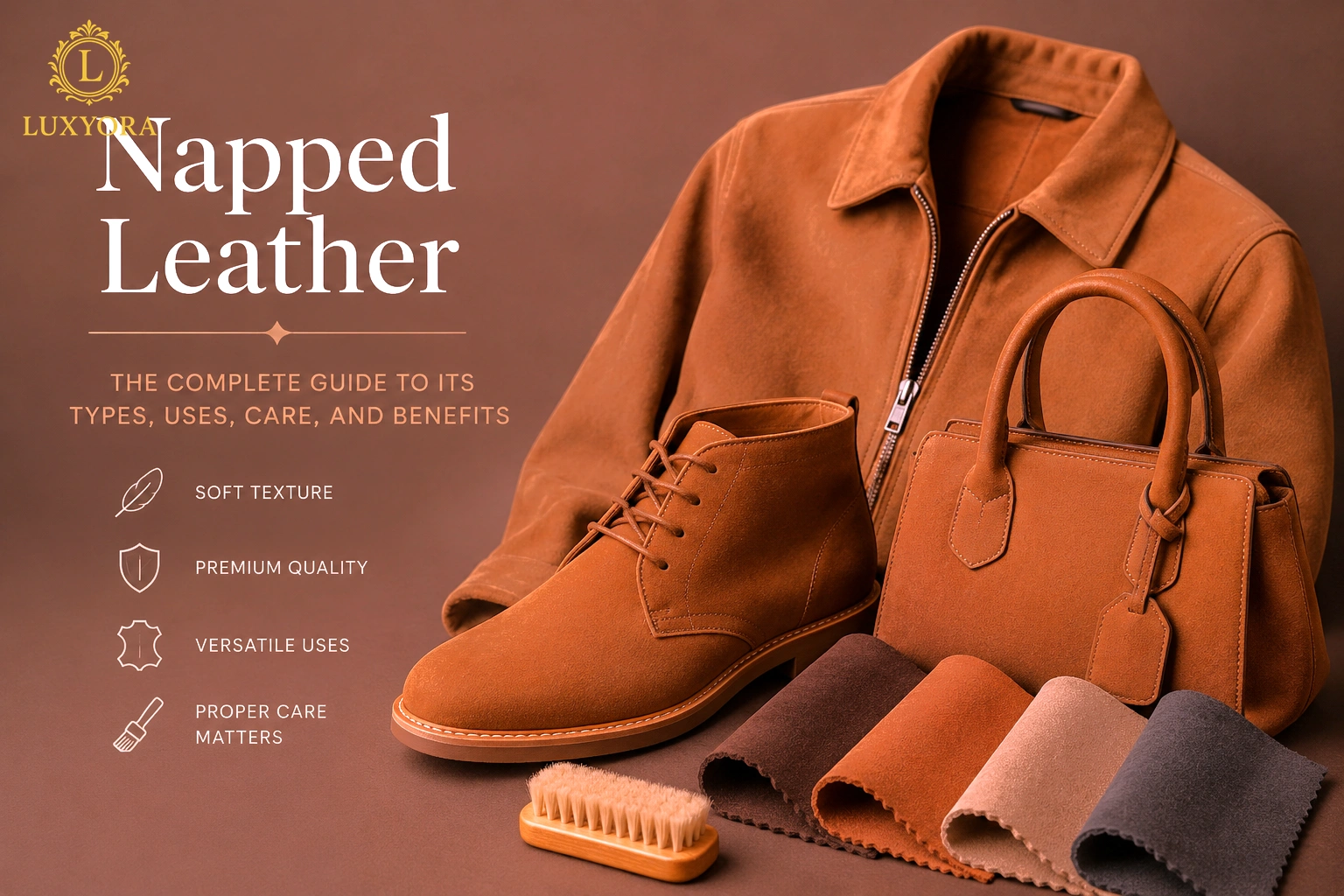
Napped leather refers to leather that has a raised surface composed of fine fibers, creating a soft and fuzzy texture known as a “nap.” Unlike smooth-grain leather, which retains a polished outer surface, napped leather undergoes sanding or buffing processes to create a velvet-like finish.
The term “nap” describes the direction and texture of the tiny fibers that stand up from the leather surface. When touched, these fibers may change direction, resulting in subtle shifts in color and appearance.
Napped leather is highly valued for:
- Soft touch and luxurious feel
- Rich visual depth
- Premium aesthetic appeal
- Comfort and flexibility
- Unique texture characteristics
Common examples of napped leather include suede, nubuck, roughout leather, and split leather finishes.
How Napped Leather Is Made
The creation of napped leather involves specialized finishing processes that alter the leather’s surface.
Step 1: Selecting the Hide
Manufacturers typically start with high-quality animal hides, commonly sourced from:
- Cattle
- Calves
- Goats
- Sheep
- Deer
The quality of the original hide significantly affects the final appearance and durability of the napped leather.
Step 2: Tanning Process
The hide undergoes tanning to preserve the material and prevent decomposition. Common tanning methods include:
- Chrome tanning
- Vegetable tanning
- Combination tanning
The tanning process determines flexibility, color retention, and durability.
Step 3: Buffing and Sanding
The defining characteristic of napped leather is created during the buffing stage.
Manufacturers use specialized abrasive equipment to gently sand the leather surface, raising fine fibers and creating the desired nap.
Step 4: Finishing Treatments
Depending on the intended application, additional treatments may include:
- Waterproof coatings
- Stain-resistant finishes
- Color dyeing
- Protective sprays
These treatments help improve the performance and lifespan of the leather.
Main Types of Napped Leather
Not all napped leather products are created equal. Several distinct categories exist within this leather family.
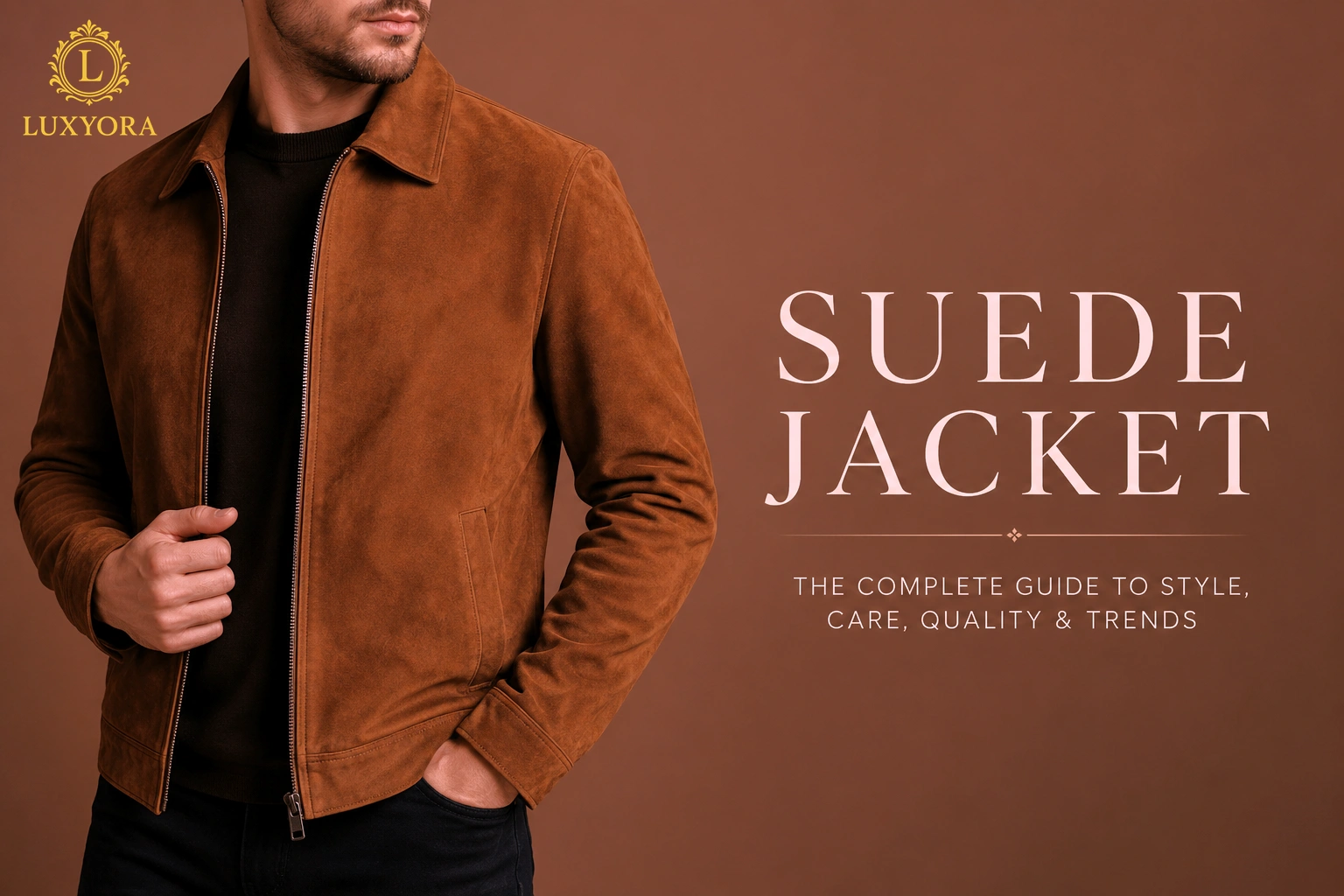
Suede Leather
Suede is perhaps the most recognizable type of napped leather.
It is produced from the inner split layer of the hide rather than the outer grain surface.
Characteristics include:
- Soft and fuzzy texture
- Lightweight feel
- Excellent flexibility
- Fashionable appearance
Common uses:
- Shoes
- Jackets
- Handbags
- Gloves
- Fashion accessories
Nubuck Leather
Nubuck is often considered a premium version of suede.
Unlike suede, nubuck is created from the outer grain side of the hide, which is lightly sanded to produce a fine nap.
Characteristics include:
- Greater durability than suede
- Luxurious appearance
- Fine velvet-like texture
- High-end aesthetic
Common uses:
- Luxury footwear
- Designer handbags
- Furniture upholstery
- Automotive interiors
Roughout Leather
Roughout leather exposes the flesh side of the hide while maintaining the grain layer underneath.
Characteristics include:
- Rugged appearance
- Excellent durability
- Strong resistance to scratches
- Outdoor-friendly performance
Common uses:
- Work boots
- Military footwear
- Outdoor gear
Western accessories
Split Leather with Napped Finish
Split leather may also be processed to create a napped appearance.
Characteristics include:
- Lower production cost
- Attractive visual appearance
- Good flexibility
- Wider availability
Common uses:
- Budget footwear
- Fashion accessories
- Decorative applications
Key Characteristics of Napped Leather
Several unique features distinguish napped leather from smooth-grain alternatives.
Soft Texture
The raised fibers create a luxurious tactile experience that many consumers find appealing.
Color Variation
Because the nap changes direction when touched, napped leather often displays slight color shifts and shading variations.
Breathability
Napped leather generally offers excellent airflow, making it comfortable in footwear and apparel.
Distinctive Appearance
The textured finish creates depth and visual interest not found in smooth leather surfaces.
Flexibility
Most napped leather products remain soft and pliable, contributing to comfort during use.
Advantages of Napped Leather
Understanding the benefits of napped leather helps explain its enduring popularity.
Luxury Appeal
Napped leather is often associated with premium craftsmanship and upscale products.
Superior Comfort
Its soft texture enhances wearer comfort in shoes, jackets, gloves, and furniture.
Unique Style
The subtle color shifts and textured appearance provide a sophisticated look.
Versatile Applications
Napped leather works well across multiple industries, including:
- Fashion
- Automotive
- Furniture
- Outdoor gear
- Luxury accessories
Enhanced Grip
Compared to smooth leather, napped surfaces often provide improved grip and reduced slipping.
Disadvantages of Napped Leather
Despite its many benefits, napped leather also presents certain challenges.
Susceptibility to Stains
The open fiber structure can absorb liquids and dirt more easily than smooth leather.
Higher Maintenance Requirements
Regular brushing and cleaning are necessary to preserve appearance.
Water Sensitivity
Without protective treatments, moisture can damage the nap and cause discoloration.
Wear Visibility
Heavy use may flatten the nap or create shiny spots over time.
Practical Applications of Napped Leather
Napped leather is widely used across numerous industries.
Fashion Industry
Fashion brands frequently use suede and nubuck in:
- Designer shoes
- Handbags
- Belts
- Jackets
- Wallets
Example Scenario
A luxury footwear company launches a premium nubuck sneaker collection targeting consumers seeking both comfort and sophistication. The soft nap enhances visual appeal while providing a premium feel.
Furniture Industry
Furniture manufacturers often choose nubuck upholstery for high-end seating.
Benefits include:
- Elegant appearance
- Soft seating experience
- Distinctive texture
Example Scenario
A homeowner furnishing a luxury living room selects a nubuck leather sectional sofa because it offers a warmer and more inviting appearance than traditional smooth leather.
Automotive Interiors
Premium vehicle manufacturers frequently incorporate napped leather materials.
Applications include:
- Seats
- Steering wheel accents
- Door panels
- Dashboard trim
Example Scenario
A luxury SUV uses nubuck leather inserts on seating surfaces to provide both comfort and upscale aesthetics.
Outdoor and Work Gear
Roughout leather is especially popular in demanding environments.
Applications include:
- Hiking boots
- Military footwear
- Work boots
- Tool pouches
Example Scenario
A construction worker chooses roughout leather boots because the textured surface resists visible scratches and maintains its appearance under heavy use.
How to Clean Napped Leather
Proper maintenance significantly extends the life of napped leather products.
Use a Specialized Brush
A suede or nubuck brush helps lift dirt and restore the nap.
Best practice:
- Brush gently
- Follow the natural grain direction
- Clean regularly
Remove Surface Dirt Promptly
Dust and debris should be removed before they become embedded.
Use Appropriate Cleaning Products
Always select cleaners specifically designed for:
- Suede
- Nubuck
- Roughout leather
Avoid standard leather creams intended for smooth leather.
Address Stains Quickly
Fresh stains are easier to remove than dried stains.
Recommended approach:
- Blot excess liquid immediately.
- Allow the area to dry naturally.
- Brush the nap gently.
- Use a specialized cleaner if necessary.
How to Protect Napped Leather
Preventive care is often more effective than corrective cleaning.
Apply Protective Sprays
Waterproofing and stain-resistant sprays can significantly improve resistance to environmental damage.
Store Properly
Store napped leather items in:
- Cool environments
- Dry locations
- Breathable storage bags
Avoid plastic containers that trap moisture.
Avoid Direct Heat
Excessive heat may:
- Dry the leather
- Flatten the nap
- Cause cracking over time
Rotate Usage
Alternating between products reduces wear concentration and prolongs lifespan.
Napped Leather vs. Smooth Leather
Feature | Napped Leather | Smooth Leather |
Texture | Soft and fuzzy | Smooth and polished |
Appearance | Velvety and textured | Glossy or matte |
Maintenance | Higher | Lower |
Water Resistance | Lower | Higher |
Comfort | Excellent | Good |
Luxury Appeal | High | High |
Breathability | Excellent | Moderate |
The choice depends on personal preference, intended use, and maintenance expectations.
Future Trends in the Napped Leather Industry
The leather industry continues to evolve with growing emphasis on sustainability and innovation.
Emerging trends include:
- Eco-friendly tanning processes
- Reduced chemical usage
- Water-efficient manufacturing
- Bio-based protective coatings
- Enhanced stain-resistant technologies
Luxury brands are increasingly investing in sustainable nubuck and suede production methods to meet consumer demand for environmentally responsible materials.
As consumers become more educated about material quality and sustainability, napped leather products are expected to maintain strong market demand across fashion, furniture, and automotive sectors.
Conclusion
Napped leather remains one of the most admired and versatile materials in the leather industry. Its distinctive texture, luxurious feel, and visual sophistication make it a preferred choice for premium footwear, apparel, furniture, and automotive interiors. From suede and nubuck to roughout leather, each type offers unique characteristics suited to different applications.
While napped leather requires more maintenance than smooth leather, proper care and protection can preserve its beauty for many years. Understanding its manufacturing process, strengths, limitations, and maintenance requirements empowers consumers and industry professionals to make informed decisions.
Whether you are purchasing a pair of suede boots, investing in a nubuck sofa, or evaluating leather materials for business purposes, knowledge of napped leather provides valuable insight into one of the most respected categories in the leather world.
References
Alden, R. (2021). Leather and its environmental impact: A review of sustainable processing technologies. Journal of Cleaner Production, 311, 127613.
Covington, A. D. (2020). Tanning chemistry: The science of leather (2nd ed.). Royal Society of Chemistry.
Heidemann, E. (2019). Fundamentals of leather manufacturing. Eduard Roether KG.
International Council of Tanners. (2023). Leather terminology and material classifications. Leather International Review, 35(2), 18–27.
Leather Working Group. (2024). Environmental auditing protocol for leather manufacturers. Leather Working Group Publications.
Ormondroyd, G., & Curling, S. (2021). Sustainable leather production and processing technologies. Materials Today: Proceedings, 44, 3674–3680.
Sharphouse, J. H. (2019). Leather technician’s handbook (revised edition). Leather Producers Association.
United Nations Industrial Development Organization. (2022). Sustainable leather value chains and circular manufacturing practices. UNIDO Publications.