Upcycled Ingredients
The beauty industry is experiencing a significant shift toward sustainability, transparency, and environmental responsibility. One of the most exciting innovations driving this transformation is the use of upcycled ingredients. Once considered waste, many by-products from food production, agriculture, and manufacturing are now being repurposed into high-performance beauty ingredients. This approach not only reduces waste but also unlocks valuable nutrients and active compounds that benefit the skin and hair.
As consumers increasingly seek eco-conscious skincare, clean beauty products, and sustainable cosmetic solutions, upcycled ingredients have become a major trend in the beauty sector. From coffee grounds and fruit peels to grape seeds and rice water, these ingredients are helping brands create effective products while supporting a circular economy.
In this article, we’ll explore what upcycled ingredients are, why they matter in beauty, how they are used, their benefits and challenges, and what consumers should look for when choosing products containing upcycled ingredients.
What Are Upcycled Ingredients?
Upcycled ingredients are materials that would otherwise be discarded as waste but are transformed into valuable ingredients for new products. In the beauty industry, these ingredients are often sourced from food processing, agriculture, beverage production, and other industries.
Unlike recycling, which may break down materials before creating something new, upcycling enhances the value of existing materials by finding innovative ways to reuse them.
Examples of Upcycled Beauty Ingredients
Some common examples include:
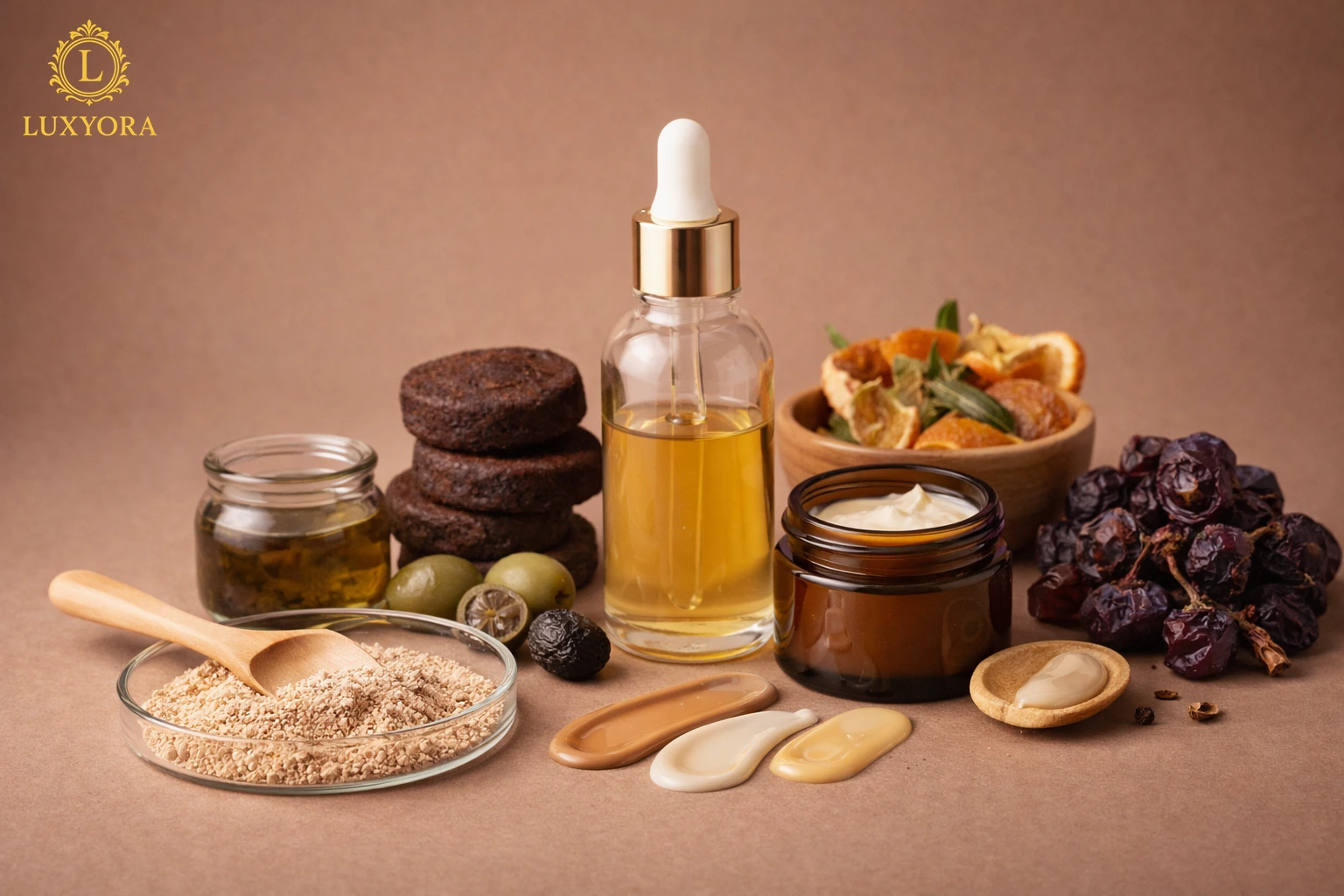
- Coffee grounds from coffee production
- Fruit peels from juice manufacturing
- Grape seeds from winemaking
- Olive leaves from olive oil production
- Rice bran from rice processing
- Avocado pits from food manufacturing
- Cacao husks from chocolate production
- Apple extracts from cider production
These by-products often contain antioxidants, vitamins, fatty acids, minerals, and other beneficial compounds that make them ideal for skincare and haircare formulations.
Why Upcycled Ingredients Matter in Beauty
The beauty industry generates substantial environmental impacts through sourcing, manufacturing, packaging, and transportation. Upcycled ingredients address several sustainability concerns simultaneously.
Reducing Waste
Food and agricultural industries generate millions of tons of by-products annually. Many of these materials end up in landfills despite containing valuable nutrients and bioactive compounds.
By converting these by-products into cosmetic ingredients, brands help reduce waste streams and promote resource efficiency.
Supporting a Circular Economy
A circular economy aims to keep resources in use for as long as possible. Upcycled ingredients fit perfectly within this model by giving a second life to materials that would otherwise be discarded.
Conserving Natural Resources
Traditional ingredient sourcing often requires additional land, water, and energy. Upcycled ingredients reduce the need for virgin raw materials, helping conserve natural resources.
Meeting Consumer Demand
Modern consumers are increasingly interested in:
- Sustainable skincare
- Eco-friendly beauty products
- Clean beauty solutions
- Ethical sourcing practices
- Environmentally responsible brands
Upcycled beauty ingredients help brands meet these growing expectations while differentiating themselves in a competitive market.
How Upcycled Ingredients Are Used in Skincare
Many upcycled ingredients offer impressive skincare benefits due to their rich nutrient profiles.
Antioxidant Protection
Ingredients derived from fruit skins, grape seeds, and coffee grounds often contain powerful antioxidants that help protect the skin from environmental stressors.
Benefits may include:
- Reduced appearance of premature aging
- Improved skin brightness
- Enhanced skin resilience
- Protection against oxidative stress
Natural Exfoliation
Upcycled coffee grounds, fruit fibers, and seed powders are frequently used as natural exfoliants.
These ingredients help:
- Remove dead skin cells
- Improve skin texture
- Promote smoother-looking skin
Support healthy skin renewal
Hydration Support
Rice bran extracts, fruit-derived ingredients, and plant oils sourced from food by-products can contribute to skin hydration and moisture retention.
Skin Barrier Enhancement
Many upcycled oils and extracts contain fatty acids and nutrients that help support the skin’s natural protective barrier.
How Upcycled Ingredients Are Used in Haircare
The benefits of upcycled ingredients extend beyond skincare.
Strengthening Hair
Protein-rich by-products from plant sources may help support stronger-looking hair.
Scalp Care
Upcycled botanical extracts can provide soothing and balancing properties for scalp-focused formulations.
Enhancing Shine
Many plant oils obtained from food industry by-products contain essential fatty acids that contribute to smoother, shinier hair.
Popular Upcycled Ingredients in Modern Beauty Products
Upcycled Coffee
Coffee grounds contain antioxidants and caffeine, making them popular in:
- Body scrubs
- Eye creams
- Anti-aging formulations
- Cellulite-targeting products
Example Scenario
A coffee company produces thousands of kilograms of spent coffee grounds daily. Instead of discarding them, a skincare manufacturer collects and processes the grounds into exfoliating body scrubs.
Upcycled Grape Seed Extract
The wine industry produces significant amounts of grape pomace, including skins, seeds, and stems.
Benefits include:
- Rich antioxidant content
- Skin-conditioning properties
- Support for anti-aging formulations
Example Scenario
A vineyard partners with a cosmetic company to transform leftover grape seeds into antioxidant-rich facial serums.
Upcycled Citrus Peels
Orange, lemon, and grapefruit peels contain beneficial compounds often used in skincare.
Applications include:
- Brightening products
- Cleansers
- Toners
- Exfoliating treatments
Upcycled Rice Water and Rice Bran
Long valued in traditional beauty practices, rice-derived by-products are increasingly used in modern skincare.
Benefits include:
- Hydration
- Skin-softening properties
- Support for smoother skin texture
Upcycled Olive Ingredients
Olive leaves and olive pulp contain valuable antioxidants and bioactive compounds.
These ingredients frequently appear in:
- Moisturizers
- Serums
- Cleansing products
- Hair treatments
Benefits of Upcycled Ingredients for Consumers
Sustainability Without Compromise
One common misconception is that sustainable products sacrifice effectiveness. Many upcycled ingredients perform as well as or better than traditionally sourced alternatives.
Innovative Formulations
Beauty brands are discovering unique active compounds in agricultural by-products that were previously overlooked.
Ethical Purchasing
Consumers can align their purchasing decisions with environmental values while still achieving their skincare goals.
Greater Transparency
Brands using upcycled ingredients often emphasize supply chain transparency and sustainability storytelling, helping consumers better understand product origins.
Challenges Facing Upcycled Beauty Ingredients
Despite their advantages, upcycled ingredients also present challenges.
Consistency and Quality Control
Natural by-products can vary depending on:
- Growing conditions
- Seasonal changes
- Processing methods
- Geographic location
Manufacturers must implement rigorous testing to ensure consistency.
Consumer Education
Many consumers remain unfamiliar with the concept of ingredient upcycling.
Brands must educate customers about:
- Safety
- Effectiveness
- Environmental benefits
Scientific validation
Supply Chain Complexity
Collecting and processing by-products requires coordination between industries that may not traditionally work together.
Regulatory Considerations
Cosmetic manufacturers must ensure upcycled ingredients meet safety and quality standards required by applicable regulations.
How to Identify Products with Upcycled Ingredients
Consumers interested in sustainable beauty can look for several indicators.
Sustainability Claims
Product packaging may mention:
- Upcycled ingredients
- Circular beauty
- Waste-derived ingredients
- By-product sourcing
- Sustainable ingredient innovation
Third-Party Certifications
Some organizations provide verification for upcycled materials and responsible sourcing practices.
Ingredient Transparency
Brands committed to upcycling often explain ingredient origins and sustainability efforts in product descriptions and company materials.
Practical Tips for Choosing Upcycled Beauty Products
Research the Brand
Look for brands that clearly explain:
- Ingredient sourcing
- Sustainability goals
- Manufacturing practices
- Environmental commitments
Evaluate Performance Claims
Choose products that combine sustainability with scientific evidence and proven efficacy.
Read Ingredient Lists
Understanding ingredient labels can help identify beneficial botanical extracts, oils, and active compounds derived from upcycled sources.
Consider Your Skin Type
Even sustainable ingredients should match your individual skincare needs.
For example:
- Dry skin may benefit from upcycled plant oils.
- Oily skin may prefer lightweight antioxidant extracts.
- Sensitive skin may require fragrance-free formulations.
Future Trends in Upcycled Beauty Ingredients
The future of upcycled beauty appears exceptionally promising.
Emerging developments include:
- Biotechnology-enhanced upcycled ingredients
- Advanced extraction technologies
- AI-assisted ingredient discovery
- Increased traceability systems
- Greater collaboration between food and beauty industries
Researchers continue uncovering valuable compounds hidden within agricultural by-products, creating opportunities for innovative skincare and cosmetic products.
As sustainability regulations strengthen and consumer awareness grows, upcycled ingredients are expected to become a standard feature of modern beauty formulations rather than a niche trend.
Final Thoughts
Upcycled ingredients represent one of the most meaningful innovations in sustainable beauty. By transforming agricultural and food industry by-products into high-value skincare and haircare ingredients, brands can reduce waste, conserve resources, and support a circular economy without sacrificing product performance.
From antioxidant-rich grape seeds and coffee grounds to nutrient-dense rice bran and citrus peels, upcycled ingredients offer both environmental and cosmetic benefits. As consumers continue prioritizing sustainability, transparency, and ethical sourcing, the demand for upcycled beauty products is likely to accelerate.
For beauty enthusiasts seeking effective, environmentally responsible skincare and cosmetics, products featuring upcycled ingredients provide an excellent opportunity to support a more sustainable future while caring for skin and hair.
References
Almeida, I. F., Rodrigues, F., & Ferreira, I. C. F. R. (2022). Upcycling food by-products into cosmetic ingredients: Opportunities and challenges for sustainability. Cosmetics, 9(5), 95.
Boukid, F. (2021). Upcycling trends in the food and cosmetic industries: Challenges and opportunities. Sustainability, 13(1), 449.
Brennan, C., & Grandison, A. (2020). Food processing handbook (2nd ed.). Wiley.
Circular Bioeconomy Alliance. (2023). Circular bioeconomy and sustainable ingredient innovation. Circular Bioeconomy Alliance.
Ellen MacArthur Foundation. (2019). Completing the picture: How the circular economy tackles climate change. Ellen MacArthur Foundation.
Galanakis, C. M. (2020). Food waste recovery: Processing technologies and industrial techniques. Academic Press.
Galanakis, C. M. (2021). The valorization of food processing by-products for cosmetic applications. Current Opinion in Green and Sustainable Chemistry, 28, 100450.
McClements, D. J., & Decker, E. A. (2020). Utilizing food industry side streams as sources of functional ingredients. Annual Review of Food Science and Technology, 11, 503–524.
Upcycled Food Association. (2024). Upcycled certification standard and ingredient guidance. Upcycled Food Association.
World Economic Forum. (2023). The future of the circular economy and sustainable consumer products. World Economic Forum.