Bronzer : What is Bronzer
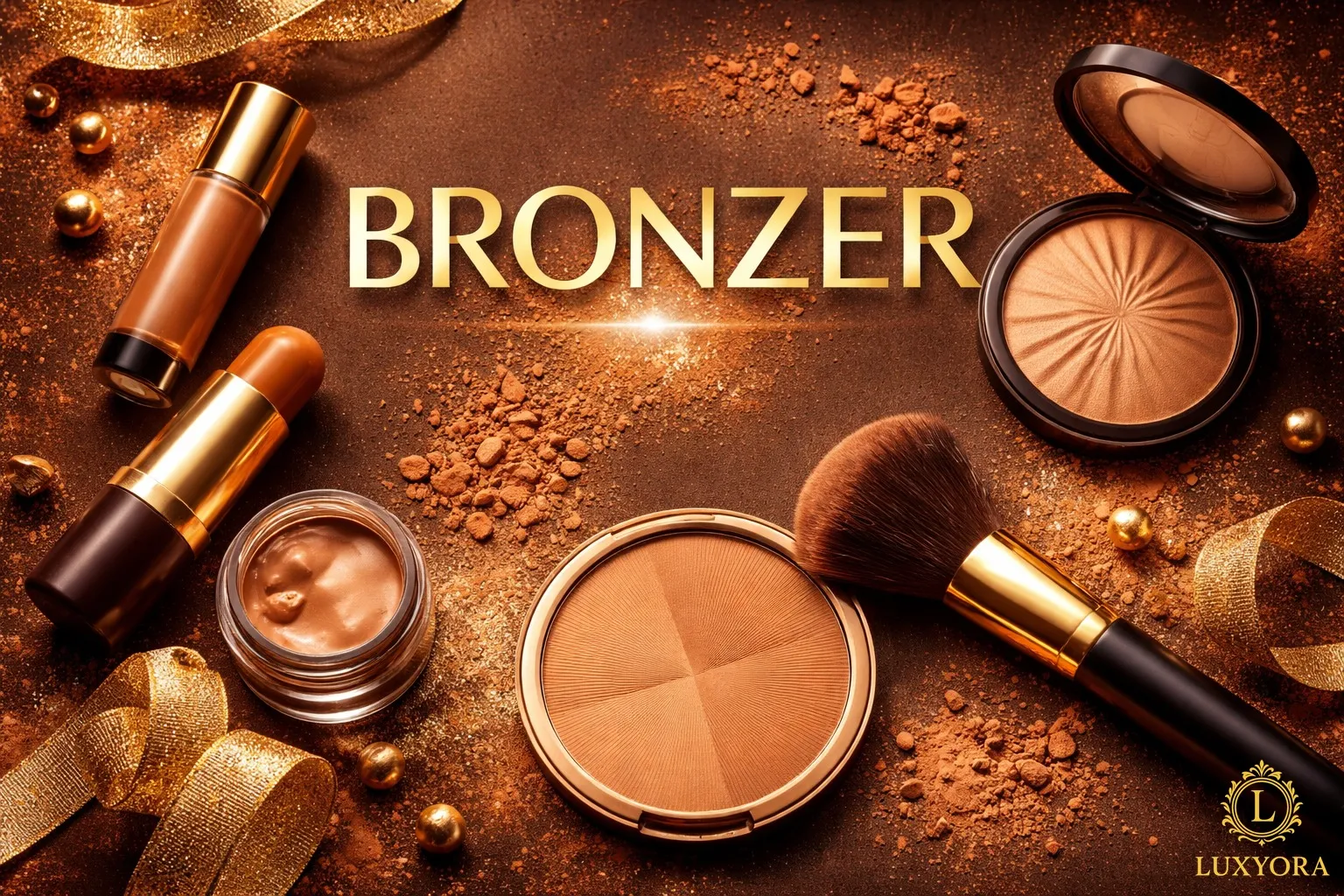
Bronzer is such a wonderful beauty staple that can instantly breathe life into your look, making it glow with warmth and radiance. Whether you prefer a gentle touch of color or a beautifully sculpted, sun-kissed glow, bronzer really adds a lovely dimension to your makeup routine. In today’s world of beauty, where natural, radiant skin is so admired, knowing how to use bronzer thoughtfully can truly enhance your overall look.
This comprehensive guide is here to support you every step of the way as you explore the world of bronzer. From understanding different types and perfecting application techniques to selecting the ideal shade and steering clear of common pitfalls, we’ve got you covered. If you’ve ever found yourself puzzled in the makeup aisle, wondering which bronzer to choose or how to use it, rest assured, this article aims to bring you clarity and boost your confidence.
What Is Bronzer in Makeup?
Bronzer is a lovely cosmetic that helps add a warm, healthy glow to your face, giving you a sun-kissed look without any of the harmful UV rays. Unlike contouring products that sculpt and define, bronzer brings a gentle, radiant warmth to enhance your natural beauty.
Why Bronzer Matters in a Makeup Routine
- Adds warmth to the skin
- Enhances natural features
- Creates a “just back from vacation” glow
- Balances the foundation that may look too flat or pale
In modern beauty routines, bronzer is often used alongside blush and highlighter, forming what’s sometimes called the “complexion trio.”
Types of Bronzer
Not all bronzers are created equal. Choosing the right type depends on your skin type, finish preference, and makeup style.
Powder Bronzer
- Best for oily or combination skin
- Easy to blend and beginner-friendly
- Ideal for everyday use
Powder bronzers are the most common and come in matte or shimmer finishes.
Cream Bronzer
- Great for dry or normal skin
- Provides a dewy, natural finish
- Blends seamlessly into skin
Cream formulas are popular in “no-makeup makeup” looks.
Liquid Bronzer
- Lightweight and buildable
- Perfect for mixing with foundation or moisturizer
- Offers a skin-like finish
Stick Bronzer
- Portable and easy for quick application
- Ideal for targeted sculpting
- Often used for contour-bronzer hybrid looks
Choosing the Right Bronzer Shade
Selecting the correct shade is crucial for achieving a natural look.
General Rule
Choose a bronzer that is 1-2 shades darker than your natural skin tone.
Based on Undertones
- Warm undertones: Golden, orange-toned bronzers
- Cool undertones: Neutral or slightly taupe bronzers
- Olive undertones: Earthy, green-neutral bronzers
For Different Skin Tones
- Fair skin: Light, soft peach or beige bronzers
- Medium skin: Golden or honey tones
- Dark skin: Deep chocolate or red-based bronzers
Where to Apply Bronzer
Bronzer should mimic where the sun naturally hits your face.
Key Areas
- Forehead (especially near the hairline)
- Cheekbones
- Nose bridge
- Jawline
This technique is often called the “3-shape method,” where you apply bronzer in a shape resembling the number 3 on each side of your face.
How to Apply Bronzer Like a Pro
Step-by-Step Application
- Start with a Base
Apply foundation and concealer first for an even canvas. - Choose the Right Brush
Use a fluffy brush for powder or a dense brush/sponge for creams. - Apply Lightly
Build the product gradually to avoid harsh lines. - Blend Thoroughly
Seamless blending is key to a natural look. - Set if Needed
Use a setting spray or powder for long-lasting wear.
Bronzer vs Contour vs Blush
Understanding the difference between these products helps avoid confusion.
Bronzer
- Adds warmth
- Applied to high points of the face
Contour
- Creates shadows
- Used to define cheekbones, nose, and jawline
Blush
- Adds color to cheeks
- Mimics a natural flush
Matte vs Shimmer Bronzer
Matte Bronzer
- Best for sculpting and everyday wear
- Ideal for oily skin
Shimmer Bronzer
- Adds glow and radiance
- Best for evening or special occasions
Common Bronzer Mistakes to Avoid
Even experienced makeup users can make these errors.
Using the Wrong Shade
Too dark or too orange can look unnatural.
Over-Application
Heavy bronzer can make the face look muddy.
Poor Blending
Harsh lines ruin the illusion of a natural tan.
Applying Everywhere
Bronzer should enhance, not cover, the entire face.
Practical Tips for Everyday Use
Tip 1: Less Is More
Start with a small amount and build gradually.
Tip 2: Use Natural Lighting
Apply bronzer in daylight to avoid overdoing it.
Tip 3: Match Your Neck
Ensure your face and neck tones are consistent.
Tip 4: Multi-Use Trick
Bronzer can double as eyeshadow for a cohesive look.
Real-Life Scenarios
Scenario 1: Office Makeup
You want a polished yet natural look. Use a matte powder bronzer lightly on your cheekbones and forehead for subtle warmth.
Scenario 2: Beach Vacation
Opt for a cream bronzer for a dewy finish that mimics natural sun exposure.
Scenario 3: Evening Party
Choose a shimmer bronzer to add glow under artificial lighting.
Bronzer for Different Face Shapes
Round Face
Apply bronzer slightly below cheekbones to add definition.
Square Face
Soften edges by applying bronzer around the temples and jawline.
Oval Face
Focus on cheekbones for balanced warmth.
Heart-Shaped Face
Apply bronzer on the lower cheeks and jawline to balance proportions.
Seasonal Bronzer Adjustments
Your bronzer shade may need to change throughout the year.
- Summer: Slightly deeper tones
- Winter: Lighter, more neutral shades
- Monsoon/Humid Weather: Use long-wear or powder formulas
Clean Beauty and Bronzer Trends
The beauty industry is evolving, and bronzers are no exception.
Current Trends
- Skin-like finishes
- Cream and liquid formulas
- Sustainable packaging
- Vegan and cruelty-free products
Consumers are increasingly choosing bronzers with clean ingredients and eco-friendly formulations.
How to Make Your Bronzer Last Longer
- Use primer before foundation
- Set with translucent powder
- Apply setting spray
- Avoid touching your face frequently
Final Thoughts
Bronzer is more than just a makeup product; it’s a tool that enhances your natural beauty, adds dimension, and boosts confidence. Whether you prefer a soft glow or a sculpted finish, mastering bronzer application can completely elevate your makeup game.
With the right shade, technique, and product type, bronzer can become your go-to for achieving that effortless, radiant look every day.
References
- Del Russo, J. Q. (2020). Cosmetic Dermatology: Products and Procedures. Wiley-Blackwell.
- Draelos, Z. D. (2018). Cosmetic Dermatology: Products and Procedures (3rd ed.). Wiley-Blackwell.
- Jones, G. (2021). The evolution of cosmetic formulations in modern beauty. Journal of Cosmetic Science, 72(4), 215–230.
- Mintel Group Ltd. (2022). Global Beauty and Personal Care Trends Report.
- Statista. (2023). Global cosmetics market trends and consumer preferences.
- Euromonitor International. (2021). Beauty and Personal Care Industry Analysis.