What Luxury Jewellery Brands Really Sell | Luxyora
Let’s say it out loud: if you’re buying luxury jewellery, you’re not paying for the raw materials. Not really.
Yes, there’s gold. Yes, there are diamonds. But if luxury pricing worked like a kitchen scale, we’d all be walking around in tiny bullion bars and calling it a day. Instead, the same amount of metal can be priced worlds apart depending on who made it, what it represents, and how it makes you feel when you clasp it.
Luxury jewellery brands don’t just sell gold. They sell meaning, certainty, belonging, and a life with better lighting, the kind that turns a simple gesture into a statement.
Here’s what’s actually inside the velvet box.
1) They sell a story you can wear
Luxury jewellery is narrative architecture. It’s designed to carry a plot: a heritage origin story, a signature motif, a muse, a house “code” that repeats across decades, becoming instantly recognizable. That repetition isn’t laziness, it’s strategy. A recognizable motif becomes a shorthand for taste and status, the way a perfectly tailored black blazer signals a certain kind of confidence.
When you buy into that story, you’re buying more than a piece. You’re buying the ability to say, without explaining, “I know exactly what this is.”
2) They sell status that doesn’t need a microphone
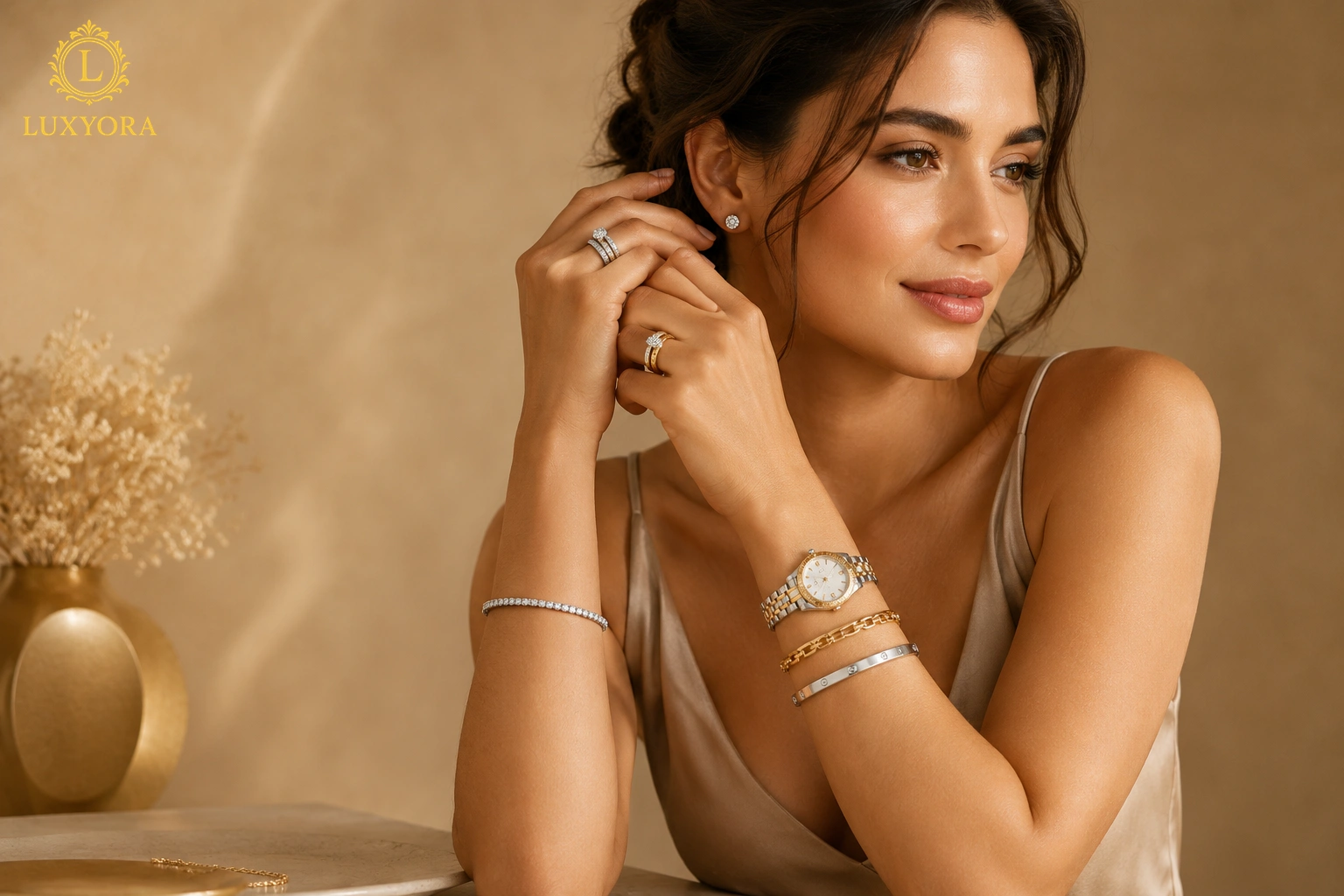
Jewellery is socially powerful because it lives where people look: on hands, ears, necklines, wrists. It speaks in glints and silhouettes, in the quiet punctuation of a ring catching the light when you reach for your glass.
Luxury brands understand that status isn’t always about size; it’s about legibility. The most effective status signals are the ones the “right” people recognize instantly. That’s why iconic designs hold so much power: they don’t need to be loud, because they’re already understood.
3) They sell craftsmanship as proof of “insider taste”
There’s “expensive,” and then there’s well-made. Luxury brands sell the difference.
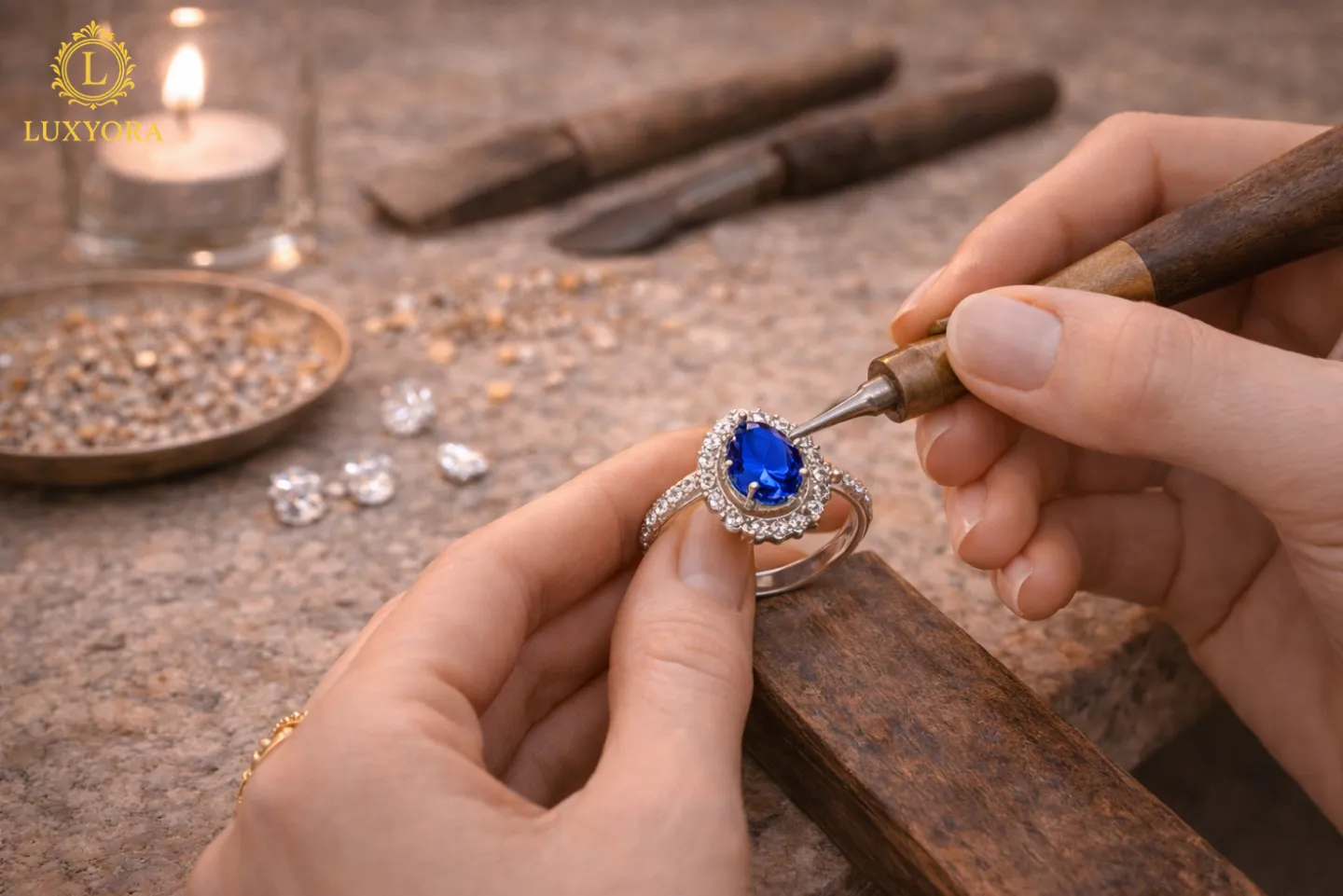
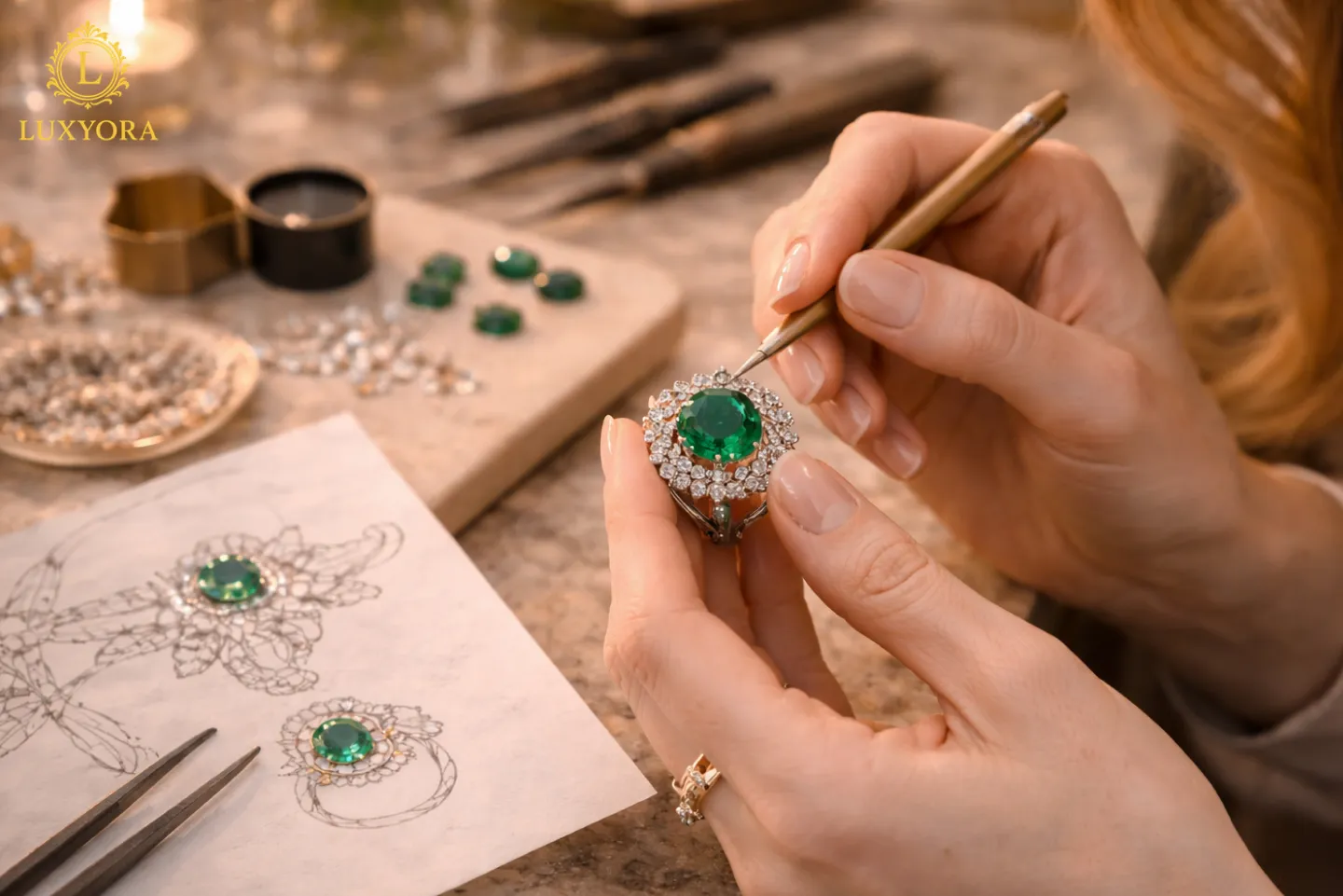
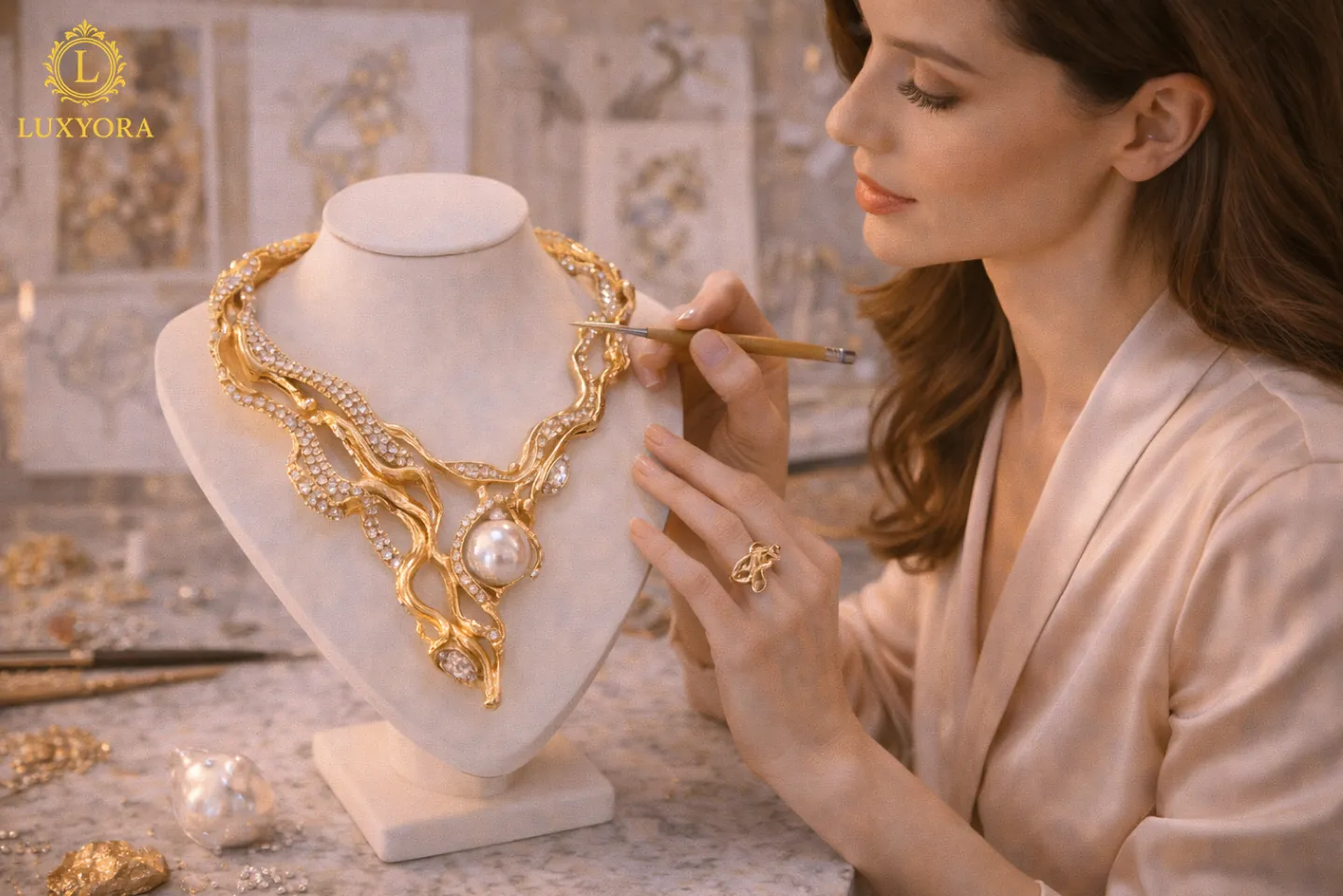
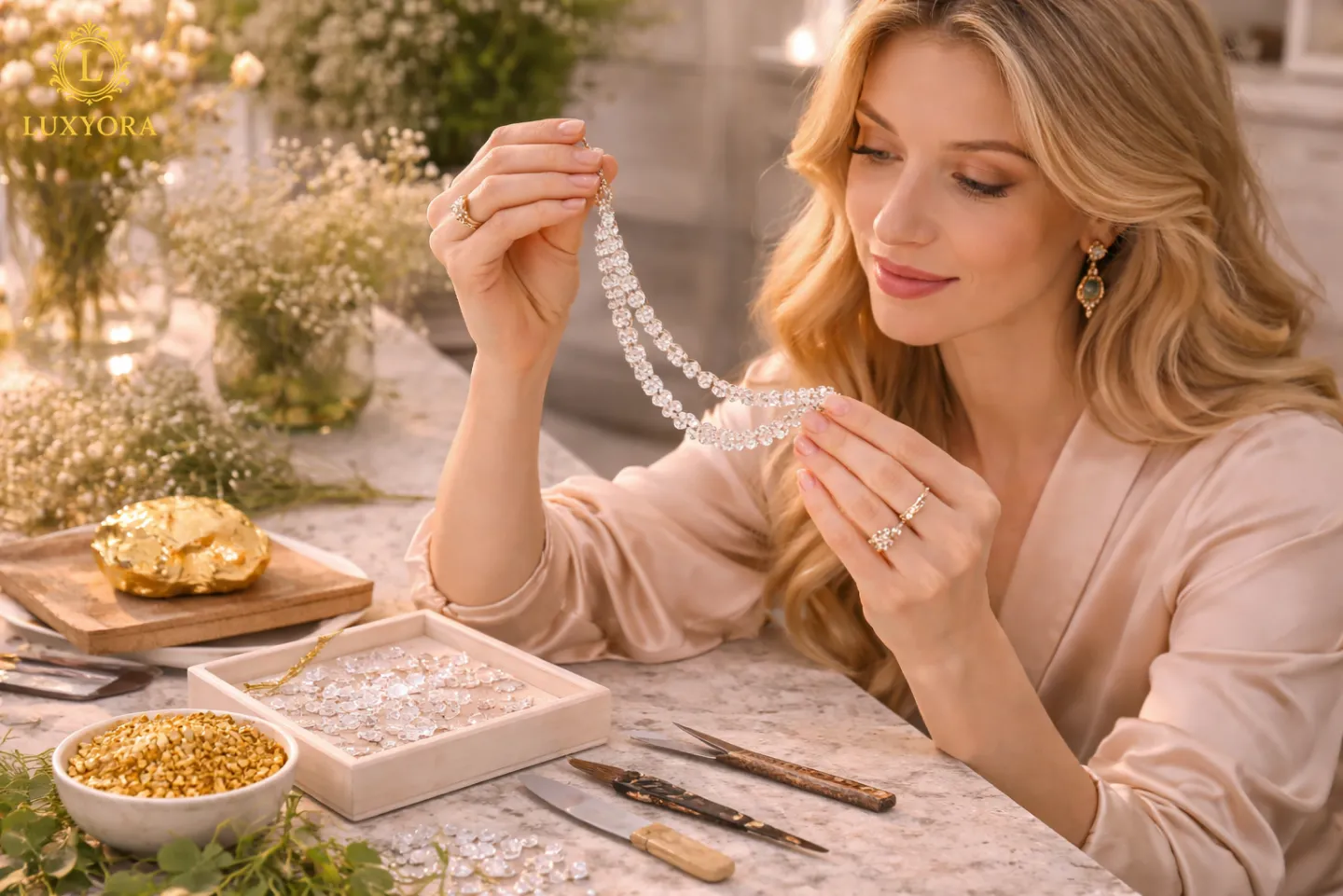
Craftsmanship shows up in details most people feel before they can articulate: the smoothness of edges, the precision of stone setting, the balance of weight, the way a clasp clicks shut like a promise. This is the kind of quality that communicates competence of the maker, and by association, of the wearer.
In the luxury world, taste is a form of intelligence. Craft is the evidence.
4) They sell scarcity on purpose
Scarcity isn’t always natural in luxury. Often, it’s curated.
Limited editions, discontinued motifs, rare stones, seasonal runs that vanish, invitation-only high jewellery, these are not just design choices. They’re demand management. Scarcity makes an object feel urgent and important, and it creates a subtle social hierarchy around access.
And then there’s the ultimate scarcity: time. A piece that has been produced consistently for decades (and still looks current) becomes a classic. Classics behave like cultural currency.
5) They sell trust
This one is huge, and it’s the least glamorous.
Luxury jewellery is expensive enough that buyers crave certainty: authenticity, quality consistency, reliable materials, and brand accountability. When you buy from an established house, you’re often paying for an anxiety reduction. You want to know the stones are what they claim to be, the metal is what it’s stamped as, and the piece can be maintained and serviced without drama.
That trust is one of the strongest hidden “products” luxury brands offer and one reason heritage houses remain powerful across generations.
6) They sell service that turns into a relationship
Luxury jewellery isn’t a one-time transaction in the way fast fashion is. The best brands sell a long-term relationship: resizing, cleaning, repairs, stone checks, polishing, upgrades, and sometimes bespoke modifications.
And then there’s clienteling, the art of making the buyer feel known. Private appointments, previews, custom options, and the personal touch of our service make buying an experience. In luxury, experience is part of the product. It makes the purchase feel less like shopping and more like being initiated.
7) They sell identity
The most loyal luxury customers aren’t just buying objects. They’re building a personal uniform.
A signature bracelet worn every day. A ring stack that becomes “your thing.” A motif you repeat so often it starts to feel like a personal emblem. Luxury brands encourage this because identity-based buying is sticky: if a piece becomes part of your self-image, it’s hard to replace with a generic alternative.
This is why luxury jewellery can feel oddly intimate. It doesn’t sit in your closet. It lives on your body close to pulse points, close to memory.
8) They sell social proof and social belonging
Luxury jewellery is a passport into certain rooms. Not because everyone is judging, but because symbols create shared understanding. A recognizable piece can serve as a conversation starter, a signal of shared taste, or a marker of cultural fluency.
And it’s not only about wealth. It’s also about competence, knowing what matters, what holds value, what’s timeless, what’s collectible, what’s “good.” In modern luxury, knowledge itself is a status currency.
9) They sell an ecosystem, not just a product
Here’s the modern twist: resale and long-term value retention have become part of the luxury story. When certain pieces hold value unusually well on the secondary market, it reinforces the brand’s aura of “smart purchase,” attracting more buyers and fueling more demand. A feedback loop is sparkly and financially persuasive.
This doesn’t mean all luxury jewellery is an investment (it isn’t), but the existence of a healthy resale ecosystem adds credibility. It makes the purchase feel less like a splurge and more like an asset with a social life.
So what are you really buying?
You’re buying the intangible things that raw gold can’t provide:
- a design language that signals taste
- a story you can wear on repeat
- trust, service, and maintenance
- scarcity and access
- cultural belonging
- and a tiny, beautiful object that makes you feel like your life is edited with cleaner lines, better light, more intention
Luxury jewellery brands sell a feeling, a relationship, and a reputation delivered through precious materials, but not defined by them.
Luxyora Philosophy: Luxury isn’t the metal, it’s the meaning wrapped around it. Choose jewellery that carries story, craft, and certainty, and it will outshine trends long after the shine fades.
References:
- D’Arpizio, C., Levato, F., & Zito, D. (2024). Luxury goods worldwide market study: The state of jewellery. Bain & Company.
- Eckman, M., & Petkus, E. (2022). Crafting meaning: The emotional value of personalized objects in material culture. Journal of Consumer Research, 49(6), 1038–1057.
- Gemological Institute of America. (2021). Colored stone services (fee schedule): GIA colored stone reports describe gemstone identity, natural vs. laboratory-grown, and detectable treatments (Effective October 1, 2021).
- Lam, L. (2020). Mastering contemporary jewelry design: Inspiration, process, and finding your voice. Schiffer Publishing.
- McKinsey & Company. (2021, June 14). State of fashion: Watches and jewellery. McKinsey & Company.
- Seijen ten Hoorn, L. (2023). Design for jewellery makers: Inspiration, development and creation. Search Press.
- Responsible Jewellery Council. (2019). RJC code of practices (COP) 2019 (Version 1.2). Responsible Jewellery Council.