Why Subtle Dressing Often Feels More Powerful | Luxyora
There’s a quiet confidence that reverberates through a room the moment someone walks in wearing subtle attire, not loud, not flashy, but refined, intentional, and unmistakably poised. While the world of fashion often gravitates toward bold statements and dramatic embellishment, there’s a growing cultural case for restraint. Subtle dressing, far from fading into background noise, can command attention through precision, presence, and quiet authority.
In a culture where fashion trends flip with each passing season, the choice to dress subtly is not a retreat; it’s a strategy. It is fashion’s version of speaking in a measured tone: everyone listens because you’re not shouting, you’re asserting.
Here’s why subtle dressing feels more powerful and why the most memorable style moments are often those that speak softly but clearly.
1. The Psychology of Subtlety in Human Perception
Modern psychology reveals that humans are wired to perceive patterns and coherence before they decode specifics such as color or embellishments. Within milliseconds of viewing someone, observers form impressions based on posture, silhouette, harmony, and symmetry, rather than on flashes of logos or loud patterns. This means that subtle dressing, which emphasizes proportion and balance, often registers as more coherent and intentional than conspicuous flashes of branding.
In fashion psychology, coherence in dress communicates inner confidence. When a look is visually integrated, fabric, cut, hue, and movement work in harmony, which reduces cognitive noise in observation. From a sociocognitive perspective, subtle dressing feels powerful because it projects ease rather than effort.
2. Less Is More: The Semiotics of Minimalism
Fashion semiotics, the study of how clothing communicates meaning, suggests that minimalism carries signals of control and clarity. In contrast, overly ornate attire can sometimes communicate a desire for attention rather than a commanding presence.
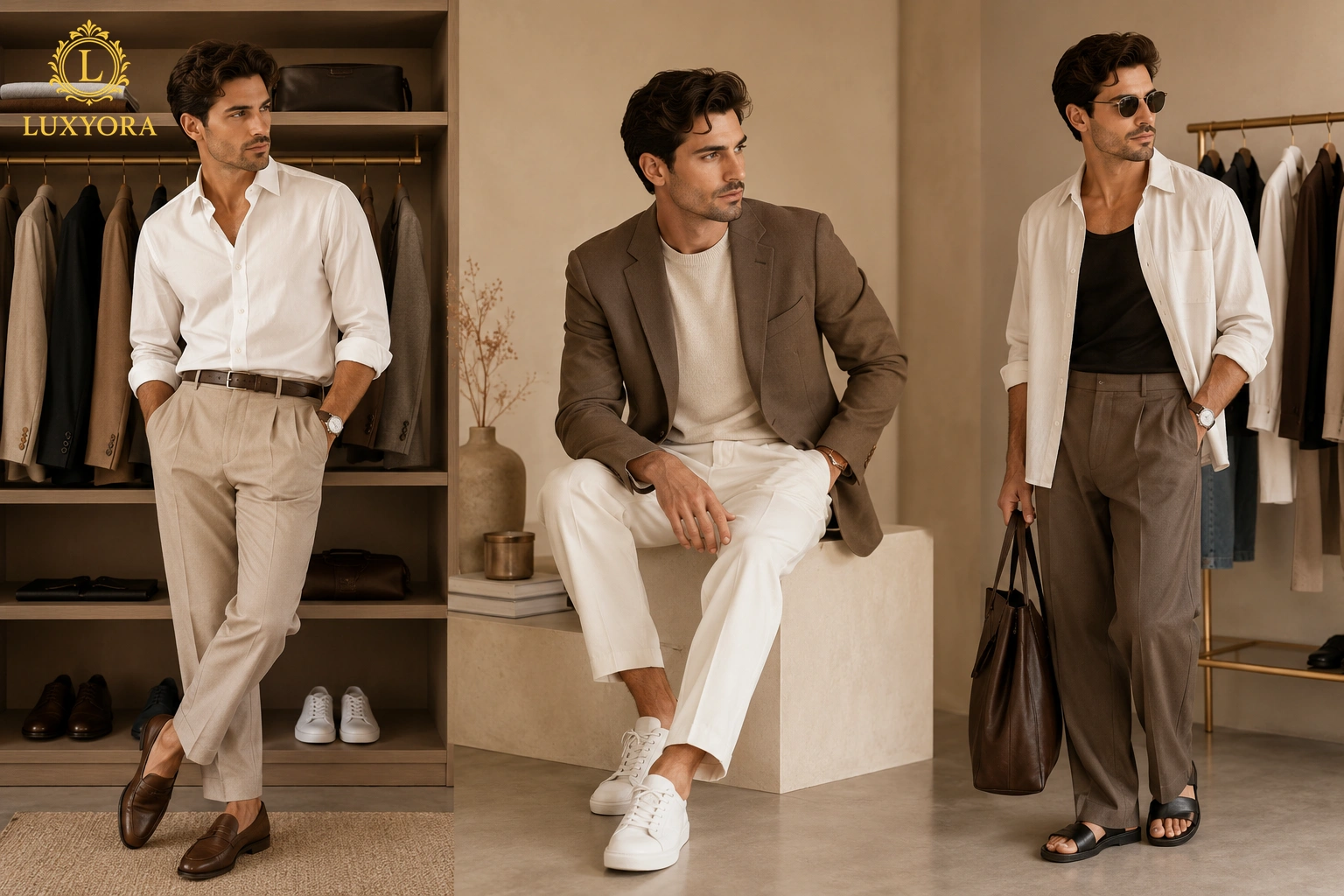
Minimalist clothing, neutral palettes, soft silhouettes, and muted textures invite the viewer to notice the person rather than the ornament. This aligns with findings in visual communication research, which indicate that restraint in visual stimuli often enhances perceived competence and authority. Subtle dressing becomes powerful because it foregrounds the individual rather than the uniform.
This principle is mirrored across disciplines beyond fashion, from architecture to typography, where minimalism isn’t emptiness, but refined intentionality.
The strongest style statements are rarely the loudest. Sometimes subtle dressing feels powerful because it follows the same rule as great statement style leave something unsaid. Read more about How to wear statement clothing without overdoing it.
3. The Power of Harmony: Color and Tone
Bold hues and loud patterns undoubtedly draw the eye, but they require interpretation. Neutral tones and harmonious color palettes, on the other hand, provide visual stability that feels intuitive and trustworthy.
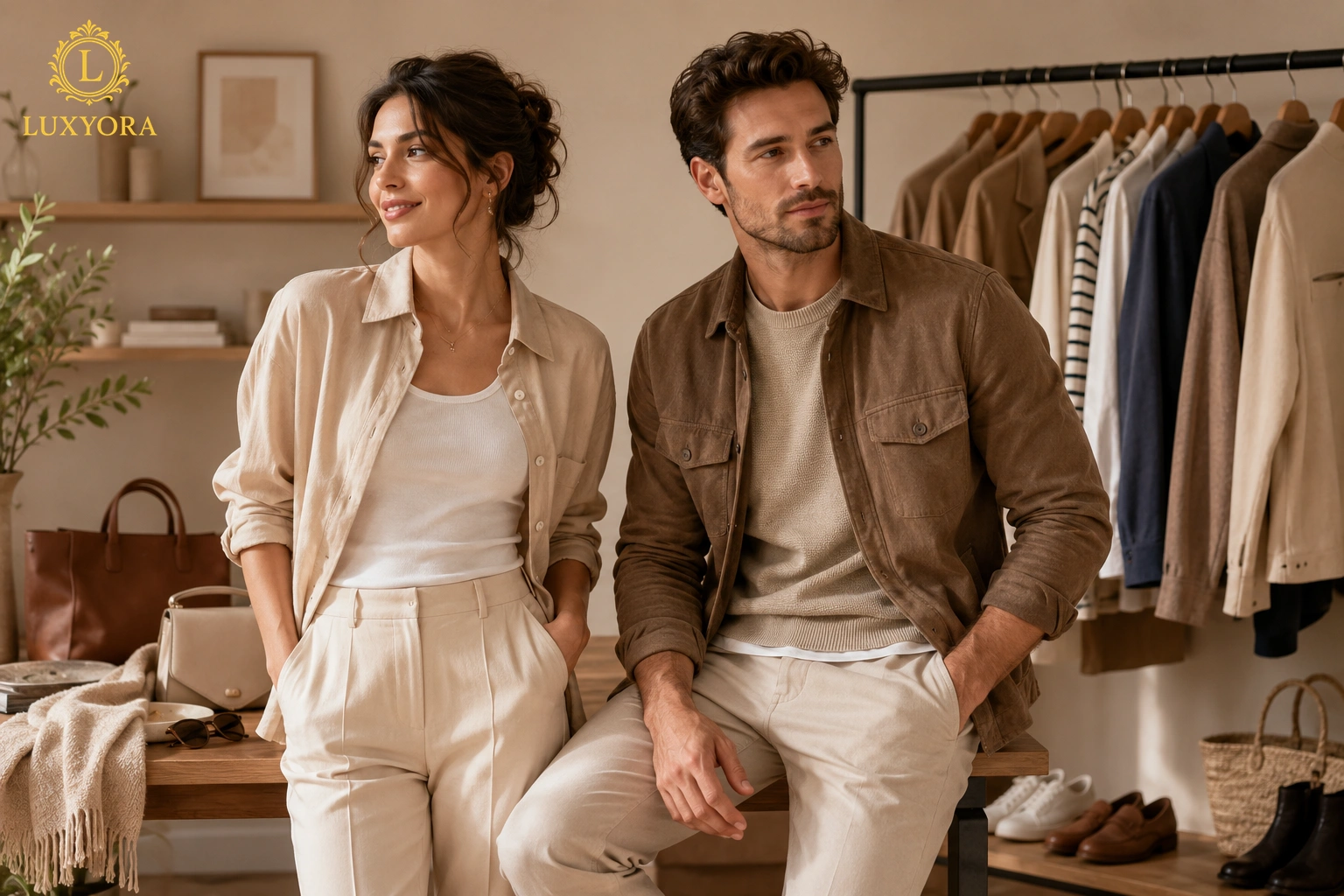
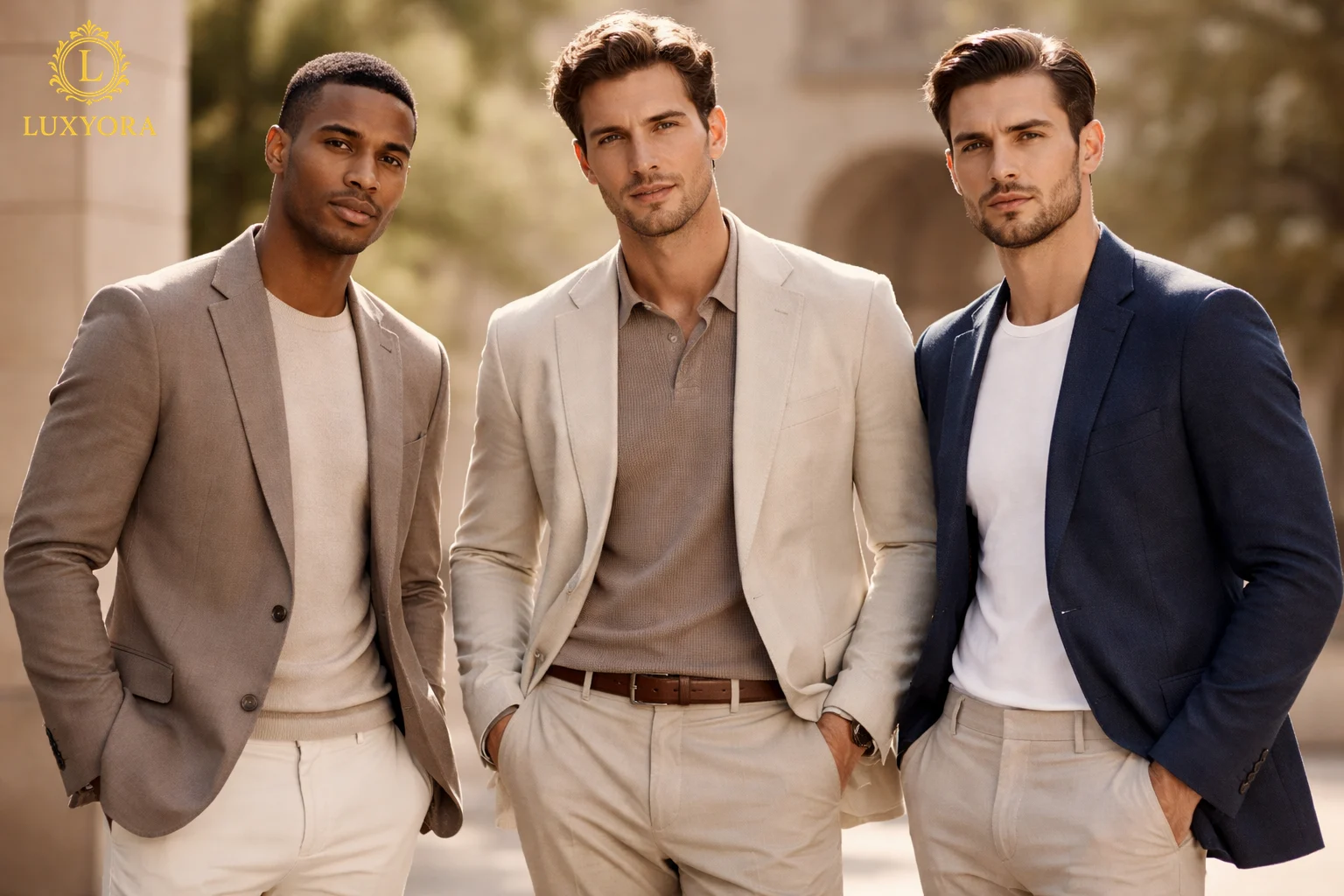
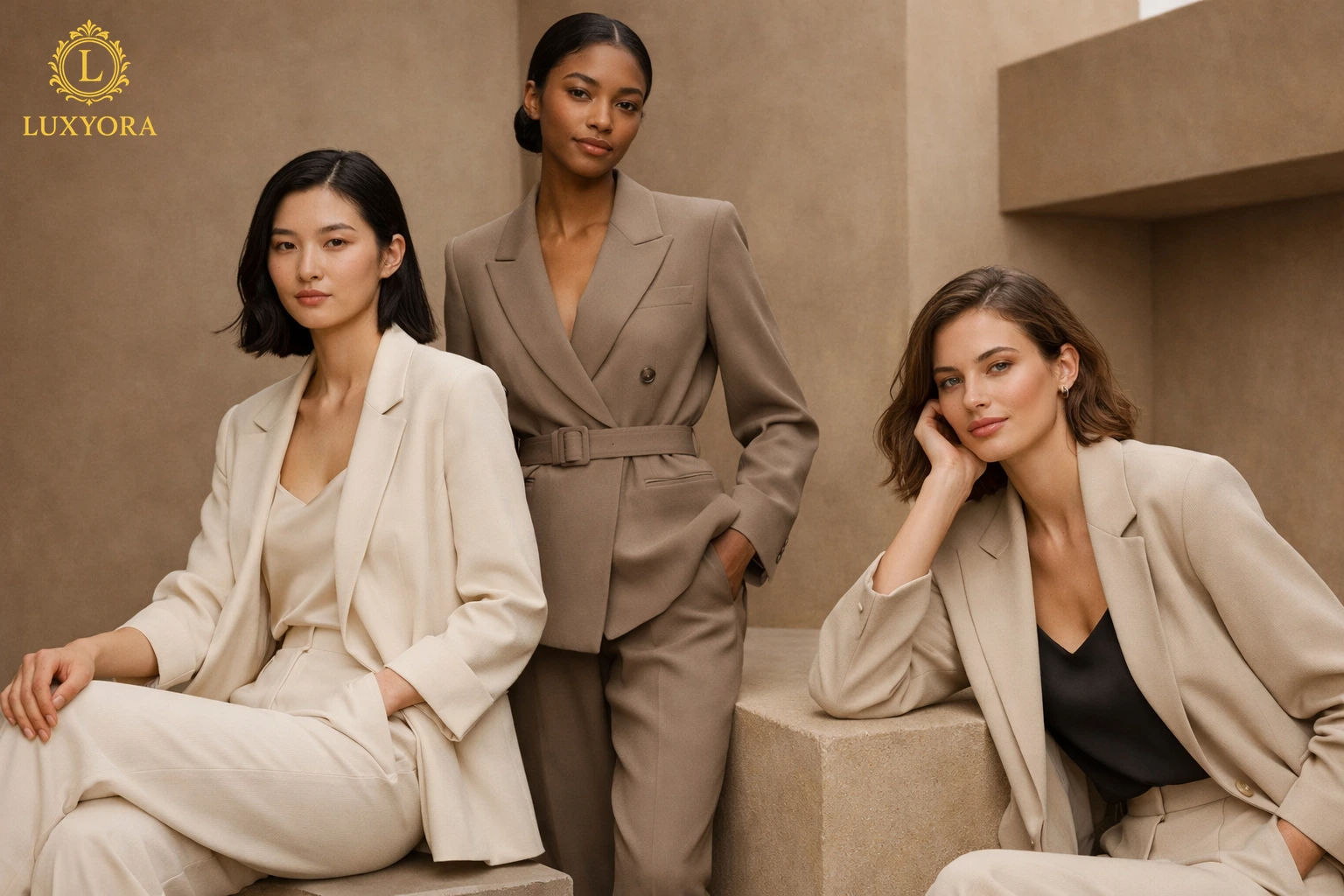
Color psychology suggests that muted, cohesive palettes such as soft camel, cream, dove gray, and warm beige create a sense of calm and sophistication. These tones don’t demand attention; they invite presence. And when your outfit feels like it belongs to the moment rather than dominates it, you project a sense of ease under pressure.
This isn’t about wearing only neutrals. It’s about using color harmony as a nuanced tool, allowing the wearer’s presence and movement to take priority.
Quiet confidence in dressing isn’t always about minimalist wardrobes or muted tones. Often, it comes from understanding which colors create presence without demanding attention. Read more about How to choose clothing colors that complement your skin tone.
4. The Elegance of Fit and Fabric
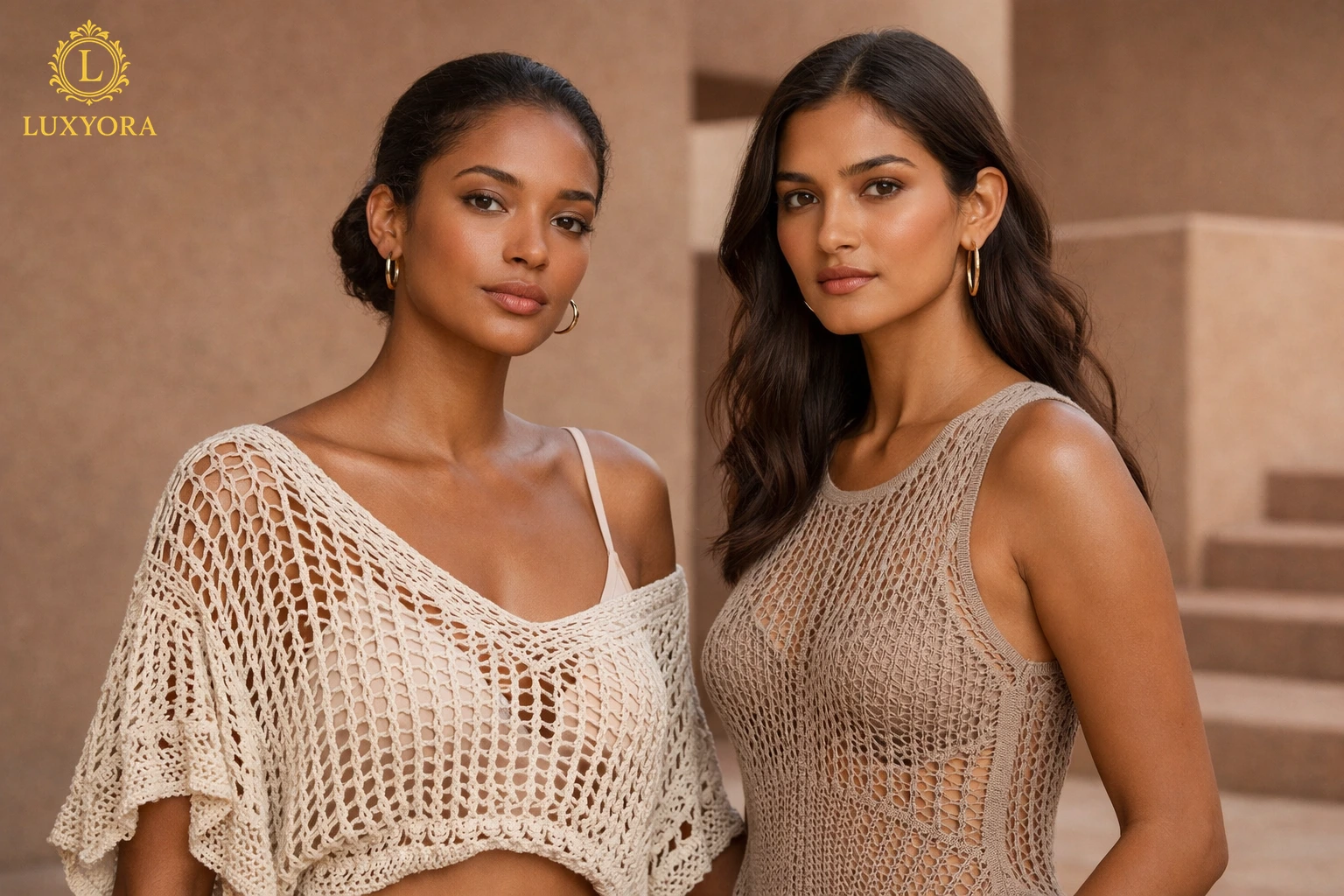
Subtle dressing is anchored not in what you say through fashion, but in how it feels and moves. An impeccably tailored jacket in fine merino, a silk blouse that catches light with every turn, these details subtly shout quality without screaming brand.
Research in fashion and psychology frequently highlights that observers make rapid judgments about status and competence based on cues such as tailoring, silhouette, and fit, even before noticing accessories. Fine fabric and precise fit suggest not just money invested, but attention invested.
In fashion, it’s often the unseen details, stitch quality, drape behavior, and finished seams that leave the deepest impressions.
5. Subtle Dressing as a Form of Confidence Control
People who dress subtly often radiate a kind of controlled confidence. Their style suggests that they don’t need fashion to validate their presence. That’s a potent message.
In identity psychology, how individuals choose to present themselves often reveals internal narratives about power and self-concept. Subtle dressing, when chosen consciously, signals self-assurance rooted in internal coherence rather than external validation. It says: “I am here for the experience, not for the applause.”
This internal grounding translates into external perception. A confident, understated presence often feels powerful because it lacks the anxious energy of trying to be noticed.
There’s a reason understated style can feel unexpectedly commanding. The right clothing doesn’t always make a statement outwardly it often changes the way confidence shows up before you even speak. Read more about How apparel influences confidence before a word is spoken.
6. The Cultural Shift Toward Quiet Luxury
Recent years have witnessed the rise of “quiet luxury,” a cultural movement in fashion where status is communicated through discretion. Quiet luxury is not anonymous; it’s selective. It values craftsmanship, heritage materials, timeless cuts, and informed choices.
A study of contemporary fashion trends reveals growing consumer interest in pieces with story and substance rather than logo and flash. Consumers increasingly want garments that age well, behave well, and reflect refined taste, not just brand awareness.
This shift reflects broader cultural values: sophistication over spectacle, depth over surface, substance over signifier.
Subtle dressing has a way of creating impact without appearing to try. As logos soften and excess fades, minimalist choices seem to be gaining something unexpected influence. Discover Why quiet luxury and minimalist fashion are here to stay.
7. Power Through Presence
Subtle dressing isn’t about blending in. Quite the opposite. It’s about standing out through restraint. It’s about creating a sense of intentional calm and visual coherence that draws focus inward toward the person instead of outward toward the outfit.
Powerful presence isn’t loud. It’s clear, deliberate, and harmonized. Clothes that follow the body’s movement, align with personal expression, and use subtle elements of design are more likely to contribute to that presence.
This is why we often remember someone’s elegance before remembering their outfit.
Powerful dressing isn’t always dramatic. Sometimes the strongest style choices are the ones that quietly shift posture, confidence, and the energy you bring into every space. Read more about How apparel shapes the way you carry yourself.
Luxyora Philosophy: Power in dress isn’t measured by volume, it’s defined by coherence. Subtlety isn’t quietness; it’s confidence with clarity.
References:
- Hester, N., & Hehman, E. (2023). Dress is a fundamental component of person perception. Perspectives on Psychological Science.(Click Here)
- Johnson, K. K. P., & Lennon, S. J. (2021). Fashion and identity: Understanding the psychological and social influences of clothes. Bloomsbury Publishing.
- Müller, S., Kuchler, R., & Ramge, T. (2021). Fashion psychology and identity: Understanding the role of clothing choices in self-expression. Journal of Fashion Marketing and Management.(Click Here)
- Vinken, B. (2020). Sociology of fashion: Status, class, and style in a global age. Polity Press.