How to Mix and Match Clothes for Multiple Looks | Luxyora
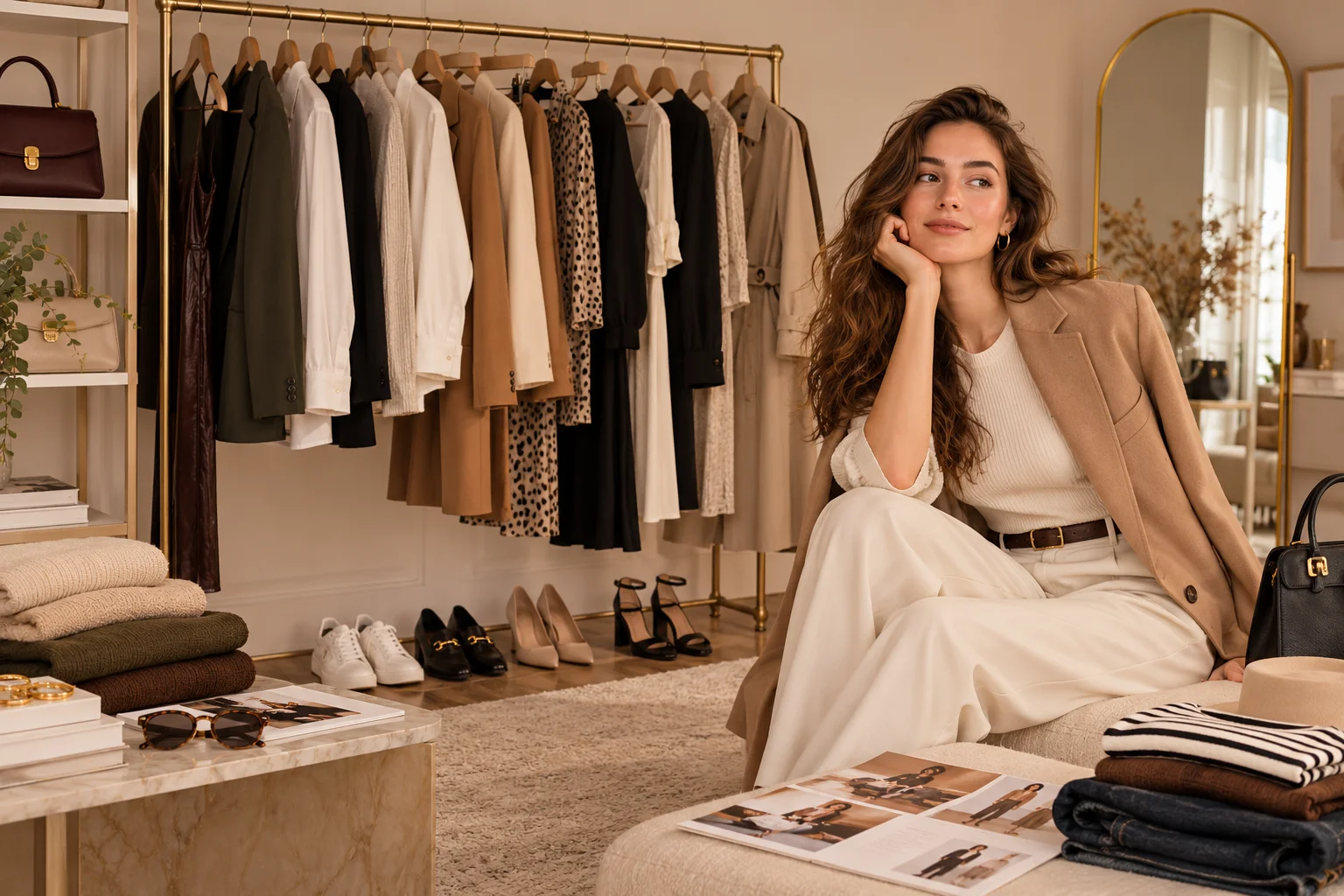
The chicest wardrobes aren’t the biggest, they’re the smartest. The kind where a white shirt does double duty as “boardroom crisp” on Monday and “Paris-at-night” on Friday. Where the same blazer can look sharp with trousers, cool with denim, and unexpectedly modern over a slip dress, that’s the mix-and-match mindset: fewer pieces, more outfits, and a style identity that feels consistent (but never repetitive).
If getting dressed sometimes feels like staring into a closet full of “nothing to wear,” it’s usually not a quantity problem; it’s a coordination problem. Here’s how to turn what you already own into a wardrobe that multiplies.
1) Start with a tight color story (so everything speaks the same language)
Mix-and-match magic begins with a palette that naturally “clicks.” Capsule wardrobe guides from fashion editors consistently emphasize the power of a cohesive set of neutrals, plus a few accent shades, because it makes outfit-building almost automatic.
Try this easy structure:
- 3 neutrals: black, cream, camel (or navy, grey, chocolate)
- 2 supporting tones: denim blue, olive, taupe, soft white
- 1 accent: red, cobalt, metallic, or a signature print
When your closet is color-coordinated, mixing pieces stops feeling like a gamble and becomes a style.
Mixing and matching becomes remarkably simple when every garment has been chosen with versatility in mind. Discover the guide in How to Create Capsule Wardrobes That Actually Work.
2) Build around “workhorse staples” with high remix potential
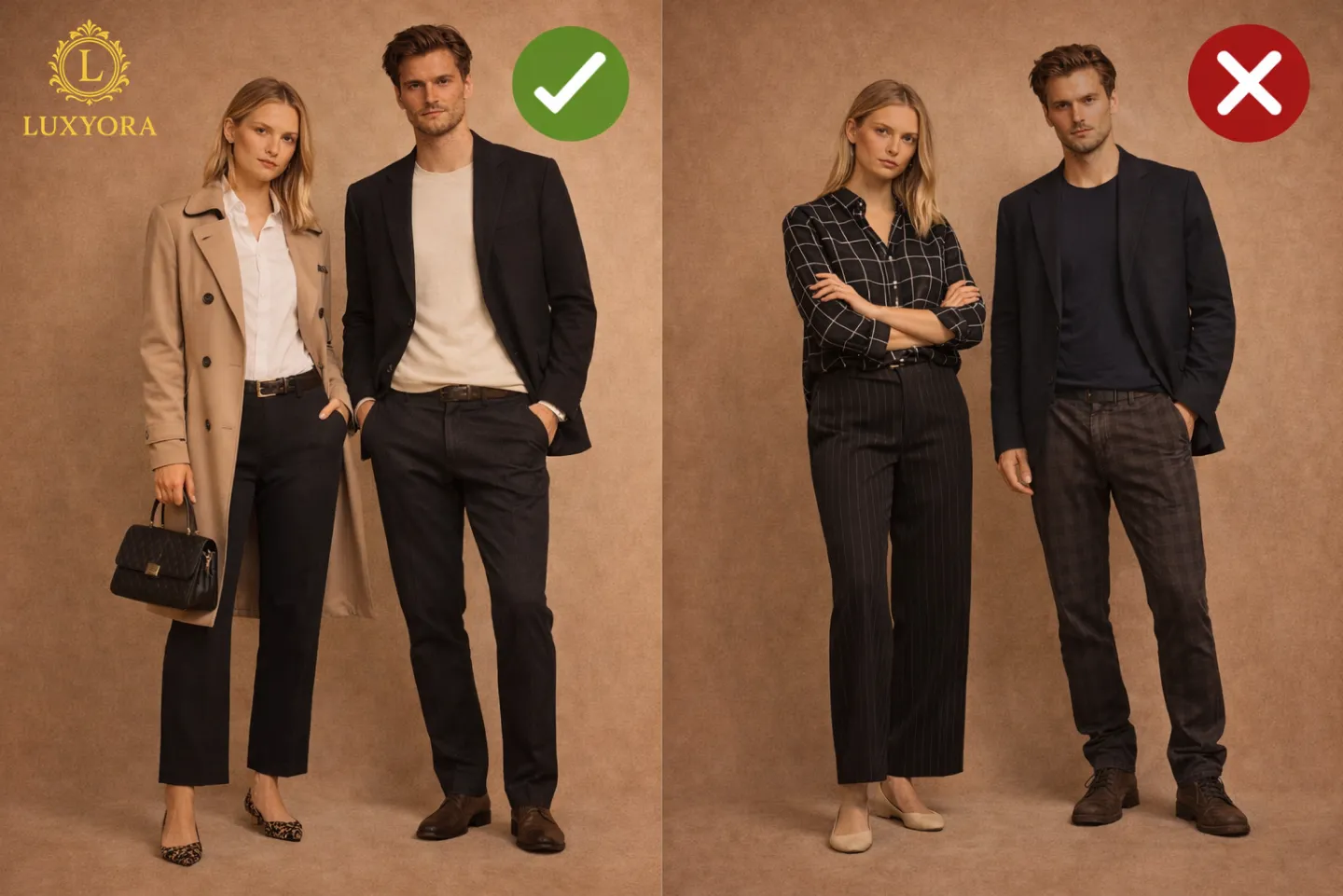
The most remix-friendly items are the ones editors repeatedly call “essentials”: a tailored blazer, a trench, straight-leg jeans, a crisp button-down, well-cut trousers, a simple dress, and versatile knitwear.
The key is choosing staples that are:
- simple in shape (clean silhouettes layer easily)
- strong in fabric (they hold their form and look polished)
- repeatable (you can wear them often without feeling “same-y”)
If you’re shopping, choose pieces that can create at least three outfits in your head before you buy.
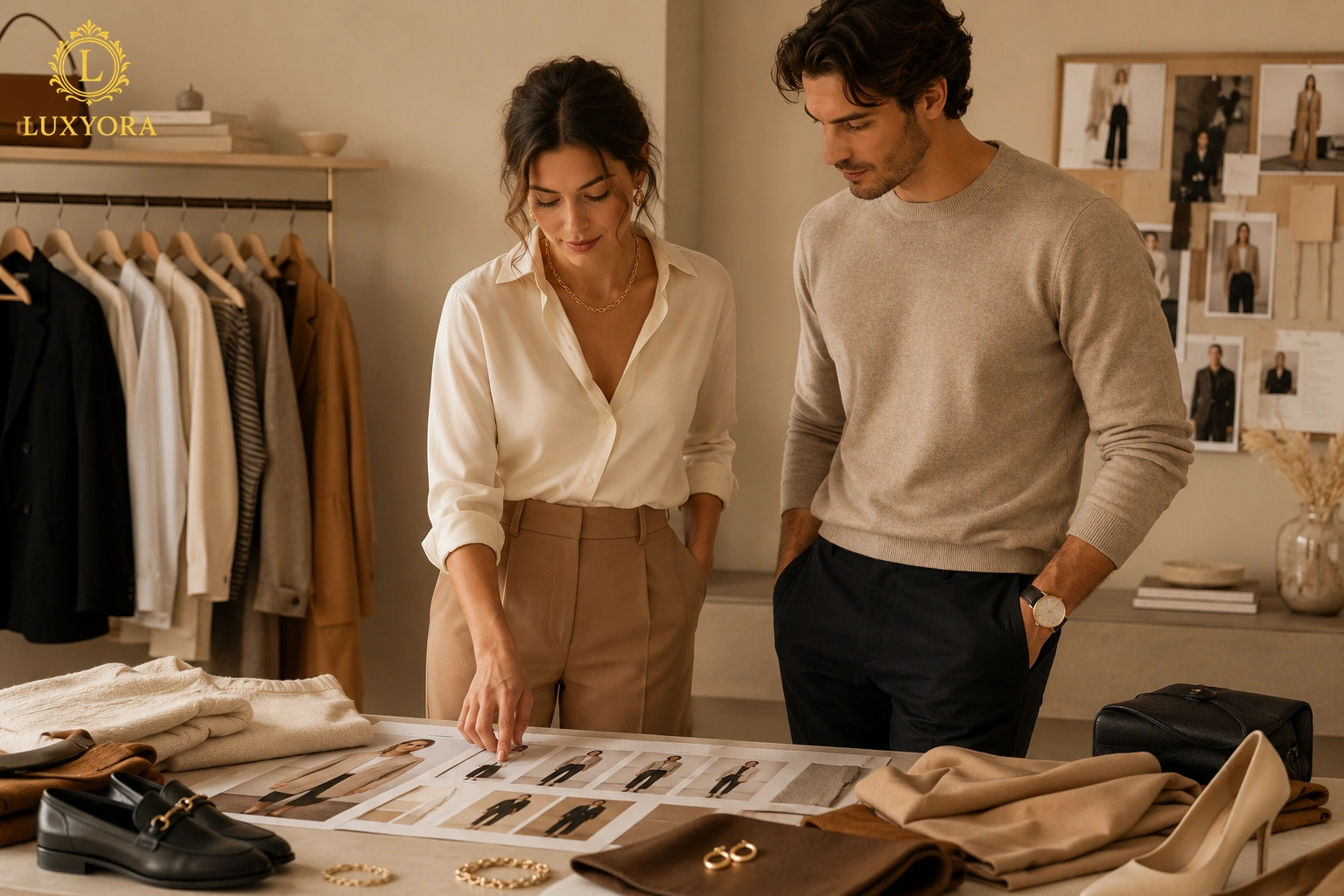
3) Use outfit formulas (stylish people don’t improvise every morning)
Fashion people have “recipes.” They repeat them with tiny changes, shoe swaps, different jewellery, and a new bag, and it reads intentional, not predictable.
Steal these three formulas:
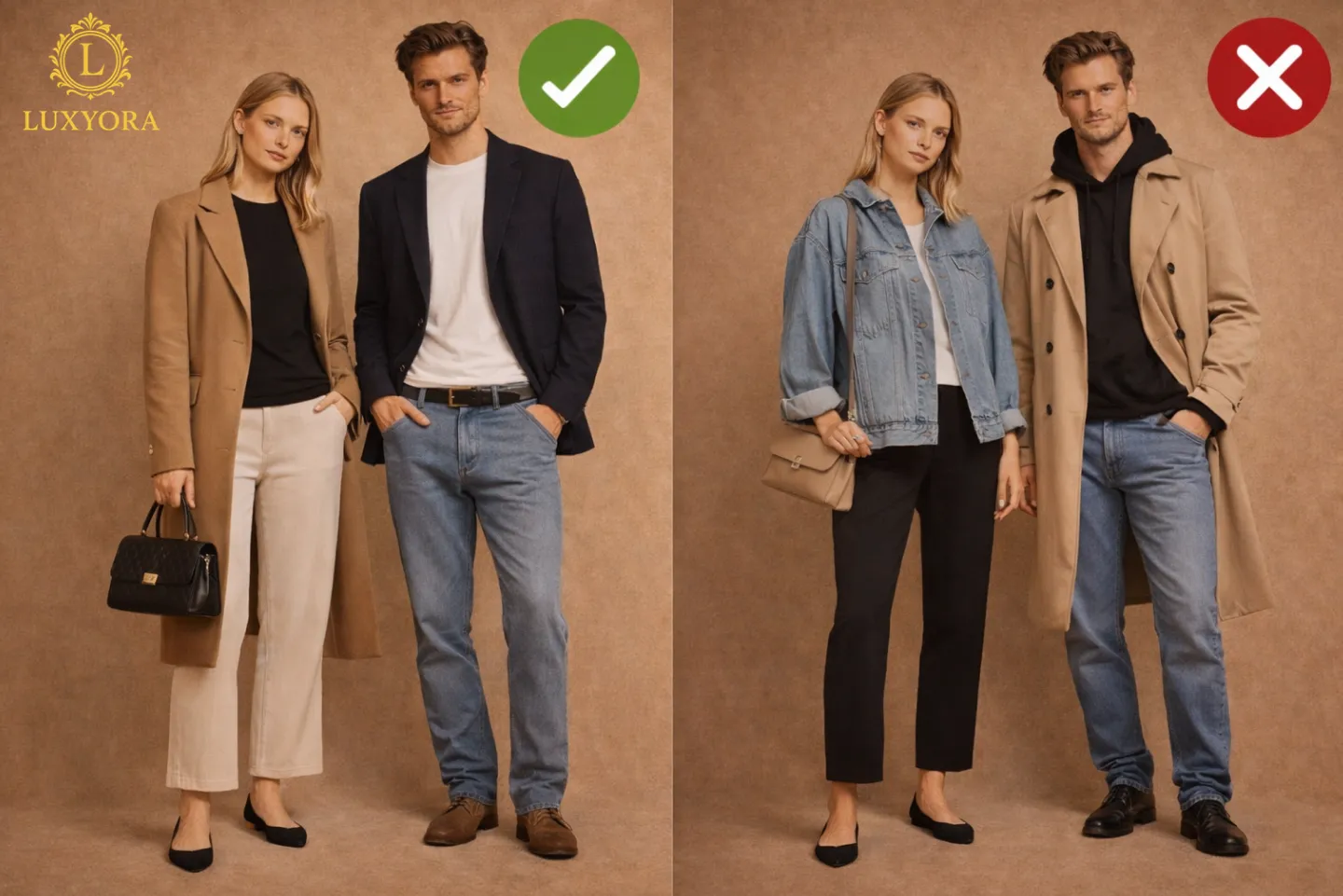
Formula A: The Elevated Classic
Blazer + tee/knit + straight jeans + sleek shoe
(Works for day, travel, casual dinner, everything.)
Formula B: The Clean Column
Monochrome top + bottom + standout outerwear
(It’s the easiest way to look expensive in five minutes.)
Formula C: The Soft/Sharp Contrast
Slip skirt (or satin trouser) + chunky knit + tailored coat
(That tension between textures is instantly editorial.)
Fashion’s most adaptable wardrobes are built on simple essentials that can be styled in countless ways. Find out why in How to Build Outfits Using Basic Wardrobe Staples.
4) Make “one piece” do three roles: base, layer, statement
To multiply outfits, every item needs a job and ideally, more than one. A crisp shirt can be:
- a base under a sweater
- a layer over a tank
- a statement half-tucked into trousers with bold earrings
This is also why “modular” or reconfigurable dressing is having a moment: fashion writers are paying attention to clothing that creates multiple looks from fewer items, especially through styling and transformable construction.
You don’t need literal modular garments to use the concept; treat your pieces as flexible building blocks.
The secret to endless outfit combinations isn’t simply mixing clothes, it’s knowing how to make standout pieces and layers work in harmony. Learn how in How to Wear Statement Clothing Without Overdoing It and How to Layer Clothes Without Looking Bulky.
5) Master the swap that changes everything: shoes + bag
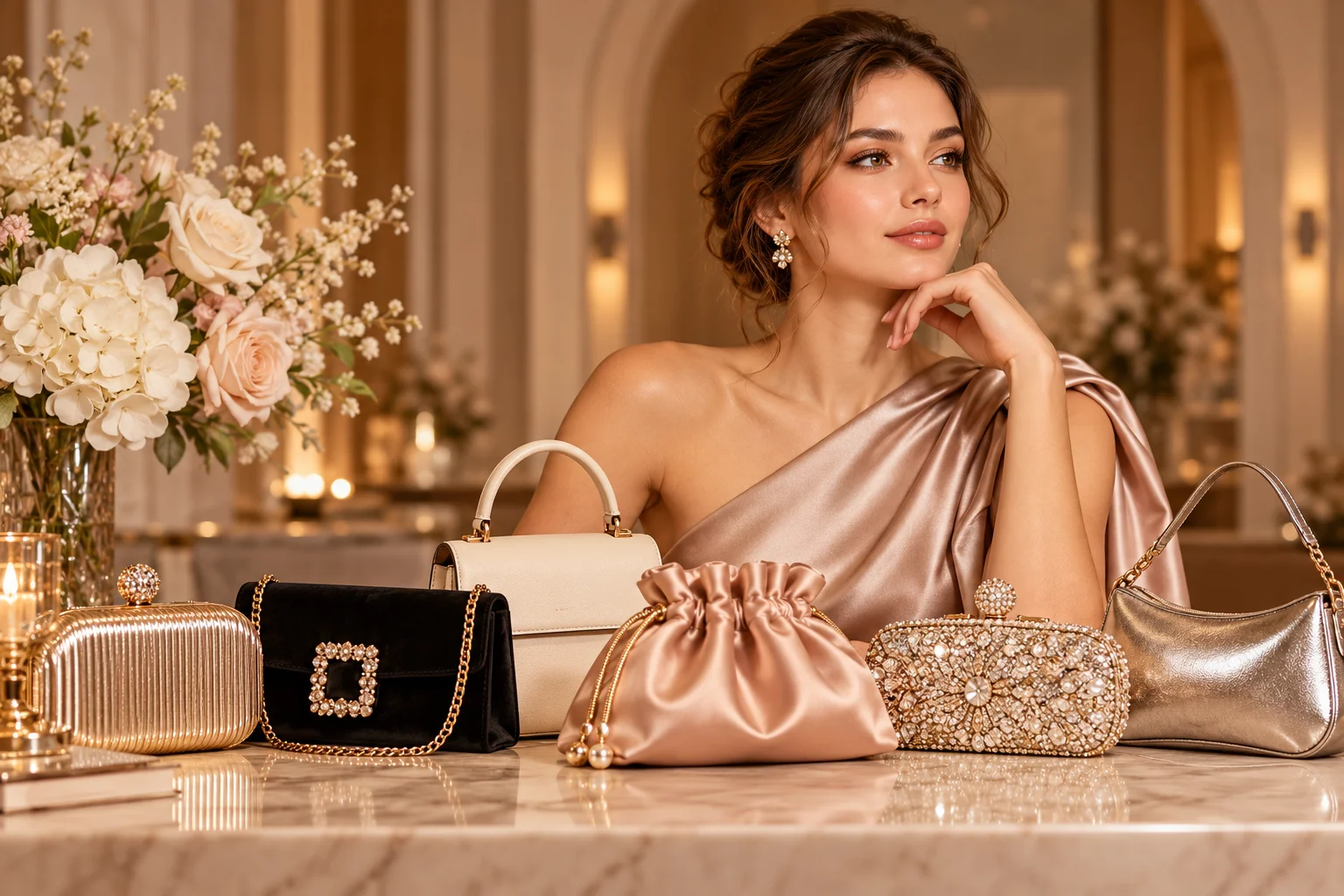
If your clothes are the canvas, your accessories are the lighting. The fastest way to make the same outfit look brand new is to rotate:
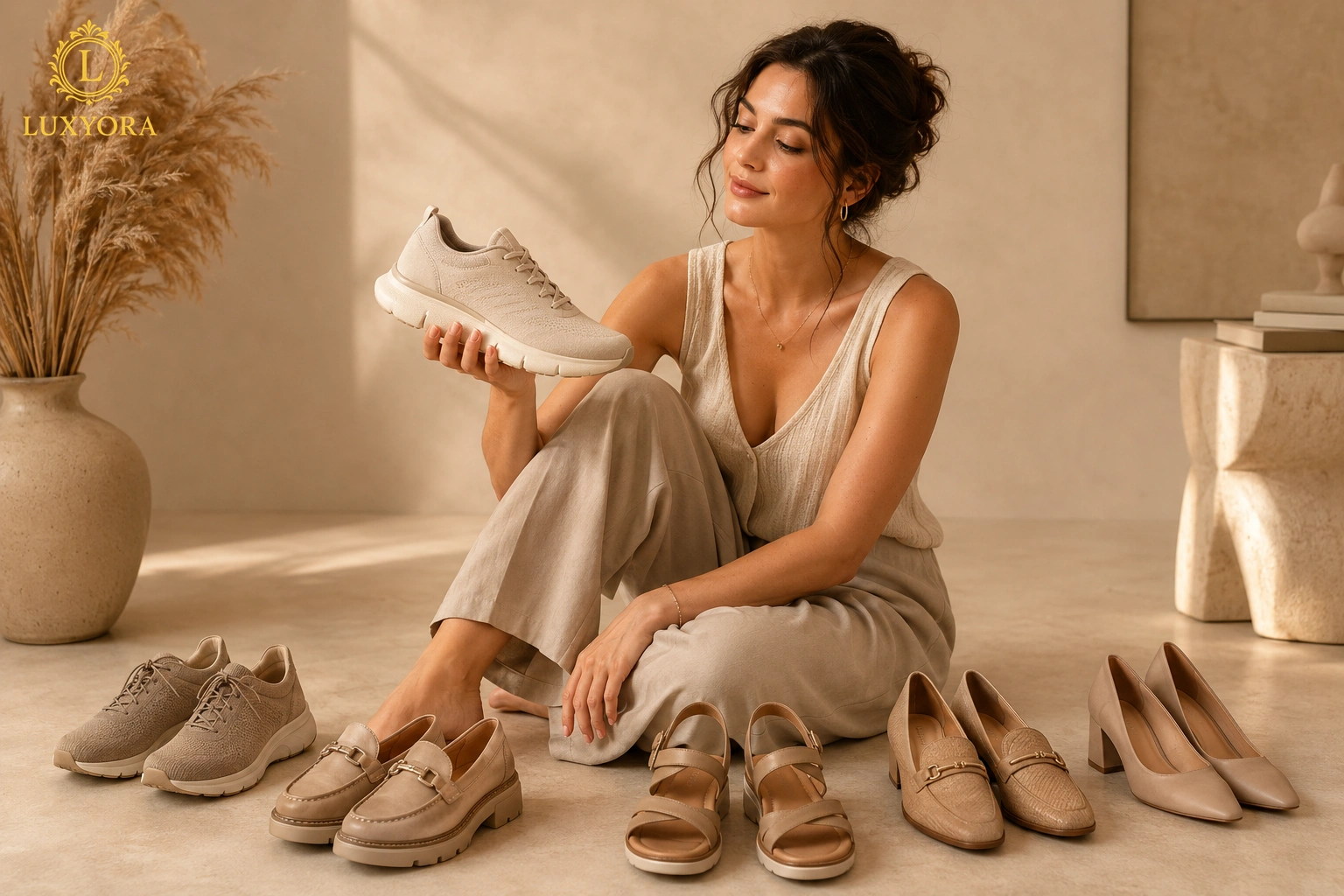
- Shoes: loafer → ankle boot → heel → minimal sneaker
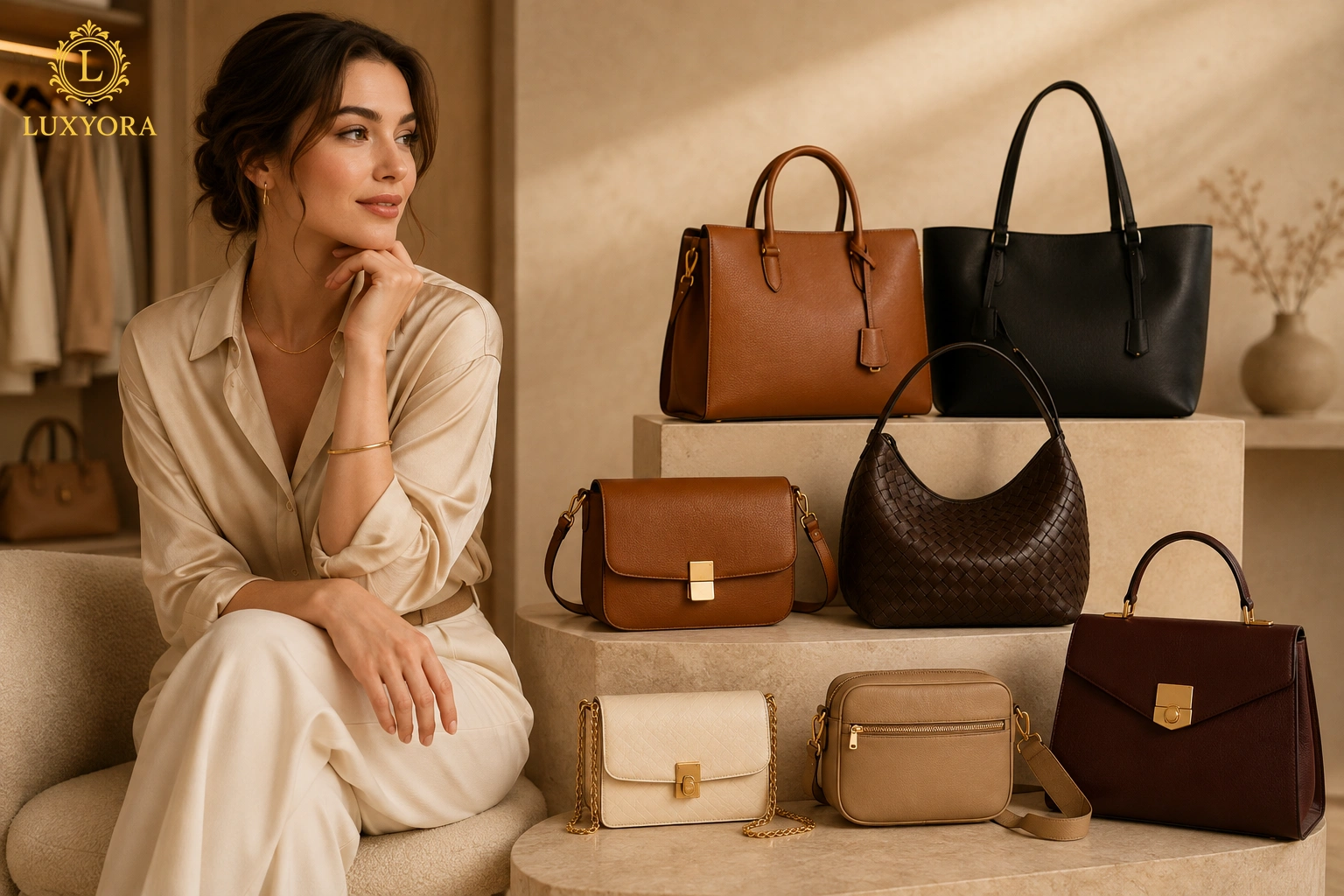
- Bags: tote → shoulder bag → clutch
- Jewelry: clean studs → statement earrings → chunky cuff
Keep the outfit constant, change the accessories, and suddenly you have “multiple looks” without multiple wardrobes.
6) Play with proportions, not more pieces
A mix-and-match closet becomes instantly more versatile when you own varied silhouettes:
- fitted top + wide-leg trouser
- oversized shirt + slim pant
- cropped jacket + high-waist denim
- long coat over a short hemline
Proportion is the style trick that makes repeats feel fresh. Even when colors remains neutral, the shape shift reads as new.
7) Make prints behave with a simple rule
Print mixing sounds advanced, but you can keep it luxuriously minimal:
- Pair one print with solid neutrals
- Or mix two prints only when they share a color and differ in scale (tiny stripe + large floral)
Prints become “staples” when they’re anchored to your palette think leopard as a neutral, pinstripes as a basic, polka dots as a soft accent.
8) Wear pieces longer (it’s stylish and strategic)
Mixing and matching boosts sustainability by extending the life of what you own, wearing pieces longer, and buying less can meaningfully reduce fashion’s impact.
Academic work on sustainable fashion also highlights durability and “lower cost per wear over time” as a practical reason to buy better and style more creatively.
Translation: outfit repetition isn’t a faux pas, it’s a flex, when it’s styled well.
Fashion’s most versatile wardrobes are built on thoughtful purchases that continue to inspire new outfit combinations over time. Find out why in How to Buy Clothes You’ll Still Wear Years Later.
9) A 10-piece mini wardrobe that can create 30+ looks
If you want a simple starting point, try this mix-and-match “core”:
- Blazer
- Trench or long coat
- White button-down
- Neutral knit (fine gauge)
- Statement knit (chunky or textured)
- Straight-leg jeans (dark)
- Tailored trousers
- Slip skirt or midi skirt
- Simple dress
- Two shoes: sleek flat + evening shoe
These are the pieces editors consistently identify as foundational because they pair effortlessly across seasons.
10) The real secret: document your outfits
It may sound simple, but it works: snap mirror photos of outfits you love and build a personal lookbook. Planning with versatile staples makes getting dressed easier.
When you see your combinations, you start creating more of them.
Luxyora Philosophy: Luxury is a wardrobe that works with you: fewer pieces, more possibilities, and a signature that feels effortless. When you style with intention, repetition becomes refinement.
References:
- Carver, C. (2020). Project 333: The minimalist fashion challenge that proves less really is so much more. Penguin Random House.
- Kang, P. B. P., Pires, P. B., & colleagues. (2024). Sustainable fashion: Conceptualization, purchase, and consumer behavior. Administrative Sciences, 14(7), 143. (MDPI)
- Mair, C. (2018). The psychology of fashion. Routledge.
- Vogue. (2022). How many clothes do I need, exactly? Vogue. (Vogue)
- Vogue. (2022). Could modular fashion make sustainability fun? Vogue. (Vogue)
- Vogue. (2026). The wardrobe essentials we’re wearing in 2026. Vogue. (Vogue)
- Vogue UK. (2026). How to build a capsule wardrobe that stands the test of time. Vogue. (British Vogue)
- Vogue. (2026). My packing style: J.Crew’s creative director Olympia Gayot. Vogue. (Vogue)