Four Signs an Independent Fashion Label Is Really a Luxury Brand
LVMH’s Fashion & Leather Goods business, home to Louis Vuitton and Dior, recorded a 5 per cent organic sales drop in the third quarter, announced on 12 October. The group pointed to softer demand in China as a factor behind the decline. Hermès, reporting its first half on 29 July, had grown revenue 6 per cent at constant exchange rates, with leather goods and saddlery up 10 per cent, and credited strong sell-through on its latest collections.
The labels below sit outside the big luxury conglomerates, although several have taken outside investment: Khaite, Telfar, The Row, Brunello Cucinelli and Jacquemus, alongside the family-controlled Hermès.
1. Luxury Fashion Brands Can Raise Prices Without Losing Demand
Jean-Noël Kapferer and Vincent Bastien, whose book The Luxury Strategy is the standard text on the subject, argue that luxury houses raise prices over time to build demand. Khaite showed the pattern in the summer of 2025. According to data cited by Puck, Khaite’s average prices climbed by up to 13 per cent year on year in the seven months to July 2025. Despite the increases, website sellouts across categories jumped 106 per cent in June and 298 per cent in July.
Catherine Holstein’s New York label sells to customers Puck describes as hardly price sensitive, and pre-orders were open for a $24,000 leopard-print jacket due in stores in autumn 2025. Puck added that the label had raised apparel prices and kept growing while probably selling fewer units.
The growth behind it is controlled. Before Stripes paid a reported $150m for an 80 per cent stake in 2023, Khaite had scaled partly through aggressive paid marketing and was not profitable. Chief executive Brigitte Kleine slowed the marketing and, for a time in 2023, shut down digital customer acquisition altogether, putting more money into new stores. Sales reached $90m that year and $105m in 2024, with more than $120m expected for 2025, according to people familiar with the figures. Puck put the Mercer Street store in SoHo on course for about $11m in 2025, up 5 per cent. Khaite declined to comment on the numbers.
The State of Fashion: Luxury report from The Business of Fashion and McKinsey found that price increases accounted for more than 80 per cent of growth in personal luxury goods between 2019 and 2023, while volume gains were more moderate.
Gucci’s revenue fell 22 per cent in 2025, to €5.99bn, or 19 per cent on a comparable basis. Retail sales fell 18 per cent and wholesale 34 per cent on that basis, and Kering’s chief executive, Luca de Meo, said the group’s performance “does not reflect the Group’s true potential.”
2. Exclusivity Comes from Controlled Supply and Limited Production
Hermès decides how quickly it makes things. In 2022, its executive chairman, Axel Dumas, defended a cap of 6 to 7 per cent a year on leather goods volume growth and told reporters he would not shorten the roughly 15 hours a bag takes just to raise output. The house has kept adding capacity since. It opened its 24th leather workshop in Charente in September 2025 and its 25th in Loupes in April 2026, with more planned in Charleville-Mézières, Colombelles and, by 2030, Les Andelys. Leather goods and saddlery sales rose 13 per cent in 2025, which Hermès attributed to demand and added capacity. Each site recruits through the house’s own school, which runs an 18-month paid training programme.
Pierre-Alexis Dumas, its artistic director, attributed the exclusivity of its bags to supply and demand when he spoke to 60 Minutes in December 2024 and denied it was deliberate. He said manufactured scarcity would require a marketing department, which the house does not have, and that shoppers who want a Birkin have to be patient.
Telfar chose a different model. In August 2020, it opened a 24-hour window in which customers could pre-order any bag in any size or colour, and the bags were then made to order. They cost about $150 to $257. The brand calls itself 100 per cent independent and said its June 2023 programme would be the last. It opened its first store, a 10,000-square-foot flagship at 408 Broadway in SoHo, on 23 November 2024.
3. Industry Recognition and Investor Interest Confirm Luxury Status
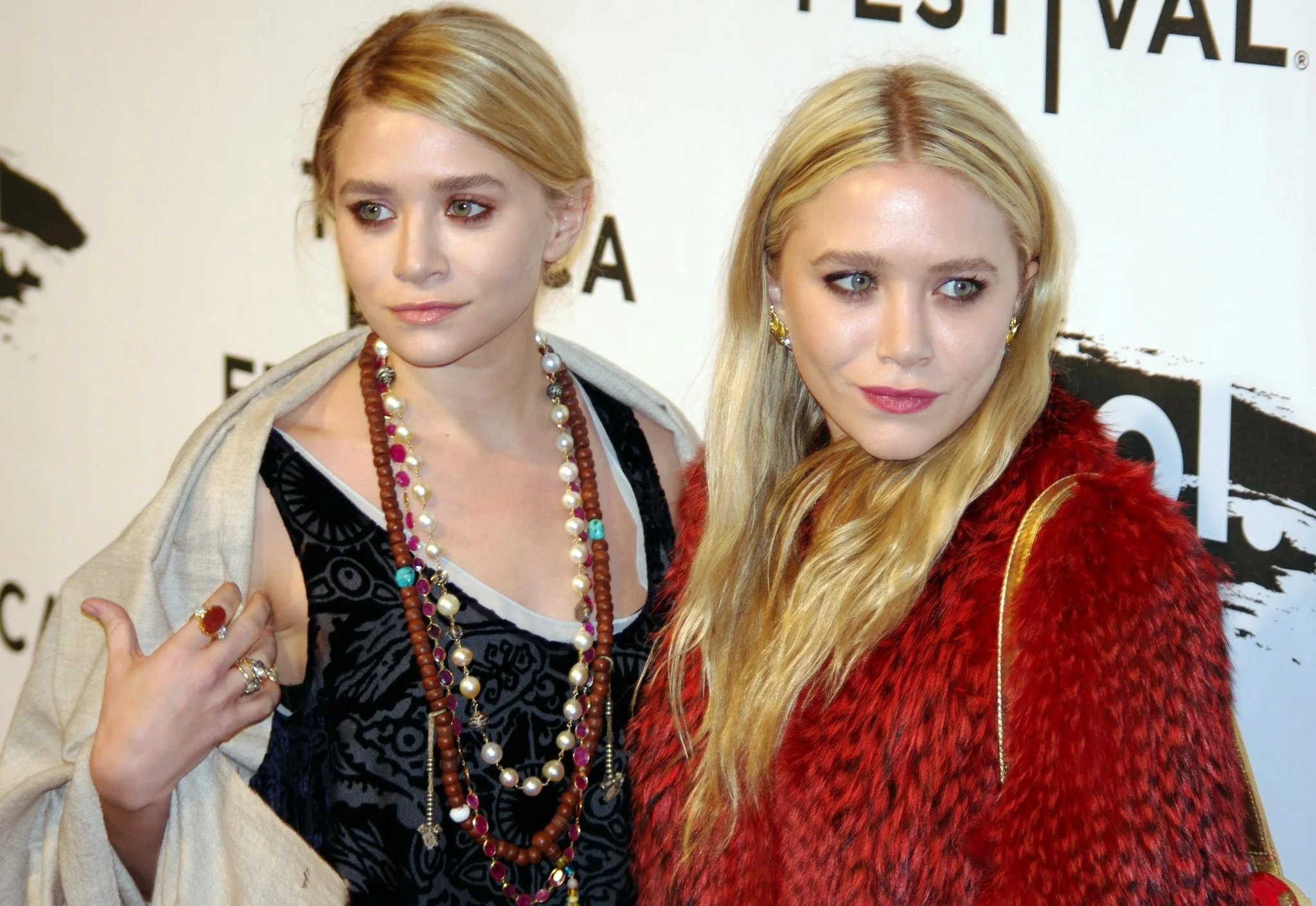
The Row announced its first Paris boutique in September 2024 with two photographs and an address: 1 Rue du Mont Thabor. The pictures showed diffused light and natural materials, with no clothing in either frame. Mary-Kate and Ashley Olsen, who started the label in 2006, already ran a French headquarters from a private mansion on the rue des Capucines, where the menswear collection had been shown that June.
The CFDA gave the label its Accessory Designer of the Year award in 2014, 2018 and 2019, and again in 2023.
In September 2024, Bloomberg reported that the Wertheimer family, who own Chanel, and the Bettencourt Meyers family, who control L’Oréal, had taken minority stakes through their family offices, Mousse Partners and Tethys Invest. AFP, citing a source, added that the venture fund Imaginary Ventures was also investing. The deal valued the company at about $1bn, according to people familiar with it, and the Olsens remained majority shareholders. Representatives for the company and the investors declined to comment to Bloomberg, so the figure is unconfirmed.
4. Luxury Fashion Brands Build Sales Through Their Own Boutiques
Brunello Cucinelli sold about two-thirds of its revenue through its own boutiques in 2025. The Italian house closed the year with revenue of €1.41bn, up 11.5 per cent at constant exchange rates, and store sales of €947.1m made up 67.3 per cent of the total. It ran 136 boutiques at the end of December. Listed on the Milan stock exchange since 2012, the company continues to be led by Brunello Cucinelli, who holds the roles of executive chairman and creative director.
The company is aiming for around €1.8bn by 2028 under the banner of “gentle luxury.” It invested about €145m in 2025 and finished its three-year programme for Made in Italy production six months ahead of schedule.
Jacquemus took the long way round. Simon Porte Jacquemus founded the label in Paris in 2009, and for years it was sold mainly through wholesale and its own website. The first permanent flagship, at 58 Avenue Montaigne, opened in 2022. A store at the Dubai Mall opened in April 2024, seasonal boutiques in Saint-Tropez and Capri followed that spring and early summer, and stores in New York and London opened in the autumn. Turnover was reported at about €270m in 2023, although some outlets put it nearer €280m. FashionNetwork later reported, citing industry experts, that revenue dipped in 2024.
Puig took a 10 per cent stake in the label in 2021, and Jacquemus bought it back in 2022 after the planned beauty line did not go ahead. On 7 February 2025, L’Oréal announced a minority investment and an exclusive beauty partnership, and its chief executive, Nicolas Hieronimus, said the group had no intention of raising its stake. A source close to the deal told AFP the stake was 10 per cent, for just under €100m.
References: