Luxury Beauty’s New Wave: Prestige Haircare, Founder-Led Brands, and the Celebrity Founder Test
Jennifer Lawrence launched the haircare brand Mes° (pronounced “mess”) on 27 October, selling three products priced from $34 to $52 through its own website only. The formulas come from Arcaea, the biotech company founded by the MIT-trained engineer Jasmina Aganovic, and Lawrence says the two worked on them for three years. She has said she wanted genuinely new product categories from the first launch, and the brand describes its aim as healthy, styled hair without a high-maintenance routine.
Celebrity founders are common enough among luxury beauty brands that the name on the box tells a buyer little. The more useful questions about a launch like this are who made the formula and what it does that the next bottle on the shelf does not.
Why Prestige Haircare Is Attracting Luxury Beauty Founders
Prestige beauty retail in the US rose 7 per cent to $17.1 billion in the first half of 2026, and prestige haircare outpaced it, according to Circana: dollar sales rose 11 per cent and units 8 per cent, with hair serums up nearly 60 per cent. A year earlier, the category had grown 6 per cent to $2.3 billion over the same period, with scalp care up 19 per cent. Fragrance grew 6 per cent in the first half of 2026 on higher prices and flat unit sales.
Treatments lead the category: Circana reported scalp-care treatments up by a high double-digit percentage in the first quarter, and masks, oils and leave-in products have all posted gains this year. Mass haircare grew 7 per cent while its unit sales dipped. Beauty Independent names hair thinning among GLP-1 users as one of the biggest emerging opportunities in prestige haircare.
Maison Beaux, launched in October by the model Amber Valletta and her partner, the hairstylist Teddy Charles, belongs to the same wave of prestige haircare. The two met on an Allure shoot in 2013. Charles, whose clients include Hailey Bieber and Robert Pattinson, told Bustle: “All the products that I’ve used that are clean don’t work.” The five-product line covers shampoo, conditioner, a collagen mask, a volumising spray and a styling cream, and it uses oat peptides and an exosome-based delivery system more often found in skincare. Both founders come from fashion, and they wanted the bottles to look elegant instead of clinical. The packaging is recyclable aluminium cans and biodegradable jars.
Celebrity Makeup Artists and Beauty Experts Launch Their Own Brands
Mary Phillips has spent two decades doing celebrity makeup, and her line, M.ph, is built around the underpainting technique she made popular. She is a licensed aesthetician and co-founded the talent agency Highlight Artists with the hairstylists Jen Atkin and Justine Marjan.
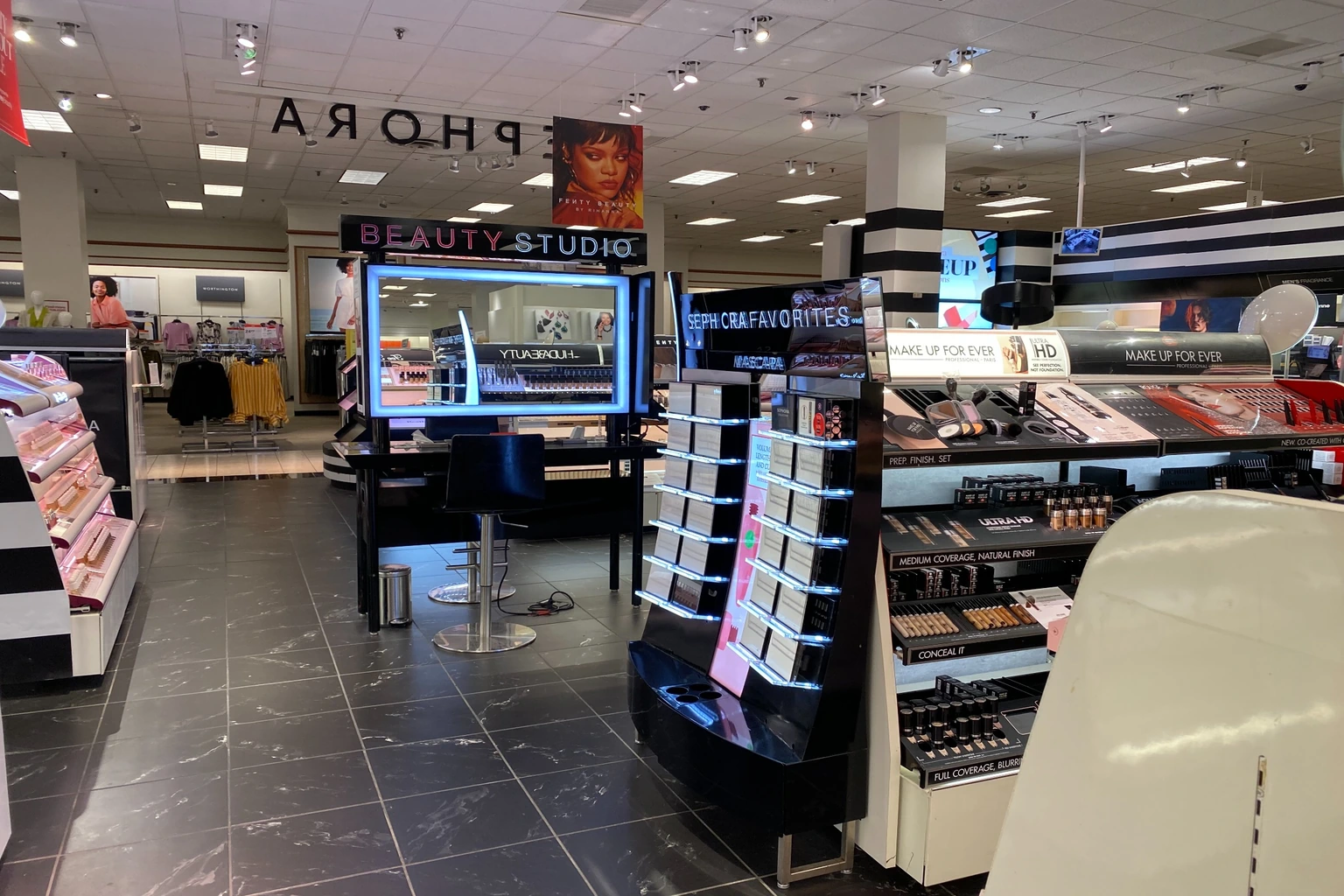
M.ph went live on Sephora.com on 15 August 2025 and reached about 650 Sephora stores from 25 August. Phillips has recalled that Sephora executives interrupted her first pitch to say yes. Beauty Independent counts M.ph, Hung Vanngo Beauty and Chris McMillan among the expert-led brands Sephora has launched exclusively in recent months, and Vanngo’s line arrived less than a month after M.ph’s debut. In February 2026, the brand launched a $49 serum foundation, and its CEO, Hannah Beals, said the aim was to become Sephora’s top foundation.
Claudia Sulewski came to Cyklar from YouTube, where she has more than 2.4 million subscribers. The brand launched in October 2023 with a single $58 body cream in a refillable glass jar, and the beauty incubator The Center invested in March 2024. The Center had sold Naturium to e.l.f. for $355 million the year before. Cyklar built a wholesale base of more than 300 doors, including Bluemercury, Revolve and Nordstrom, before it debuted on Sephora.com on 21 February 2026, with about 450 Sephora stores following in March. The range now leans into fragrance, perfume oils included.
Celebrity Beauty Brands: From The Outset to Rhode and Rare Beauty
Scarlett Johansson and Kate Foster Lengyel founded The Outset in March 2022, and the brand announced its closure on 28 September. Sephora had stocked it but has since dropped it, and at closing it was sold through retailers including Nordstrom, Goop and Amazon.
In May, e.l.f. Beauty transferred Keys Soulcare back to Alicia Keys. Keys and e.l.f. had launched it in 2020 with products developed alongside the dermatologist Dr Renée Snyder, a co-founder of W3LL People, and Beauty Matter reports that e.l.f. made the transfer to focus on its five fastest-growing brands.
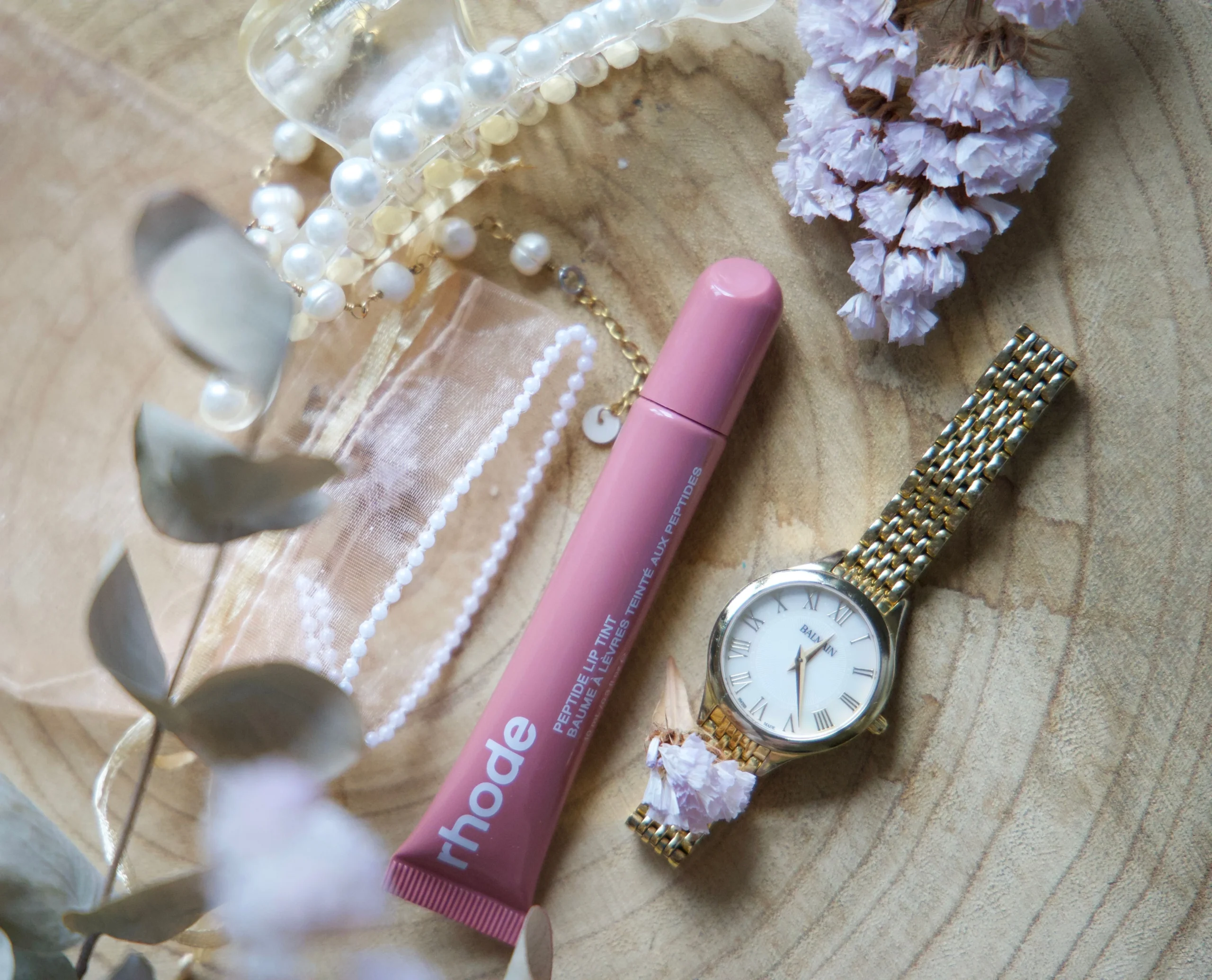
Hailey Bieber launched Rhode in June 2022 as a skincare line and has since added blushes, tinted lip balms and lip liners. It had $212 million in net sales in the 12 months to 31 March 2025, from around ten products, when e.l.f. agreed to buy it for $1 billion: $600 million in cash, $200 million in stock and a possible $200 million earnout over three years. Bieber stayed on as chief creative officer and head of innovation. At the time, the products were sold only online, and a Sephora launch was planned for the end of that year.
Selena Gomez’s Rare Beauty released its second collection with the luggage brand BÉIS on 12 October: eight pieces priced from $32 to $378, including the partnership’s first makeup set. The first collaboration came out in 2025. BÉIS is again supporting the Rare Impact Fund, which works to widen access to mental health services and education for young people.
Clean Beauty Claims Face Greater Consumer and Legal Scrutiny
Fortune Business Insights values the global clean beauty market at $10.79 billion in 2025, rising to $37.91 billion by 2034. Neither the FDA nor the FTC has defined “clean” for cosmetic labelling, according to Skin Inc., and shoppers have sued over clean and natural claims. Ulta Beauty faced a class action over its clean marketing in October 2025, Beauty Matter reports, after a federal judge dismissed a similar case against Sephora in March 2024.
Packaging claims are easier to check. Cyklar’s body cream comes in a refillable glass jar, and Maison Beaux uses recyclable aluminium cans and biodegradable jars.
How New Beauty Brands Win Over Luxury Shoppers
Cyklar launched with one product, Mes°, with three, and Maison Beaux with five, and Rhode reached $212 million in annual sales with about ten products. Phillips built M.ph on a technique she had already made popular, and Sulewski had a 300-door wholesale base before Sephora.
Prices sit in a range an independent brand can study. Mes° starts at $34, M.ph’s foundation costs $49, and Cyklar’s first cream launched at $58. Mes° sells only through its own website, in the one prestige beauty category where most retail sales already happen online, according to Circana’s 2025 review.
References: