How to Make Affordable Clothes Look Expensive | Luxyora
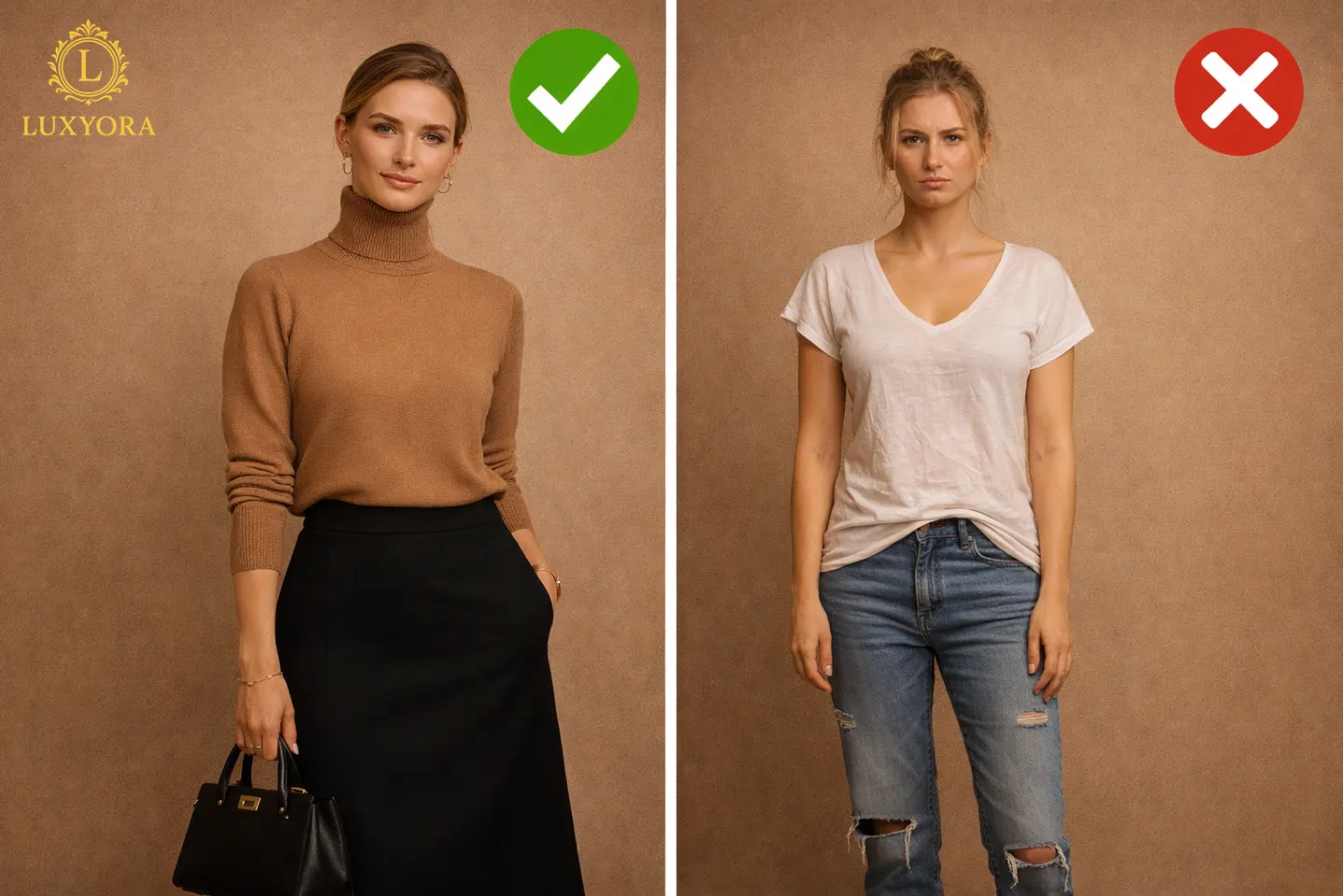
There’s a certain kind of “expensive” that has nothing to do with price tags. It’s the crisp collar that stays crisp. The trousers sit perfectly at the waist. The sweater looks plush, not pilled. The outfit that feels edited like you own a lint roller and boundaries.
The good news is that the “luxury” effect is mostly a styling system. And once you learn the rules, you can apply them to almost anything high street, thrift, vintage, or that one online impulse buy you’re trying to redeem. Consumer research on clothing quality perception supports this: people judge “quality” through multiple cues, such as fabric, construction, fit, finish, and overall presentation. In other words, you don’t need a designer label. You need designer-level details.
Here’s how to do it, editorial style.
1) Fit First: Tailoring Is the Cheat Code
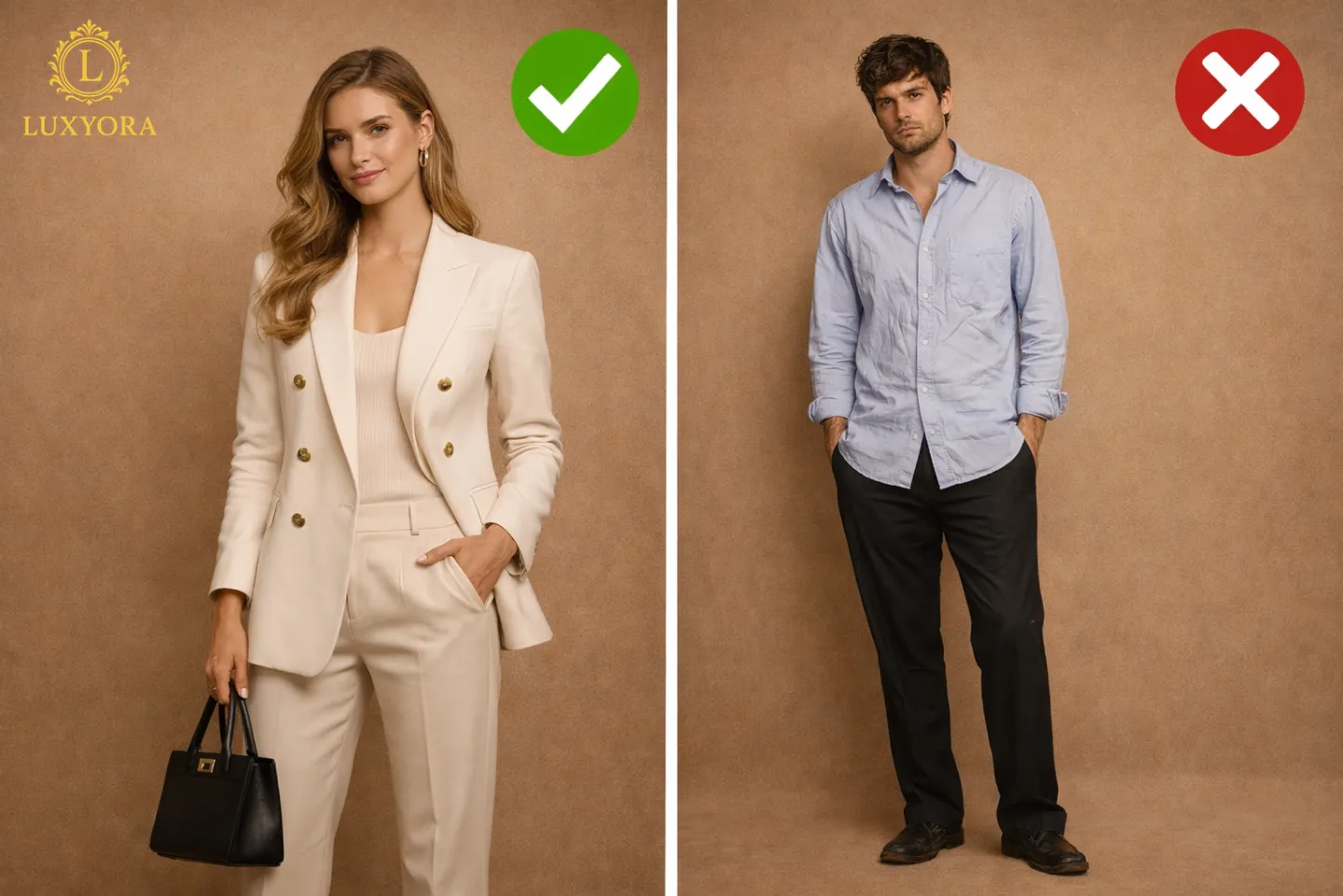
A garment that fits well reads expensive before anyone checks the fabric content. It’s also the easiest way to make a budget piece look custom.
Start with the high-impact alterations:
- Hem trousers and jeans so they break cleanly at the shoe (or intentionally hit the ankle).
- Take in the waist of trousers/skirts if there’s gaping.
- Adjust blazer sleeves so they land at the wrist bone.
- Replace “boxy” with “clean”: a simple nip at the waist can change the entire mood.
Fit affects how you see your body in the garment, too. Recent research links garment fit to wearer perception and body image experience. Translation: tailoring isn’t just aesthetic; it’s confidence engineering.
Pro tip:
Buy slightly larger and tailor down. It’s far easier than trying to “let out” a garment with no seam allowance.
2) Choose Fabric That Behaves Like It Has a Trust Fund
Affordable doesn’t have to mean flimsy. But you do need to shop like a fabric snob (in the best way).
Look for:
- Weight and drape. Heavier cottons, structured denim, crisp poplin, and viscose that falls smoothly.
- Natural fibers or smart blends. Cotton, wool, linen, and silk blends often wear better and photograph better than thin synthetics.
- Touch test: Scrunch the fabric in your hand for five seconds. If it creases like a crumpled receipt, it will look tired fast.
Choosing fabric with presence is less about chasing expensive looking textures and more about understanding what creates effortless sophistication. The line between refined and overdone is narrower than it seems. Explore The do’s and don’ts of quiet luxury dressing.
Design hack:
“Quiet luxury” isn’t about whispering logos, it’s about letting fabric and cut do the talking. While the trend is often overused, its core principle remains the same: quality materials and minimal spectacle create polished impact.
3) Keep the Color Story Calm, Then Add One Power Note
Colors can make budget pieces look elevated or instantly “fast fashion.”
The expensive-looking palette:
- Cream, camel, chocolate, charcoal, navy, black
- Muted tones like olive, taupe, slate, soft white
Then add one intentional accent: a red lip, a cobalt bag, a gold earring, a deep berry heel. The point is contrast with control.
When the palette stays quiet, every color choice matters more. The secret behind those effortlessly balanced outfits may start long before styling begins. Read more about How to choose clothing colors that complement your skin tone.
Avoid:
too many competing brights, overly trendy prints, or loud logo graphics unless you’re styling them deliberately.
4) Press, Steam, De-Pill, Repeat: “Expensive” Is Often Just “Well Kept”
Wrinkles, fuzz, lint, and pilling are the four horsemen of looking cheap. Clothing care is not a domestic chore; it’s styling.
Your mini toolkit:
- Fabric shaver (for knits and coats)
- Lint roller (non-negotiable)
- Steamer or iron (choose based on fabric)
- Shoe wipes + leather conditioner (even faux leather benefits from care)
Wrinkle removal and upkeep are consistently cited as key “polish” factors in wardrobe presentation. And while home-care blogs aren’t peer-reviewed, the core principle aligns with quality perception research: finishing and appearance drive perceived value.
5) Upgrade the Tiny Details: Buttons, Hardware, and Seams
Luxury lives in the micro-details because those are the first things that betray a garment’s origin story.
Easy upgrades:
- Replace plastic buttons with horn-look, metal, or matte finishes.
- Swap a flimsy belt for a structured one (instant elevation).
- Add a tailor’s hook-and-bar closure to prevent gaping.
- Reinforce loose threads and hemlines early before they unravel into chaos.
Shopping tip: Check the inside stitching. If it’s wildly uneven or threads are already pulling, leave it.
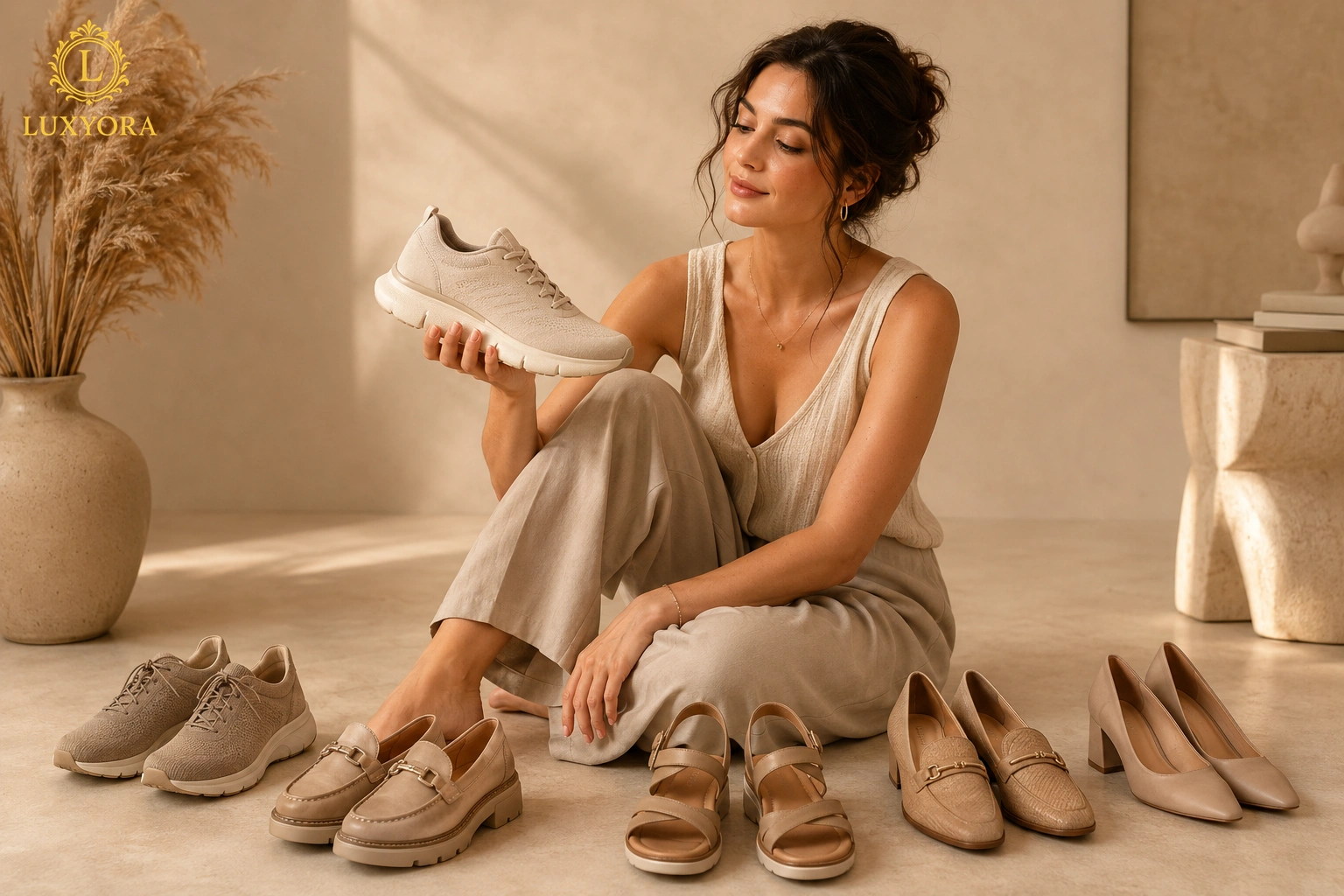
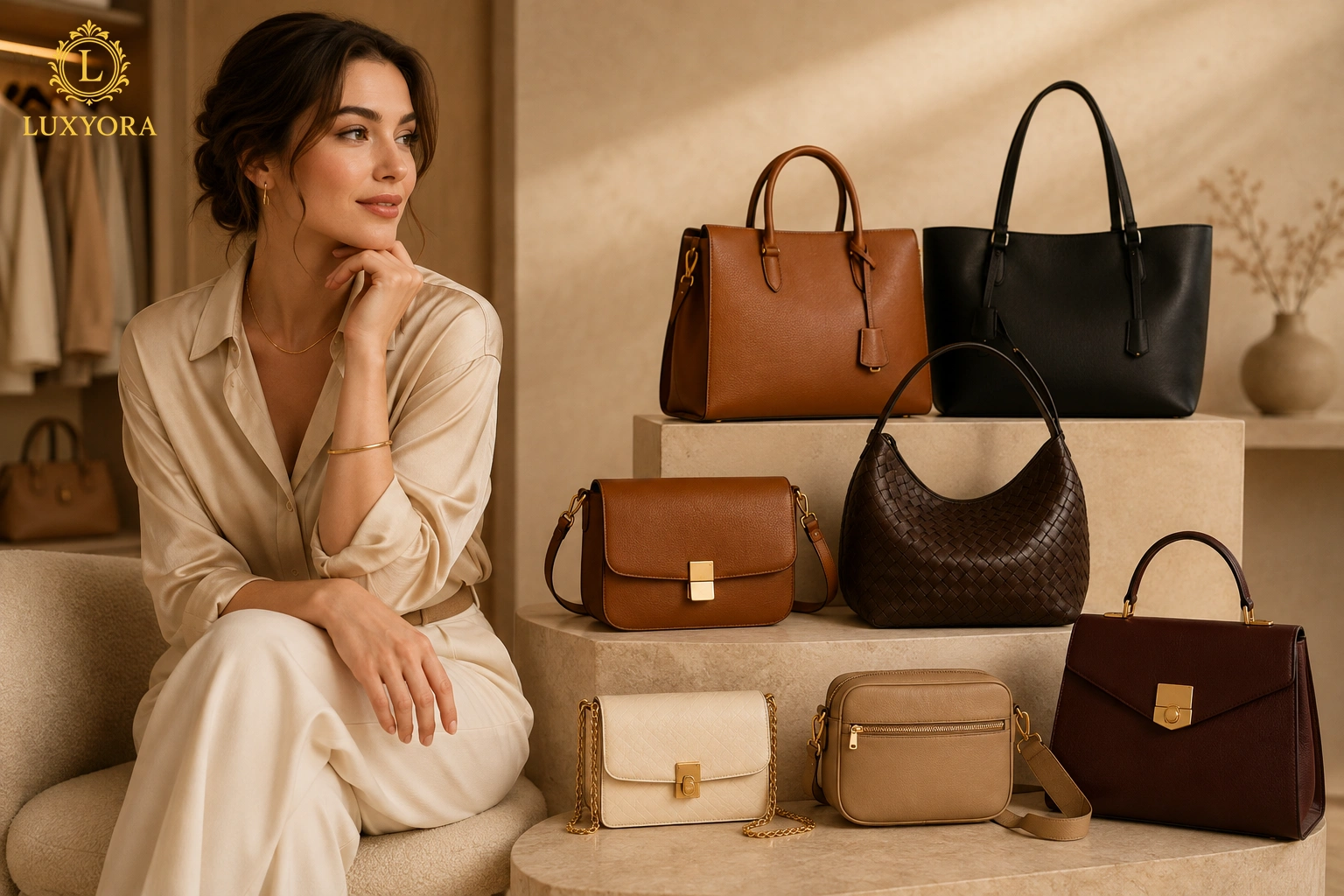
6) Shoes and Bags: Let Accessories Do the Heavy Lifting
You can wear a £22 dress and still look polished if you choose your shoes and bag carefully.
That’s why well-chosen accessories, especially quality footwear, are often seen as the easiest way to elevate an outfit.
What reads luxe:
- Clean lines, minimal branding, structured shapes
- Polished leather (or high-quality vegan leather), suede, or matte finishes
- Hardware that doesn’t look overly shiny or lightweight
What breaks the illusion:
- Scuffed toes, peeling faux leather, overly embellished designs, visible wear without intention
If you can only upgrade one thing, upgrade shoes. They’re the foundation literally and aesthetically.
7) Style Like an Editor: Fewer Pieces, Better Decisions
“Expensive” outfits look effortless because they’re not crowded.
Try the three-piece rule:
A base + a structure + a finishing touch.
- Base: tee, knit, slip dress, tailored trouser
- Structure: blazer, trench, longline cardigan, crisp shirt
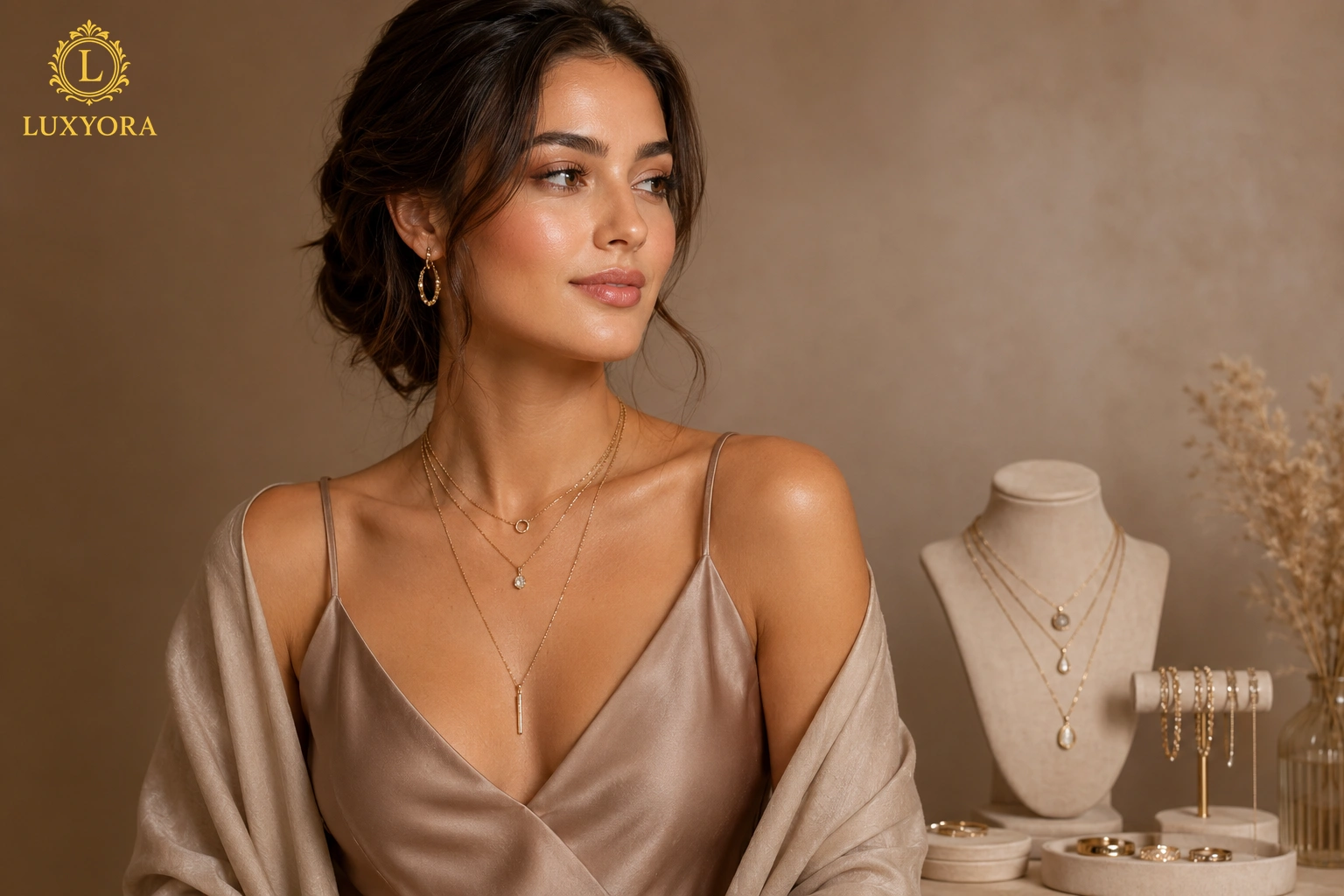
- Finish: belt, jewelry, scarf, bag, sunglasses
And if you’re building your wardrobe strategically, style experts increasingly focus on repeatable formulas rather than constant shopping, an approach echoed in modern closet/style guidance such as Bornstein’s method-driven book.
Editors rarely chase more, they refine. Somewhere between restraint and styling is the reason certain simple outfits always seem one step ahead. Read more about How to make simple clothes look polished.
One styling trick that always works: monochrome. Head-to-toe black, cream, camel, navy suddenly the outfit looks curated, even if it was affordable.
8) Grooming and Undergarments: The Invisible Luxury Layer
Expensive style isn’t just what you wear, it’s what supports it.
Make sure:
- Bras fit properly and don’t distort your silhouette
- Seam lines don’t cut awkwardly
- Whites are actually white (use fabric brightener when needed)
- Hair and nails look intentional (simple and neat wins)
This is the quiet difference between “nice outfit” and “she looks put together.”
Luxyora Philosophy: Luxury isn’t a price point, it’s precision. When you treat your wardrobe like it matters, everything you wear starts acting like it belongs in a penthouse.
References:
- Aakko, M., Niinimäki, K., Koskennurmi-Sivonen, R., & Pihlajaniemi, H. (2022). Quality matters: Reviewing the connections between perceived quality and clothing consumption. Journal of Fashion Marketing and Management, 26(1), 107–125. (Emerald)
- Bornstein, A. (2023). Wear it well: Reclaim your closet and rediscover the joy of getting dressed. Chronicle Books. (Google Books)
- Crompton. (2024). The importance of ironing clothes. Crompton Blog. (Crompton)
- Li, J., Zhang, Y., & colleagues. (2024). Tailoring garment fit for personalized body image enhancement: Insights from digital fitting research. Information, 19(2), 49. (MDPI)
- Vogue. (2023). Quiet luxury is a dupe—Here’s why. (Vogue)
- Vogue Australia. (2025, November 25). 7 ways to make your wardrobe look expensive, according to stylists. (Vogue Australia)