Scratch-Resistant Leather : What is Scratch Resistant Leather?
Leather has long been associated with luxury, durability, and timeless style. Whether used in handbags, wallets, shoes, furniture, automotive interiors, or fashion accessories, leather remains one of the most sought-after materials worldwide. However, one concern that many consumers share is how easily leather can become scratched during everyday use. This is where scratch-resistant leather comes into the picture.
Scratch-resistant leather is not a separate species of leather but rather a category of leather that has been processed, finished, or treated to better withstand scratches, scuffs, and surface abrasions. As consumers increasingly seek products that combine elegance with practicality, scratch-resistant leather has become a highly valued feature across multiple industries.
In this comprehensive guide, we will explore what scratch-resistant leather is, how it is made, its benefits, common types, practical applications, maintenance tips, and real-life scenarios that help consumers make informed purchasing decisions.
What Is Scratch-Resistant Leather?
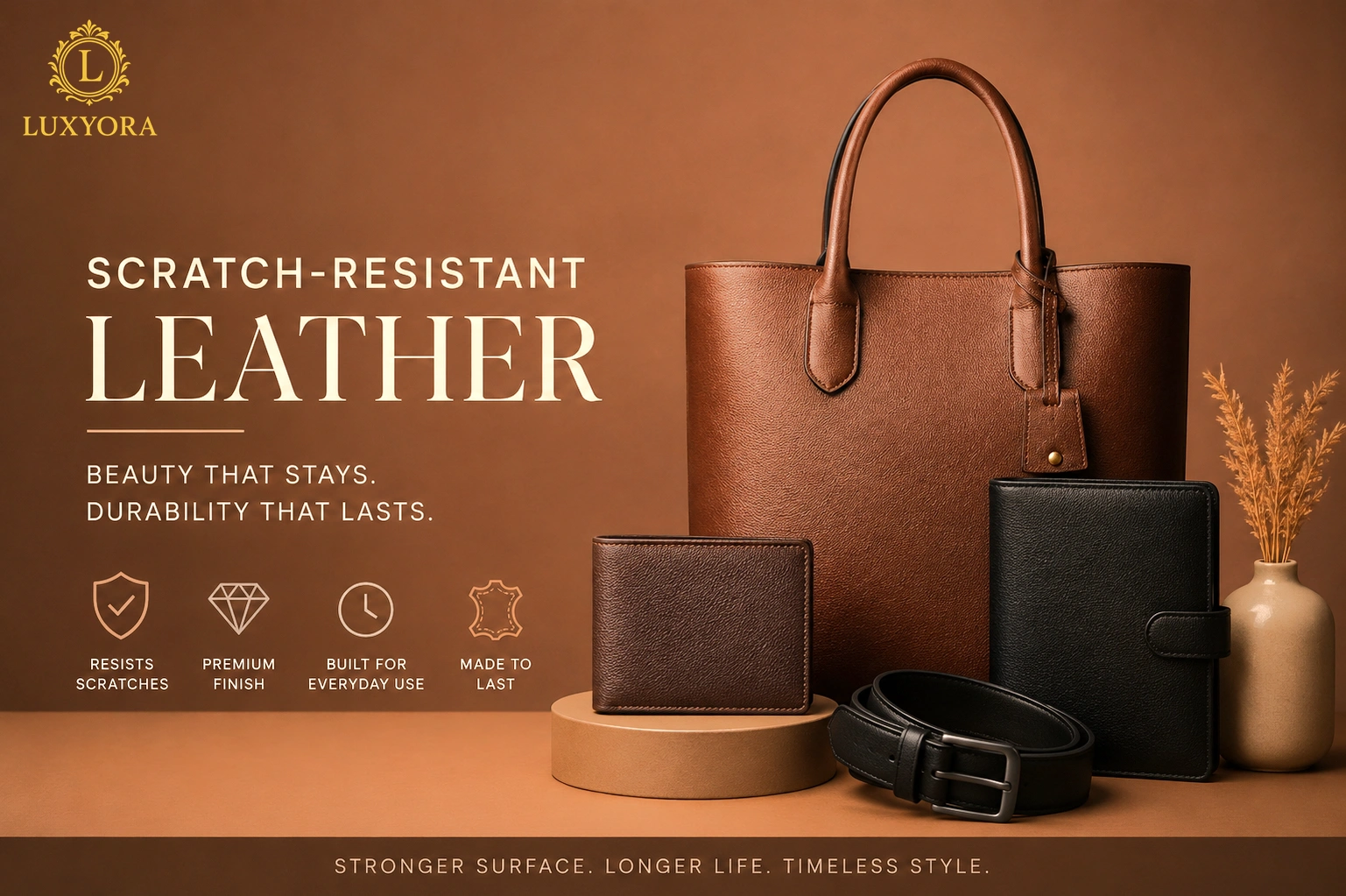
Scratch-resistant leather refers to leather that is specially manufactured or treated to reduce visible scratching and surface damage during regular use. Unlike delicate leather varieties that show marks easily, scratch-resistant leather is designed to maintain its appearance for longer periods.
The scratch resistance comes from factors such as:
- Protective finishing layers
- Pigmented coatings
- Specialized tanning processes
- Surface embossing
- Wax or polyurethane treatments
- Enhanced fiber density in premium hides
It is important to understand that no leather is completely scratch-proof. Instead, scratch-resistant leather offers significantly greater resistance to everyday wear and tear than untreated or delicate leather.
Why Scratch Resistance Matters in Leather Products
Consumers invest in leather products because they expect longevity. Unfortunately, frequent handling, accidental contact with rough surfaces, pet claws, keys, and daily usage can leave visible marks on traditional leather.
Scratch-resistant leather provides several advantages:
Improved Product Lifespan
The surface remains attractive for years, reducing the need for repairs or replacement.
Better Appearance Retention
The leather maintains its original look even after extensive use.
Lower Maintenance Requirements
Minor scratches are less noticeable, reducing the need for frequent conditioning or restoration.
Higher Customer Satisfaction
Consumers appreciate products that continue looking new despite daily use.
Greater Commercial Value
Brands can market scratch-resistant leather as a premium feature, attracting quality-conscious buyers.
How Scratch-Resistant Leather Is Made
The scratch resistance of leather largely depends on how the hide is processed and finished.
Protective Surface Finishes
Manufacturers often apply polyurethane or acrylic coatings to create a protective barrier. These coatings help shield the leather from minor abrasions and scratches.
Pigmented Finishing
Pigmented leather contains color layers that help conceal surface imperfections. The finish creates a more uniform appearance while enhancing scratch resistance.
Embossing Techniques
Many scratch-resistant leathers are embossed with patterns such as pebble grain, saffiano texture, or crosshatch designs. These textures naturally disguise small scratches.
Wax Treatments
Certain wax-infused leathers can self-heal minor surface marks through gentle rubbing or heat from the hand.
Full-Fiber Integrity
Premium hides with dense fiber structures offer greater wear resistance than lower-quality hides.
Common Types of Scratch-Resistant Leather
Not all leather reacts the same way to scratches. Some types of leather naturally offer better resistance than others.
Saffiano Leather
Saffiano leather is one of the most popular scratch-resistant leather varieties.
Characteristics include:
- Crosshatch embossed texture
- Wax coating
- Excellent durability
- Water resistance
- Luxury appearance
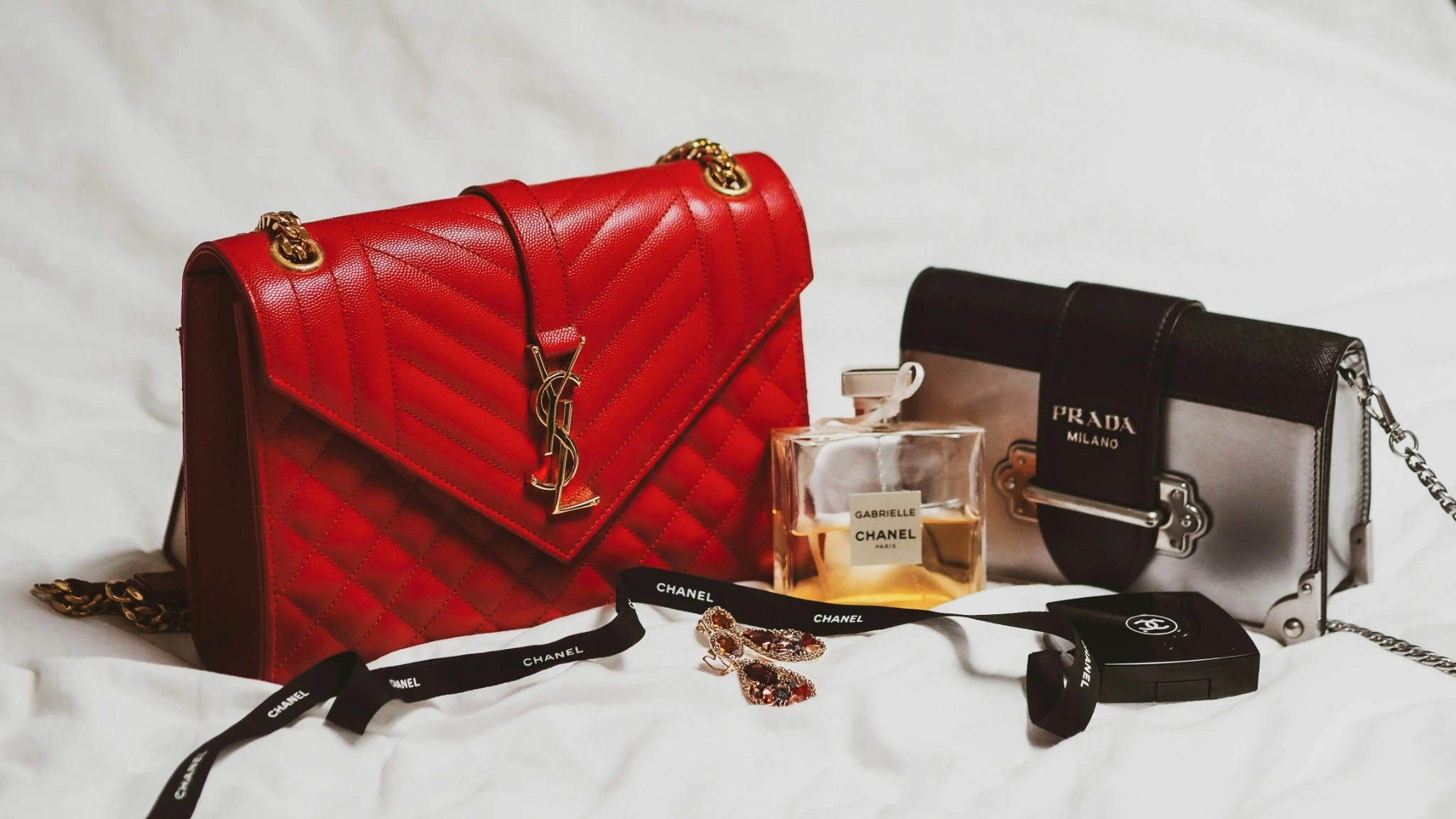
Luxury fashion brands frequently use saffiano leather for handbags, wallets, and business accessories because of its resilience.
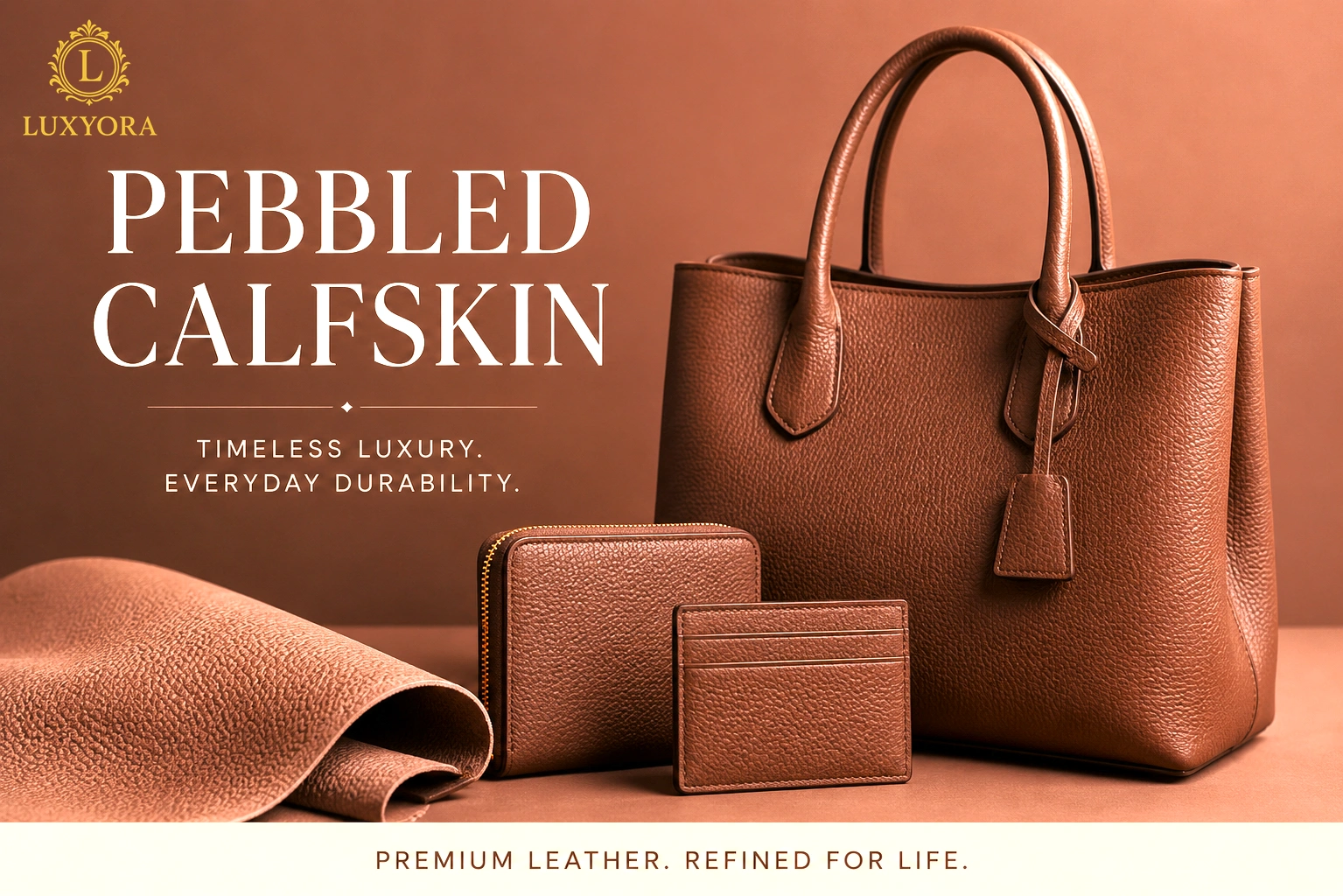
Pebbled Leather
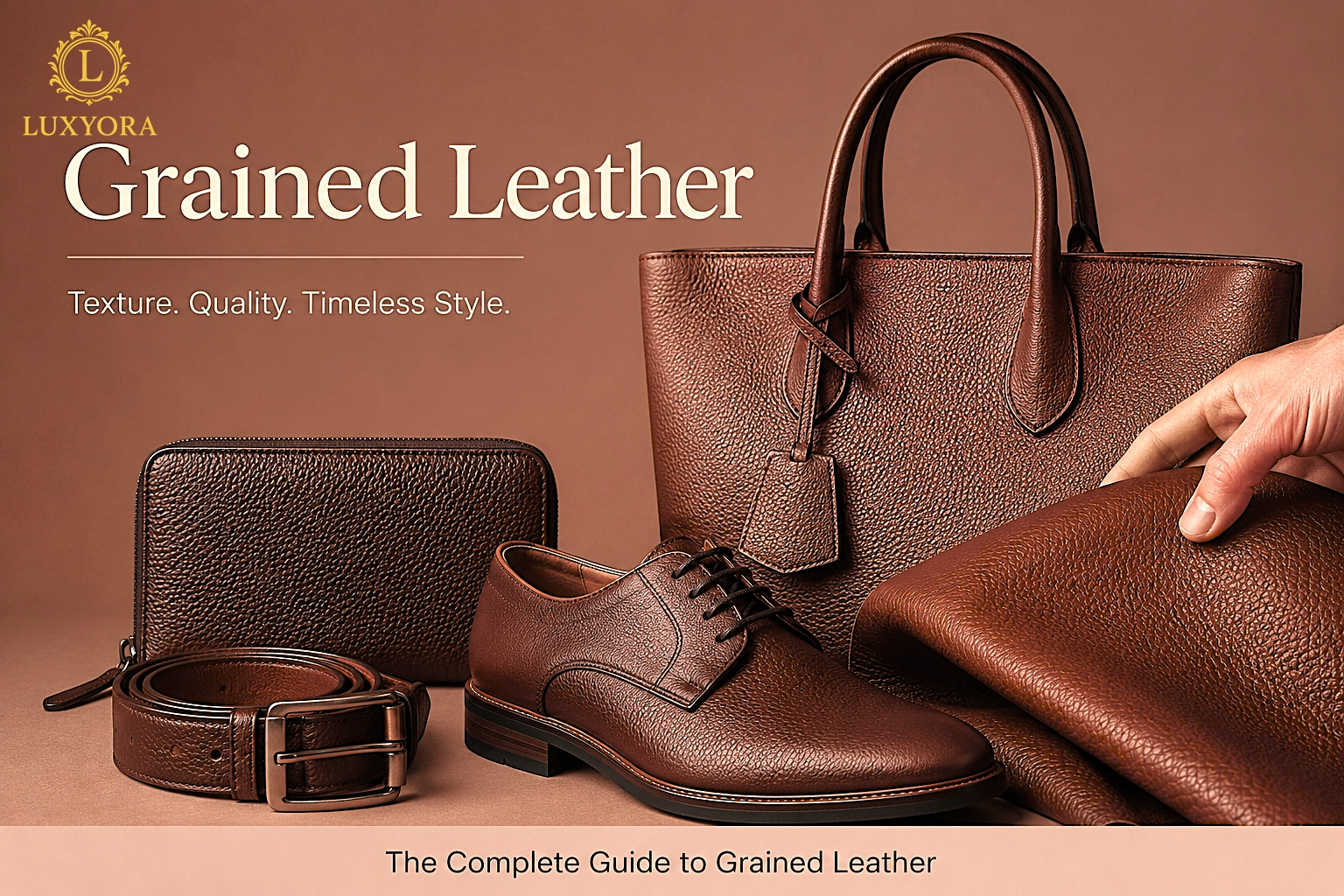
Pebbled leather features a textured grain pattern that helps conceal scratches.
Benefits include:
- Durable surface
- Casual yet sophisticated appearance
- Easy maintenance
- Excellent resistance to everyday wear
Corrected Grain Leather
This leather is sanded and finished to remove imperfections before protective coatings are applied.
Advantages:
- Uniform appearance
- Enhanced durability
- Good scratch resistance
- Cost-effective production
Patent Leather
Patent leather features a glossy protective coating that offers substantial resistance to minor scratches and stains.
Common uses include:
- Formal footwear
- Fashion accessories
- Luxury products
Coated Leather
Leather with polyurethane coatings often demonstrates strong resistance against abrasion and scratching.
This type is commonly used in:
- Automotive interiors
- Commercial furniture
- Travel goods
Scratch-Resistant Leather vs. Full-Grain Leather
One common misconception is that the highest-quality leather is always the most scratch-resistant.
Full-grain leather is considered the highest grade because it retains the natural grain layer. However, it often develops scratches more easily because it lacks heavy surface coatings.
Comparison Table
Feature | Scratch-Resistant Leather | Full-Grain Leather |
Scratch Resistance | High | Moderate |
Natural Appearance | Moderate | Excellent |
Aging Characteristics | Stable | Develops Patina |
Maintenance | Low | Moderate |
Surface Coatings | Usually Present | Minimal |
Durability | High | Very High |
Consumers must choose based on their priorities. Those seeking minimal maintenance often prefer scratch-resistant leather, while enthusiasts may appreciate the character development of full-grain leather.
Industries That Commonly Use Scratch-Resistant Leather
Luxury Handbags
Premium handbag brands frequently utilize scratch-resistant finishes to preserve appearance during daily use.
Leather Wallets
Wallets experience constant friction from pockets, bags, and handling. Scratch-resistant leather helps maintain a clean look.
Office Accessories
Business professionals prefer leather portfolios, organizers, and laptop sleeves that withstand frequent transportation.
Automotive Interiors
Vehicle manufacturers increasingly use treated leather surfaces that resist scratches from passengers, pets, and luggage.
Furniture Manufacturing
Families with children and pets often select scratch-resistant leather sofas and recliners to maximize longevity.
Real-Life Scenarios Where Scratch-Resistant Leather Excels
Scenario 1 - The Frequent Traveler
A business traveler carries a leather briefcase through airports, hotels, and conferences every week.
Without scratch-resistant leather:
- Visible scuffs accumulate quickly.
- The bag loses its professional appearance.
With scratch-resistant leather:
- Minor abrasions remain hidden.
- The briefcase retains a polished look for years.
Scenario 2 - Pet Owners
A homeowner owns two energetic cats that frequently jump on furniture.
Traditional leather:
- Claw marks become noticeable.
- Restoration expenses increase.
Scratch-resistant leather:
- Surface damage is significantly reduced.
- Furniture maintains visual appeal longer.
Scenario 3 - Everyday Handbag Use
A handbag regularly comes into contact with keys, countertops, and vehicle interiors.
Scratch-resistant finishes:
- Minimize visible damage.
- Extend product lifespan.
- Preserve resale value.
Advantages of Scratch-Resistant Leather
Long-Term Durability
Products remain functional and attractive despite frequent use.
Professional Appearance
Maintains a refined look suitable for business and luxury environments.
Reduced Maintenance Costs
Less need for professional repairs and restoration services.
Better Value for Money
Consumers enjoy a longer usable life from their investment.
Enhanced Consumer Confidence
Buyers feel more comfortable using their products daily without fear of visible damage.
Limitations of Scratch-Resistant Leather
Despite its benefits, scratch-resistant leather is not perfect.
Not Completely Scratch-Proof
Sharp objects can still penetrate protective finishes.
Reduced Natural Character
Heavy coatings may mask some of leather’s natural beauty.
Limited Patina Development
Unlike full-grain leather, coated surfaces may not develop the rich aging characteristics leather enthusiasts enjoy.
Potential Finish Wear
Protective coatings can gradually wear down over many years of use.
How to Identify Genuine Scratch-Resistant Leather
When shopping, consider the following indicators:
- Product descriptions mentioning scratch-resistant finishes
- References to saffiano or pebbled leather
- Protective coating information
- Durable textured surfaces
- Manufacturer durability certifications
- Premium craftsmanship and finishing quality
Ask retailers about the finishing process rather than relying solely on marketing claims.
Caring for Scratch-Resistant Leather
Although durable, proper maintenance remains essential.
Regular Cleaning
Use a soft microfiber cloth to remove dust and debris.
Avoid Harsh Chemicals
Strong cleaners may damage protective coatings.
Store Properly
Keep products away from direct sunlight and excessive humidity.
Use Leather-Safe Conditioners
Only use conditioners approved for coated or treated leather.
Address Damage Promptly
Minor marks should be treated before they worsen.
The Future of Scratch-Resistant Leather
Leather innovation continues to evolve. Manufacturers are investing in:
- Nano-coating technologies
- Bio-based protective finishes
- Sustainable tanning processes
- Enhanced abrasion-resistant coatings
- Eco-friendly performance treatments
As sustainability and durability become major purchasing factors, scratch-resistant leather is expected to remain a key focus within the leather goods industry.
Final Thoughts
Scratch-resistant leather represents the perfect balance between luxury, practicality, and durability. While no leather can completely eliminate the risk of scratches, modern finishing technologies have significantly improved the ability of leather products to withstand daily wear and tear.
From handbags and wallets to furniture and automotive interiors, scratch-resistant leather offers consumers peace of mind, longer product lifespans, and reduced maintenance demands. Understanding the different types, manufacturing methods, benefits, and care requirements allows buyers to make informed purchasing decisions and maximize the value of their investment.
For consumers seeking leather products that maintain their beauty while handling the realities of everyday life, scratch-resistant leather remains one of the most practical and desirable choices on the market today.
References
Beverly, J. (2022). Leather technology handbook: Fundamentals of leather manufacture and finishing. Leather Industry Press.
Covington, A. D. (2020). Tanning chemistry: The science of leather (2nd ed.). Royal Society of Chemistry.
Heidemann, E. (2019). Fundamentals of leather manufacturing. EduTech Publishing.
Leather Working Group. (2024). Best practices in leather manufacturing and sustainability. Leather Working Group.
Satra Technology Centre. (2023). Leather performance testing and durability standards. Satra Publications.
United Nations Industrial Development Organization. (2021). Future trends in sustainable leather production. UNIDO Publishing.
World Leather. (2024). Advances in leather finishing technologies for enhanced durability. World Leather Magazine, 37(4), 18–27.
World Leather. (2023). Protective coatings and performance characteristics of modern leather products. World Leather Magazine, 36(2), 22–31.