The Best Shoes for Plantar Fasciitis | Luxyora
Finding comfortable shoes for plantar fasciitis is largely about choosing the right combination of heel cushioning, shock absorption, stability and underfoot support. A supportive sneaker can help make walking and long periods on your feet more comfortable, particularly compared with thin or poorly cushioned footwear.
From New Balance classics to HOKA’s highly cushioned Bondi, here are four shoes worth considering for plantar fasciitis.
Quick Comparison: Shoes for Plantar Fasciitis
Shoe | Key Advantage | Best For |
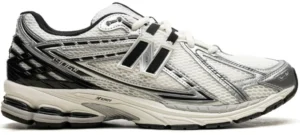
New Balance 1906R | Cushioning + arch support | Everyday walking |
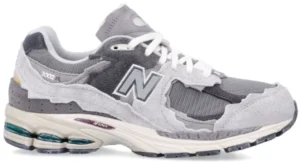
New Balance 2002R | Arch support + shock absorption | All-day casual wear |
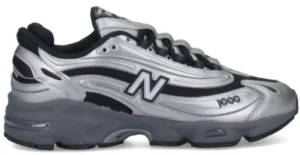
New Balance 1000 | Heel and forefoot cushioning | Style-conscious everyday wear |
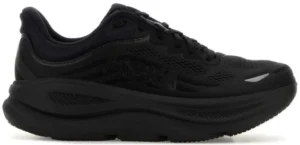
HOKA Bondi 9 | Maximum cushioning | Long walks and extended wear |
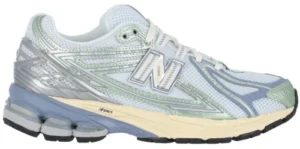
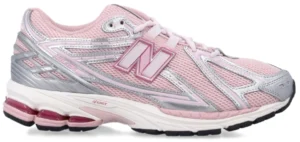
1. New Balance 1906R Running Sneaker
The New Balance 1906R combines retro styling with several support-focused technologies. Its cushioned construction is particularly useful for people looking for an everyday sneaker that can reduce the harsh feeling of repeated impact underfoot.
The shoe features ACTEVA LITE cushioning, ABZORB SBS heel cushioning and N-ergy shock absorption, while New Balance’s Stability Web technology adds support beneath the arch.
Why consider it for plantar fasciitis?
- ABZORB SBS heel cushioning
- N-ergy shock absorption
- Stability Web arch support
- Breathable mesh upper
- Secure lace-up fit
Best for: Everyday walking, travel and casual wear.
2. New Balance 2002R Suede and Mesh Sneakers
For shoppers prioritising arch support and heel cushioning, the New Balance 2002R is one of the strongest options on this list.
Its ABZORB SBS heel cushioning is designed to add stability and comfort, while N-ergy technology absorbs impact. Most importantly for plantar fasciitis sufferers, its Stability Web outsole provides additional arch support.
Why consider it for plantar fasciitis?
- Stability Web arch support
- ABZORB SBS heel cushioning
- N-ergy shock absorption
- Supportive ACTEVA LITE midsole
- Breathable suede-and-mesh construction
Best for: Everyday wear when cushioning and arch support are both priorities.
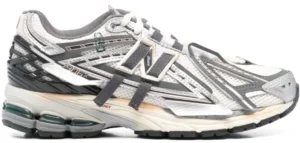
3. New Balance 1000 Retro Running Sneaker
The New Balance 1000 may look like a fashion-led retro sneaker, but its underfoot construction offers more than style.
New Balance uses ABZORB cushioning at both the heel and forefoot, combined with a Stability Web midfoot structure. This gives the shoe a useful balance of cushioning and support for people who spend plenty of time walking or standing.
Why consider it for plantar fasciitis?
- ABZORB heel and forefoot cushioning
- Stability Web midfoot support
- Structured sole construction
- Secure lace-up design
- Comfortable for everyday use
Best for: Those wanting supportive footwear without sacrificing a fashion-forward look.
4. HOKA ONE ONE Bondi 9 Mesh Sneaker
If maximum cushioning is your main priority, the HOKA Bondi 9 deserves particular attention.
HOKA positions the Bondi 9 at the plush end of its cushioning scale. It combines a super-critical EVA midsole with a Smooth MetaRocker, rearfoot-focused Active Foot Frame and moulded EVA sockliner. The result is a highly cushioned platform designed for comfortable everyday movement.
Why consider it for plantar fasciitis?
- Plush underfoot cushioning
- Cushioned EVA construction
- Rearfoot-focused Active Foot Frame
- Smooth MetaRocker design
- Breathable engineered mesh
- Durable rubber outsole
Best for: Long walking days, travel and anyone prioritising maximum cushioning.
For maximum cushioning, the HOKA Bondi 9 stands out. If arch support combined with shock absorption is the priority, the New Balance 2002R and 1906R have particularly appealing specifications.
The New Balance 1000 offers another interesting middle ground, combining ABZORB cushioning and midfoot support with a more fashion-focused retro silhouette.
Ultimately, the best shoes for plantar fasciitis depend on your foot shape, arch height, walking pattern and the severity of your symptoms. Fit is just as important as cushioning, so a shoe that works extremely well for one person may not suit another.
Disclosure: These shoes are recommended based on their cushioning, shock-absorbing and support features; they are not medical treatments for plantar fasciitis. Persistent or severe heel pain should be assessed by a podiatrist or other qualified healthcare professional.
What Plantar Fasciitis Really Needs From a Shoe
Plantar fasciitis occurs when the band of tissue running along the bottom of the foot becomes irritated or inflamed. Research consistently shows that footwear lacking arch support, cushioning, and proper fit can increase heel loading and strain on the plantar fascia. Conversely, supportive shoes with cushioned midsoles and structured arches help distribute pressure more evenly and reduce discomfort.
The goal isn’t just comfort; it’s intelligent support.
The essential features
- Arch support: Helps maintain foot alignment and reduce strain.
- Cushioning: Softens heel impact and absorbs shock.
- Firm heel counter: Stabilizes the back of the foot.
- Slight heel drop: A small elevation can ease tension on the plantar fascia.
- Roomy toe box: Prevents crowding and supports natural movement.
Shoes that combine these elements can significantly improve day-to-day comfort and help manage symptoms.
Everyday Walking Shoes: The Daily Foundation
If you live in your shoes from commutes to errands to long standing hours, walking shoes are your first priority. Studies on plantar fasciitis footwear show that cushioned shoes with supportive insoles can reduce heel pressure and improve comfort during prolonged standing and walking.
Look for:
- Shock-absorbing midsoles
- Stable outsoles
- Built-in arch support or removable orthotic-friendly insoles
Modern walking shoes are far more refined than their orthopedic predecessors. Today’s designs blend sleek silhouettes with biomechanical support, making them suitable for both casual and polished outfits.
Choosing supportive footwear becomes much easier once you understand how different sole constructions influence stability, cushioning, and movement. Explore the complete guide in How Different Soles Change the Experience of Walking.
Running Shoes: Even If You Don’t Run
Running shoes are often recommended for plantar fasciitis because they combine cushioning, structure, and support. Even for non-runners, they can be ideal for daily wear.
A well-designed running shoe typically includes:
- Rocker-style soles to reduce strain on the heel
- Dense foam cushioning for shock absorption
- Stability features for overpronation
Research into midsole design shows that cushioned, well-constructed midsoles can reduce plantar impact forces and improve comfort during movement. That’s why many podiatrists recommend supportive running shoes as an everyday solution.
Healthy feet are the foundation of every great run, making your first pair of running shoes one of the most important decisions you’ll make. Find out why in The Best Running Shoes for Beginners.
Sandals and Indoor Shoes: Don’t Forget Off-Duty Support
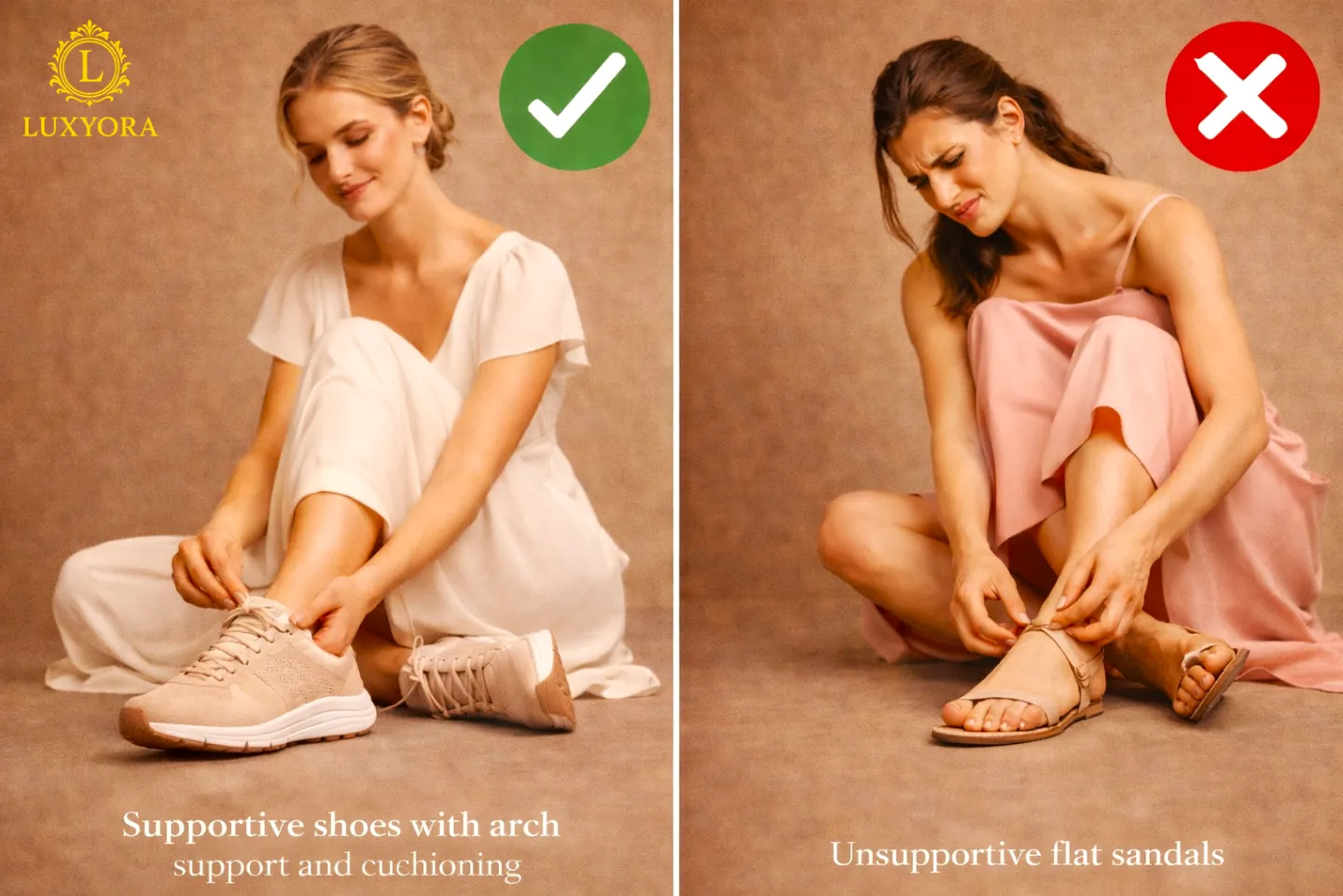
Many people undo all their progress the moment they step out of supportive shoes at home. Flat, unsupportive sandals or barefoot walking on hard floors can worsen symptoms.
Supportive sandals and indoor shoes should include:
- Contoured footbeds
- Arch support
- Cushioned soles
Even a small heel rise can help unload tension from the plantar fascia. The goal is consistent supportive footwear that should follow you from morning to night.
Work and Formal Shoes: Support Meets Style
For office settings or formal occasions, the challenge is balancing aesthetics with comfort. The good news is that modern footwear design has evolved dramatically.
Look for:
- Hidden arch support
- Cushioned insoles
- Stable heels
- Room for orthotics
A structured shoe with a slight heel and supportive insole can maintain a polished look while protecting your feet. Avoid completely flat shoes with minimal cushioning, as they tend to distribute weight unevenly and increase strain.
Boots and Seasonal Options
Cold-weather footwear should offer the same level of support as your everyday shoes. Supportive boots with cushioned insoles and firm heel counters can provide both protection and relief.
Consider:
- Shock-absorbing soles
- Stable construction
- Supportive footbeds
A well-made boot can be both stylish and supportive, proving that comfort and luxury are not mutually exclusive.
Orthotics and Insoles: The Quiet Upgrade
Insoles and orthotics can significantly improve comfort in many shoes. Research indicates that insoles often enhance overall footwear comfort and can help distribute pressure more evenly.
Custom orthotics may be beneficial for persistent pain, but even high-quality over-the-counter insoles can provide meaningful support.
What to Avoid
Certain shoe styles can exacerbate plantar fasciitis symptoms:
- Completely flat shoes
- Worn-out sneakers
- Unsupportive flip-flops
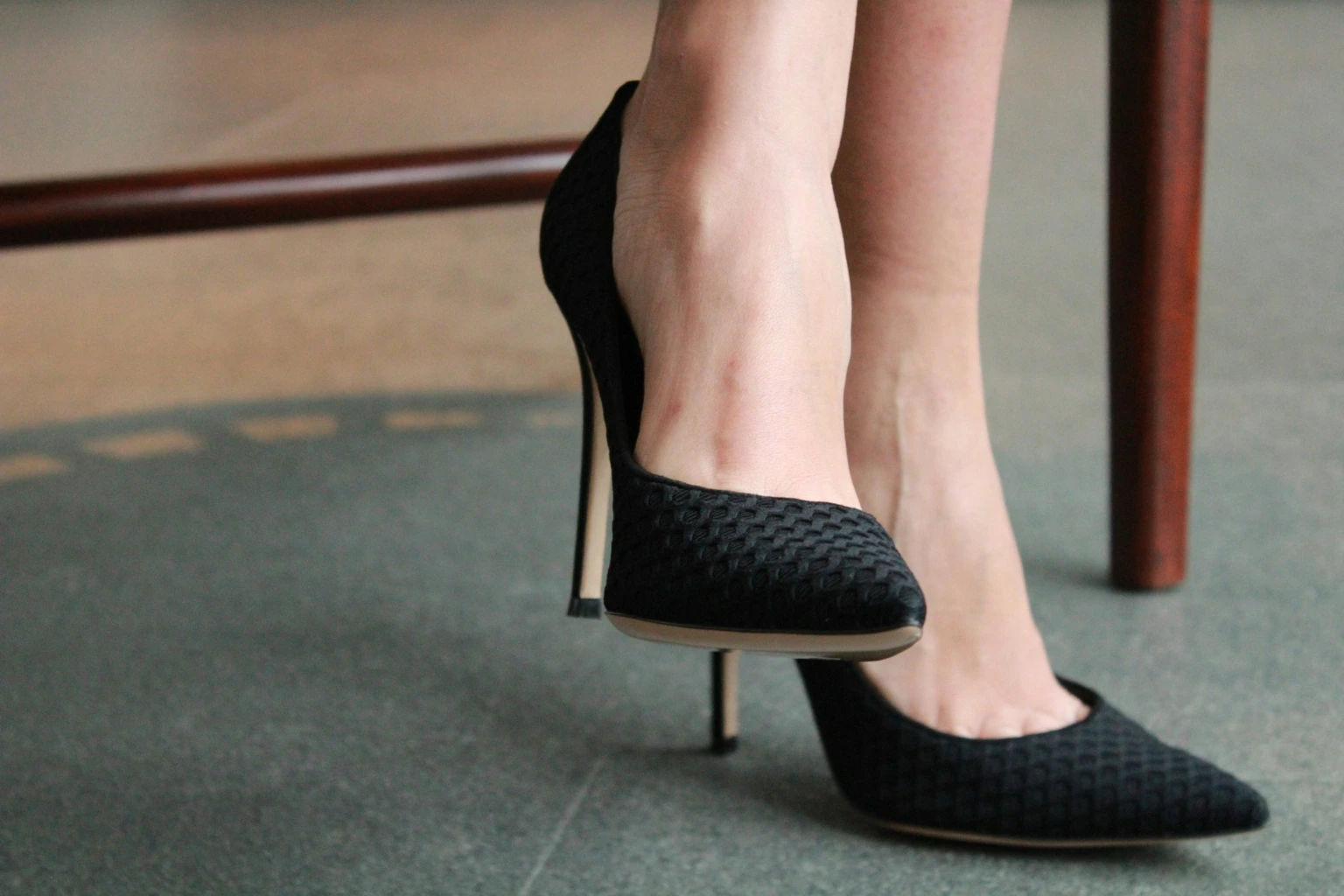
- Very high heels
Poorly constructed footwear lacking arch support and cushioning has been associated with increased heel pain and plantar fascia strain. Choosing supportive designs is one of the most effective ways to manage symptoms.
Rotation and Care
Shoes lose cushioning over time. Rotating pairs and replacing worn-out footwear helps maintain support. Regularly checking insoles and heel cushioning ensures your shoes continue to do their job.
Think of supportive shoes as an investment in both comfort and longevity.
If you’ve finally found shoes your feet love, protecting that investment is a styling habit worth mastering. Explore the complete guide in Shoe Care Secrets: How to Make Your Favorites Last Longer.
Luxyora Philosophy: Comfort is not the opposite of elegance; it’s the foundation of it. When your shoes support your stride, every step becomes a statement of effortless luxury.
References:
- Alwhaibi, R. M., et al. (2025). Footwear choices and their association with plantar fasciitis symptoms. Scientific Reports.
- Kang, L., et al. (2025). Influence of footwear cushioning on foot comfort during prolonged standing. Occupational Safety and Health Research Institute.
- Menz, H. B., et al. (2021). Footwear comfort and the role of insoles: A narrative review. Journal of Foot and Ankle Research.
- Umar, H., et al. (2022). Impact of routine footwear on foot health and plantar heel pressure. Journal of Foot and Ankle Studies.
- Cleveland Clinic. (2024). Footwear recommendations for plantar fasciitis.
- SATRA Technology. (2022). Footwear design and performance guide.