Flacons : What is Flacons
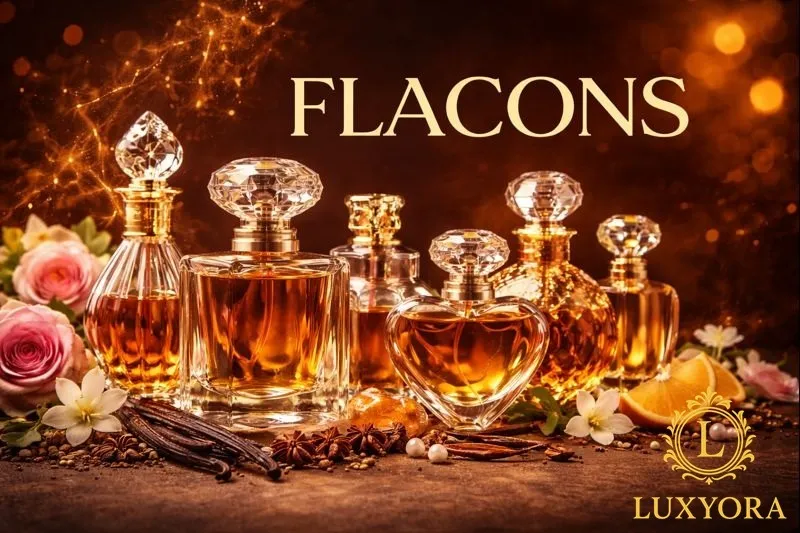
Flacons are more than just containers; they truly represent the heart of the fragrance industry, capturing its essence, storytelling spirit, and luxurious charm. Whether you’re passionate about perfumes, a dedicated collector, or simply curious about what makes fragrance packaging special, learning about flacons reveals an exciting world where art, science, and branding come together beautifully.
This comprehensive guide explains what flacons are, discusses their history and significance in contemporary perfumery, and examines how they affect consumer choices. Throughout, you’ll encounter practical insights, real-world examples, and helpful tips to enhance your understanding of this refined industry term.
In the world of haute perfumery, a flacon is often considered a ‘silent salesperson’; it speaks to the customer without saying a word.
What Are Flacons?
The term “flacon” comes from French and denotes a small, ornate bottle usually used for perfume. In perfumery, a flacon is more than a simple container; it is a thoughtfully crafted vessel that embodies the scent’s identity, quality, and character.
Key Characteristics of Flacons
- Made from high-quality materials such as glass or crystal
- Designed with aesthetic appeal in mind
- Often reusable or collectible
- Engineered to preserve fragrance integrity
Unlike ordinary packaging, flacons are considered part of the product itself. In luxury perfumery, the flacon can sometimes be as important as the fragrance.
The History of Flacons in Perfumery
Flacons possess a long and storied history, dating back thousands of years. Ancient civilizations, including the Egyptians, crafted ornate containers from alabaster and glass to hold perfumes and oils.
Evolution Through Time
- Ancient Era: Handcrafted containers made from stone and clay
- Renaissance Period: Introduction of glass-blowing techniques
- 19th Century: Rise of decorative crystal flacons
- Modern Era: Integration of branding and industrial design
By the early 20th century, flacons had become synonymous with luxury branding. Designers began collaborating with perfumers to create iconic bottles that would endure.
Some luxury flacons are handcrafted using techniques that date back over 200 years, blending heritage craftsmanship with modern branding.
Beauty with a Purpose
Beyond aesthetics, a flacon serves a crucial technical role. Perfume is delicate, and the bottle must protect it from:
- Light, which can degrade fragrance molecules
- Heat, which alters composition
- Air, which causes oxidation
Modern flacons often feature UV-protected glass, precision-engineered atomisers, and airtight seals to preserve the fragrance’s integrity from the first spray to the final one.
The design of a flacon can contribute up to 60% of a consumer’s first impression of a fragrance, even before the scent is experienced.
Why Flacons Matter in the Fragrance Industry
Flacons play a crucial role in how perfumes are perceived and marketed. They are not just functional; they are emotional triggers that influence purchasing decisions.
Branding and Identity
A well-designed flacon communicates:
- Brand values
- Target audience
- Price positioning
- Emotional tone of the fragrance
For example, minimalist flacons often signal modern sophistication, while ornate designs suggest opulence and tradition.
Consumer Psychology
Studies in consumer behavior show that packaging significantly impacts buying decisions. A visually appealing flacon can:
- Attract attention on the shelves
- Create a sense of luxury
- Enhance perceived value
In many cases, customers fall in love with the bottle before they even smell the perfume.
Certain collectible flacons have sold for thousands of dollars at auctions, proving that the bottle can sometimes outvalue the perfume inside.
Materials Used in Flacon Design
The choice of material is critical in flacon production, as it affects durability, aesthetics, and fragrance preservation.
Common Materials
- Glass: Most widely used due to clarity and chemical stability
- Crystal: Premium option for luxury and collectible flacons
- Metal Accents: Used for caps and decorative elements
- Plastic Components: Typically used for spray mechanisms
Sustainability Trends
Modern consumers are increasingly eco-conscious. As a result, brands are shifting toward:
- Recyclable materials
- Refillable flacons
- Reduced packaging waste
Crystal flacons are not just about beauty; they also help protect fragrances from temperature fluctuations better than standard glass.
Types of Flacons
Flacons come in various designs depending on their purpose and market segment.
Classic Flacons
Traditional designs with timeless elegance, often used by heritage brands.
Contemporary Flacons
Modern, minimalist designs aimed at younger audiences.
Collector’s Flacons
Limited-edition bottles designed for collectors often feature unique shapes and materials.
Travel Flacons
Compact and portable versions designed for convenience.
The iconic shift toward minimalist flacon design in the 21st century reflects changing consumer preferences for clean, modern luxury.
Craftsmanship Meets Innovation
Today’s flacons sit at the intersection of creativity and chemistry.
- Luxury houses continue to honour traditional craftsmanship, engraving, lacquering, mouth-blown glass, and custom caps that feel like jewellery.
- Contemporary and niche brands emphasise ergonomics and sustainability, designing bottles that are easy to hold, spray evenly, and refill responsibly.
Eco-conscious materials, refillable systems, and reduced packaging are increasingly becoming part of the flacon’s story, proof that beauty and responsibility can coexist.
The Art and Science of Flacon Design
Creating a flacon involves a combination of artistic creativity and technical precision.
Design Process
- Concept development
- Sketching and prototyping
- Material selection
- Manufacturing and testing
Functional Considerations
- Airtight sealing to prevent evaporation
- UV protection to preserve fragrance quality
- Ergonomic design for ease of use
Refillable flacons are gaining popularity as sustainability becomes a priority, reducing packaging waste in the fragrance industry.
Practical Tips for Choosing the Right Flacon
Whether you’re a brand owner or a consumer, selecting the right flacon requires careful consideration.
For Consumers
- Choose dark or opaque bottles for long-lasting fragrance
- Look for refillable options for sustainability
- Consider size and portability for daily use
For Businesses
- Align flacon design with brand identity
- Invest in high-quality materials
- Test usability and durability
Some perfume houses collaborate with famous artists and designers to create flacons that double as pieces of art.
Real-World Examples and Scenarios
Scenario 1: Luxury Brand Launch
A high-end perfume brand launches a fragrance in a crystal flacon with gold accents. The premium packaging justifies a higher price point and attracts affluent customers.
Scenario 2: Eco-Friendly Startup
A sustainable perfume company introduces refillable flacons made from recycled glass. This appeals to environmentally conscious consumers and builds brand loyalty.
Scenario 3: Travel-Friendly Innovation
A brand develops compact flacons with leak-proof technology for travelers. This increases convenience and expands the product’s usability.
Flacons and Collectibility
Some flacons become collector’s items due to their design, rarity, or historical significance.
What Makes a Flacon Collectible?
- Limited production
- Unique design
- Association with iconic fragrances
- Use of premium materials
Collectors often value the bottle as much as or even more than the perfume itself.
Historically, flacons were used to store not just perfumes but also medicinal oils and sacred essences in ancient civilizations.
Future Trends in Flacons
The flacon industry continues to evolve with technological advancements and shifting consumer preferences.
Emerging Trends
- Smart packaging with digital features
- Customizable flacons
- Increased focus on sustainability
- Minimalist and gender-neutral designs
These trends are shaping the future of fragrance packaging and redefining the role of flacons.
A Silent Ambassador
At its heart, a flacon is a silent ambassador for the fragrance it holds. It communicates intention without words and carries the brand’s identity into your daily rituals.
Whether resting on a vanity, tucked into a handbag, or displayed like an object of art, a flacon doesn’t simply house perfume; it frames the entire experience. It invites you into the story before the scent even touches your skin.
A well-designed flacon can trigger emotional responses, influencing memory and brand loyalty long after the fragrance is gone.
Conclusion
Flacons are a vital element of the fragrance industry, blending functionality with artistry. From their historical roots to modern innovations, they continue to captivate consumers and enhance the overall perfume experience.
Understanding flacons gives you a deeper appreciation of how packaging influences perception, branding, and even emotional connection. Whether you’re buying your next fragrance or exploring the business side of perfumery, the flacon is a detail that truly matters.
References
Calkin, R. R., & Jellinek, J. S. (2018). Perfumery: Practice and Principles. Wiley.
Corbellini, E., & Saviolo, S. (2019). Managing Fashion and Luxury Companies. Springer.
Heller, S., & Vienne, V. (2018). 100 Ideas that Changed Graphic Design. Laurence King Publishing.
Lindstrom, M. (2020). Brand Sense: Sensory Secrets Behind the Stuff We Buy. Free Press.
Packaging Europe. (2021). Trends in sustainable perfume packaging.
Statista. (2023). Consumer behavior in cosmetics packaging.