Heritage Craftsmanship : What is Heritage Craftsmanship
Heritage craftsmanship isn’t just a trendy term in fashion; it’s a heartfelt philosophy that embraces tradition, genuine quality, and timeless skills. When it comes to handbags and luxury apparel, this idea beautifully blends artistry, history, and the careful craftsmanship handed down through generations. As more of us become mindful of sustainability, authenticity, and value in our choices, heritage craftsmanship naturally shines as a key factor in what we decide to buy.
In this detailed guide, we’ll explore what heritage craftsmanship truly means in the handbag industry, why it matters, how it influences luxury fashion trends, and how you can identify and invest in authentically crafted products.
Heritage craftsmanship is the art of creating with legacy, precision, and soul.
What Is Heritage Craftsmanship?
Heritage craftsmanship is all about traditional ways of creating beautiful products that have been cherished and passed down through many generations. These special techniques are often deeply intertwined with cultural history and focus on:
- Handcrafted precision
- Use of high-quality, natural materials
- Skilled artisanship
- Slow, deliberate production processes
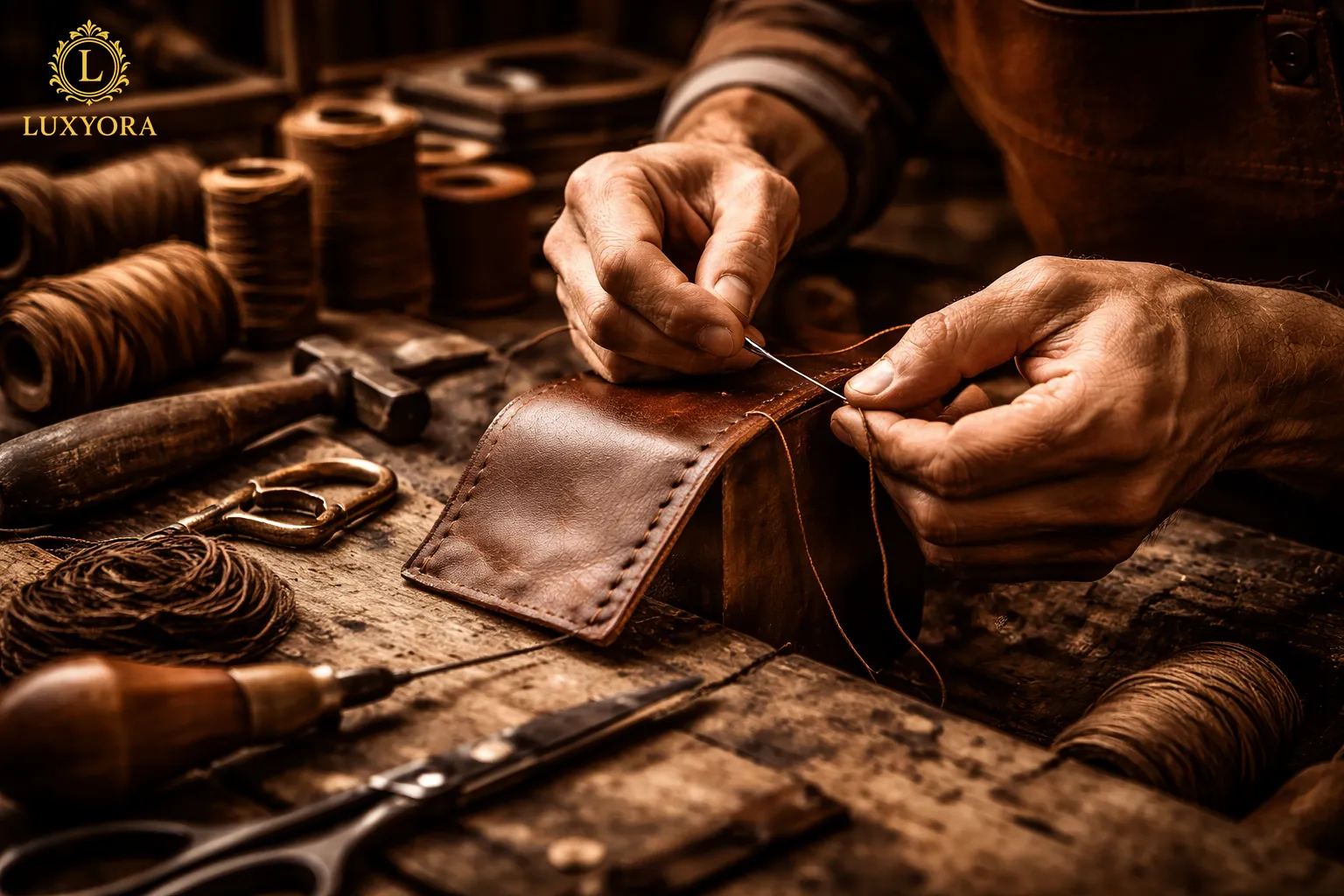
When it comes to handbags, heritage craftsmanship highlights the care and skill poured into each piece, using traditional methods like hand-stitching, vegetable tanning, and detailed leather finishing to create something truly special.
Why Heritage Craftsmanship Matters in Modern Fashion
1. Authenticity in a Mass-Produced World
In an era dominated by fast fashion, heritage craftsmanship offers something rare: authenticity. Each handcrafted handbag carries subtle variations that make it unique, unlike machine-produced items.
Example Scenario:
Imagine choosing between a mass-produced synthetic bag and a handcrafted leather tote made using traditional saddle stitching. The latter not only lasts longer but also develops a patina over time, telling your personal story.
2. Superior Quality and Durability
Heritage-crafted handbags are built to last decades, not seasons. The materials used, full-grain leather, natural dyes, and hand-finished hardware, are significantly more durable than synthetic alternatives.
Practical Tip:
When buying a heritage handbag, look for:
- Even stitching (especially saddle stitching)
- Solid brass or metal hardware
- Thick, high-quality leather with visible grain
3. Sustainability and Ethical Production
Heritage craftsmanship aligns closely with sustainable fashion principles. These products are often:
- Made in small batches
- Produced with minimal waste
- Crafted using eco-friendly tanning processes
Example:
Vegetable-tanned leather, commonly used in heritage craftsmanship, avoids harmful chemicals and ages beautifully over time.
4. Cultural Preservation
Many craftsmanship techniques originate from specific regions, such as Italian leatherworking, French ateliers, or Indian hand embroidery. Supporting heritage craftsmanship helps preserve these traditions and sustain artisan communities.
Key Techniques in Heritage Handbag Craftsmanship
1. Saddle Stitching
Unlike machine stitching, saddle stitching is done by hand using two needles. This method ensures:
- Greater durability
- Resistance to unraveling
- Stronger seams
2. Vegetable Tanning
This traditional leather tanning method uses natural tannins from plants. It results in:
- Rich, earthy tones
- Unique aging characteristics
- Environmentally friendly production
3. Hand-Cutting and Pattern Making
Each piece of leather is cut to precise patterns. This allows artisans to:
- Avoid imperfections
- Maximize material quality
- Ensure consistency in design
4. Edge Finishing and Burnishing
Edges are carefully polished and sealed by hand, giving the bag a refined look and protecting it from wear and tear.
honoring the legacy of artisans who craft products – handbags, jewelry, watches, or textiles – using methods refined over decades or centuries, blending tradition with timeless elegance.
Heritage Craftsmanship vs. Luxury Branding
It’s important to understand that not all luxury brands prioritize heritage craftsmanship. Some focus more on branding and marketing than on traditional techniques.
Key Differences:
Feature | Heritage Craftsmanship | Commercial Luxury |
Production | Handcrafted | Often machine-assisted |
Materials | Natural, premium | Mixed quality |
Longevity | Decades | Seasonal |
Price Justification | Craft + materials | Brand name |
How to Identify a Heritage Craft Handbag
1. Check the Stitching
Hand-stitched bags have slightly angled stitches and a consistent rhythm. Machine stitches are perfectly uniform but less durable.
2. Examine the Leather
High-quality leather should:
- Feel firm yet supple
- Have a natural smell (not chemical)
- Show slight imperfections (a good sign of authenticity)
3. Look for Artisan Signatures
Many heritage brands include:
- Maker’s marks
- Serial numbers
- Certificates of authenticity
4. Research the Brand Story
Brands rooted in heritage craftsmanship often emphasize:
- Their history
- Artisan training processes
- Traditional techniques
The Role of Heritage Craftsmanship in Luxury Handbags
Heritage craftsmanship adds intrinsic value to handbags beyond aesthetics. It contributes to:
- Emotional connection: Owning a handcrafted piece feels personal
- Investment value: High-quality bags often appreciate or retain value
- Timeless design: Classic styles outlast fleeting trends
Real-Life Use Cases
Case 1: The Professional Investment
A corporate professional invests in a handcrafted leather briefcase. Over the years, the bag:
- Develops a rich patina
- Remains structurally intact
- Enhances their professional image
Case 2: The Minimalist Wardrobe
A minimalist chooses one high-quality heritage handbag instead of multiple fast-fashion options. Result:
- Lower long-term cost
- Reduced environmental impact
- Consistent style
Case 3: Heirloom Value
A heritage handbag is passed down through generations, becoming a sentimental and functional heirloom.
Challenges in the Heritage Craft Industry
Despite its advantages, heritage craftsmanship faces several challenges:
1. High Costs
Handcrafted products require skilled labor and time, making them more expensive.
2. Limited Scalability
Artisan production cannot be easily scaled like factory manufacturing.
3. Skill Decline
Fewer young artisans are entering traditional crafts, risking the loss of these skills.
Future of Heritage Craftsmanship in Fashion
The future looks promising due to growing consumer awareness and demand for sustainable luxury.
Emerging Trends:
- Digital storytelling of artisan processes
- Transparency in sourcing and production
- Hybrid models combining tradition with modern innovation
Practical Buying Guide for Consumers
Step-by-Step Approach:
- Define your purpose – Work, travel, daily use
- Set a realistic budget – Quality over quantity
- Research brands – Focus on craftsmanship, not just logos
- Inspect materials – Leather, hardware, stitching
- Consider longevity – Will it last 10+ years?
Pro Tips:
- Avoid overly trendy designs
- Choose neutral colors for versatility
- Invest in maintenance (leather care products)
Final Thoughts
Heritage craftsmanship is not just about owning a handbag; it’s about embracing a philosophy of quality, tradition, and sustainability. In a world of disposable fashion, these handcrafted pieces stand as symbols of enduring value and human artistry.
Whether you’re a fashion enthusiast, a conscious consumer, or someone looking to invest in timeless accessories, understanding heritage craftsmanship empowers you to make informed and meaningful choices.
References
Black, S. (2020). The sustainable fashion handbook. Thames & Hudson.
Fletcher, K. (2018). Sustainable fashion and textiles: Design journeys. Routledge.
Gwilt, A. (2020). A practical guide to sustainable fashion. Bloomsbury Publishing.
Harris, J. (2019). Craft techniques in leatherwork. Crowood Press.
Joy, A., Sherry, J. F., Venkatesh, A., Wang, J., & Chan, R. (2018). Fast fashion, sustainability, and the ethical appeal of luxury brands. Fashion Theory, 22(3), 273–296.
Kawamura, Y. (2018). Fashion-ology: An introduction to fashion studies. Bloomsbury Academic.
Thomas, D. (2019). Deluxe: How luxury lost its luster. Penguin Books.