Why Clothing Feels More Personal Than We Admit | Luxyora
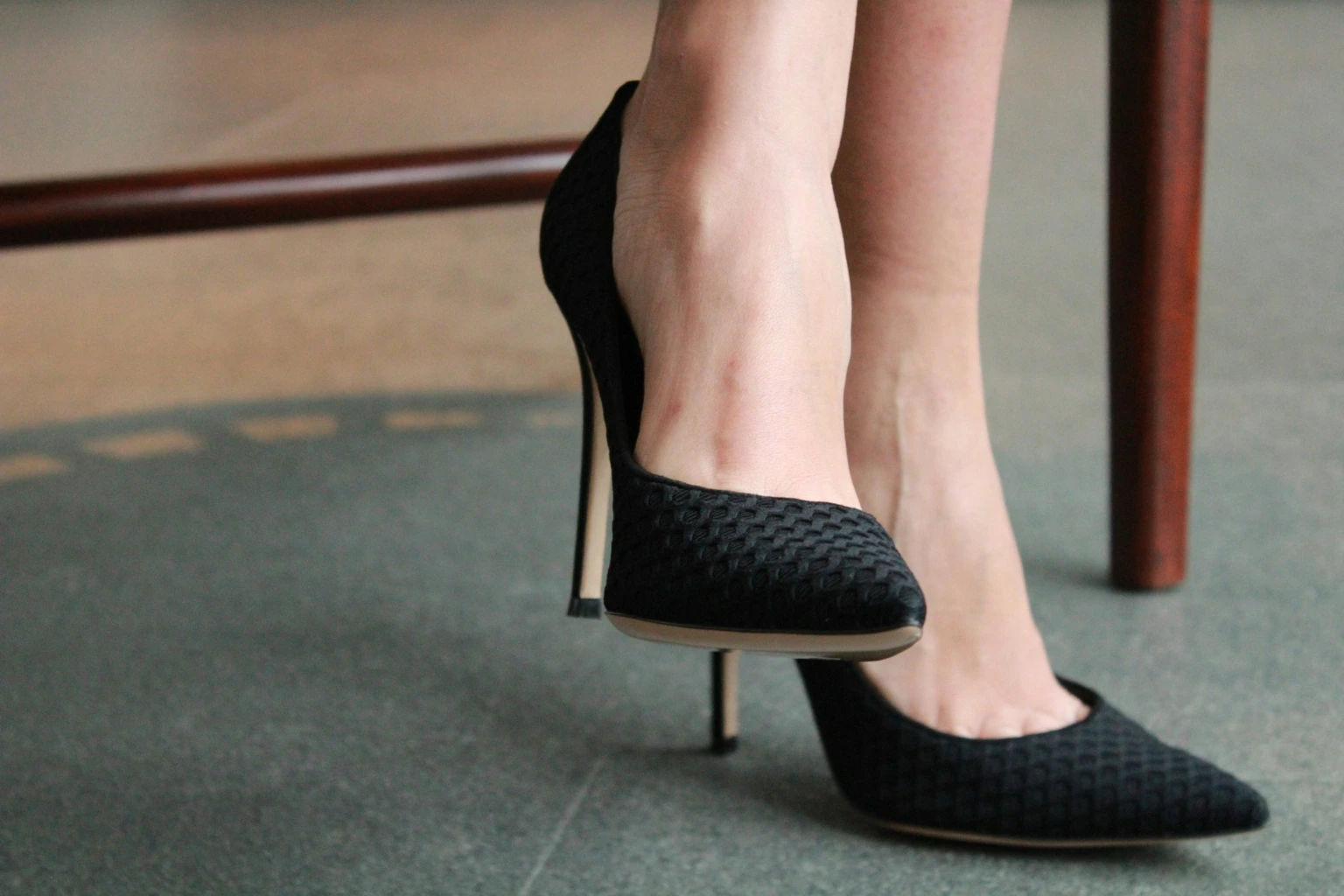
There’s a reason you can forget someone’s name but remember the exact leather jacket they wore down to the scuff on the elbow and the way it moved when they laughed. Clothing isn’t just “what we put on.” It’s what we step into: a portable atmosphere, a social signal, a mood stabiliser, a soft suit of armour. And even when we swear we’re “not that into fashion,” most of us treat certain pieces like they’re emotionally annotated stitched with memory, identity, and a very specific version of ourselves we’re trying to protect or project.
So why does getting dressed feel so intimate? Because clothing lives at the intersection of body, story, and society. It sits on the most personal real estate you own, your skin and then broadcasts a message outward, whether you intended it or not.
1) Clothes are the fastest way we “edit” our identity in public
We all understand instinctively that appearance changes perception. Social cognition research increasingly treats dress as a core input in how people read one another, shaping assumptions about status, personality, social categories, and even mental states. Translation: your outfit isn’t background noise. It’s part of the headline.
That’s why clothing can feel like consent or intrusion. A compliment on a dress can feel like a compliment on you. A harsh comment about your jeans can feel weirdly like a comment on your character. Because in the social world, dress is rarely neutral. It’s a language people think they’re fluent in.
Certain pieces become more than wardrobe choices, they turn into signatures, memories, and quiet reflections of who we are. Ever wondered why some outfits feel impossible to replace? Dive deeper into Why Clothing Becomes Part of Identity.
2) “Enclothed cognition” isn’t a gimmick, it’s a clue
The idea behind enclothed cognition is deceptively simple. What you wear can influence how you feel and how you perform, partly because of what the garment means to you and partly because of how it changes your self-perception. This doesn’t mean a blazer magically gives you a promotion. It means symbols matter, and the body notices what the mind is trying to become.
Even fields outside fashion have studied clothing as psychologically potent. For instance, research on the “white coat effect” and related theories explores how uniforms can convey authority and shape interactions not just how others respond, but also how wearers experience themselves. If a lab coat can change the tone of a room, imagine what your own personal uniform, your perfectly broken-in boots, your “don’t talk to me before coffee” sunglasses, and your pre-date dress do to your inner chemistry.
Style rarely speaks loudly, yet every texture, silhouette, and repeated wardrobe choice leaves an impression long before words do. There’s a quiet language woven into what we wear and it may be saying more than expected. Uncover the hidden signals in What the Clothes You Wear Quietly Say About You.
3) Clothing is memory you can wear
Some garments hold history like perfume. You keep the shirt from a concert not because it’s objectively cute, but because it’s proof that you were there, that you were that person for that night. Philosophers and fashion scholars have written about how style choices weave together the collective (belonging) and the personal (selfhood), making identity feel both self-authored and socially anchored.
This is also why closet clean-outs can get emotional fast. You’re not just donating fabric, you’re negotiating with past selves. The ambitious intern blazer. The heartbreak sweater. The “new city, new life” coat. Clothing becomes a diary with no pages, only textures.
4) Your wardrobe is a boundary system
Clothes not only express you, but you also wear them. They regulate exposure. They help you decide how visible you feel. Oversized silhouettes can be a soft hiding place. A bodycon dress can be the spotlight you choose, deliberately. Even loungewear has a psychological job: it tells your nervous system, “We’re off-duty now.”
In that sense, clothing is deeply personal because it’s a form of behavioural architecture. It shapes how you move, sit, gesture, and take up space. The difference between a stiff collar and a worn cotton tee isn’t just comfort; it’s posture, attitude, and the social distance you keep.
Behind every outfit that feels right is a thoughtful balance between personal style, daily routines, and pieces that actually earn their place. See what happens when fashion starts working with your life in How to Build a Wardrobe That Matches Your Lifestyle.
5) We dress for belonging and for distinction
Fashion is group psychology with better lighting. You dress to be recognised by your people, and also to be seen as uniquely yourself. Sometimes those goals kiss. Sometimes they fight. Either way, it’s intimate because it’s relational: it involves how you want to be understood.
Even sustainability research has begun exploring how possessions relate to the “extended self”, the idea that what we own (and keep close) can feel like part of who we are, which makes reducing consumption emotionally complicated. It’s not just “I bought too much.” It’s “If I let go of this, what version of me goes with it?”
Every outfit negotiates two quiet desires at once, to feel part of something and to stand apart from it. The choices we make in getting dressed often communicate more than personal taste ever could. Discover how those signals shape perception in How Apparel Shapes First Impressions in Modern Society.
6) “Personal style” is often personal care
There’s a quiet tenderness in the ritual of getting dressed. The outfit that helps you walk into a hard meeting. The scarf that feels like a hug. The lipstick you put on when you’re trying to remember you’re still in there somewhere. Clothing becomes self-talk, visual, tactile, and immediate.
Carolyn Mair’s work on fashion psychology emphasises that what we wear interacts with body image, emotion, and behaviour, fashion as a mental environment rather than just an aesthetic one. And that’s the heart of it: clothing feels personal because it’s one of the few daily tools we have to shape how we feel in our lives deliberately.
So, what do we do with this truth?
Maybe we should stop pretending clothes are shallow. The deeper reality is: clothing is one of the most accessible ways to practice identity daily, creatively, and sometimes bravely. Getting dressed is not always art, but it’s almost always meaningful.
And if you’ve ever felt “not like yourself” in the wrong outfit, you already know the secret: clothing is emotional technology. It’s how we translate the inside to the outside without saying a word.
Luxyora Philosophy: Dress as if your inner life deserves a silhouette. What you wear won’t replace who you are, but it can remind you.
References:
- Adam, H. (2019). Reflections on enclothed cognition: Commentary on Burns et al. Journal of Experimental Social Psychology.(Click Here) (ScienceDirect)
- Crutzen, C., Van der Linden, M., & colleagues. (2022). “What if it’s not just an item of clothing?” A narrative review integrating the white coat effect and enclothed cognition. Frontiers in Psychology. (PMC)
- Di Summa, L. T. (2021). Identity and style: Fashionable, collective, and personal. Philosophy and Inquiry. https://philinq.it/index.php/philinq/article/download/290/241 (philinq.it)
- Hester, N., & Hehman, E. (2023). Dress is a fundamental component of person perception. Perspectives on Psychological Science. (PMC)
- Mair, C. (2018). The psychology of fashion. Routledge. (Routledge)
- Vlieger de Oliveira, S. E., & colleagues. (2024). The role of possessions for the extended self of sustainability. Consumption and Society. (Springer)