Monochrome Workwear Sets Guide | Luxyora
In the evolving language of professional fashion, subtlety has become the ultimate form of power. The modern professional wardrobe is no longer dominated by loud patterns or overly complex styling. Instead, a refined aesthetic is emerging that emphasizes harmony, confidence, and minimal sophistication. This shift has given rise to monochrome workwear sets, a coordinated corporate dressing movement that blends elegance, efficiency, and timeless design.
Monochrome dressing in professional environments has become more than a fleeting trend. It represents a calculated style philosophy that reflects authority, clarity, and polished identity. By embracing coordinated sets in a single color family, professionals communicate composure while simplifying wardrobe decisions. The movement resonates particularly well in industries where visual presence complements professional credibility.
From structured tailoring to innovative textile craftsmanship, monochrome workwear sets redefine how contemporary professionals express style in corporate environments.
The Rise of Monochrome in Modern Corporate Fashion
Corporate fashion has undergone a significant transformation over the past decade. Traditional power suits are evolving into more versatile ensembles that balance professionalism with personal style. Monochrome workwear sets have emerged as a natural response to this shift.
Several factors explain the growing popularity of coordinated corporate dressing:
- Visual clarity in professional environments
- Ease of styling for busy professionals
- A polished and cohesive appearance
- Adaptability across industries
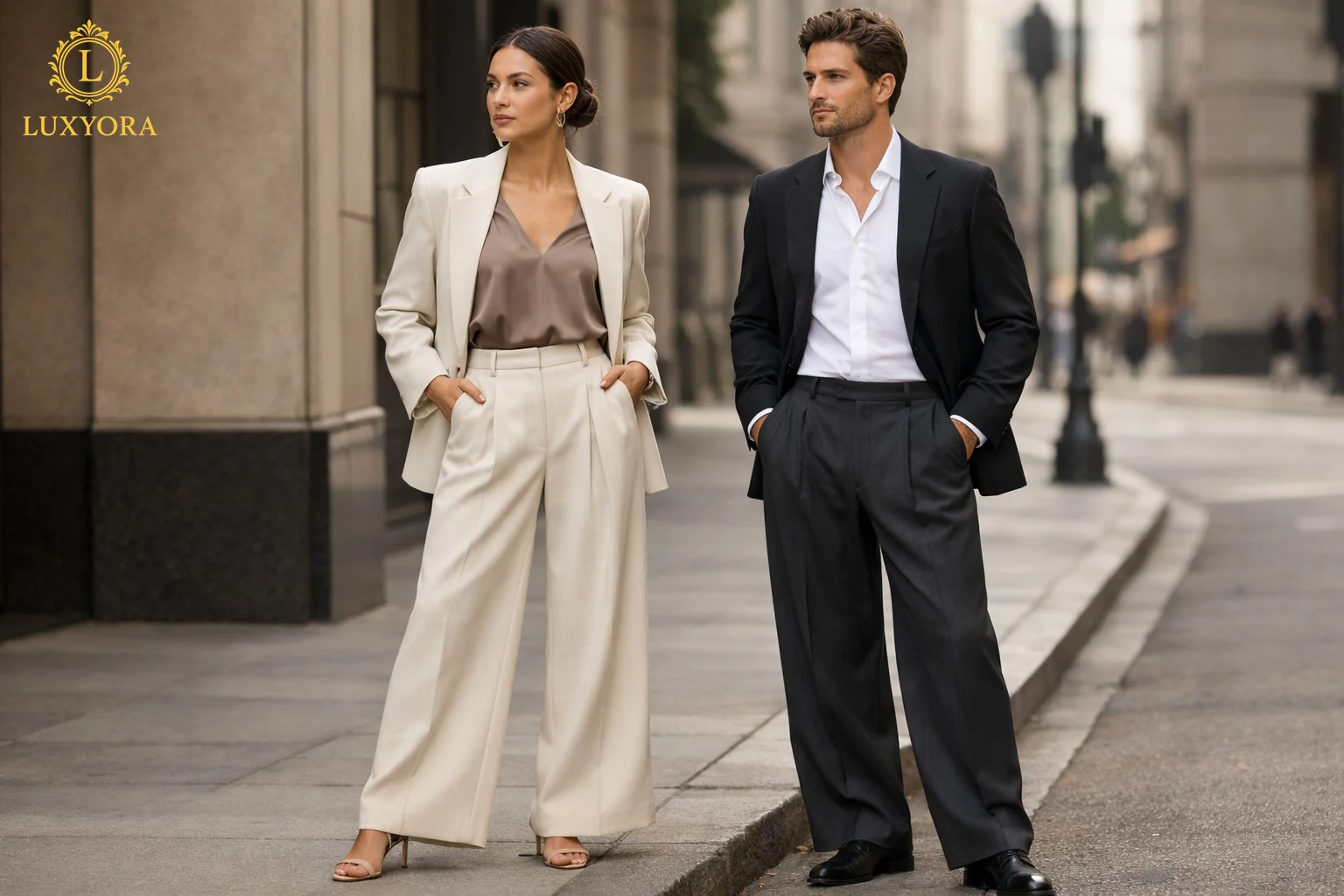
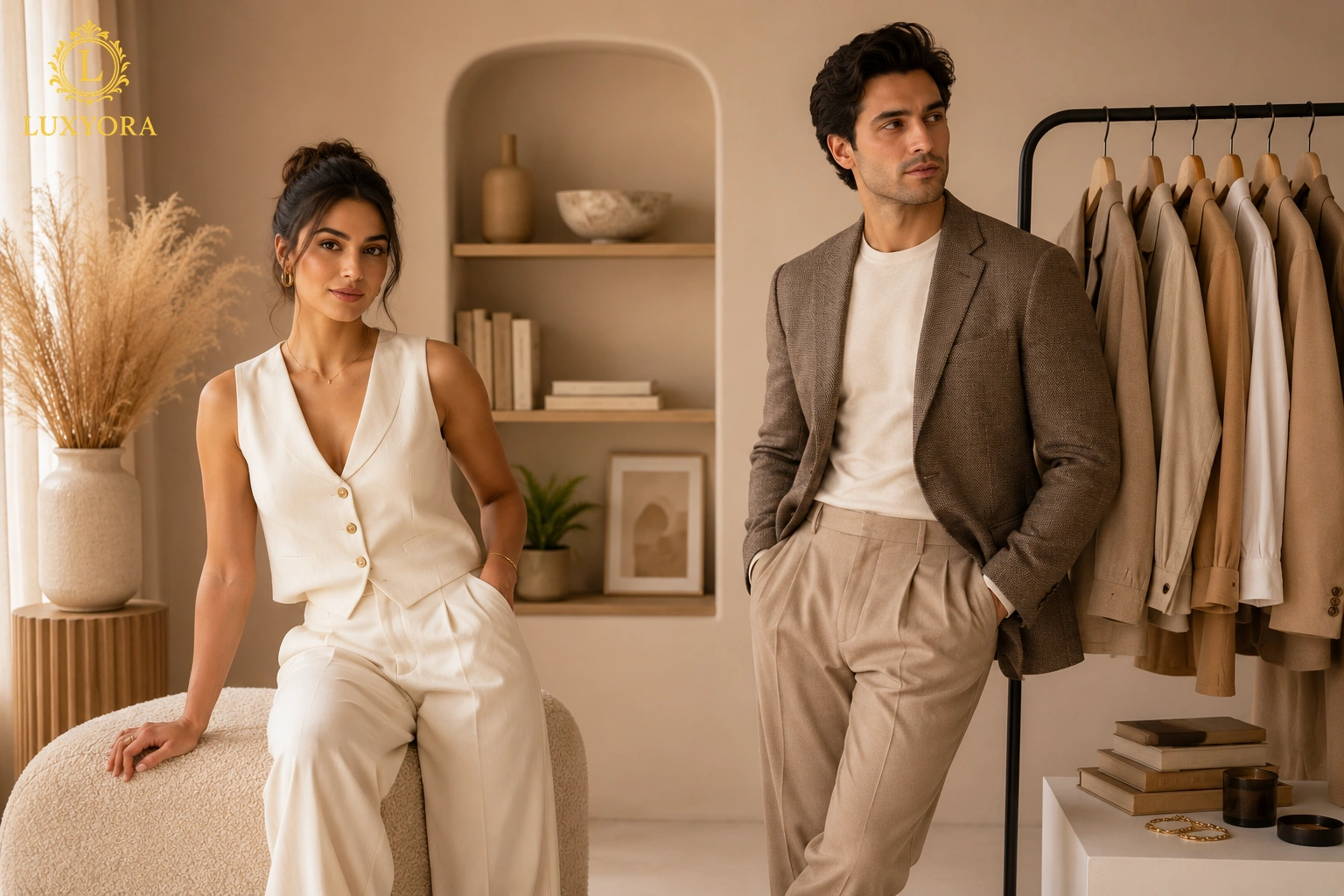
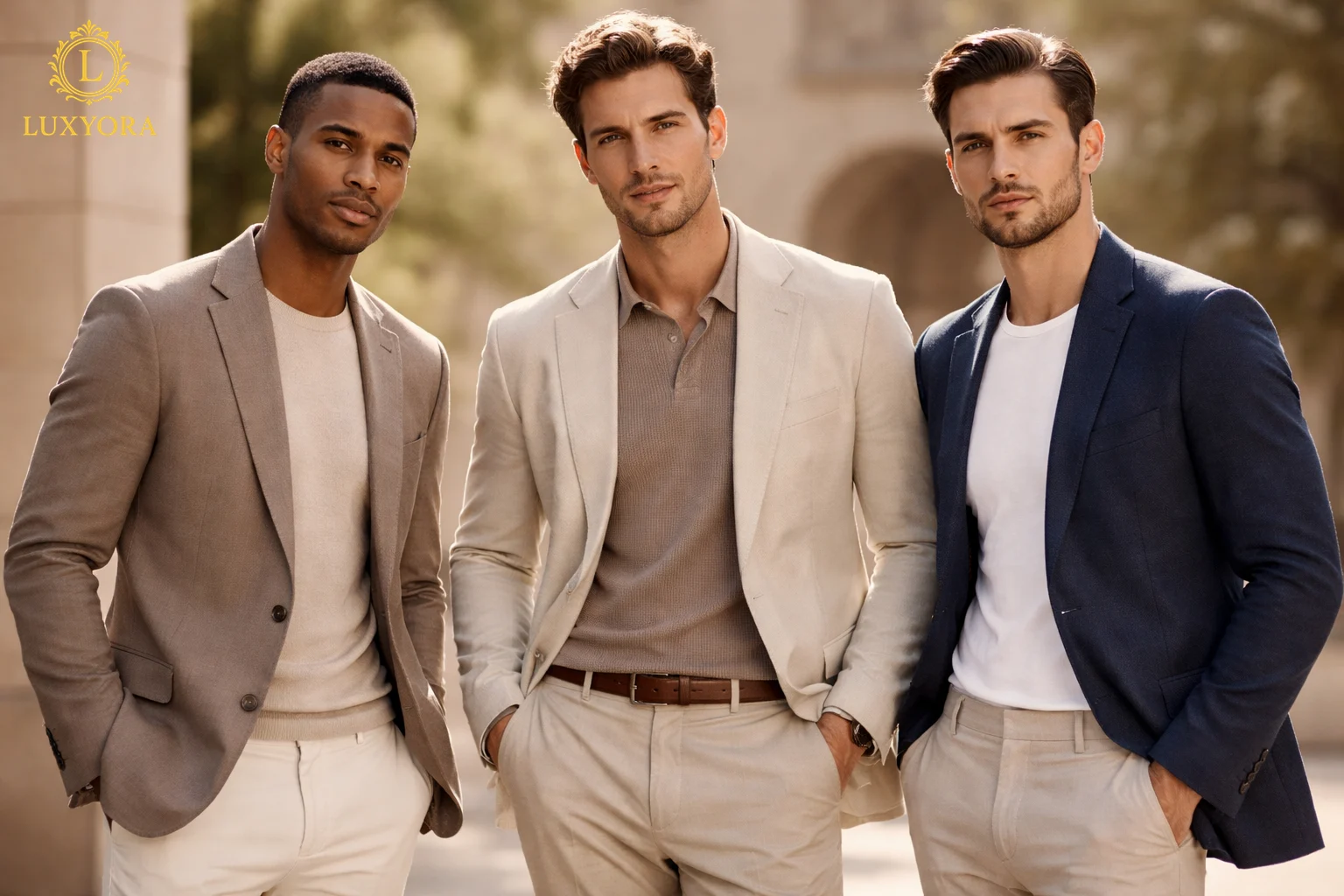
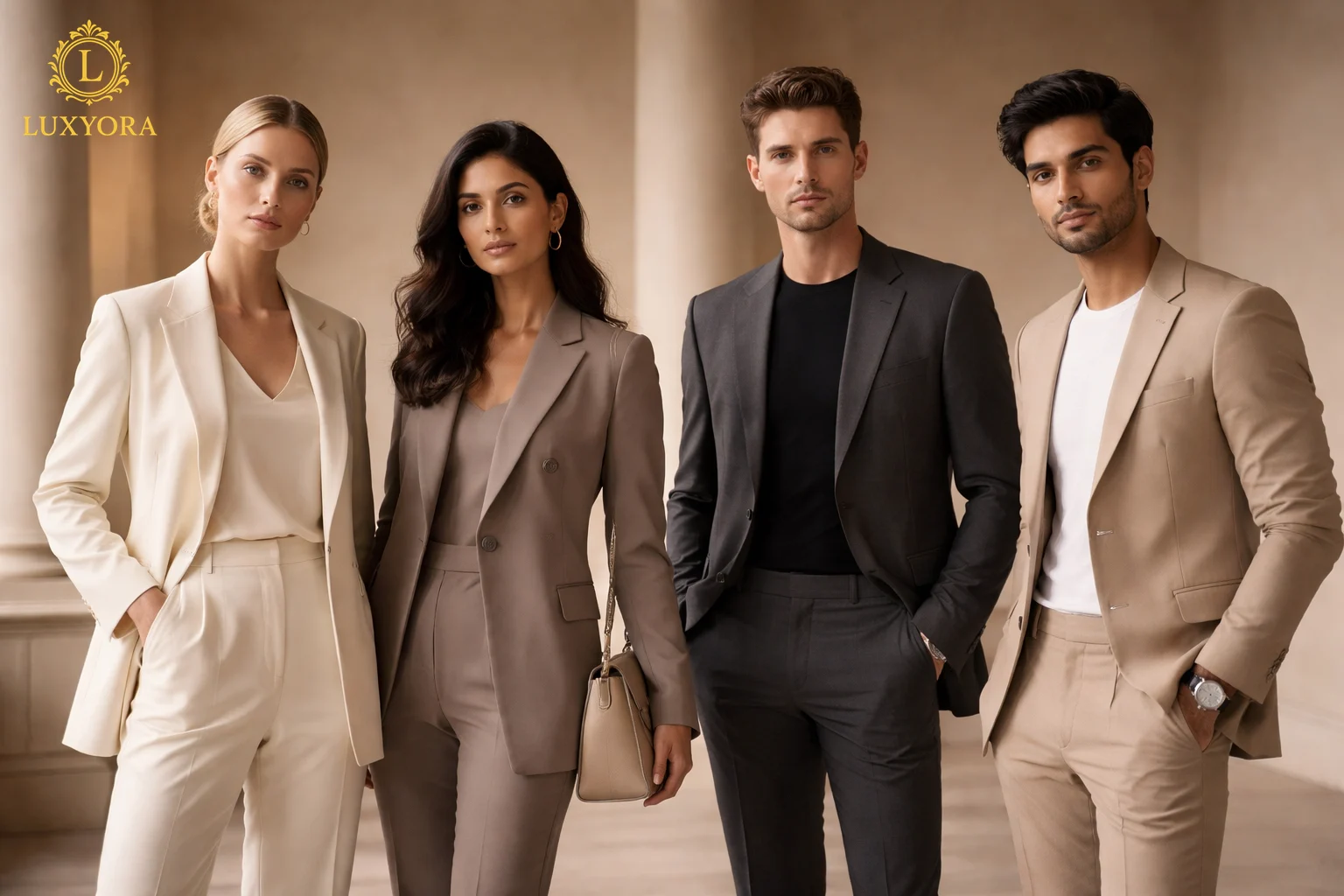
The monochrome approach eliminates the need for complex outfit coordination. Instead of juggling multiple colors and patterns, professionals build outfits using variations within a single color palette: charcoal, ivory, navy, camel, or deep olive.
This streamlined aesthetic mirrors broader design trends seen in architecture, technology, and product design, where minimalism and visual coherence dominate. In corporate dressing, monochrome styling communicates intentionality and precision.
Understanding Monochrome Workwear Sets
H3: Definition and Concept
Monochrome workwear sets refer to professional outfits composed of garments in one dominant color or tonal family, often including coordinated elements such as:
- Structured blazers
- Tailored trousers
- Pencil or midi skirts
- Waistcoats
- Coordinated blouses or knitwear
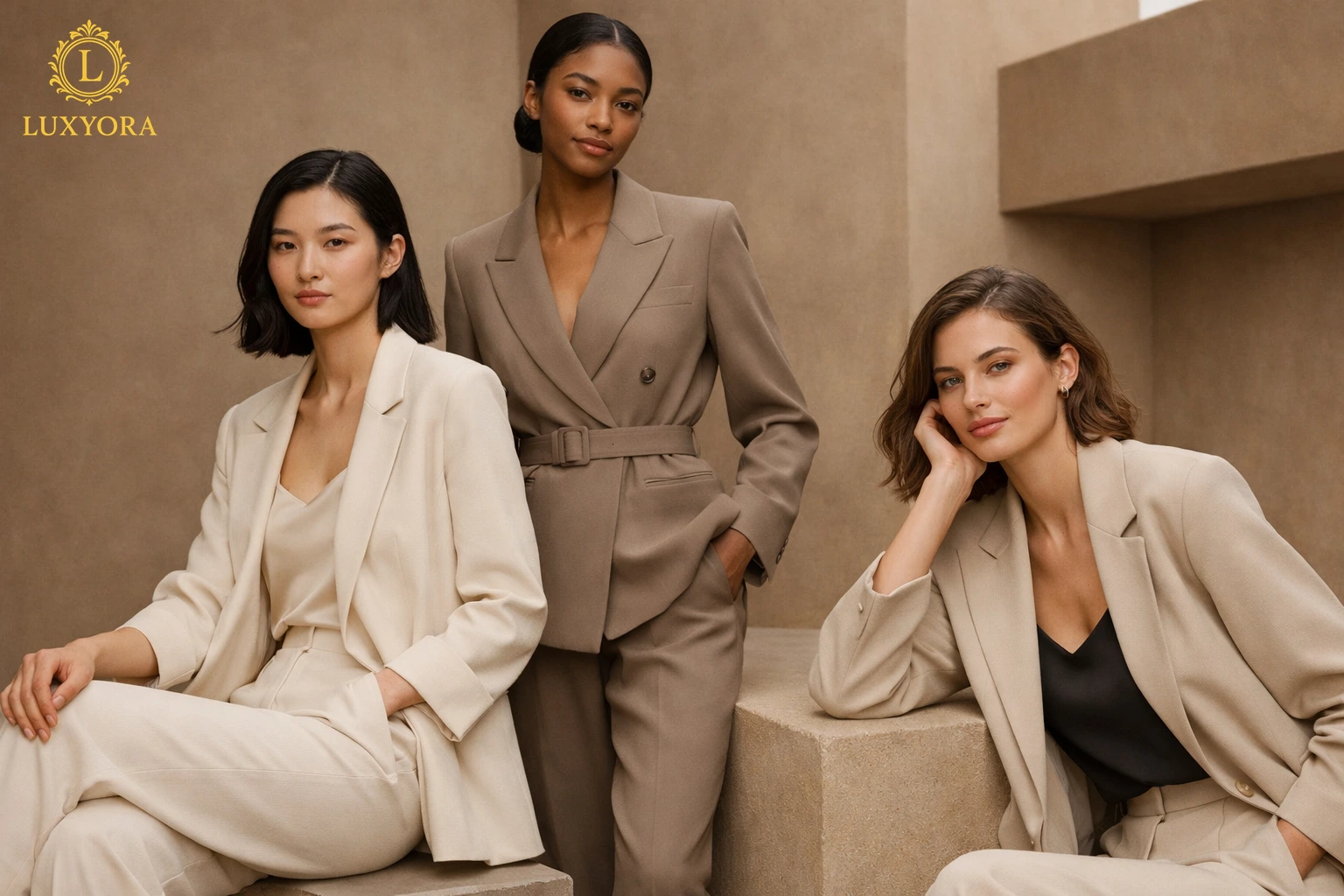
Rather than relying on exact color duplication, monochrome styling often plays with tonal layering mixing lighter and darker shades within the same color spectrum.
For example:
- Slate grey blazer with charcoal trousers
- Cream blouse paired with ivory trousers
- Deep navy jacket layered over midnight blue dress
This subtle tonal variation creates depth while maintaining visual harmony.
Why Monochrome Dressing Works in Professional Settings
Psychological Impact of Color Uniformity
Monochrome outfits create a visually uninterrupted silhouette. This uninterrupted line contributes to a sense of composure and authority. Research in fashion psychology suggests that coordinated clothing can positively influence perceptions of competence and professionalism.
A consistent color palette allows the observer’s focus to remain on the individual rather than the outfit’s complexity. In high-stakes environments such as boardrooms, presentations, and negotiations, this visual calm can subtly reinforce credibility.
Efficiency for the Modern Professional
Time has become one of the most valuable commodities for professionals. Coordinated monochrome sets reduce the daily friction of wardrobe decision-making.
Instead of assembling outfits piece by piece, professionals can rely on pre-coordinated ensembles to ensure consistent style without additional effort.
This efficiency also supports the broader concept of capsule wardrobes, in which a limited number of versatile garments yield numerous combinations.
Textile Craftsmanship Behind Luxury Monochrome Workwear
Monochrome workwear sets may appear simple, but their elegance depends heavily on the quality of the textiles and the garment’s construction. When color variation is minimal, the craftsmanship becomes the centerpiece of the ensemble.
Fabric Selection
High-quality monochrome workwear relies on textiles that maintain structure while offering comfort for long workdays. Popular fabrics include:
- Fine wool suiting
- Wool-silk blends
- Structured cotton twill
- Tencel blends
- Technical stretch fabrics
Luxury tailoring often incorporates fabrics with subtle texture differences, matte finishes paired with lightly lustrous surfaces, to prevent the outfit from appearing flat.
The Role of Texture
Texture plays a crucial role in monochrome dressing. Designers frequently combine materials such as:
- Crepe blazers with satin blouses
- Wool trousers with silk camisoles
- Structured cotton shirts with cashmere knitwear
These material contrasts add visual richness without disrupting the monochrome palette.
Precision Tailoring
Tailoring is arguably the most defining characteristic of monochrome workwear sets. Clean lines, sharp lapels, and perfectly balanced proportions ensure the outfit maintains a refined silhouette.
Key tailoring elements include:
- Contoured waist shaping
- Structured shoulders
- Balanced hem lengths
- Crisp seam finishing
When executed correctly, these details elevate monochrome ensembles from simple outfits to powerful statements of professional style.
Color Palettes Defining the Monochrome Corporate Movement
Not all monochrome palettes carry the same professional tone. Certain colors have become particularly influential in corporate environments.
Modern Neutrals
Neutral monochrome sets are the foundation of coordinated corporate dressing.
Popular choices include:
- Ivory
- Sand
- Taupe
- Stone grey
- Soft beige
These palettes offer understated elegance while maintaining versatility across seasons.
Deep Professional Tones
Darker monochrome palettes communicate authority and sophistication.
Key colors include:
- Midnight navy
- Charcoal
- Espresso brown
- Forest green
- Ink black
These tones often dominate executive wardrobes due to their timeless professionalism.
Soft Power Colors
A newer category within monochrome workwear includes softer, expressive tones that still maintain professionalism.
Examples include:
- Dusty rose
- Slate blue
- Muted sage
- Warm caramel
These colors introduce personality without compromising corporate appropriateness.
Styling Techniques for Monochrome Workwear Sets
Layering for Dimension
Monochrome styling benefits greatly from thoughtful layering. Professionals often combine garments of varying structure and weight to create depth.
Examples include:
- Lightweight knit under a tailored blazer
- Longline vest layered over blouse and trousers
- Structured jacket paired with soft draped skirt
Layering not only enhances visual interest but also adapts outfits to different climates and office environments.
Minimalist Accessories
Accessories in monochrome outfits should complement rather than compete with the color palette.
Common styling strategies include:
- Metallic accents for subtle contrast
- Structured leather bags in matching tones
- Minimal jewelry with clean lines
The goal is to enhance the outfit’s refinement while preserving its cohesive identity.
Strategic Footwear Choices
Footwear can either reinforce the monochrome theme or provide a gentle contrast.
Professionals often choose:
- Tone-matched pumps
- Minimal loafers
- Sculptural ankle boots
These selections maintain the outfit’s visual continuity while ensuring comfort and practicality.
Sustainability and Longevity in Monochrome Workwear
Another reason monochrome workwear sets are gaining momentum is their compatibility with sustainable fashion principles.
Capsule Wardrobe Compatibility
Monochrome garments integrate easily into capsule wardrobes because they mix effortlessly with other pieces in similar palettes.
This reduces the need for excessive clothing purchases while maximizing outfit versatility.
Timeless Design
Unlike highly trend-driven clothing, monochrome pieces often rely on classic tailoring and neutral colors, which remain stylish for years.
This longevity aligns with the growing demand for responsible consumption and durable fashion investments.
Reduced Production Complexity
From a manufacturing perspective, monochrome collections can also reduce production waste, as fabrics and dyes are often standardized across multiple garments.
The Future of Coordinated Corporate Dressing
As workplace culture continues to evolve, the role of fashion within professional environments will likely shift toward greater personalization and comfort. However, the principles that define monochrome workwear sets clarity, cohesion, and craftsmanship are expected to remain relevant.
Emerging developments may include:
- Advanced performance textiles for all-day comfort
- Adaptive tailoring for hybrid work environments
- Sustainable fabric innovations
- Digital wardrobe planning tools
These innovations will continue to refine the monochrome workwear movement while preserving its central philosophy: elegance through simplicity.
In a world where visual communication matters more than ever, monochrome dressing offers professionals a way to project quiet confidence and modern sophistication without unnecessary complexity.
Luxyora Philosophy:True elegance lies in harmony. When form, color, and craftsmanship align effortlessly, style becomes not just something we wear but something we embody.
References:
Amed, I., Berg, A., Balchandani, A., Hedrich, S., & Rölkens, F. (2020). The State of Fashion 2020. Business of Fashion & McKinsey & Company.
Black, S. (2018). Sustainable Fashion and Textiles: Design Journeys (2nd ed.). Routledge.
Gwilt, A. (2020). A Practical Guide to Sustainable Fashion. Bloomsbury Publishing.
Kawamura, Y. (2018). Fashion-ology: An Introduction to Fashion Studies (2nd ed.). Bloomsbury Academic.
Kim, H., & Damhorst, M. L. (2020). The influence of clothing style on perceptions of professionalism. Fashion and Textiles, 7(1), 1–15.
Niinimäki, K. (2020). Sustainable Fashion in a Circular Economy. Aalto University Press.
Tate, S. L. (2019). Workplace dress and identity in contemporary corporate culture. Fashion Theory, 23(4), 467–489.