Tinted Moisturizer : What is Tinted Moisturizer
In today’s fast-evolving beauty landscape, tinted moisturizer has become a staple for those who want a fresh, effortless look without the heaviness of traditional foundation. Blending skincare and makeup into one easy step, this hybrid product delivers hydration, light coverage, and a radiant finish, all while saving time.
Whether you’re new to makeup or refining your daily routine, this comprehensive guide will walk you through everything you need to know about tinted moisturizers, from benefits and application tips to choosing the right formula for your skin type.
What Is a Tinted Moisturizer?
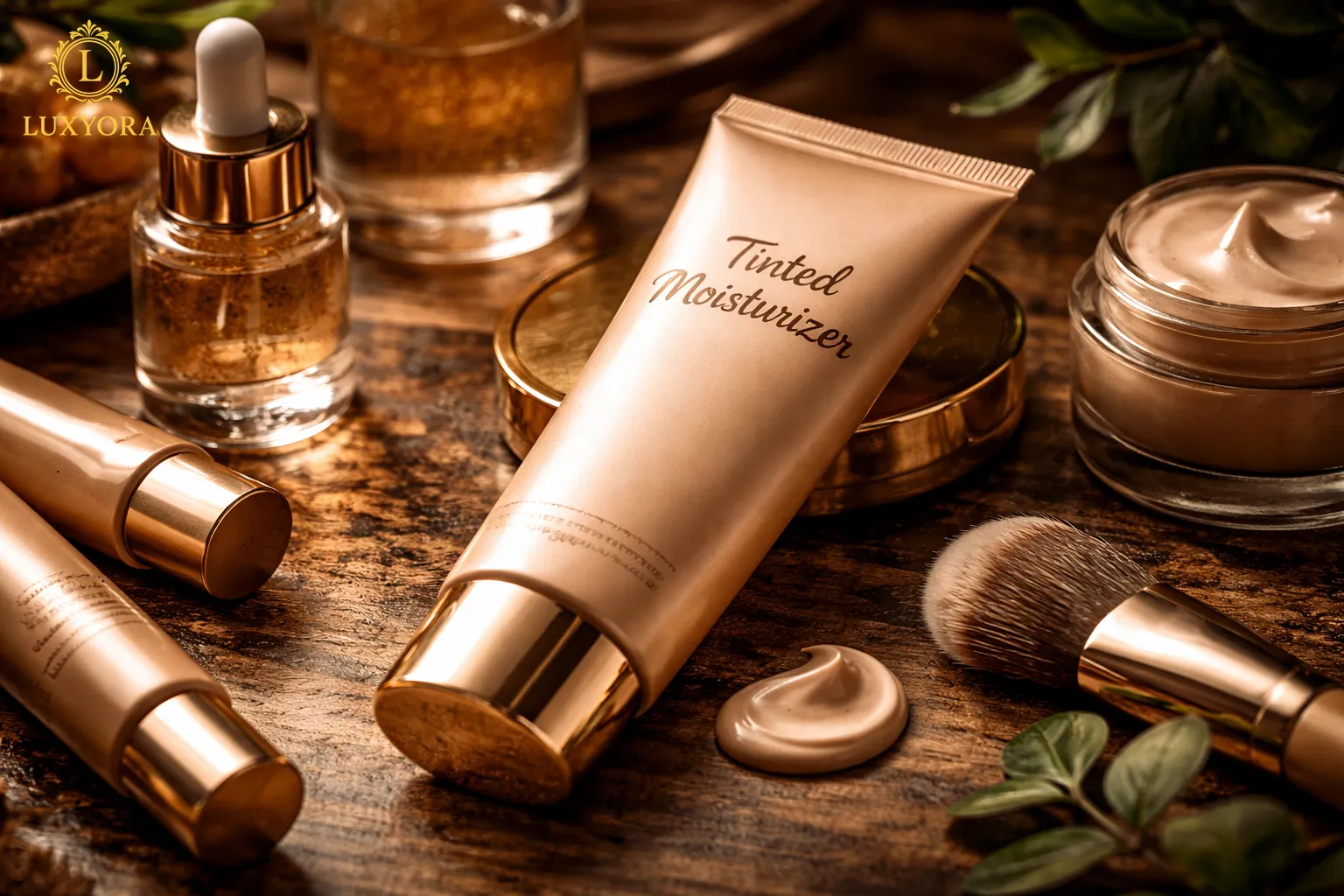
A tinted moisturizer is a lightweight cosmetic product that combines the hydrating benefits of a moisturizer with a subtle tint of pigment. Unlike foundations, which aim for full coverage, tinted moisturizers are designed to even out skin tone while maintaining a natural appearance.
Key Features of Tinted Moisturizers
- Sheer to light coverage
- Hydrating ingredients (like hyaluronic acid or glycerin)
- Often includes SPF protection
- Lightweight, breathable texture
- Enhances natural skin rather than masking it
This makes tinted moisturizer ideal for everyday wear, especially in warm climates or for those who prefer a “no-makeup makeup” look.
Sometimes, the best makeup isn’t about covering up, but about letting your skin shine through, and tinted moisturizer does exactly that.
Tinted Moisturizer vs Foundation: What’s the Difference?
Understanding the difference between tinted moisturizer and foundation is essential when choosing the right product for your needs.
Coverage Level
- Tinted Moisturizer: Sheer to light
- Foundation: Medium to full
Texture and Feel
- Tinted Moisturizer: Lightweight, dewy
- Foundation: Can range from lightweight to heavy
Purpose
- Tinted Moisturizer: Hydration + subtle tint
- Foundation: Coverage + complexion correction
Practical Scenario:
If you’re heading to college or running errands, a tinted moisturizer keeps your skin looking fresh and hydrated. For weddings or photoshoots, foundation provides the coverage needed for a flawless finish.
How It Differs from BB Cream and CC Cream
While often compared to BB Cream (Beauty Balm) and CC (Colour Correcting) cream, tinted moisturisers generally offer less pigment and fewer corrective ingredients.
- BB creams focus on hydration and light coverage with added skincare benefits.
- CC creams are designed for colour correction (redness, dullness, etc.).
- Tinted moisturizers primarily emphasise hydration and natural glow, catering
to minimalist beauty preferences.
Benefits of Using a Tinted Moisturizer
1. Hydration Meets Coverage
Tinted moisturizers are packed with skincare ingredients that nourish the skin while providing a hint of color.
2. Time-Saving Multi-Tasker
You can skip multiple steps in your routine; there’s no need for a separate moisturizer, primer, and foundation.
3. Natural, Skin-Like Finish
Perfect for those who want their skin to look like skin, not makeup.
4. Ideal for Sensitive Skin
Many formulas are non-comedogenic and free from harsh chemicals, making them suitable for sensitive or acne-prone skin.
5. Everyday Wear Comfort
Its breathable texture prevents clogged pores and reduces the risk of breakouts.
How to Choose the Right Tinted Moisturizer
Selecting the perfect tinted moisturizer depends on your skin type, tone, and lifestyle.
1. Based on Skin Type
Dry Skin
Look for formulas with:
- Hyaluronic acid
- Ceramides
- Shea butter
Oily Skin
Choose oil-free or matte-finish tinted moisturizers with:
Combination Skin
Opt for balancing formulas that hydrate without adding excess oil.
Sensitive Skin
Go for fragrance-free and dermatologist-tested products.
2. Based on Skin Tone
Unlike foundations, tinted moisturizers are more forgiving due to their sheer coverage. Still, selecting the closest match enhances your natural complexion.
Tip:
If you’re between shades, go slightly lighter; it blends more seamlessly.
3. Check for SPF Protection
Many tinted moisturizers include SPF 15-30. While helpful, it’s best to layer with a dedicated sunscreen for full protection.
How to Apply Tinted Moisturizer Like a Pro
Applying tinted moisturizer is simple, but the technique can elevate your look.
Step-by-Step Application
- Start with Clean Skin
Wash your face and apply a lightweight moisturizer if needed. - Use Sunscreen
Always apply sunscreen before your tinted moisturizer. - Apply with Fingers or Sponge
- Fingers: For a natural, skin-like finish
- Sponge: For even blending
- Brush: For slightly more coverage
- Blend Evenly
Focus on the center of your face and blend outward. - Set if Necessary
Use a light powder on oily areas, such as the T-zone.
Example Scenario
If you’re getting ready for a casual brunch, apply tinted moisturizer with your fingers, add a touch of concealer, and finish with lip balm for a quick, easy, and polished look.
Tinted Moisturizer for Different Occasions
Daily Wear
Perfect for office, college, or quick outings.
Travel-Friendly Beauty
Compact and multi-functional, reducing the need for multiple products.
Summer Makeup Essential
Its lightweight formula prevents sweating and cakiness.
Minimalist Makeup Routine
Ideal for those embracing simple beauty routines.
Common Mistakes to Avoid
1. Skipping Skincare Prep
Even though it hydrates, proper skincare enhances results.
2. Using Too Much Product
Less is more; over-application can reduce its natural effect.
3. Ignoring Skin Type
Choosing the wrong formula can lead to oiliness or dryness.
4. Relying Only on SPF in the Product
Always use a separate sunscreen for adequate protection.
Trending Ingredients in Modern Tinted Moisturizers
The beauty industry has evolved, and modern tinted moisturizers often include advanced skincare ingredients.
Popular Additions
- Hyaluronic Acid: Deep hydration
- Niacinamide: Oil control and brightening
- Vitamin C: Antioxidant protection
- Peptides: Skin repair
These ingredients make tinted moisturizers a powerful skincare-makeup hybrid.
Who Should Use Tinted Moisturizer?
Tinted moisturizer is suitable for a wide range of users:
- Beginners learning makeup
- Professionals needing quick routines
- Mature skin needing lightweight coverage
- Teenagers wanting minimal makeup
- Anyone seeking a natural glow
Tinted Moisturizer in the Clean Beauty Movement
With increasing awareness of ingredient safety, many brands now offer clean, vegan, and cruelty-free tinted moisturizers.
Consumers are leaning toward:
- Paraben-free formulas
- Organic ingredients
- Sustainable packaging
This aligns with the broader shift toward conscious beauty consumption.
Expert Insight
According to dermatologists and cosmetic scientists, tinted moisturizers provide a balanced fusion of skincare and subtle makeup. They can be worn alone for a healthy glow or used under foundation as a hydrating base.
Dr Dendy Engelman, a board-certified dermatologist, notes that tinted moisturizers are especially useful “for those who want hydration and mild coverage without clogging pores or feeling heavy on the skin.”
Final Thoughts
Tinted moisturizer is more than a fleeting beauty trend; it’s a versatile product that meets today’s demands for quickness, skin care, and a natural look. Its capacity to deliver hydration, subtle coverage, and skincare advantages makes it an essential item in any makeup collection.
Whether you’re grabbing a quick coffee or getting ready for a long workday, tinted moisturizer provides a simple, dependable way to achieve radiant, healthy skin.
References
- Baumann, L. (2020). Cosmetic Dermatology: Principles and Practice. McGraw-Hill Education.
- Draelos, Z. D. (2019). Cosmetic Dermatology Products and Procedures. Wiley-Blackwell.
- Mukherjee, S., Date, A., Patravale, V., Korting, H. C., Roeder, A., & Weindl, G. (2018). Retinoids in the treatment of skin aging: An overview of clinical efficacy and safety. Clinical Interventions in Aging, 13, 357–368.
- American Academy of Dermatology Association. (2021). Everyday skincare and sun protection guidelines.
- Statista. (2023). Global skincare market trends and consumer preferences.
- Mintel Group Ltd. (2022). Trends in hybrid beauty products and multifunctional cosmetics.