Oud : What is Oud
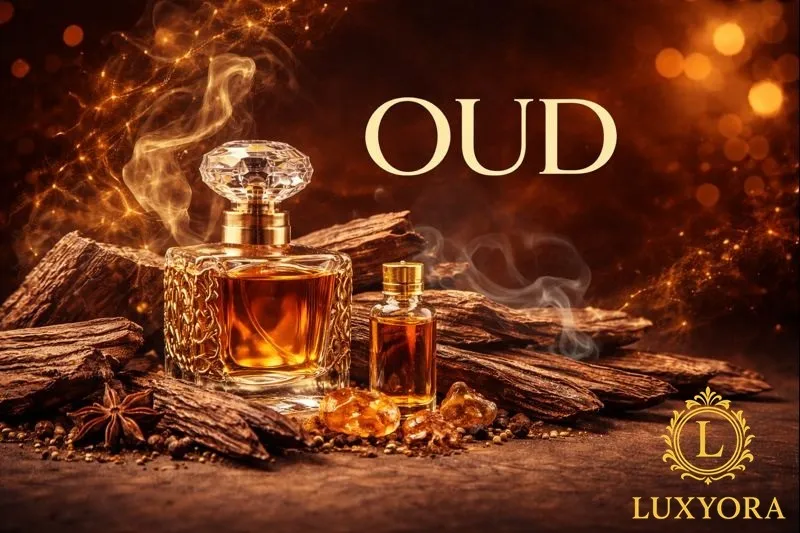
Oud is one of the most captivating and valuable ingredients in the global fragrance industry. Often described as “liquid gold,” oud has a deep, woody, and complex scent that has fascinated perfumers, collectors, and luxury enthusiasts for centuries. Today, the demand for oud continues to grow worldwide, especially in niche perfumery, luxury incense, and high-end cosmetics.
In this detailed guide, we’ll explore what oud is, how it’s produced, why it’s so expensive, and how it’s used across industries. Whether you’re a fragrance enthusiast or someone curious about this luxurious ingredient, this article will give you a comprehensive understanding of oud.
Rare by nature and complex by character, oud is not merely an ingredient; it is an olfactory phenomenon.
What is Oud?
Oud, also called agarwood, is a wonderfully fragrant resin that develops inside certain Aquilaria trees. You’ll mainly find these special trees in Southeast Asia, in countries like India, Cambodia, Vietnam, Thailand, and Malaysia.
Interestingly, oud isn’t naturally found in every tree. It only develops when a tree gets infected with a particular type of mold. As a response, the tree creates a rich, aromatic resin to protect itself. That’s the beautiful resin-infused wood we know as oud.
The resulting aroma is highly rich and complex, commonly characterized as woody, smoky, sweet, earthy, and subtly animalic.
A Scent with Depth and Presence
The aroma of oud is unmistakable. Rich, warm, and profoundly sensual, it unfolds with layers that feel both ancient and powerful. Depending on its origin and treatment, oud can smell:
- Smoky and leathery
- Woody and resinous
- Slightly sweet, balsamic, or animalic
- Dark, hypnotic, and deeply grounding
In perfumery, oud is prized for its intensity and authority. Even a trace amount can dramatically transform a composition, adding gravity, longevity, and emotional weight.
The History and Cultural Significance of Oud
Oud boasts a long and illustrious history spanning thousands of years and is deeply rooted in the traditions of Middle Eastern, South Asian, and East Asian cultures.
Oud in Ancient Civilizations
- Used in religious ceremonies and rituals
- Burned as incense in temples and homes
- Mentioned in ancient texts, including Sanskrit scriptures and Islamic literature
Oud in Middle Eastern Culture
In the Middle East, oud is more than a fragrance; it’s a symbol of hospitality, status, and tradition. Guests are often welcomed by the scent of burning oud chips, and oud is commonly used in personal perfumes.
How Oud is Produced
The production of oud is a labor-intensive and time-consuming process, which contributes to its high value.
Natural Formation
Only about 2% of Aquilaria trees naturally produce oud. This rarity is one of the key reasons for its high cost.
Artificial Inoculation
To meet global demand, producers now use artificial methods to induce resin formation. This involves:
- Drilling holes into the tree
- Introducing specific fungi or chemicals
- Waiting several years for resin to develop
Harvesting and Distillation
Once the resin forms, the wood is harvested and processed:
- Wood chips are collected and sorted by quality
- High-quality chips are distilled to produce oud oil (also called attar)
- Lower grades are used for incense or blended perfumes
Why is Oud So Expensive?
Oud is often considered one of the most expensive natural raw materials in the world. Several factors contribute to its high price:
Rarity
Only a small percentage of trees produce resin naturally.
Time-Intensive Process
It can take years, sometimes decades, for oud to form.
Complex Extraction
The distillation process requires skill and precision.
High Demand
Luxury fragrance houses and collectors drive global demand.
In some cases, high-quality oud oil can cost more than gold per gram.
Types of Oud
Not all oud is the same. Its scent profile varies depending on the region, tree species, and production method.
Cambodian Oud
- Sweet and fruity
- Popular in luxury perfumes
Indian Oud (Assam Oud)
- Strong, animalic, and earthy
- Highly valued by traditional users
Thai Oud
- Smooth and slightly floral
- Balanced aroma profile
Synthetic Oud
Due to high costs, many brands use lab-created oud. While more affordable, it lacks the depth and complexity of natural oud.
Uses of Oud in Modern Industries
Oud has expanded far beyond traditional uses and is now a major component in several industries.
Perfume Industry
Oud is widely used in niche and designer fragrances. It acts as a base note, adding depth and longevity to perfumes.
Popular scent combinations include:
- Oud and rose
- Oud and saffron
- Oud and vanilla
Incense and Bakhoor
Oud wood chips are burned to create a rich, aromatic smoke, especially in Middle Eastern households.
Cosmetics and Skincare
Oud oil is sometimes used in luxury skincare products due to its perceived therapeutic properties.
Aromatherapy
Some practitioners use oud for relaxation and stress relief, although scientific evidence is still limited.
How to Choose High-Quality Oud
If you’re planning to buy oud, it’s important to know what to look for.
Check the Source
Authentic oud usually comes from reputable regions like Assam, Cambodia, or Vietnam.
Smell Profile
High-quality oud evolves over time, offering multiple scent layers.
Price Indicator
If the price seems too good to be true, it probably is.
Seller Reputation
Always buy from trusted sellers or established fragrance houses.
Practical Tips for Using Oud
Oud can be intense, so proper usage is key to enjoying its full potential.
Start Small
Use a tiny amount, especially with pure oud oil.
Apply Strategically
Apply to pulse points, like the wrists and behind the ears.
Layering Scents
Combine oud with lighter fragrances, such as citrus or floral notes, to balance its intensity.
Storage
Keep oud oil in a cool, dark place to preserve its quality.
Example Scenarios of Oud Usage
Scenario 1: Special Occasion
You’re attending a wedding or formal event. Applying a small amount of oud-based perfume adds a luxurious and memorable touch to your presence.
Scenario 2: Home Ambiance
Burning oud chips during gatherings creates a warm, inviting atmosphere for guests.
Scenario 3: Personal Signature Scent
Using oud regularly can help you develop a unique and recognizable personal fragrance identity.
Sustainability and Ethical Concerns
The growing demand for oud has raised concerns about sustainability.
Overharvesting
Wild Aquilaria trees are endangered in some regions due to excessive harvesting.
Conservation Efforts
- Plantation-grown trees
- Regulated harvesting practices
- Certification systems
Consumers are encouraged to support brands that prioritize sustainable sourcing.
Craftsmanship, Innovation, and Sustainability
Natural oud is extremely rare and can take decades to form, making it one of the most expensive raw materials in perfumery. Because of this scarcity – and to protect endangered Aquilaria species – many modern fragrance houses now rely on high- quality synthetic oud accords.
These advanced compositions replicate oud’s complexity while offering:
- Consistency in scent profile
- Ethical and sustainable sourcing
- Accessibility without compromising luxury
Both natural and synthetic oud are treated with immense respect by perfumers, who often pair it with florals, spices, amber, musk, or citrus to create fragrances with exceptional depth and longevity.
Future of Oud in the Global Market
The oud market is evolving rapidly. With increasing demand in Western countries, many perfume houses are experimenting with new blends and sustainable alternatives.
Key trends include:
- Growth of niche perfumery
- Increased use of synthetic oud
- Sustainable cultivation practices
Oud is no longer limited to traditional markets; it’s now a global luxury phenomenon.
Why Oud Endures
Oud is not designed to be subtle. It’s designed to be remembered. It communicates confidence, depth, and self-assurance without apology. More than just a note, oud tells
a story of time, transformation, craftsmanship, and heritage.
To wear oud is to carry history on your skin.
Conclusion
Oud is more than a fragrance ingredient; it serves as a cultural symbol, a luxury item, and an art form. Its deep history, intricate production process, and distinctive aroma make it one of the most captivating components in the fragrance industry.
Whether you’re exploring oud for personal interest or professional expertise, learning about its origins, varieties, and uses will deepen your appreciation for its true worth. As the industry advances, oud stays a timeless, highly coveted treasure.
References
Agarwood and Oud Industry Review. (2021). International Journal of Forestry Research, 2021, 1–12.
Barden, A., Anak, N. A., Mulliken, T., & Song, M. (2018). Heart of the matter: Agarwood use and trade and CITES implementation for Aquilaria malaccensis. TRAFFIC International.
Hashim, Y. Z. H., Kerr, P. G., Abbas, P., & Mohd Salleh, H. (2019). Aquilaria spp. (agarwood) as source of health beneficial compounds: A review of traditional use, phytochemistry, and pharmacology. Journal of Ethnopharmacology, 189, 331–360.
Markets and Markets. (2023). Agarwood chips and oil market – Global forecast to 2028. Market Research Report.
Tan, C. S., Isa, N. M., & Ismail, N. (2020). Agarwood induction: Current developments and future perspectives. Forest Ecology and Management, 458, 117731.