Iconic Bag : What is Iconic Bag
The term Iconic Bag holds a special place in the global fashion and luxury goods industry. More than just an accessory, an iconic bag represents craftsmanship, cultural influence, timeless design, and enduring consumer demand. From luxury fashion houses to premium contemporary brands, iconic bags have become symbols of status, personal style, heritage, and investment value.
In today’s competitive handbag market, consumers are no longer purchasing bags solely for functionality. Instead, they seek products with stories, heritage, exclusivity, and long-term relevance. This shift has elevated certain handbags to iconic status, making them benchmarks for design excellence and brand identity.
This article explores the meaning of an iconic bag, its role in the bag industry, characteristics that define it, market trends, investment potential, consumer psychology, and practical considerations when purchasing one.
What Is an Iconic Bag?
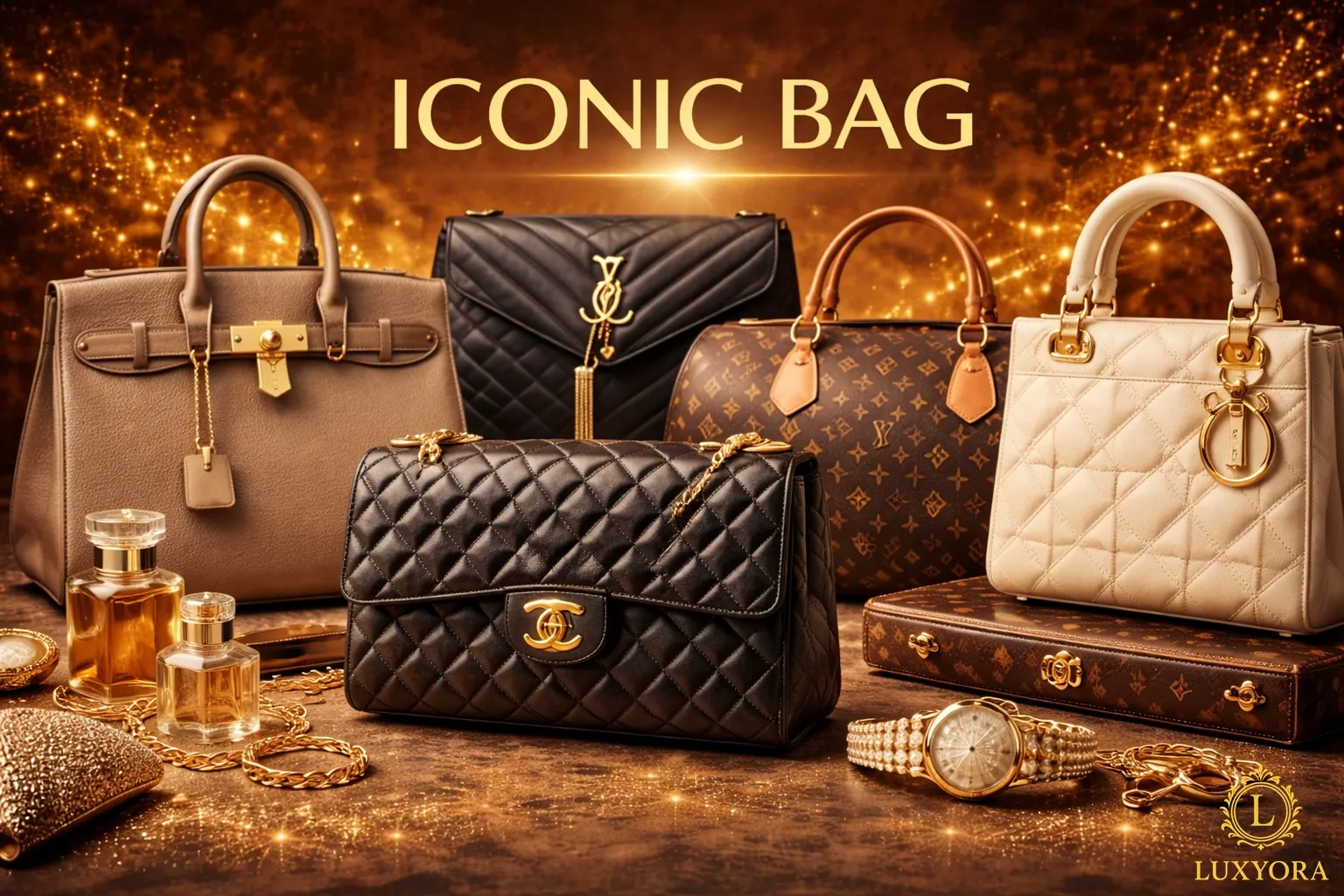
An iconic bag is a handbag that achieves long-lasting recognition and influence within the fashion and accessories industry. Unlike seasonal products that fade after a few months, iconic bags maintain popularity across decades and generations.
These bags often become synonymous with the brands that create them. They are instantly recognizable due to their design, craftsmanship, hardware, silhouette, materials, or historical significance.
An iconic bag typically possesses:
- Timeless design aesthetics
- Superior craftsmanship
- Consistent market demand
- Strong brand heritage
- Cultural relevance
- Celebrity and influencer endorsement
- High resale value
- Multi-generational appeal
When a handbag remains desirable despite changing fashion trends, it earns iconic status.
The Evolution of the Iconic Bag in the Fashion Industry
The concept of the iconic bag emerged as luxury fashion houses began creating signature products that embodied their brand identity.
Historically, handbags served purely practical purposes. However, throughout the twentieth century, designers transformed bags into fashion statements and status symbols.
Luxury brands realized that a single successful handbag design could generate decades of revenue and strengthen customer loyalty. Rather than relying solely on seasonal collections, they focused on creating signature pieces with enduring appeal.
Today, iconic bags are essential business assets for luxury brands because they:
- Generate recurring sales
- Strengthen brand recognition
- Create emotional connections with consumers
- Support premium pricing strategies
- Drive demand in resale markets
The rise of digital commerce, social media, and luxury resale platforms has further increased the visibility and desirability of iconic bags worldwide.
Key Characteristics That Define an Iconic Bag
Timeless Design
Perhaps the most important feature of an iconic bag is timelessness.
While fashion trends change rapidly, iconic bags maintain their relevance. Their silhouettes remain attractive regardless of seasonal fashion cycles.
Examples include structured top-handle bags, classic shoulder bags, and elegant totes that continue to appeal to consumers year after year.
Exceptional Craftsmanship
Iconic bags are often handcrafted using premium materials and meticulous production techniques.
Quality craftsmanship includes:
- Precision stitching
- Premium leather selection
- Durable hardware
- Reinforced construction
- Attention to detail
Consumers view these elements as indicators of long-term value.
Strong Brand Heritage
Many iconic bags originate from brands with rich histories and established reputations.
Brand heritage contributes to consumer trust and emotional attachment, making iconic bags more desirable than trend-driven alternatives.
Recognizable Design Elements
An iconic bag often features distinctive characteristics such as:
- Signature hardware
- Unique closures
- Exclusive patterns
- Recognizable silhouettes
- Distinctive logos
These elements create instant recognition and strengthen brand identity.
Consistent Consumer Demand
A true iconic bag continues to attract buyers regardless of economic conditions or changing trends.
Long waiting lists, recurring production runs, and strong resale performance often indicate enduring demand.
Why Iconic Bags Matter in the Bag Industry
The iconic bag category plays a significant role in the global handbag market.
For manufacturers and brands, iconic bags provide stability by generating predictable revenue streams. Unlike seasonal collections, iconic designs can remain profitable for decades.
For consumers, iconic bags offer:
- Long-term style relevance
- Better durability
- Higher perceived value
- Potential resale opportunities
- Emotional satisfaction
For retailers, iconic bags attract foot traffic and increase brand visibility.
As a result, iconic bags have become strategic assets throughout the entire fashion ecosystem.
Consumer Psychology Behind Iconic Bags
Understanding consumer behavior helps explain why iconic bags maintain popularity.
Status and Social Signaling
Many consumers purchase iconic bags as symbols of achievement and personal success.
Luxury accessories often communicate:
- Professional accomplishment
- Financial stability
- Fashion awareness
- Personal taste
This psychological aspect contributes significantly to demand.
Emotional Connection
Consumers frequently associate iconic bags with milestones such as:
- Career promotions
- Graduations
- Weddings
- Anniversaries
- Personal achievements
The emotional value attached to these purchases often exceeds the bag’s functional value.
Desire for Timeless Style
Many shoppers prefer iconic bags because they offer confidence and versatility.
Rather than chasing fast-changing trends, consumers appreciate products that remain stylish for years.
The Investment Value of an Iconic Bag
In recent years, iconic bags have increasingly been viewed as alternative luxury assets.
While not every handbag appreciates in value, certain iconic models have demonstrated remarkable price resilience.
Factors influencing investment potential include:
- Brand reputation
- Limited availability
- Material rarity
- Historical significance
- Market demand
- Condition and authenticity
Luxury resale platforms have expanded access to secondary markets, allowing consumers to buy and sell iconic bags more efficiently.
However, buyers should remember that handbags are primarily purchased for personal enjoyment rather than for guaranteed financial returns.
How Luxury Brands Create an Iconic Bag
Creating an iconic bag requires more than an attractive design.
Luxury brands typically follow a strategic process that includes:
Design Innovation
Designers develop distinctive silhouettes that stand apart from competitors.
Storytelling
Successful iconic bags often have compelling narratives related to:
- Historical events
- Cultural movements
- Influential personalities
- Brand heritage
Controlled Distribution
Limited availability creates exclusivity and increases consumer desire.
Celebrity Influence
Celebrities, influencers, and public figures often contribute to a bag’s popularity through visibility and endorsement.
Long-Term Product Commitment
Brands consistently support iconic bags through:
- New color releases
- Material variations
- Marketing campaigns
- Heritage storytelling
This sustained investment helps maintain relevance over decades.
Practical Tips for Choosing an Iconic Bag
Selecting an iconic bag requires careful evaluation.
Consider Your Lifestyle
Ask yourself:
- Will you use the bag daily?
- Do you travel frequently?
- Do you need work-friendly functionality?
- Do you prefer casual or formal styles?
The most iconic bag is one that fits your lifestyle.
Evaluate Material Quality
Look for:
- Full-grain leather
- Durable canvas
- Premium hardware
- Quality lining materials
These factors influence longevity and overall satisfaction.
Assess Versatility
Choose a bag that complements multiple outfits and occasions.
Versatile designs typically provide greater long-term value.
Research Market Demand
Understanding market trends can help buyers make informed decisions.
Review:
- Resale performance
- Consumer reviews
- Brand reputation
- Product history
Verify Authenticity
Counterfeit products remain a major challenge in the luxury handbag sector.
Always purchase from:
- Authorized retailers
- Official boutiques
- Reputable resale platforms
- Trusted luxury specialists
Real-World Scenarios Involving Iconic Bags
Scenario 1 – Professional Investment
A young executive purchases a classic iconic bag for business meetings.
Benefits include:
- Professional appearance
- Long-term durability
- Enhanced confidence
- Timeless style
The bag remains relevant throughout the years of career advancement.
Scenario 2 - Special Occasion Purchase
A consumer purchases an iconic bag to celebrate a significant life milestone.
Years later, the bag serves as both a fashion accessory and a meaningful reminder of that achievement.
Scenario 3 - Luxury Resale Opportunity
A collector acquires a highly sought-after iconic bag and maintains it carefully.
Several years later, strong market demand allows the owner to resell the bag at a favorable price.
These examples demonstrate the multiple dimensions of value associated with iconic bags.
Sustainability and the Future of Iconic Bags
Sustainability is becoming increasingly important within the luxury handbag industry.
Consumers are paying greater attention to:
- Ethical sourcing
- Responsible manufacturing
- Product longevity
- Circular fashion
- Resale ecosystems
Iconic bags align naturally with sustainability principles because they are designed for long-term use rather than short-term consumption.
Many luxury brands are now incorporating:
- Traceable materials
- Sustainable leather alternatives
- Repair services
- Product restoration programs
As sustainability becomes a core consumer priority, iconic bags may gain even greater relevance due to their durability and longevity.
Emerging Trends Influencing the Iconic Bag Market
Several trends are shaping the future of iconic bags.
Digital Luxury Commerce
Online luxury shopping continues to expand global access to iconic handbags.
Growth of the Resale Market
The luxury resale sector is increasing transparency and accessibility for consumers.
Younger Luxury Consumers
Millennials and Generation Z buyers are influencing purchasing patterns through digital engagement and sustainability expectations.
Personalization
Consumers increasingly seek customization options while still appreciating classic designs.
Heritage Marketing
Brands are emphasizing history, craftsmanship, and authenticity to strengthen the appeal of iconic bags.
Conclusion
The Iconic Bag represents far more than a fashionable accessory. It is a powerful symbol of craftsmanship, heritage, innovation, and enduring consumer desire. Within the bag industry, iconic bags serve as strategic assets that shape brand identity, drive revenue, and influence market trends.
Their timeless designs, superior quality, emotional significance, and potential long-term value make them highly sought-after by consumers worldwide. As sustainability, resale markets, and digital commerce continue to evolve, iconic bags are expected to remain central to the future of luxury fashion.
Whether purchased for style, practicality, personal achievement, or collection purposes, an iconic bag remains one of the most influential and enduring categories in the global handbag industry.
References
Bain & Company. (2024). Luxury goods worldwide market study, fall-winter 2024. Bain & Company.
Business of Fashion & McKinsey & Company. (2024). The state of fashion 2024. Business of Fashion.
Kapferer, J. N., & Bastien, V. (2023). The luxury strategy: Break the rules of marketing to build luxury brands (3rd ed.). Kogan Page.
Leather & Hide Council of America. (2022). Sustainability and leather goods manufacturing trends. Leather & Hide Council of America.
McKinsey & Company. (2023). The state of fashion: Luxury market insights. McKinsey & Company.
Statista. (2024). Luxury handbags market revenue worldwide. Statista Research Department.
Turunen, L. L. M., & Pöyry, E. (2019). Luxury resale: Value perceptions in second-hand luxury consumption. Journal of Retailing and Consumer Services, 51, 352–363.
Wiedmann, K. P., Hennigs, N., & Siebels, A. (2020). Luxury consumer behavior and the evolving handbag market. Journal of Brand Management, 27(4), 456–472.