Bharat Tex 2026: How India Is Shaping the Future of Global Fashion
Editor’s Note: LUXYORA is proud to be an official media partner of Bharat Tex 2026. This article forms part of our independent editorial coverage of the event, with no payment exchanged for publication.
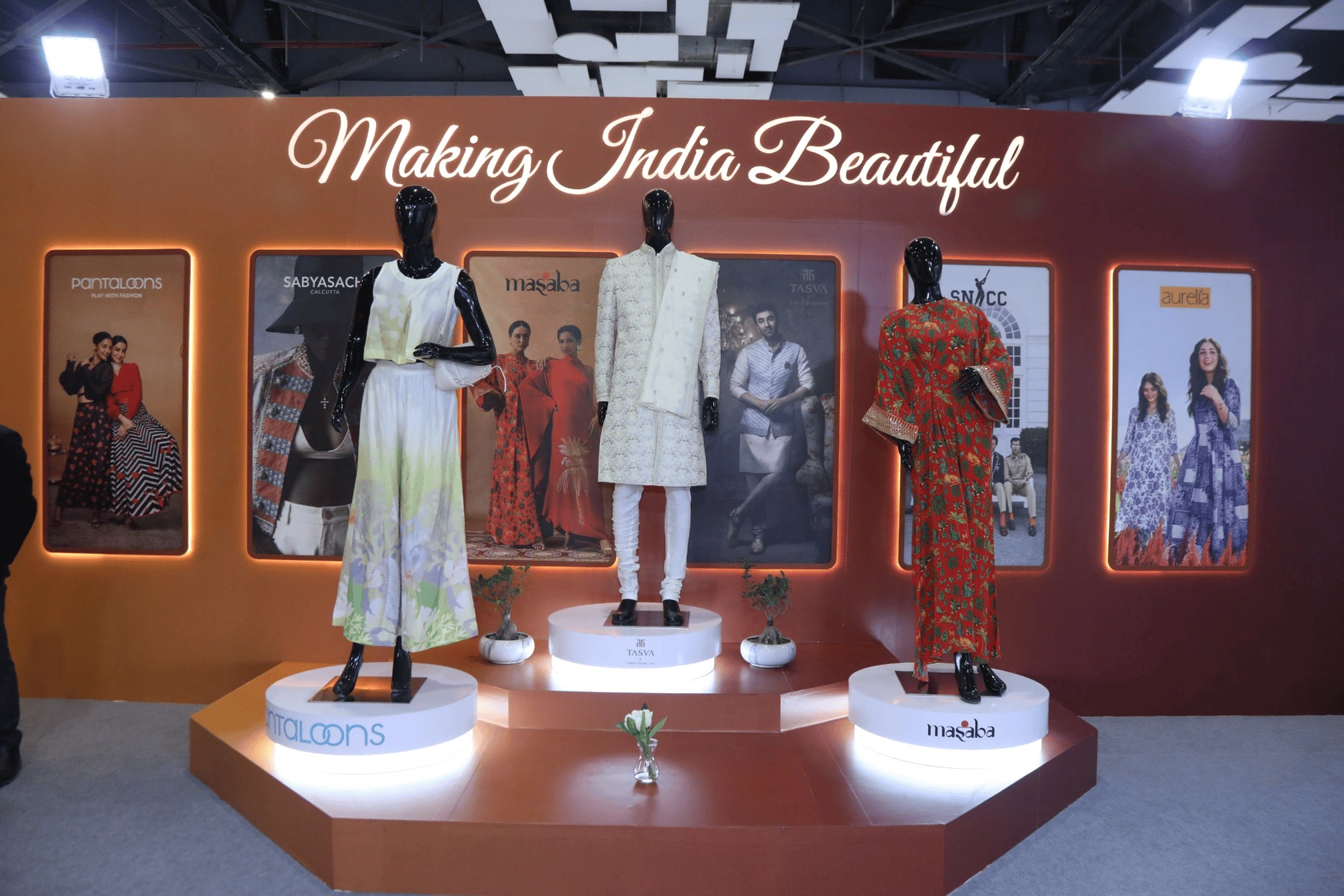
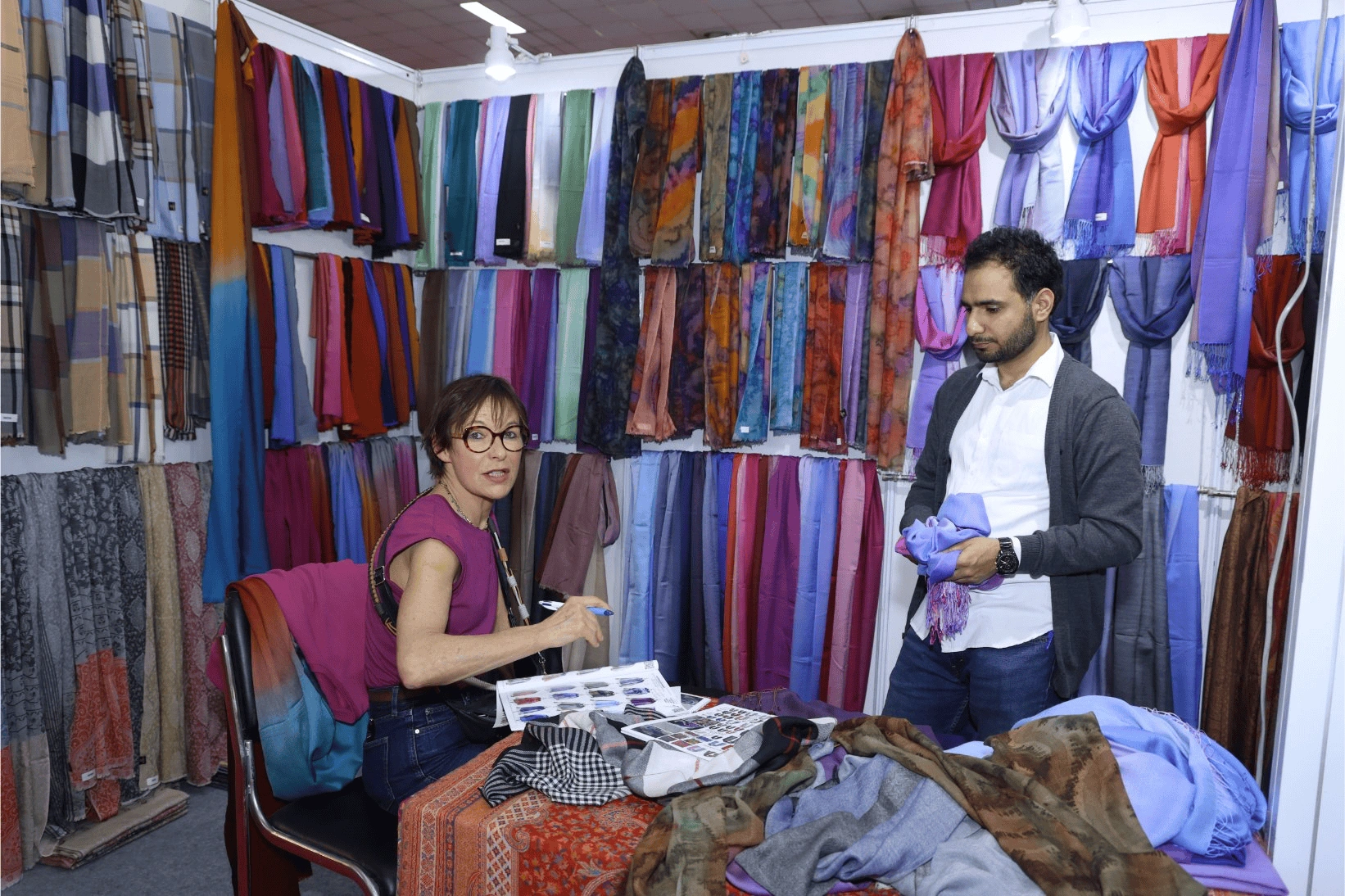
Bharat Tex 2026 opens at Delhi’s Bharat Mandapam on July 14 and runs through the 17th, organised by the Bharat Tex Trade Federation with backing from India’s Ministry of Textiles. Over four days, more than 1,600 exhibitors will show upward of 20,000 textile products across 1.6 million square feet, drawing an expected 1.3 lakh (130,000) trade visitors. India’s textile industry has long been known for manufacturing scale. Bharat Tex 2026 aims to showcase the innovation and expertise increasingly shaping its global reputation.
Bharat Tex 2026 by the Numbers
Over 350 speakers are travelling in from more than 20 countries, the US, UK, Germany, Sweden and Vietnam among them. Sponsors include Trident, Vardhman Textiles, Shahi Exports, Arvind, Colorjet, PDS Limited and Sattva. Fourteen countries are sending exhibitors, including Japan, New Zealand and South Africa. But scale has never been India’s problem.
India's Textile Industry Builds on Its Global Strengths
Much of that ambition will be argued out on the floor at Bharat Tex 2026, starting with a question Naren Goenka, chairman of Bharat Tex, keeps returning to. He believes India’s capabilities have yet to be fully reflected in its global market share. India can move across fibre, yarn, fabric and finished apparel within one domestic industry, a spread few countries can claim. Its global export market share still sits at 4.1 per cent, ranking sixth in the world. “That gap between capability and capture is the central challenge,” he said.
He named four places where he expects that gap to narrow, each one likely to surface repeatedly across this year’s panels and roundtables. Supply chains are realigning as buyers spread sourcing away from single countries. The EU still barely touches India for a slice of its roughly £187 billion import demand. Technical textiles are heading toward £33.7 billion by the end of 2026. Man-made fibres, long a weak spot, now have a government scheme worth around £841 million behind them.
Technical textiles sound industrial until you notice where they end up. Performance linings, protective outerwear fabric, the stretch in a well-made pair of leggings all draw on the manufacturing pipeline Goenka is describing. A country that gets better at producing these fabrics tends to see that skill surface in fashion labels too, not only in industrial supply chains.
Many of these priorities are expected to feature prominently in discussions at Bharat Tex 2026. Goenka’s roadmap includes infrastructure, faster technology adoption, the man-made fibre push, skilling, and diversifying export markets. The infrastructure piece is under construction: seven PM MITRA (Mega Integrated Textile Region and Apparel) parks going up across Gujarat, Tamil Nadu and Maharashtra, expected to draw close to £7.48 billion in investment. “My singular aspiration for Bharat Tex 2026 is that it is remembered as the event that shifted the global conversation,” Goenka said, “from India as an alternative sourcing destination to India as the definitive, preferred textile partner for the world.”
Sustainability Takes Centre Stage at Bharat Tex 2026
The fair also hosts the CITI (Confederation of Indian Textile Industry) Textile Sustainability Awards, judged across seven categories: resource efficiency, circular economy practices, sustainable materials, responsible business conduct, social responsibility, energy and emissions, and industry collaboration.
Sustainability claims have mostly lived inside a brand’s own marketing copy, unverifiable by anyone outside the company. A phrase like “responsibly sourced cotton” has rarely had anything public to be measured against. For luxury brands, independent benchmarks like these strengthen the credibility of sustainability claims, giving consumers greater confidence in the sourcing stories behind the garments they buy. By placing these awards within Bharat Tex 2026, organisers are also signalling that sustainability is becoming central to India’s global textile proposition.
Innovation Driving the Future of Indian Textiles
Neelam Shami Rao, Secretary of the Ministry of Textiles, unveiled a mobile app for the event with an AI assistant, a B2B meeting scheduler, exhibitor search and live venue navigation. A Pre-Fair Directory lets buyers and sourcing consultants line up meetings before the doors open. Rather than relying entirely on third-party event tools, Bharat Tex has developed a dedicated digital platform to help exhibitors and buyers connect before and during the show.
The knowledge programme has grown to match: over 100 sessions this year, made up of 39 panels, 16 roundtables and 37 masterclasses, run with more than 50 partner agencies. Alongside it sits Sanrachna, a national design hackathon backed by the National Technical Textile Mission, where students and researchers pitch fixes for problems like protective clothing and geotextiles, with winning entries eligible for government start-up funding.
From "Made in India" to "Trusted from India"
Updeep Singh Chatrath, who chairs the textile council at ASSOCHAM (the Associated Chambers of Commerce and Industry of India), framed the shift plainly. “That is where the future lies, moving from ‘made in India’ to ‘trusted from India,” he said. He added that the world must increasingly associate Indian textiles not only with scale and value but also with consistency, reliability, quality and trust.
For luxury fashion, that distinction matters. Consumers increasingly want to know not only who designed a garment but also where it was made, how it was produced and whether those claims can be verified. Transparency has become part of a brand’s value proposition.
Bhadresh Dhodia, co-chair of Bharat Tex, backed the ambition with last year’s figures. The 2025 edition generated an estimated £1.87 billion in export opportunities and over £165 million in investment commitments, with more than 8,000 business meetings between exhibitors, buyers and government agencies across four days. This year is built to exceed all three.
Why Bharat Tex 2026 Matters for Global Fashion
Whether India’s export ranking actually shifts this year is a separate question, and Goenka isn’t claiming otherwise. The PM MITRA parks are still being built. The app has to prove it makes meetings easier, not just tidier on a screen. Trade statistics tend to lag behind the changes that cause them.
If Bharat Tex 2026 delivers on its ambitions, its impact is unlikely to be measured only in export figures. It may be reflected in the sourcing decisions of global fashion houses, the growing adoption of Indian-made technical and sustainable textiles, and a stronger perception of India as a trusted partner for premium fashion. The conversations beginning in Delhi this July could shape supply chains and luxury collections for years to come.