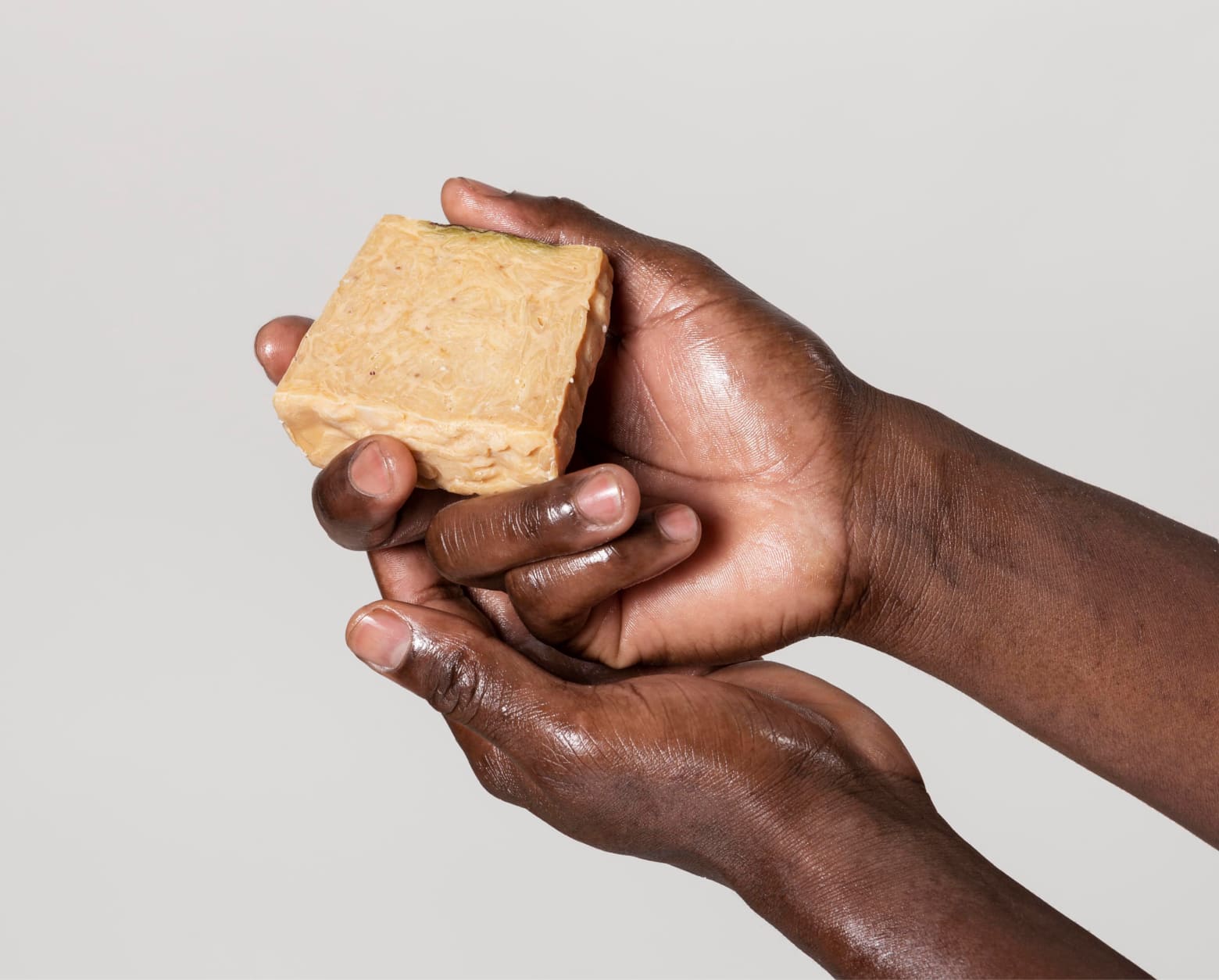
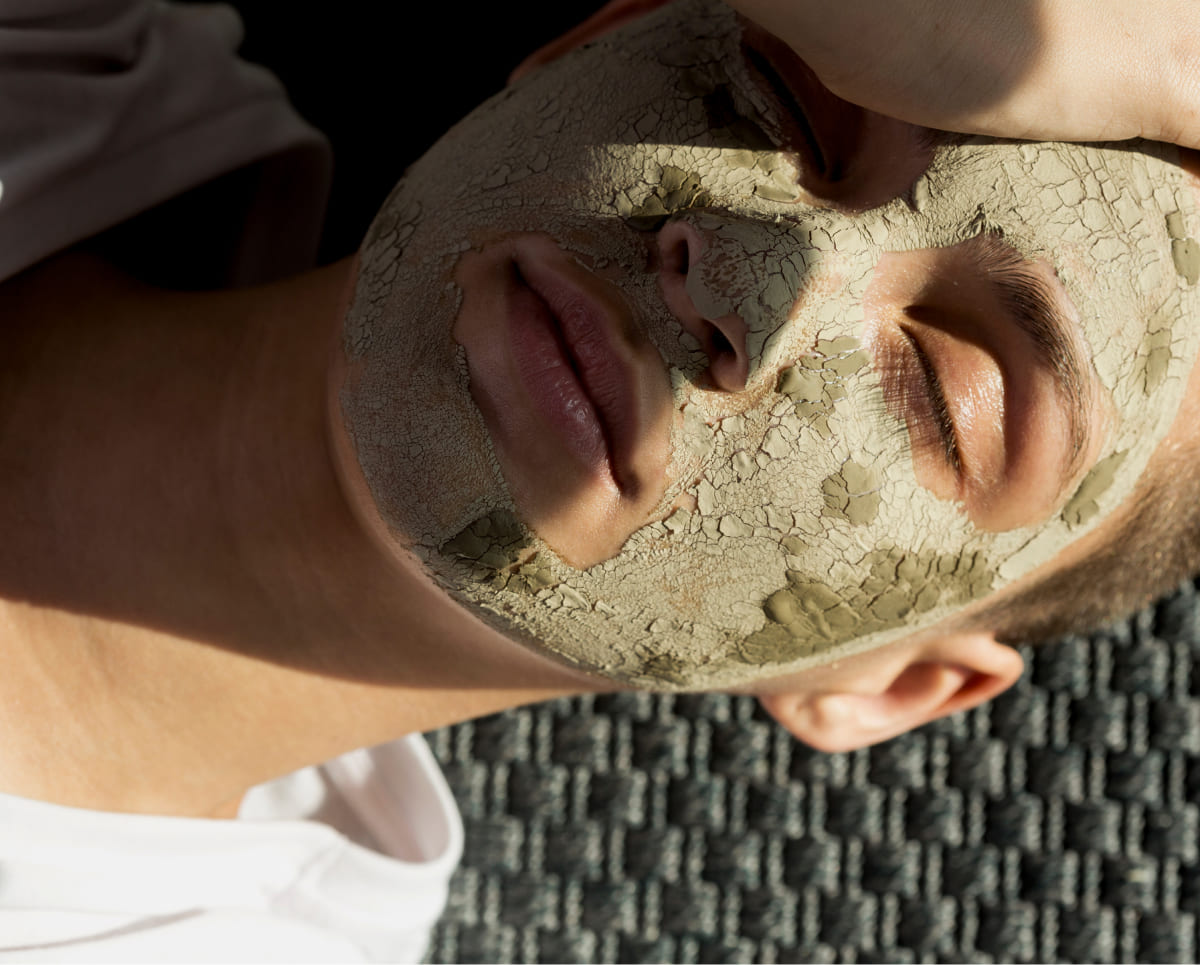
Botanical Extracts : What Is Botanical Extracts?
The beauty industry has experienced a remarkable shift over the past decade, with consumers increasingly seeking products that combine effectiveness, sustainability, and natural ingredients. At the heart of this movement lies one of the most influential categories in modern skincare and cosmetics: botanical extracts.
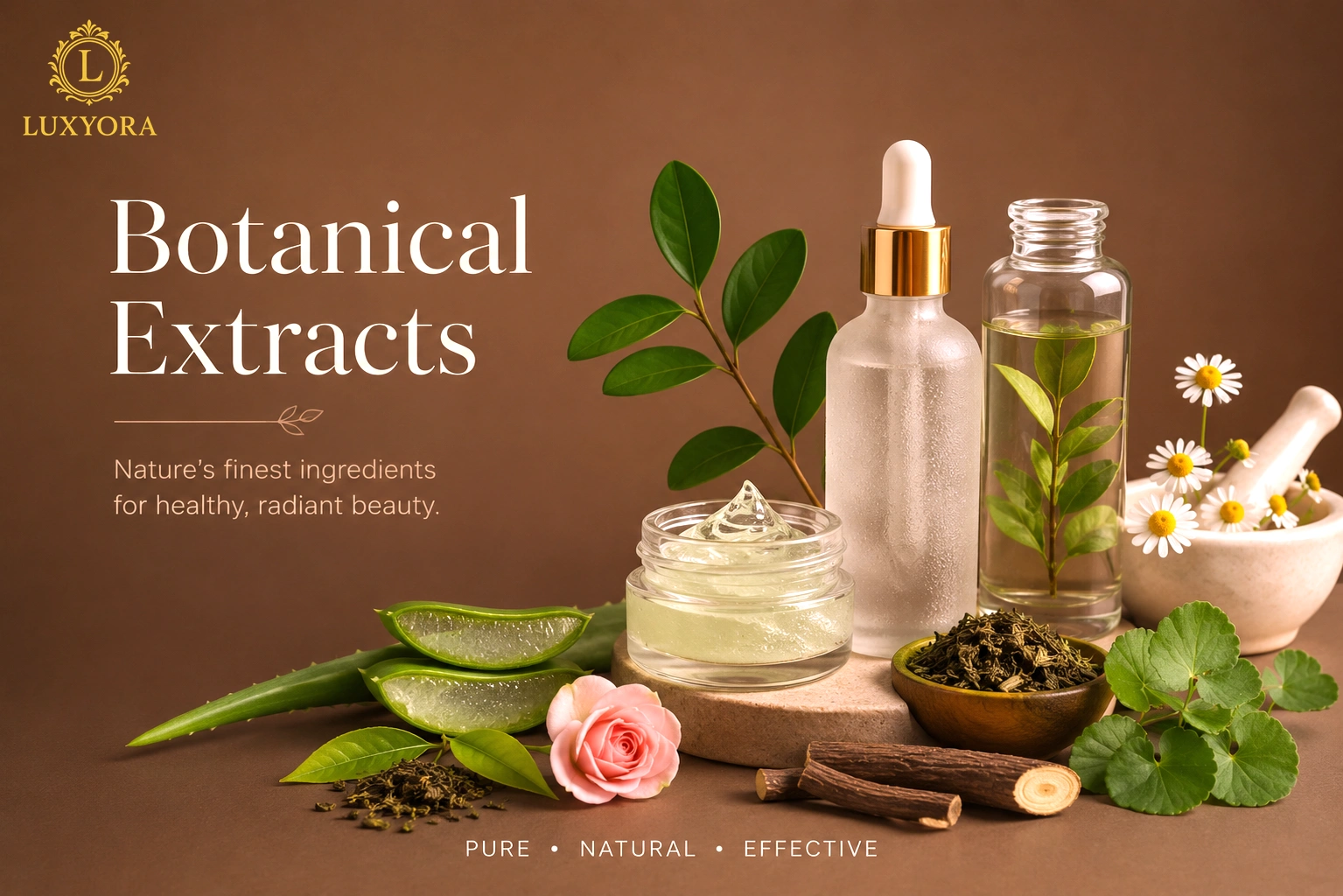
From soothing aloe vera and antioxidant-rich green tea to brightening licorice root and rejuvenating centella asiatica, botanical extracts have become essential ingredients in countless beauty formulations. Their growing popularity is driven by a combination of scientific validation, consumer demand for cleaner products, and advancements in extraction technologies that maximize their effectiveness.
This comprehensive guide explores botanical extracts, their role in beauty products, their benefits, common applications, formulation considerations, and how consumers can choose products that truly harness the power of nature.
What Are Botanical Extracts?
Botanical extracts are concentrated substances derived from plants, including flowers, leaves, roots, seeds, bark, fruits, and stems. Through specialized extraction processes, beneficial compounds are isolated and incorporated into skincare, haircare, and cosmetic formulations.
Unlike raw plant materials, botanical extracts provide a concentrated source of active compounds such as:
- Polyphenols
- Flavonoids
- Vitamins
- Minerals
- Essential fatty acids
- Amino acids
- Antioxidants
- Terpenes
These bioactive compounds contribute to various skin and hair benefits, making botanical extracts highly valuable in modern beauty formulations.
Why Botanical Extracts Matter in the Beauty Industry
The beauty industry has witnessed a strong demand for plant-based ingredients due to growing awareness about ingredient transparency and sustainability.
Several factors have fueled the rise of botanical extracts:
Consumer Preference for Natural Beauty
Consumers increasingly associate botanical ingredients with wellness, purity, and environmental responsibility. Products featuring recognizable plant extracts often enjoy greater trust and appeal.
Multifunctional Benefits
Many botanical extracts offer multiple skincare benefits simultaneously. For example, green tea extract provides antioxidant protection, anti-inflammatory support, and anti-aging benefits in a single ingredient.
Scientific Validation
Modern research has confirmed the efficacy of numerous botanical compounds, bridging the gap between traditional herbal remedies and evidence-based skincare.
Sustainability Trends
Botanical ingredients align with the industry’s broader sustainability initiatives, particularly when sourced responsibly and ethically.
How Botanical Extracts Are Made
The effectiveness of a botanical extract depends significantly on its extraction method.
Water Extraction
This traditional method uses water to extract water-soluble compounds from plant materials.
Benefits include:
- Gentle processing
- Suitable for sensitive skin products
- Cost-effective manufacturing
Solvent Extraction
Solvents such as ethanol or glycerin help isolate specific active compounds.
Advantages include:
- Higher potency
- Improved stability
- Enhanced active ingredient concentration
Cold Press Extraction
Frequently used for botanical oils, this method preserves delicate nutrients by avoiding excessive heat.
Supercritical CO₂ Extraction
One of the most advanced extraction technologies available today.
Benefits include:
- High purity
- Minimal solvent residue
- Superior preservation of bioactive compounds
- Environmentally friendly process
Most Popular Botanical Extracts in Beauty Products
Aloe Vera Extract
Aloe vera remains one of the most widely used botanical ingredients in skincare.
Benefits:
- Hydrates the skin
- Reduces redness
- Supports skin barrier repair
- Soothes irritation
Example:
A consumer experiencing sun exposure may use an aloe vera-based gel to calm inflammation and replenish moisture levels.
Green Tea Extract
Green tea extract contains powerful catechins, particularly EGCG, which are known for their antioxidant activity.
Benefits:
- Protects against environmental damage
- Reduces visible signs of aging
- Supports acne-prone skin
- Minimizes inflammation
Centella Asiatica Extract
Often referred to as “Cica,” Centella Asiatica has become a superstar ingredient in modern skincare.
Benefits:
- Promotes skin healing
- Improves skin barrier function
- Reduces redness
- Enhances collagen production
Scenario:
A consumer with sensitive skin recovering from over-exfoliation may benefit from a cica-rich moisturizer to restore skin balance.
Licorice Root Extract
Licorice root is highly valued for its brightening and soothing properties.
Benefits:
- Reduces hyperpigmentation
- Evens skin tone
- Calms irritation
- Provides antioxidant support
Chamomile Extract
Chamomile is renowned for its calming properties.
Benefits:
- Reduces skin sensitivity
- Soothes inflammation
- Supports sensitive skin
- Provides antioxidant protection
Rose Extract
Rose extracts are widely used in luxury skincare and cosmetics.
Benefits:
- Hydration enhancement
- Antioxidant activity
- Skin-softening effects
- Pleasant sensory experience
Turmeric Extract
Turmeric has gained global recognition in beauty formulations.
Benefits:
- Anti-inflammatory support
- Brightening effects
- Antioxidant protection
- Improved skin appearance
Botanical Extracts in Different Beauty Categories
Skincare Products
Botanical extracts are extensively used in:
- Serums
- Moisturizers
- Toners
- Masks
- Cleansers
- Eye creams
These products often leverage plant extracts for hydration, anti-aging, brightening, and soothing effects.
Haircare Products
Botanical ingredients support scalp health and hair vitality.
Common applications include:
- Shampoos
- Conditioners
- Hair masks
- Leave-in treatments
- Scalp serums
Popular extracts include rosemary, nettle, green tea, and ginseng.
Makeup Products
Modern cosmetics increasingly feature skincare-inspired ingredients.
Examples:
- Foundation with green tea extract
- Lip products containing botanical oils
- Primers infused with plant antioxidants
Body Care
Body lotions, scrubs, and body washes often utilize botanical extracts to enhance skin comfort and hydration.
Benefits of Botanical Extracts in Beauty Formulations
Antioxidant Protection
Many plant extracts help neutralize free radicals generated by pollution, UV exposure, and environmental stressors.
Anti-Aging Support
Botanical antioxidants may help reduce the appearance of:
- Fine lines
- Wrinkles
- Uneven texture
- Dullness
Skin Soothing Properties
Sensitive and reactive skin types often benefit from plant extracts with anti-inflammatory activity.
Hydration Enhancement
Several botanical extracts improve moisture retention and skin comfort.
Brightening Effects
Certain extracts help create a more even skin tone and a radiant complexion.
Challenges and Limitations of Botanical Extracts
While botanical extracts offer numerous advantages, they are not without challenges.
Variability in Plant Sources
Factors affecting extract quality include:
- Climate
- Soil conditions
- Harvest timing
- Storage methods
Stability Concerns
Some plant compounds degrade when exposed to:
Manufacturers must formulate carefully to maintain efficacy.
Potential Allergic Reactions
Natural does not always mean risk-free.
Consumers should perform patch testing, particularly if they have sensitive skin or known allergies.
Greenwashing Risks
Some products advertise botanical ingredients prominently while including them in negligible amounts.
Consumers should examine ingredient lists and brand transparency practices.
How to Choose Beauty Products with Effective Botanical Extracts
Check Ingredient Position
Ingredients listed higher on the ingredient label are generally present in greater concentrations.
Look for Standardized Extracts
Standardized botanical extracts ensure consistent active compound levels and more predictable performance.
Research Scientific Support
Choose ingredients supported by peer-reviewed research rather than marketing claims alone.
Evaluate Packaging
Airless pumps and opaque containers help protect sensitive plant compounds from degradation.
Understand Your Skin Needs
Different botanical extracts address different concerns.
For example:
Skin Concern | Recommended Botanical Extract |
Redness | Centella Asiatica |
Hyperpigmentation | Licorice Root |
Dryness | Aloe Vera |
Aging | Green Tea |
Sensitivity | Chamomile |
Dullness | Turmeric |
Practical Beauty Industry Applications
Luxury Skincare Brands
Premium brands often highlight rare botanical extracts sourced from specific regions to differentiate their products.
Clean Beauty Formulations
Clean beauty brands frequently rely on botanical extracts as alternatives to synthetic ingredients.
Dermatological Skincare
Many dermatologist-developed products now incorporate scientifically validated plant extracts alongside traditional actives.
Spa and Wellness Products
Botanical extracts enhance sensory experiences while delivering functional skincare benefits.
Future Trends in Botanical Extracts
The future of botanical extracts looks exceptionally promising.
Emerging trends include:
- Biotechnology-enhanced plant extracts
- Sustainable farming partnerships
- Precision extraction technologies
- Personalized botanical skincare
- Increased scientific standardization
- Upcycled plant ingredients
- Microbiome-friendly botanical formulations
Researchers continue to discover new plant compounds with potential applications in anti-aging, pigmentation management, skin barrier support, and scalp health.
Conclusion
Botanical extracts have become foundational ingredients in today’s beauty industry, offering a unique blend of natural heritage and scientific innovation. Their ability to deliver antioxidant protection, hydration, soothing benefits, brightening effects, and anti-aging support makes them highly valuable across skincare, haircare, cosmetics, and wellness products.
As consumers become increasingly educated about ingredient efficacy and sustainability, botanical extracts will likely remain at the forefront of beauty innovation. However, effectiveness depends on factors such as sourcing, extraction methods, formulation quality, and concentration levels.
For beauty brands, formulators, and consumers alike, understanding botanical extracts is essential for navigating the evolving landscape of modern beauty. By choosing scientifically supported, well-formulated products, consumers can fully benefit from the remarkable power of nature’s most effective ingredients.
References
Burlando, B., Cornara, L., Verotta, L., & Bottini-Massa, E. (2019). Herbal principles in cosmetics: Properties and mechanisms of action. CRC Press.
Draelos, Z. D. (2024). Cosmetic dermatology: Products and procedures (4th ed.). Wiley-Blackwell.
Ganceviciene, R., Liakou, A. I., Theodoridis, A., Makrantonaki, E., & Zouboulis, C. C. (2020). Skin anti-aging strategies. Dermato-Endocrinology, 12(1), 1–14.
Kim, M., Park, H., & Lee, S. (2023). Botanical ingredients and their role in modern cosmetic formulations. Cosmetics, 10(4), 115–128.
Mukherjee, P. K., Nema, N. K., Maity, N., & Sarkar, B. K. (2021). Bioactive compounds from medicinal plants in cosmetic applications. Journal of Ethnopharmacology, 273, 113970.
Nielsen Consumer Insights. (2022). Natural and botanical beauty ingredient trends in global cosmetics markets. NielsenIQ.
Pillaiyar, T., Manickam, M., & Jung, S. H. (2021). Recent development of signaling pathways inhibitors of melanogenesis. Cellular Signalling, 80, 109892.
Statista. (2024). Global natural cosmetics market size and growth forecast. Statista Research Department.
Thring, T. S. A., Hili, P., & Naughton, D. P. (2018). Anti-collagenase, anti-elastase and antioxidant activities of extracts from medicinal plants. BMC Complementary and Alternative Medicine, 18(1), 1–11.
Yao, Y., Sang, W., Zhou, M., & Ren, G. (2022). Antioxidant and anti-inflammatory activities of plant-derived extracts in skincare applications. Molecules, 27(11), 3447.
- Use mild soap and warm water
- Avoid harsh chemicals
- Use a soft cloth to polish
- Increasing demand for minimalist jewelry
- Growth in personalized and charm-based designs
- Rising interest in durable, everyday pieces
Industry Trends (2018–2025)